O
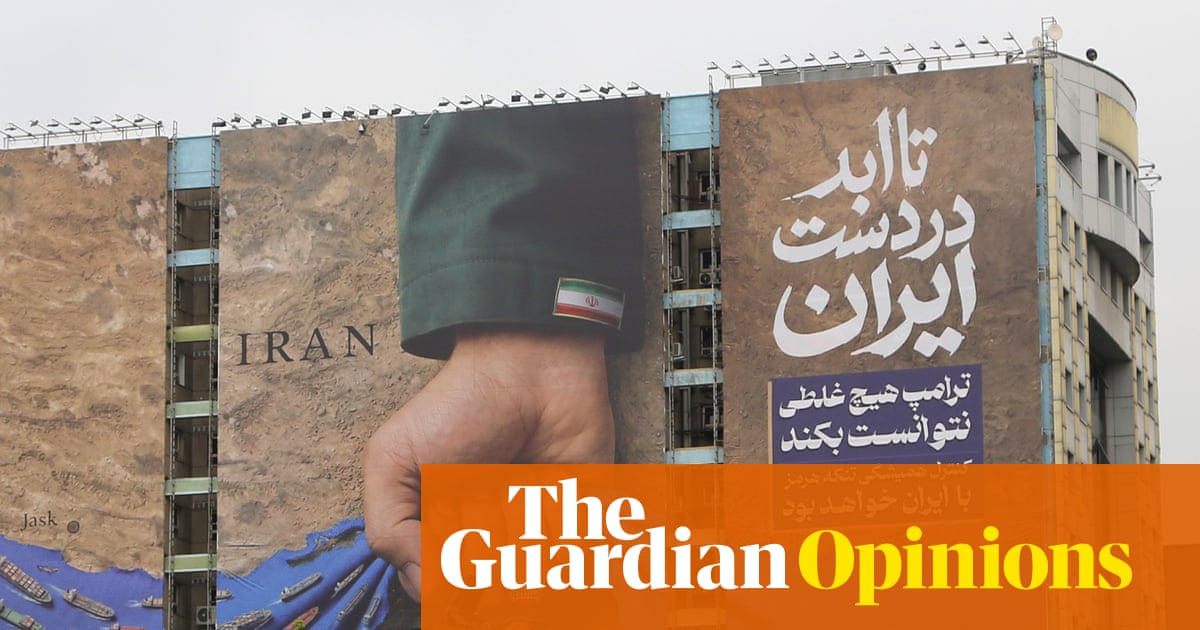
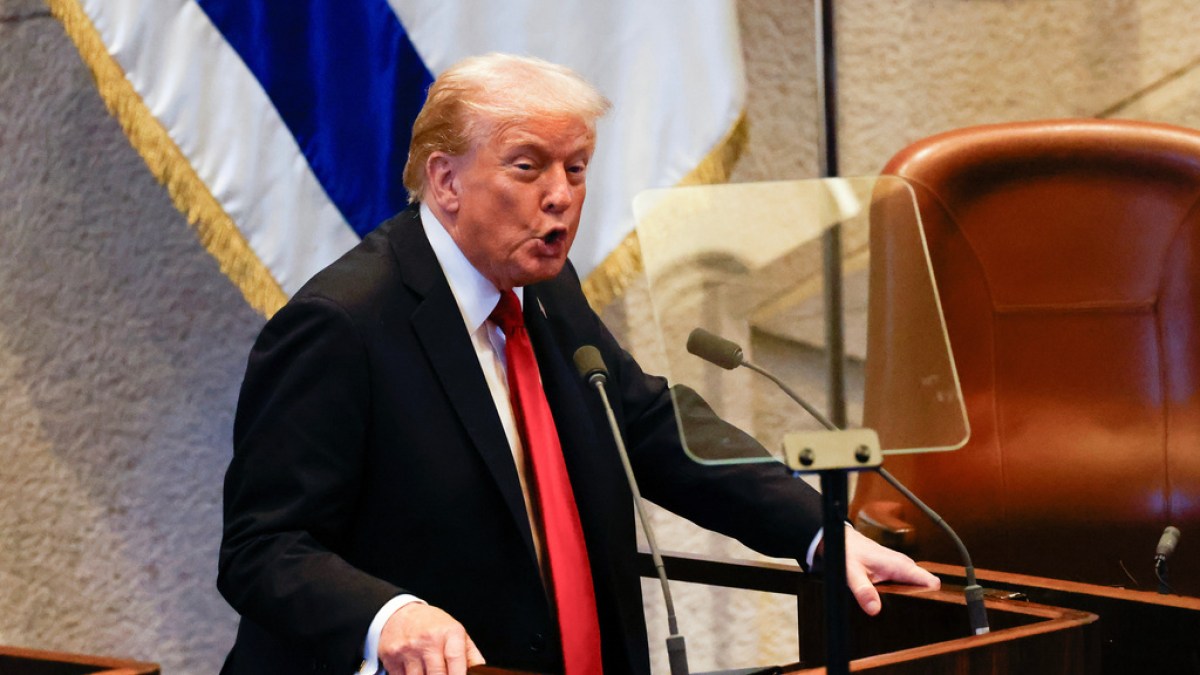
n May 8, 2018, Donald Trump chose confrontation over negotiation with Iran. That day, the American president pulled the United States out of the multilateral deal reached three years earlier to curb Iran's nuclear program until 2025 and prevent the Islamic Republic from acquiring nuclear weapons. The other signatories – France, the United Kingdom, Germany, Russia, China, and, of course, Iran – could do nothing but protest in vain against the White House's dictate.
Trump's predecessor, Barack Obama, the chief architect of that agreement, clearly stated at the time that "the United States could eventually be left with a losing choice between a nuclear-armed Iran or another war in the Middle East." Trump launched that war on February 28, alongside Israel, plunging the world into uncertainty.
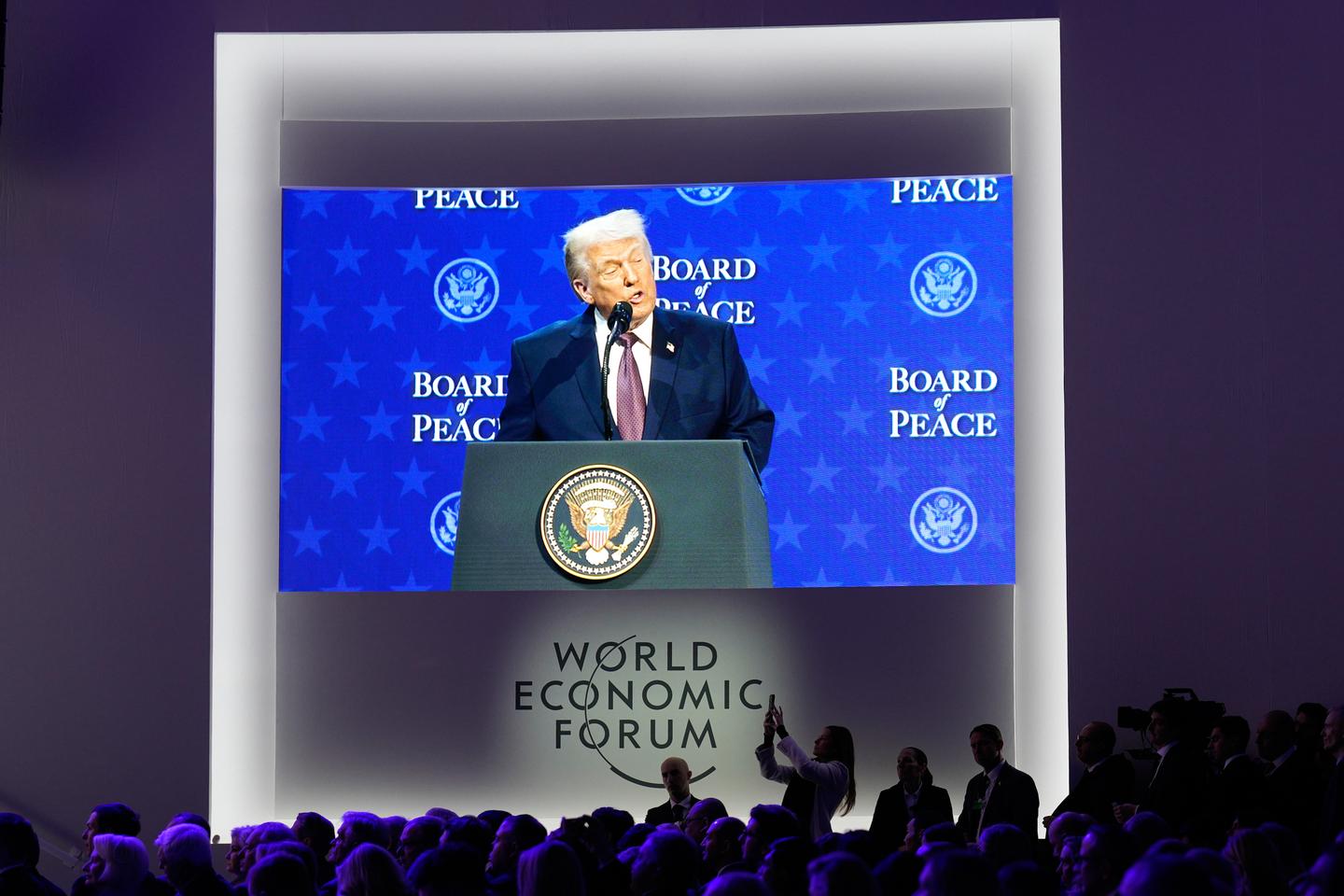
The increasingly uncontrollable escalation almost makes one forget that the same Trump boasted in the fall of 2025 of having established peace in the Middle East for the first time "in 3,000 years" – a reference to the truce that has been in place since October 10 in the Gaza Strip, after two years of a war of annihilation against the Palestinian enclave.
But the ceasefire was superficial: More than 600 Palestinians and four Israeli soldiers have been killed in five months, amid a still-rigorous humanitarian siege. Furthermore, the Israeli army continues to occupy more than half of the Gaza Strip, displacing some 2,000,000 civilians into 150 km2 of largely devastated territory. The committee of Palestinian technocrats tasked with overseeing reconstruction by Trump was not even permitted by the Israeli army to enter the enclave, leaving it effectively in the hands of Hamas.