How are we to account for things that lie outside ordinary language? A woman’s emotions are precisely observed in a novel that brilliantly captures what it means to be human
I
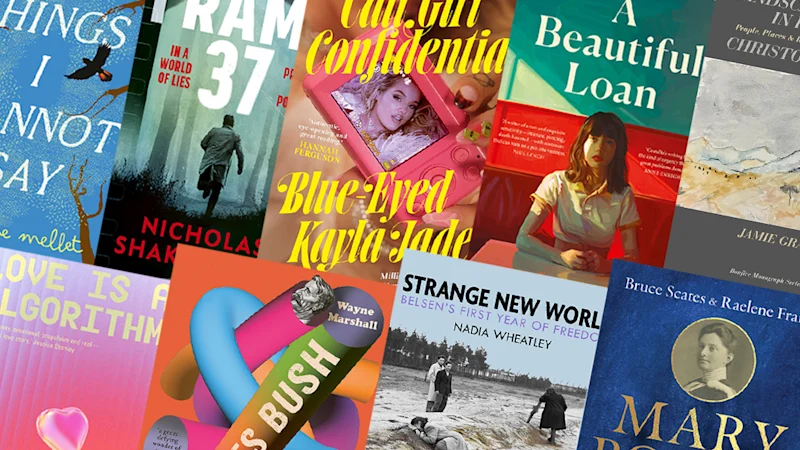
n each of her previous novels and story collections, the Irish author Mary Costello has revealed the inner vastness hidden within even the quietest lives. Her latest book, A Beautiful Loan, goes further, with a faithful, poetic exploration of the multitudes we contain and what it means to be human.
From the outset, in the novel’s prologue, Anna tells us she is determined to account for herself and her life. But we are to expect no ordinary narrative, concerned only with “actual events”, “evidence-based” or relying on “historical data”. No, Anna is interested in the “climate of the psyche” and “the vibrations of the soul”. Can it be that the very things we cannot quantify or rationalise are what make life meaningful?
When she meets Peter, the older, worldly man whom she will marry, Anna tells us she wants to know everything about him – every part of his existence. Only Peter is distant and evasive. He has no wish to spend time with her family and sees no need to compromise his own wants. There is a sense over the years that Anna has some understanding of what is wrong here, but almost at once she denies this knowledge, just as he denies answers to her questions.