For the average 20-something in 2026, morning rituals might involve coffee, eggs, and an ever-spiraling digital “pit of despair.”
That’s how James Dutton, a 24-year-old social media account manager in Cincinnati, described the feeling of waking up to a flurry of bank notifications in a video posted to YouTube last month. One day it’s $15 for a streaming service he hasn’t opened in weeks; the next, it’s $10 for a music platform that just got a price hike. A month ago, he audited his subscriptions spending, and realized he was bleeding $120 a month into the digital void.
“I mean, it all adds up,” Dutton told Fortune. “I felt like I could just allocate those funds to better resources than subscriptions that I really don’t even want to begin with.”
Dutton isn’t alone. Subscription-based streaming services have come off their peak during the pandemic years, and young Americans in particular are staging a quiet coup against the subscription economy.
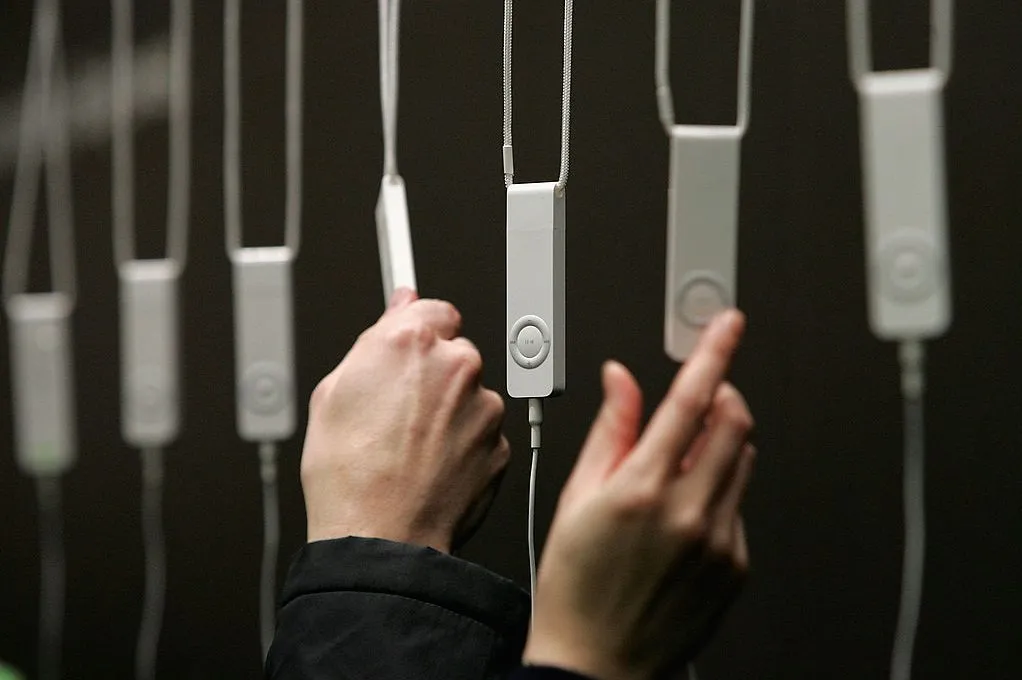
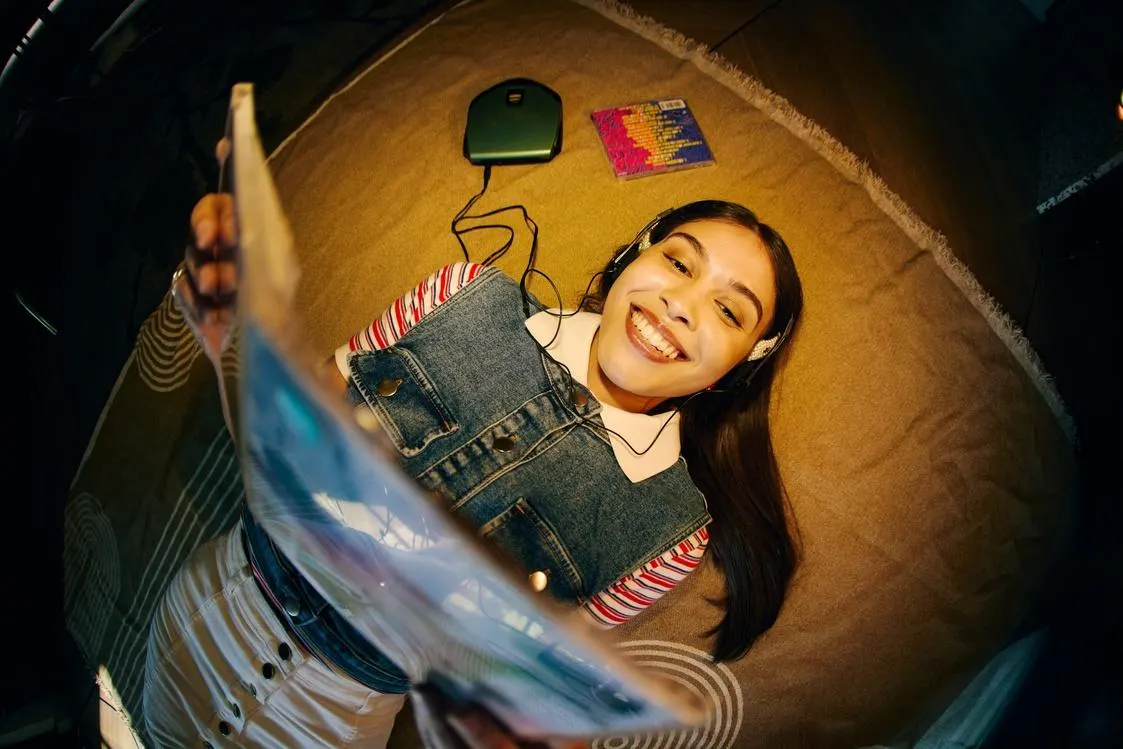
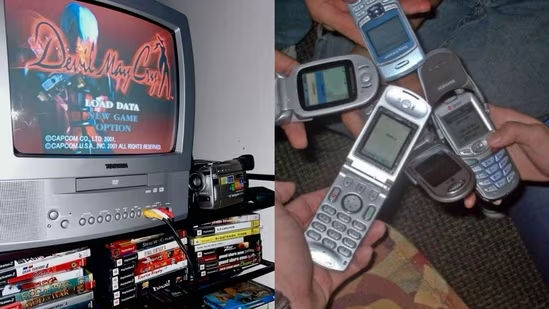
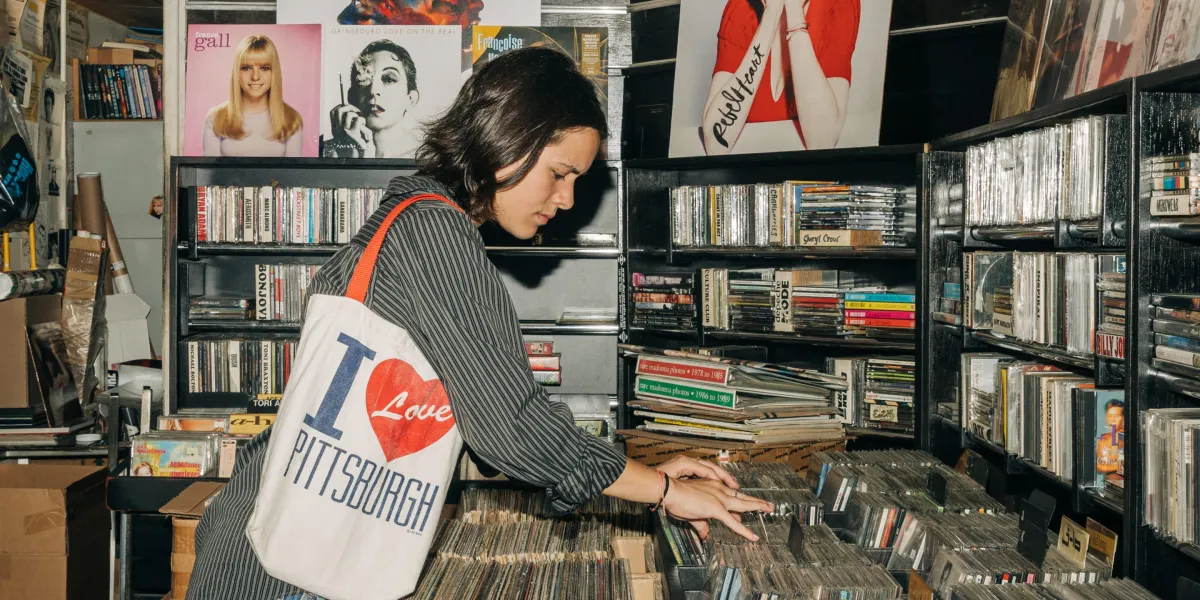
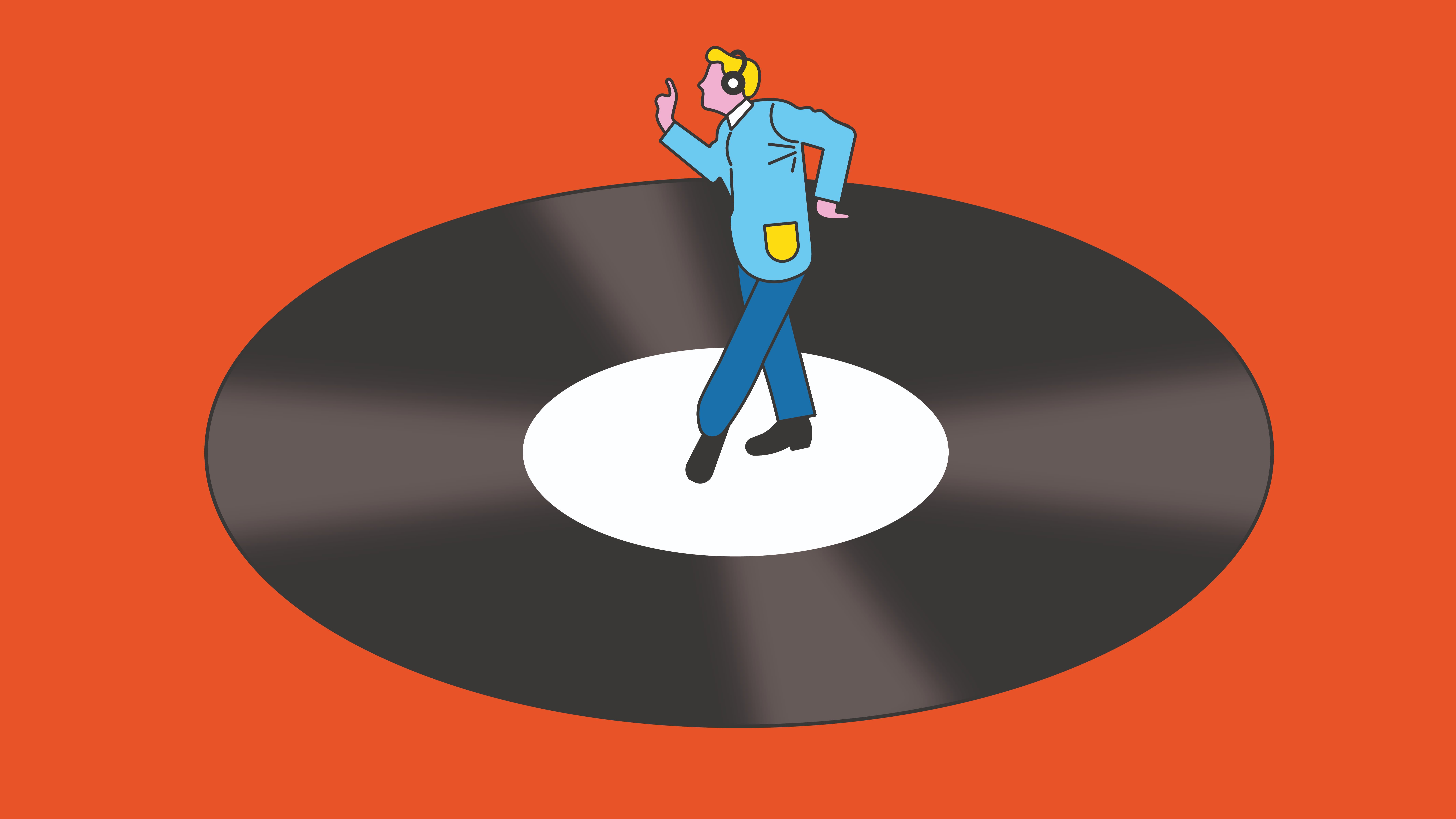
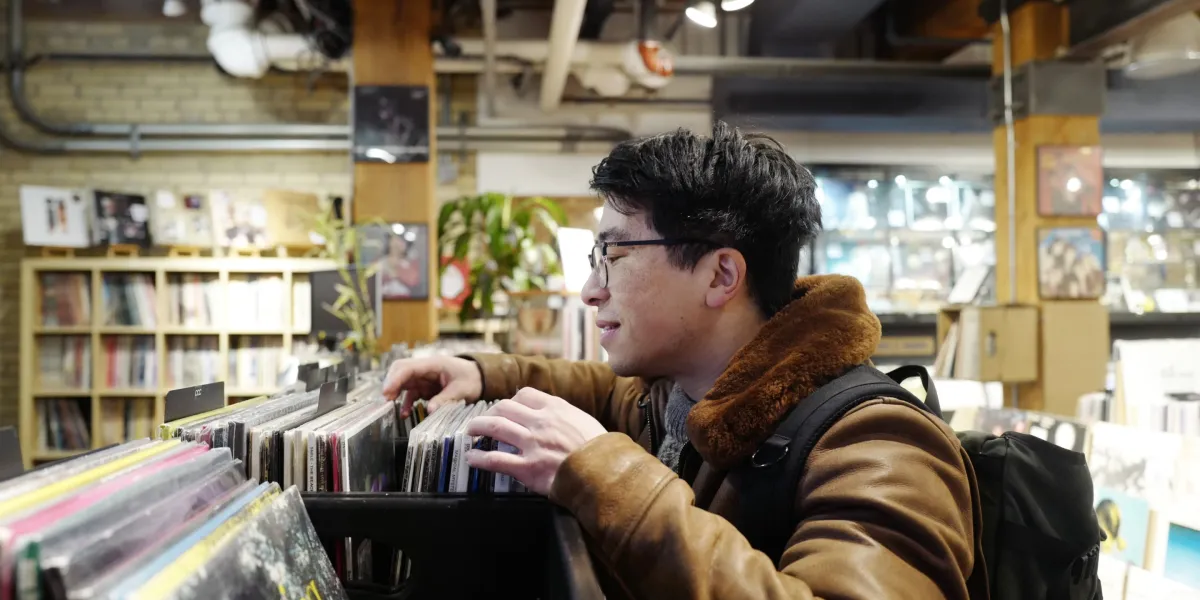
Many are now trading their basic-tier, ad-ridden interfaces for the clunky, scratchy, and strangely beautiful world of physical media. From the neon-lit aisles of independent video stores to the vinyl-covered walls of starter apartments, Gen Z is leaving convenience behind to finally hold onto something that’s theirs.