One week on from the first strikes, we look at why the war started, what the cost has been and what may come next
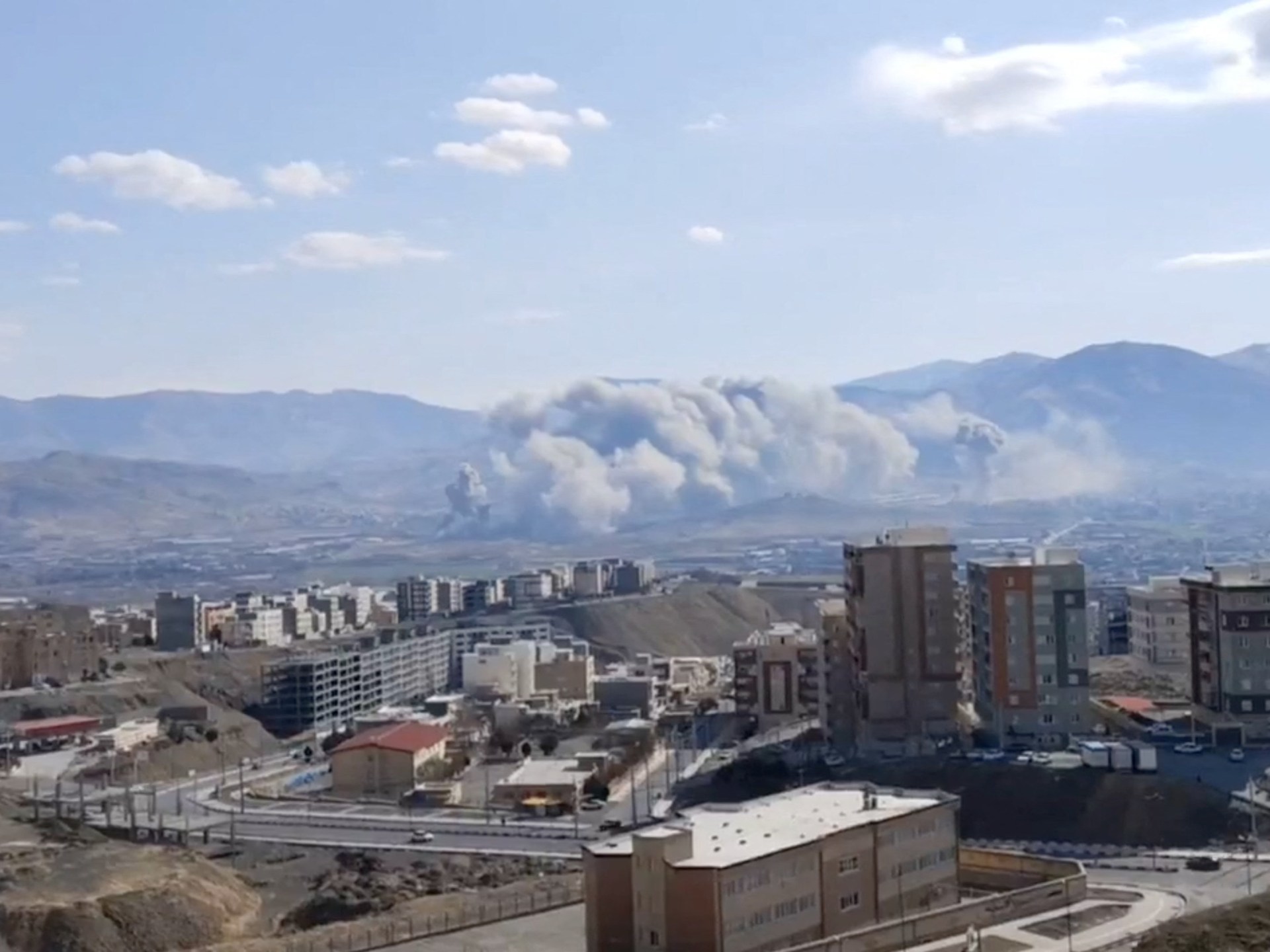
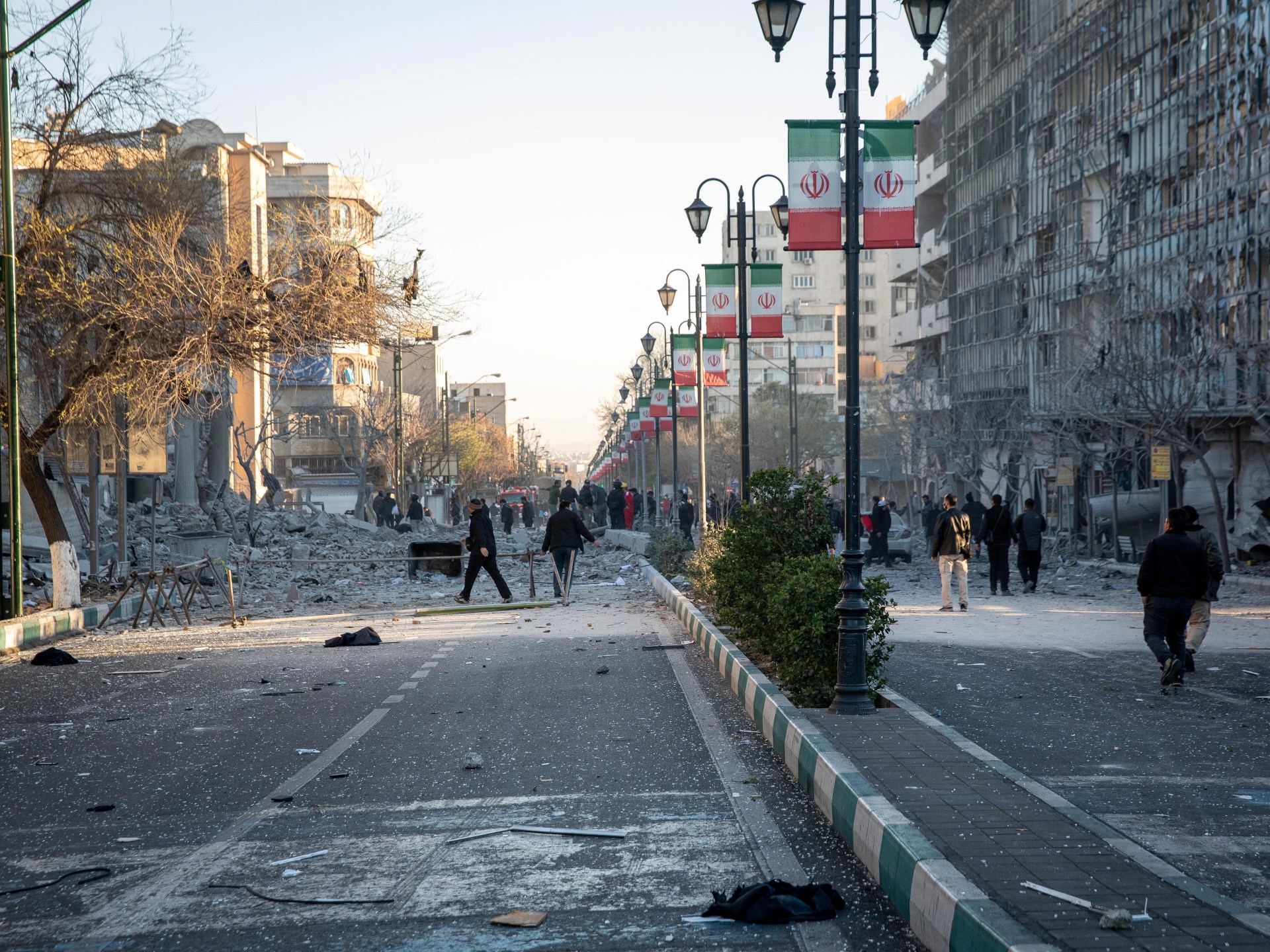
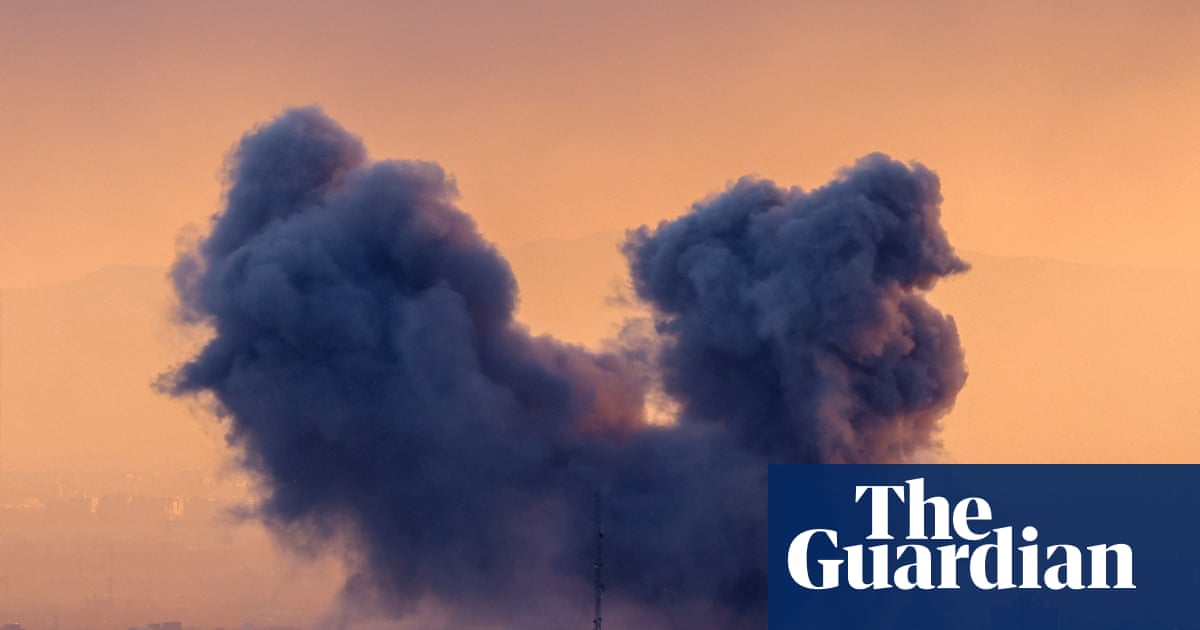
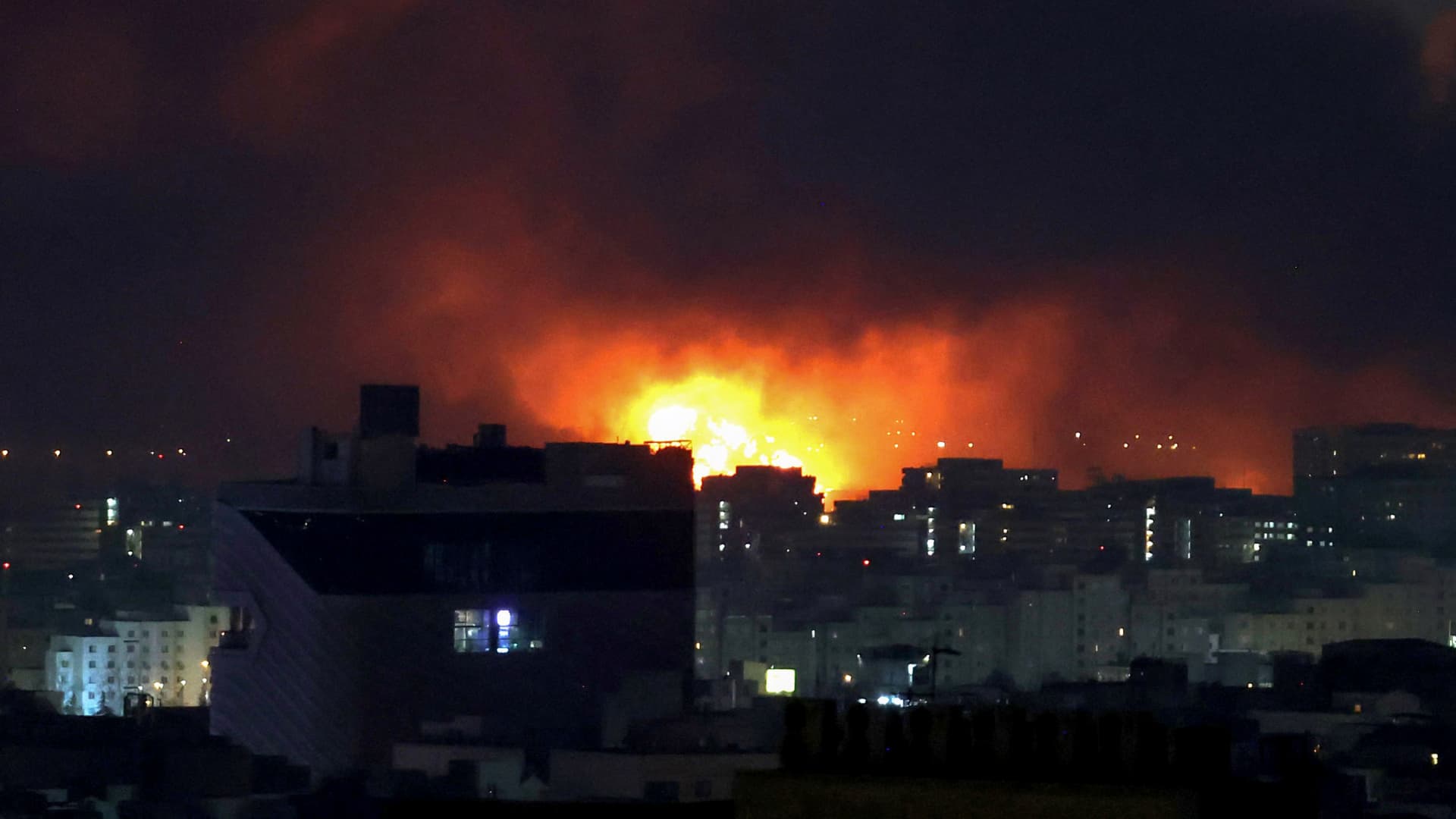
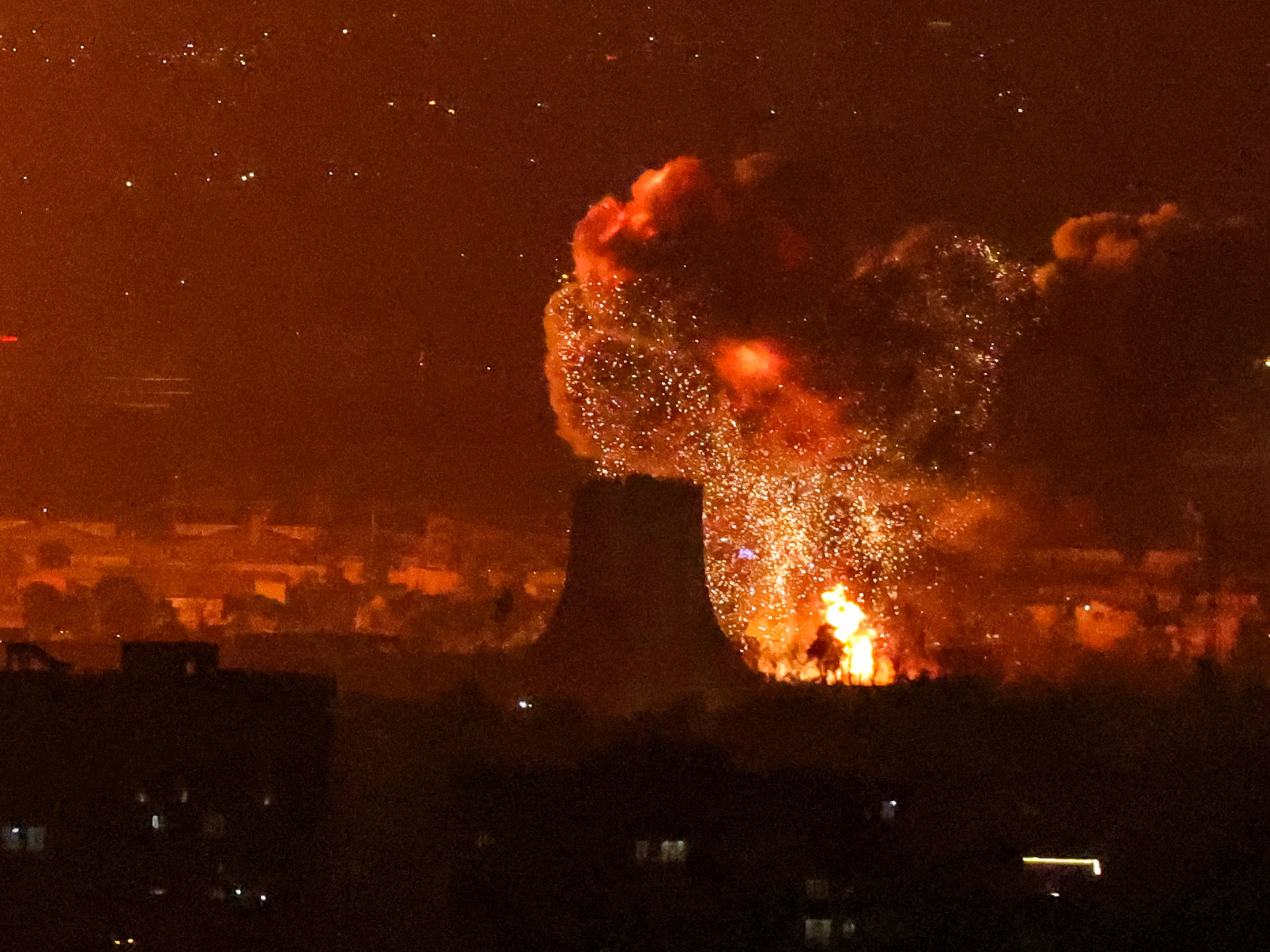
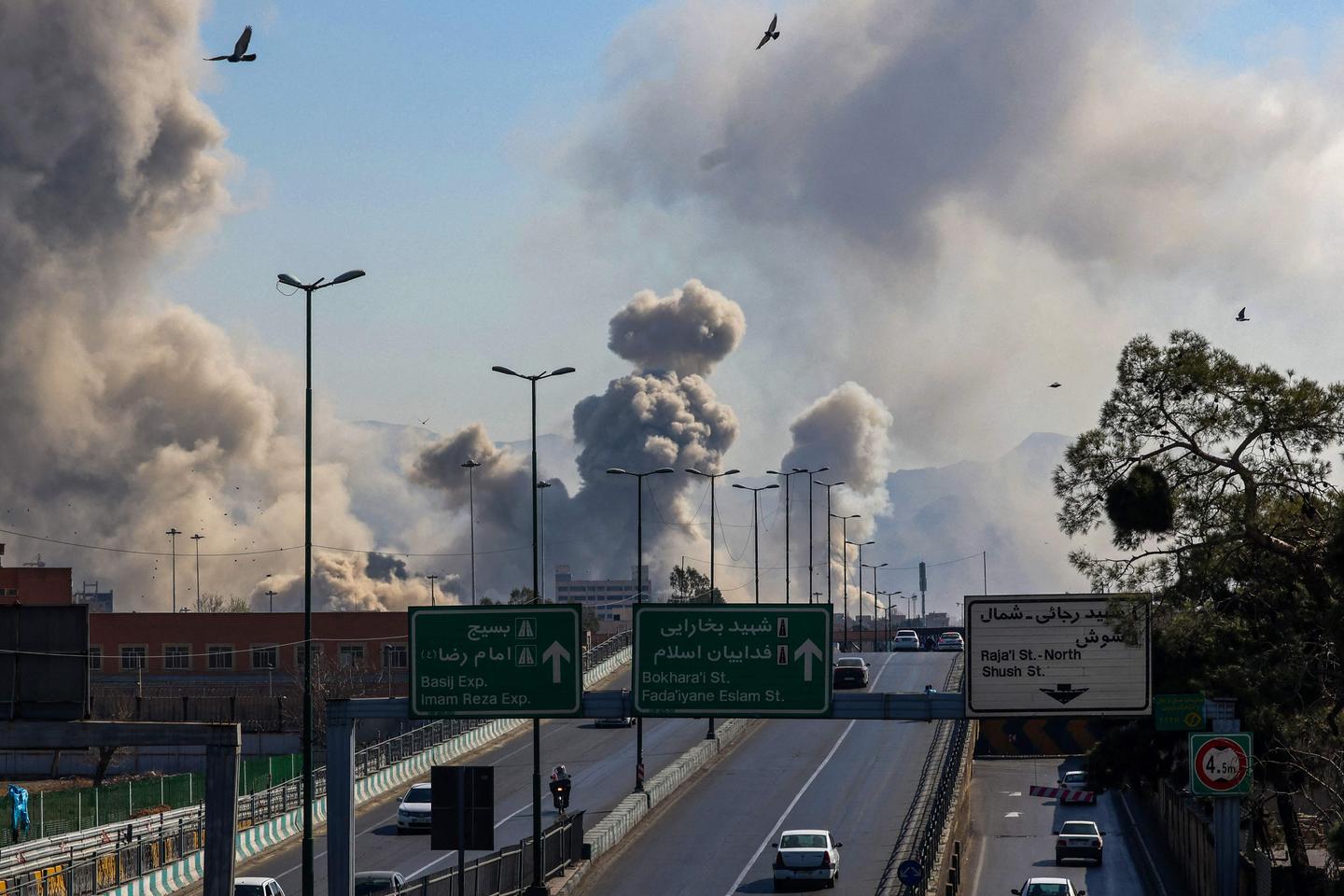
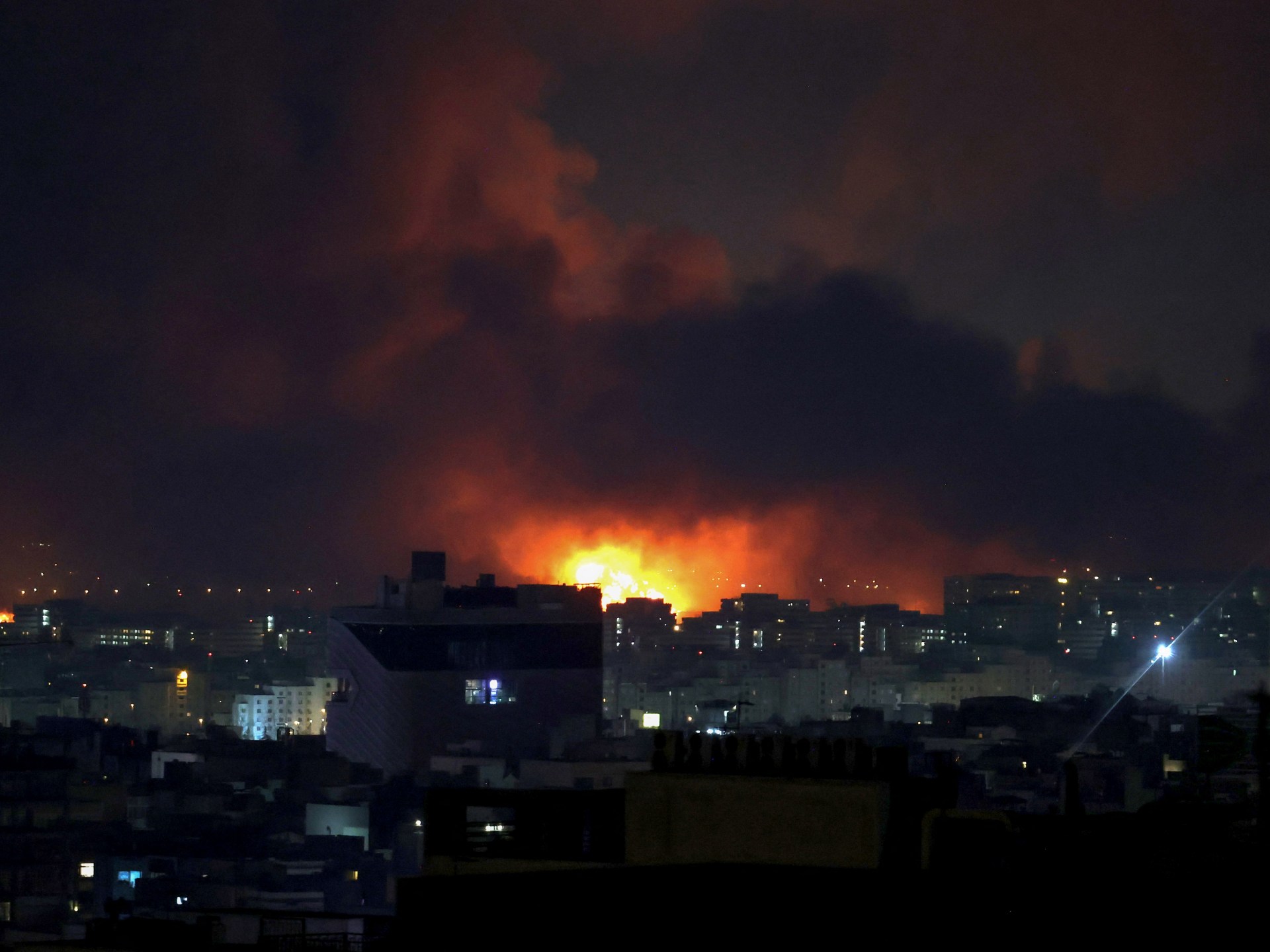
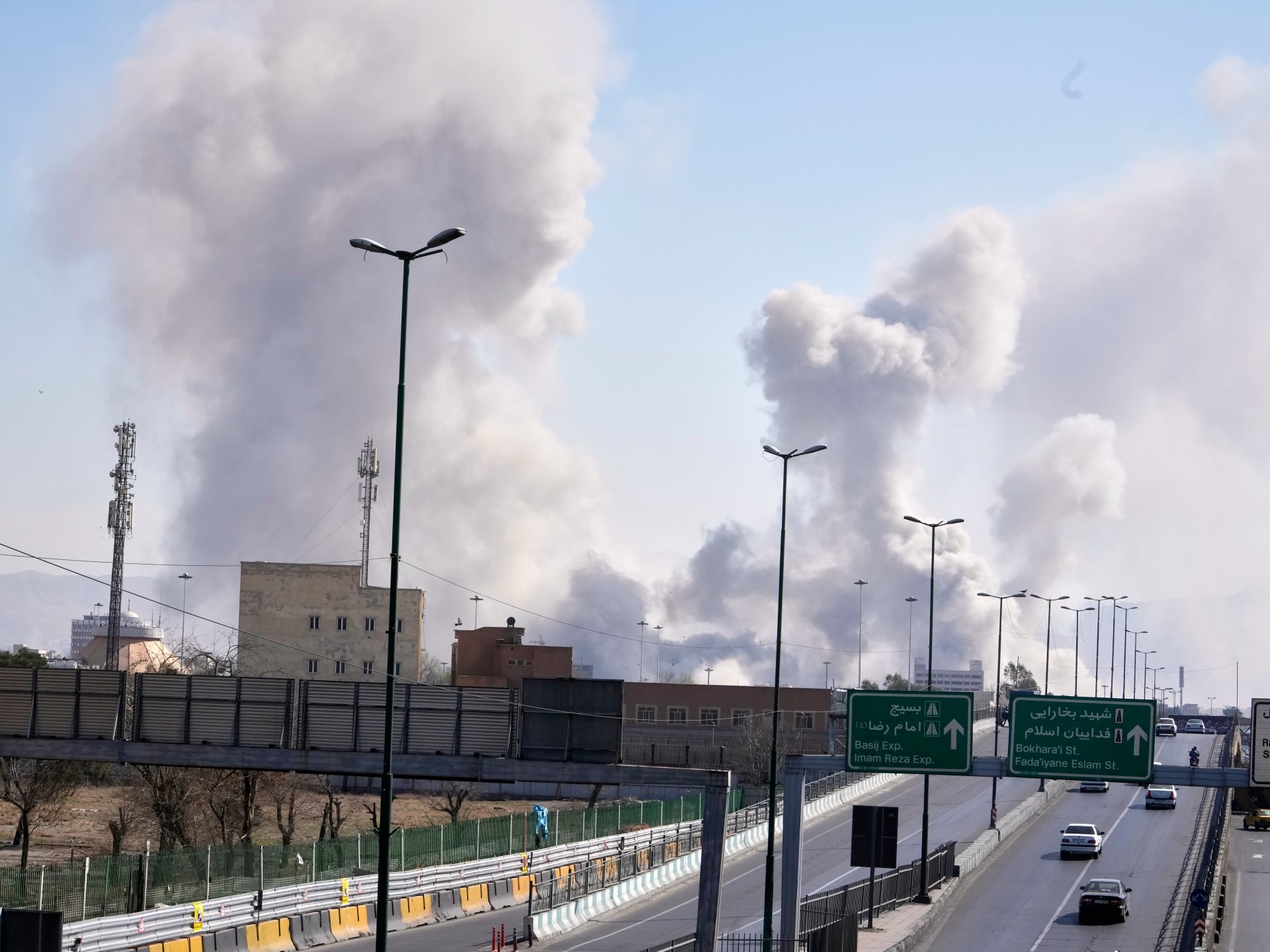
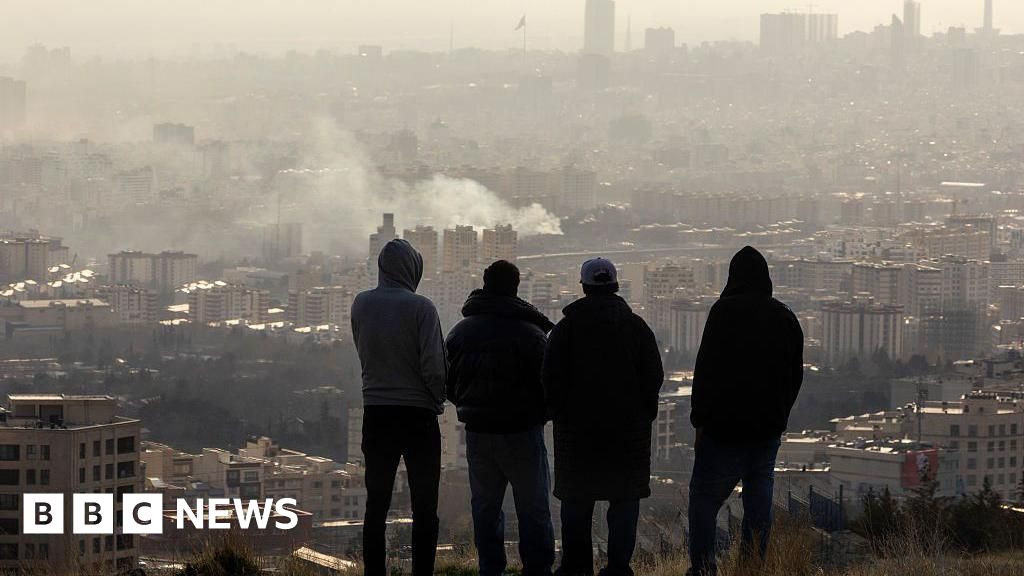
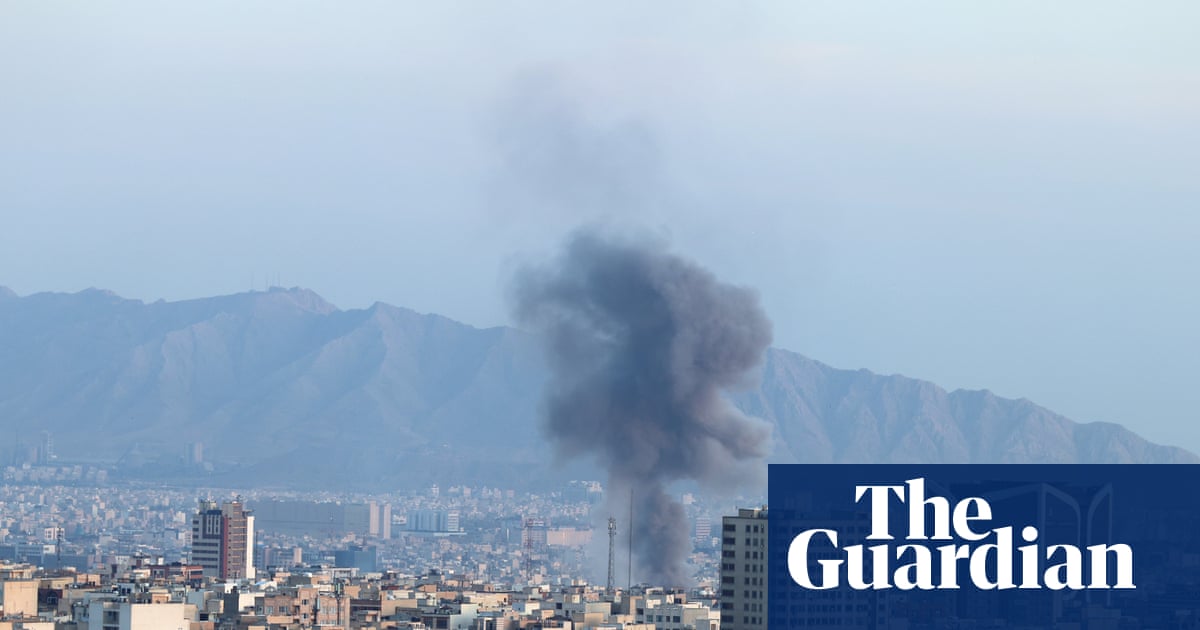
The US-Israeli war on Iran, now into its seventh day, has set the Middle East alight, threatening millions of people’s lives and livelihoods as the violence spreads in widening arc stretching from central Asia to the edge of Europe.
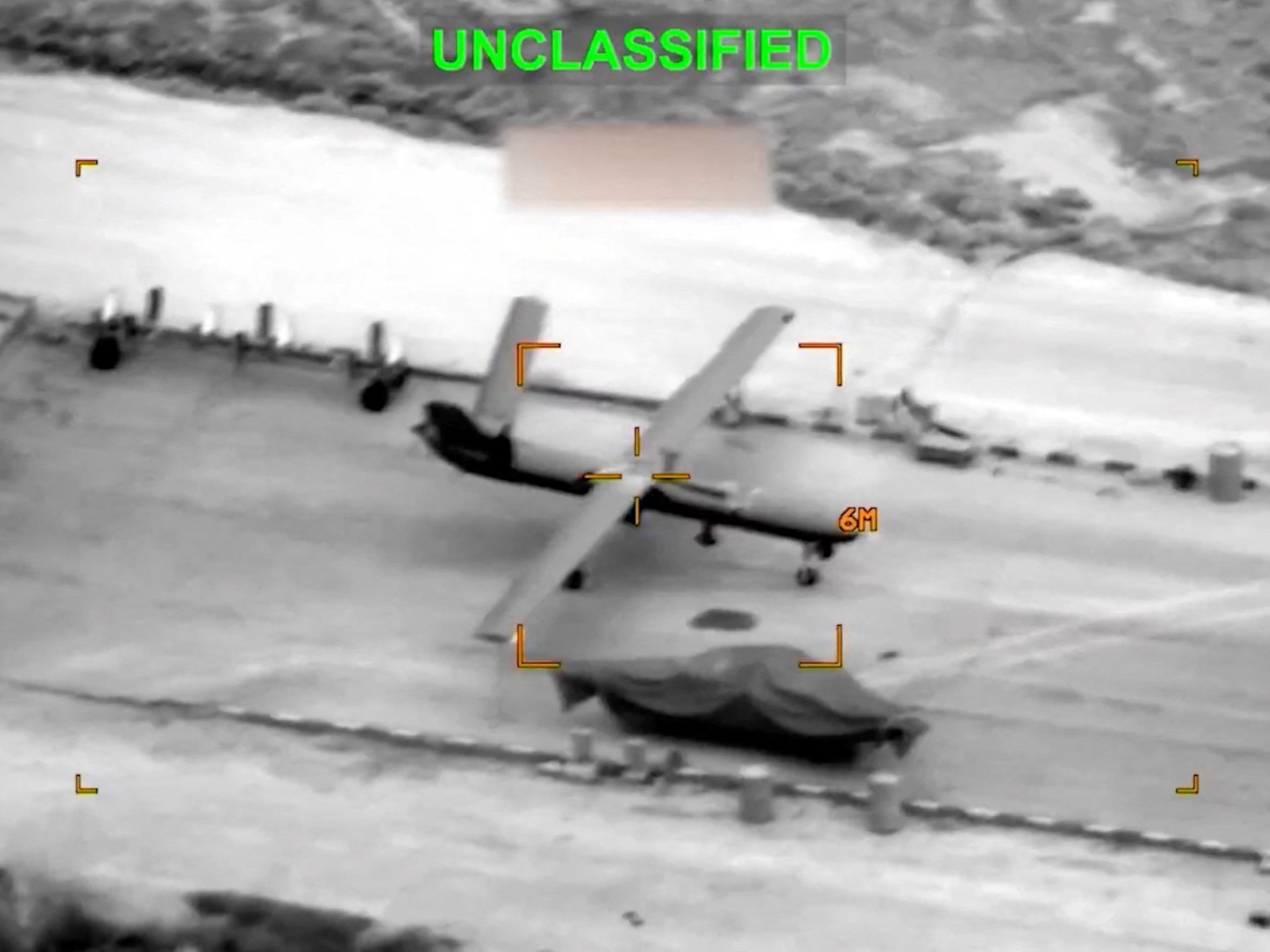
The joint operation, named “Epic Fury” by the US and “Roaring Lion” by Israel, has been sold as a high-impact show of intimidating power, but its impact so far beyond the chaos and bloodshed is unclear. What is certain is that predictions that this type of war would destabilise the region have indeed rapidly materialised.
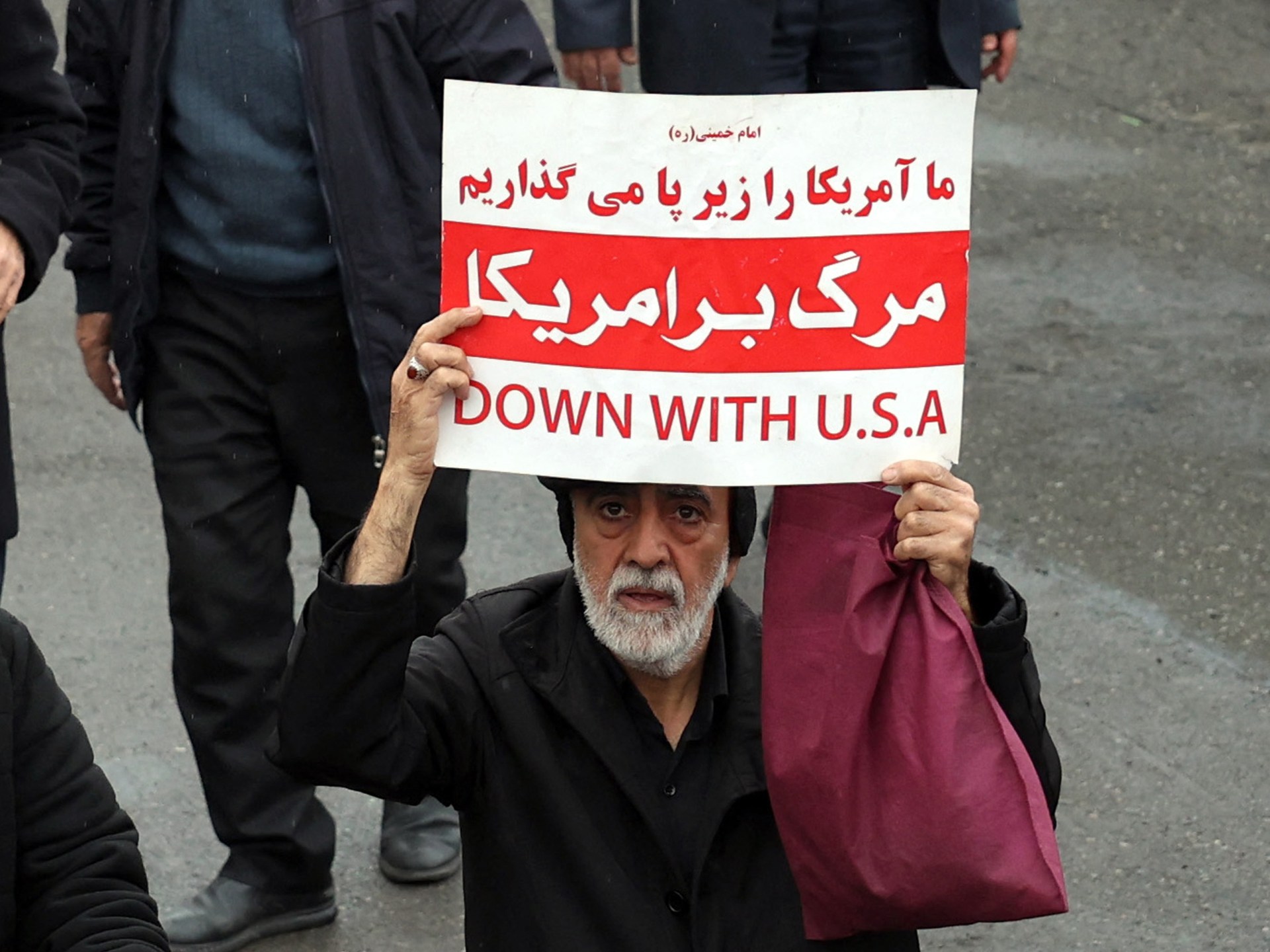
For decades, the regional powerhouse Iran, which views Israel and the US as its arch-enemies, has sought to spread its influence across the Middle East by backing militant groups, such as Hezbollah in Lebanon and the Houthis in Yemen. It has developed a nuclear programme that it claims is for civil purposes. Washington disputes this and was in negotiations to limit Tehran’s nuclear ambitions up until last Saturday, when it abandoned them and started bombing.
Israel’s longstanding regional policy – particularly towards Iran, Lebanon, Iraq, Gaza, Yemen and Syria – has been to keep enemy forces “weak” through the regular use of overwhelming and destructive military power, including assassinations. The result has been the killing of tens of thousands of civilians, an abandonment of diplomacy and the hardening of global hatred against Israel. Senior figures in armed factions that Israel has killed are usually quickly replaced by deputies, while militant groups Israel has targeted have either rebuilt or been replaced by others.