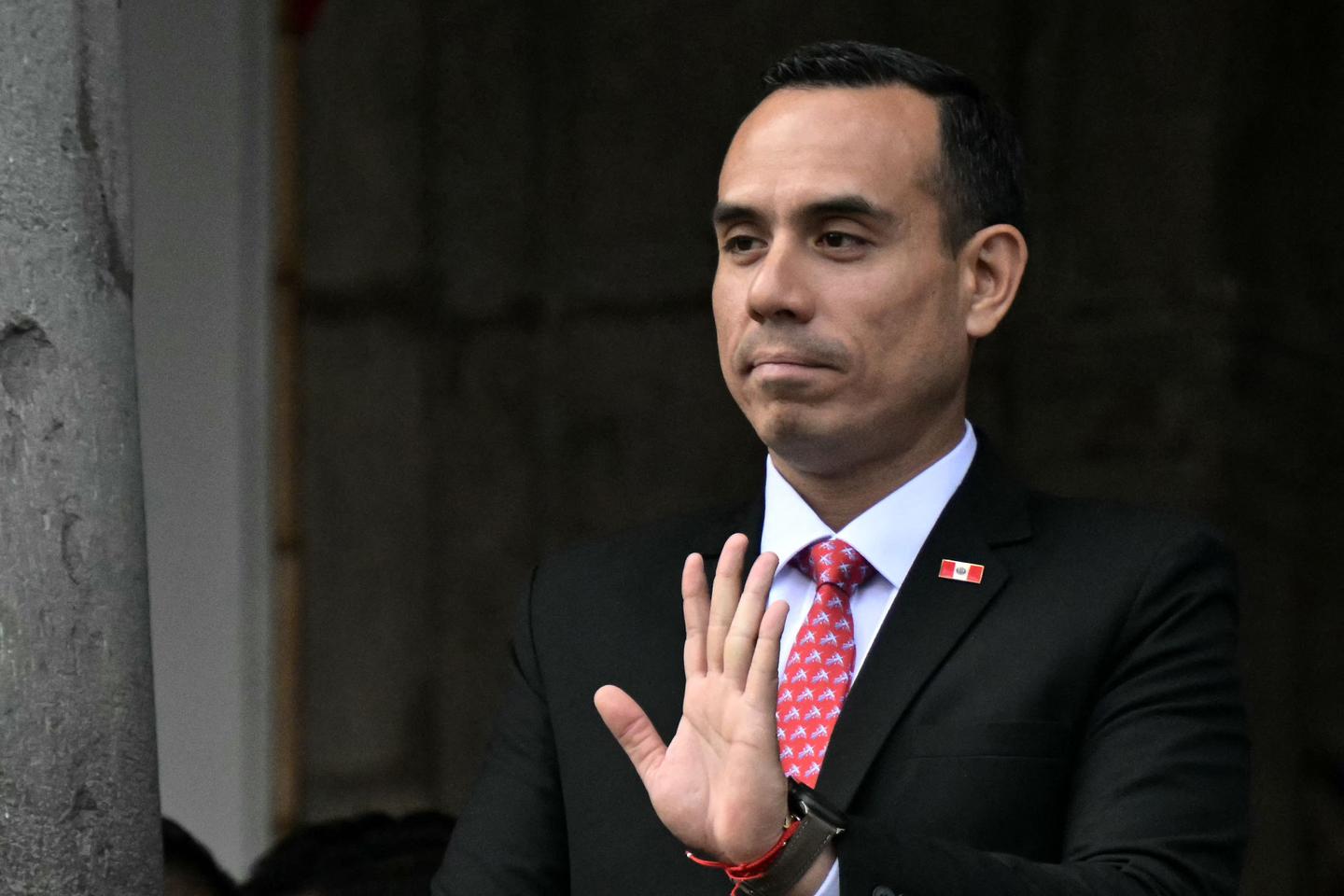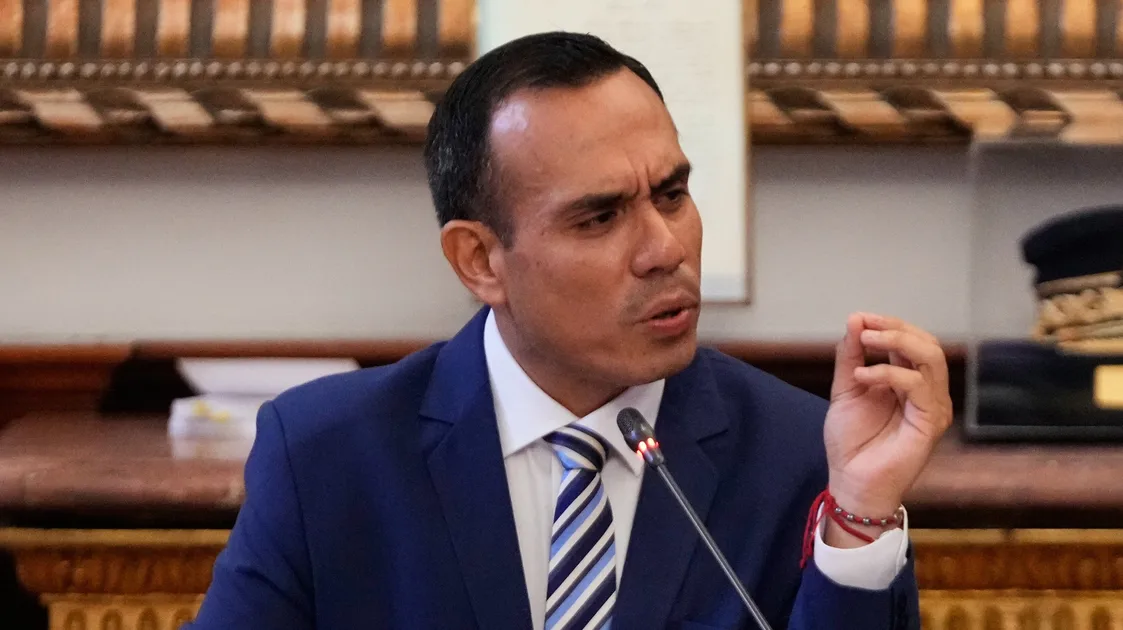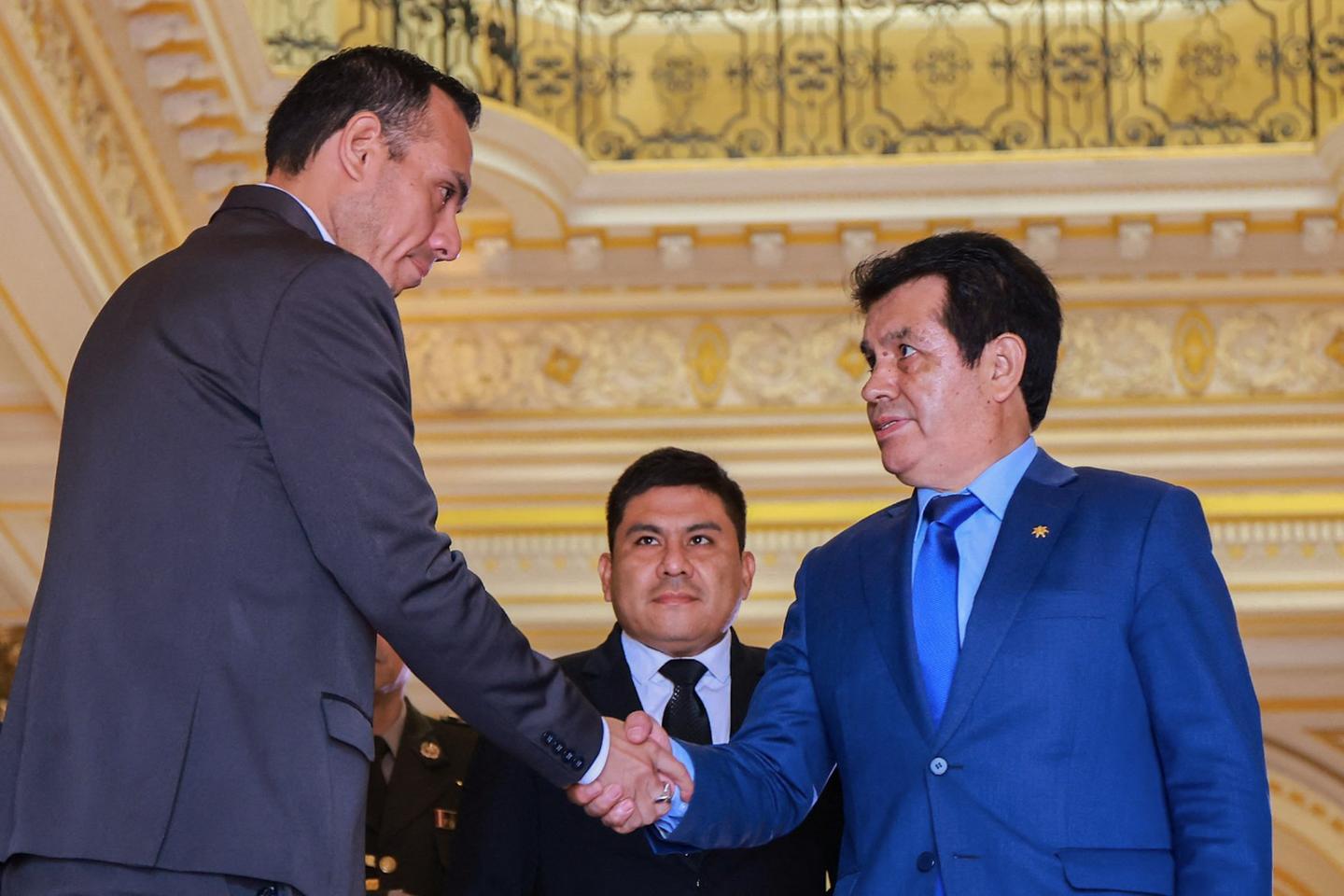
This photo provided by the Peruvian presidency shows former Peruvian President José Jeri (left) shaking hands with prosecutor general Tomas Aladino Galvez at the government palace in Lima, January 30, 2026. PRESIDENCE PERUVIENNE/AFP
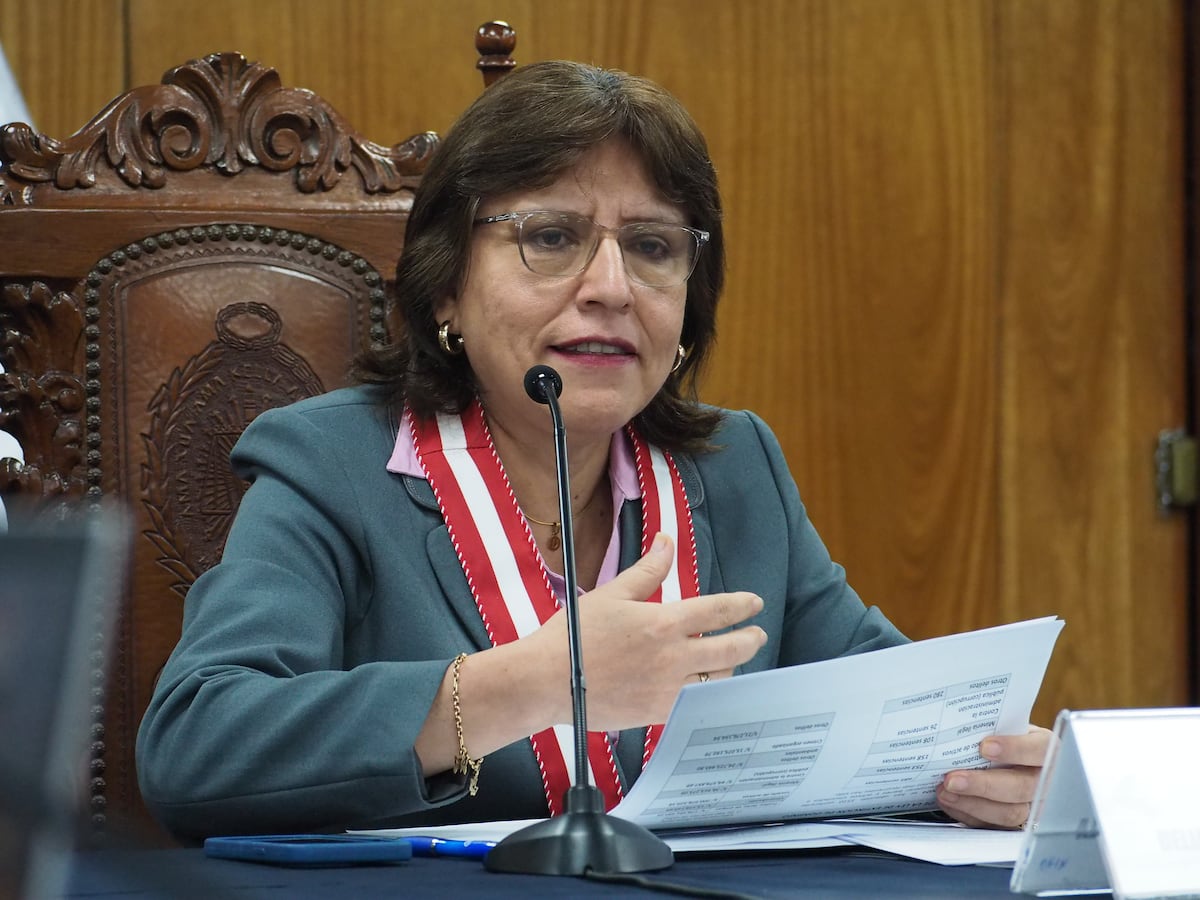
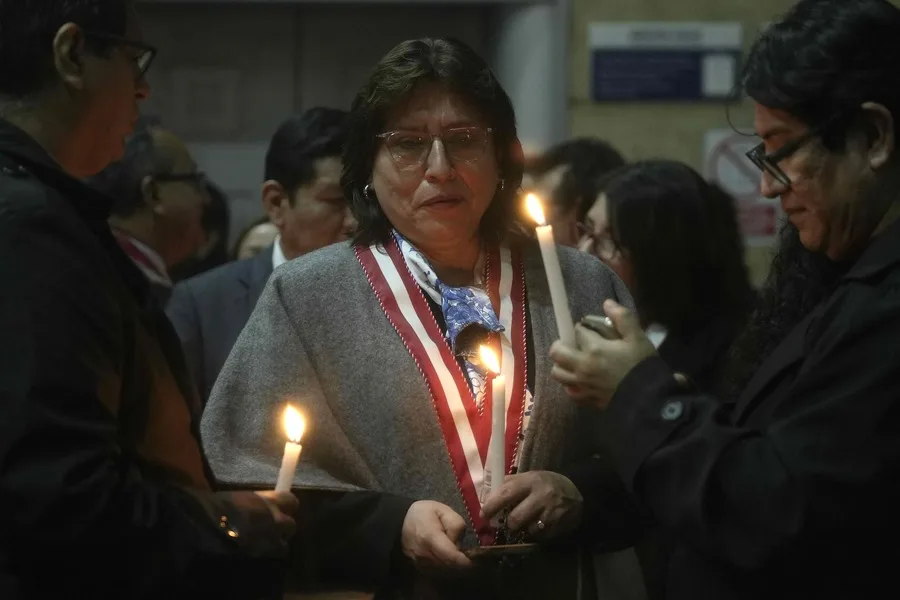
"This is an act of retaliation and pure political persecution." This is how Delia Espinoza, the former prosecutor general responsible for investigating crimes committed by the country's highest officials, described her 10-year ban from public office. The decision was made on December 3, 2025, by Congress, the unicameral parliament dominated by the right. Then, on January 23, Espinoza was dismissed by the National Board of Justice, the body in charge of appointing judges.
In Lima, Espinoza says that she had become a problem for the authorities she was investigating. "More than half the MPs are under investigation for various alleged corruption offenses, ranging from influence peddling to embezzlement or abuse of authority," explained the 59-year-old magistrate. "They wanted to destroy me. But it's also a message to other prosecutors who might be tempted to pursue these investigations: 'This is what awaits you if you don't fall in line.'"
Espinoza's ousting has triggered sharp criticism from independent media, NGOs and international organizations. The United Nations special rapporteur on the independence of judges and lawyers, Margaret Satterthwaite, warned Peru that this decision "poses a direct threat to the integrity and fairness of legal proceedings in the country." By contrast, the president of Congress, Fujimorist Fernando Rospigliosi (right wing and a member of the party named after former authoritarian President Alberto Fujimori, 1990-2000), celebrated on X the recent "downfall" of "caviar" magistrates, a reference to the progressive left.