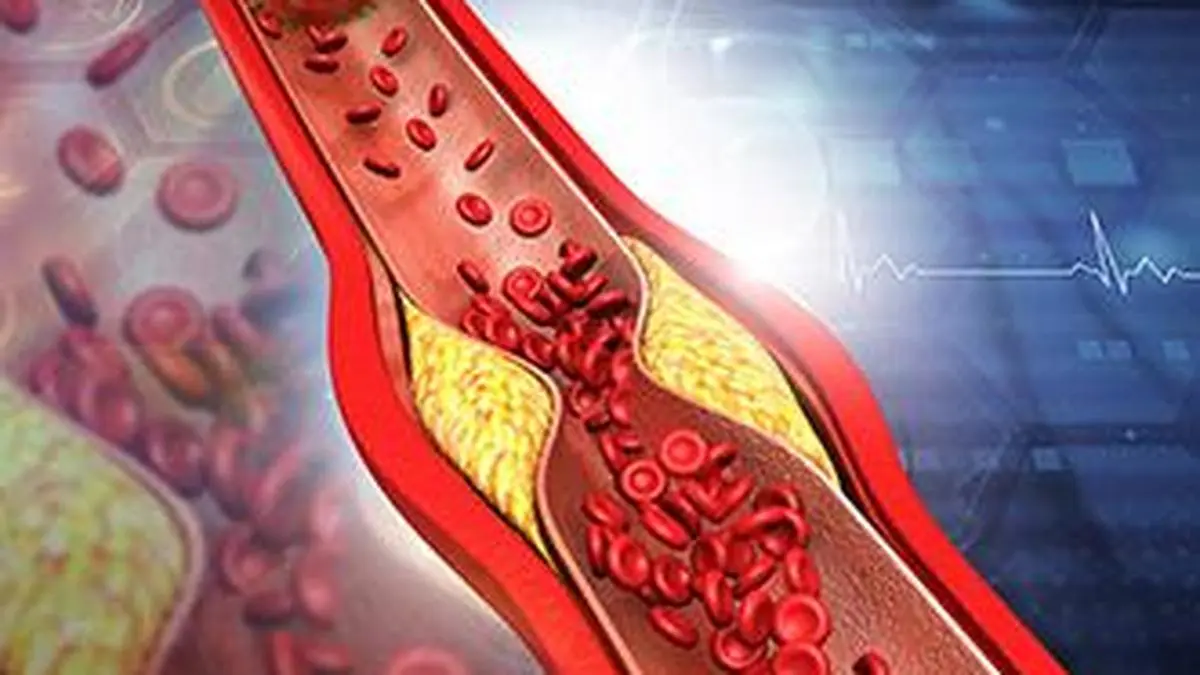
In many of parts of India and other low-and middle-income countries (LMIC), access to timely angioplasty for patients with ST-elevation myocardial infarction (STEMI), a severe type of heart attack caused by a 100% blockage of a coronary artery, remains a challenge due to limited specialised centres and factors such as transport delays and financial constraints.
A new study from the Madras Medical College (MMC) has compared treatment outcomes between two groups of STEMI patients — those who underwent immediate angioplasty (Primary Percutaneous Coronary Intervention or Primary PCI) and those who first received a clot-dissolving treatment (fibrinolysis), followed by angioplasty, within three to 48 hours, a time 24 hours longer than the conventionally recommended window.
The team, led by G. Justin Paul, Professor at the Institute of Cardiology, MMC, found that performing angioplasty up to 48 hours after fibrinolysis — an extended pharmacoinvasive strategy — resulted in clinical outcomes comparable to immediate angioplasty. The findings, they said, supported an extended pharmacoinvasive strategy in resource-limited settings.
The results have been published online in The American Journal of Cardiology in an article titled Extended Pharmacoinvasive PCI Compared to Primary PCI: Insights from Madras Medical College STEMI Registry.