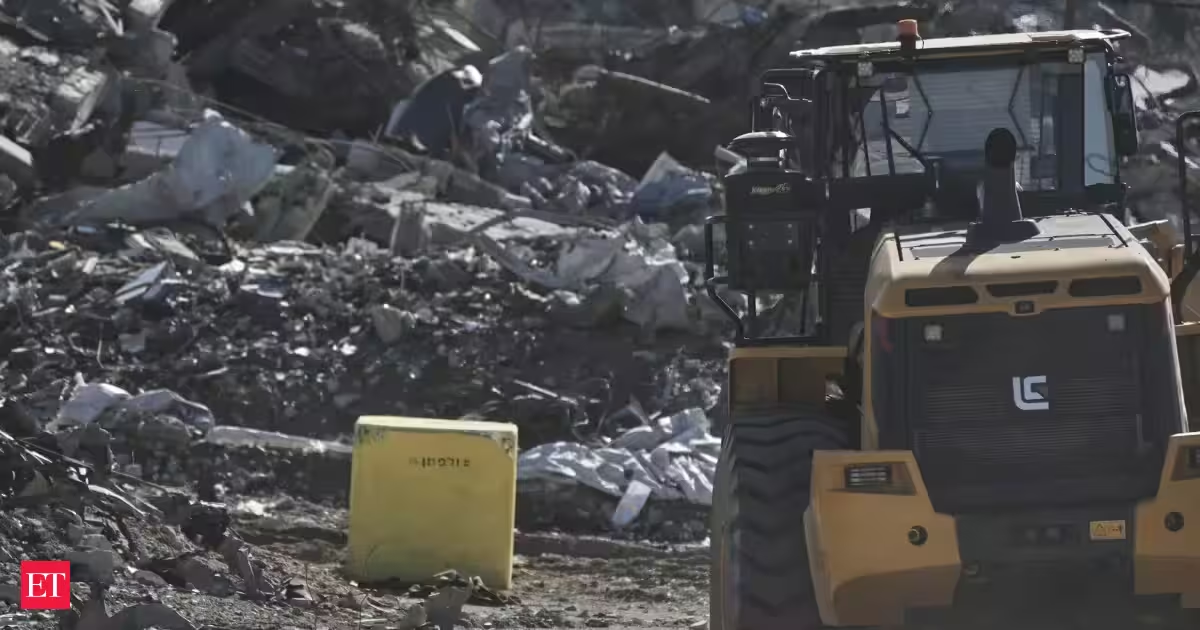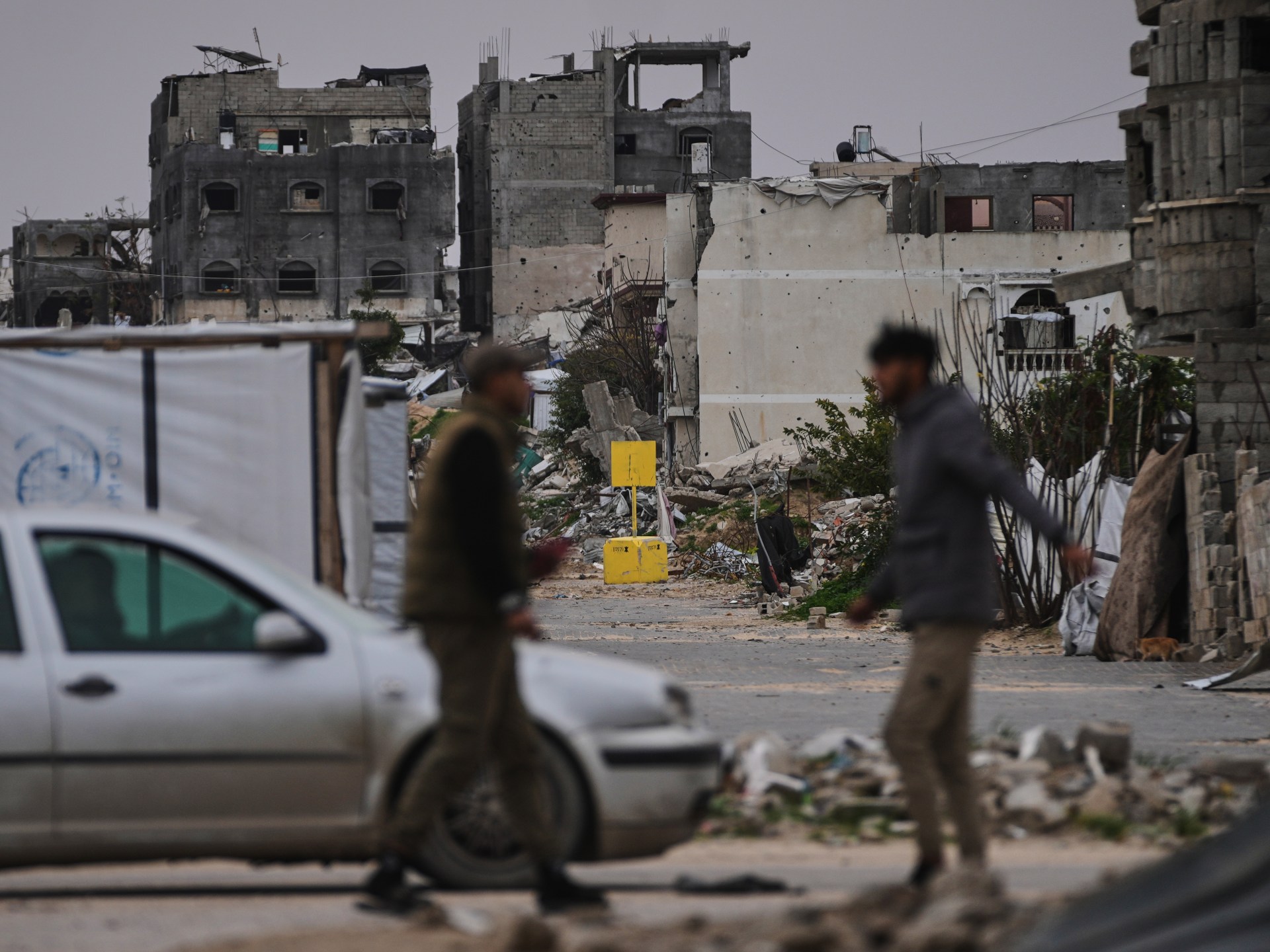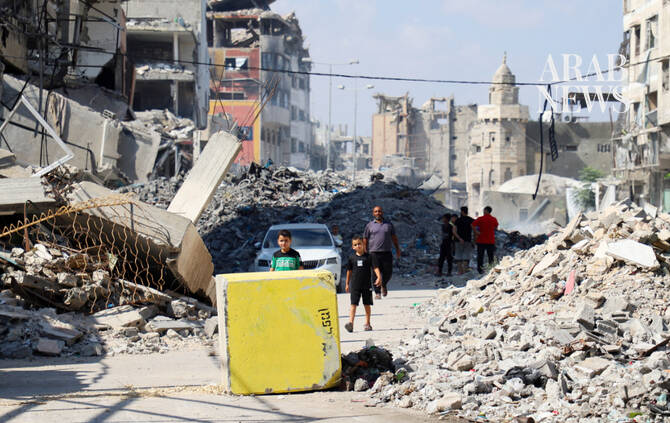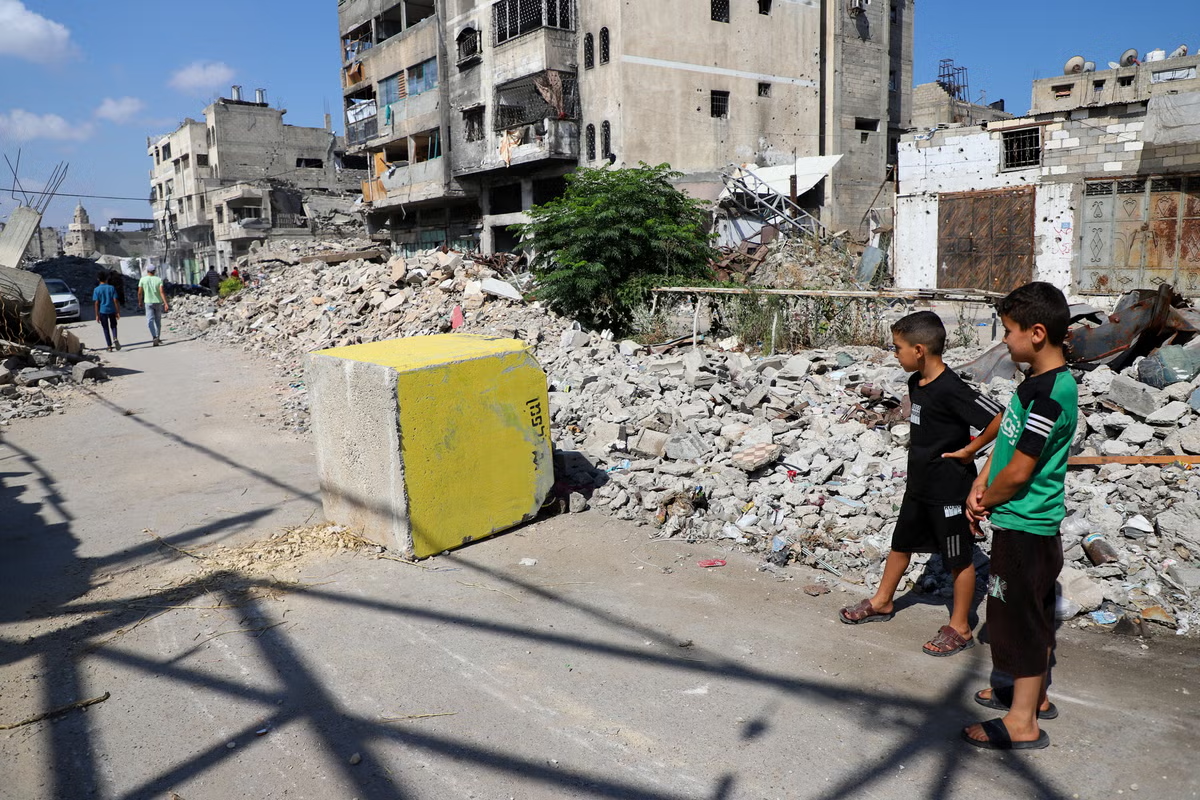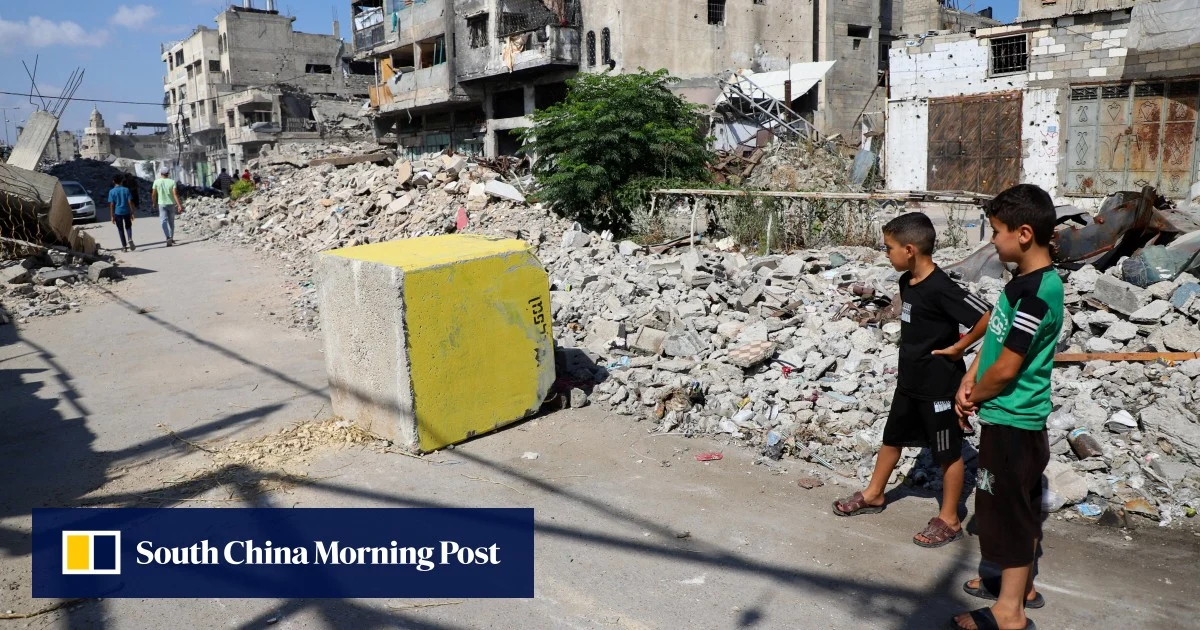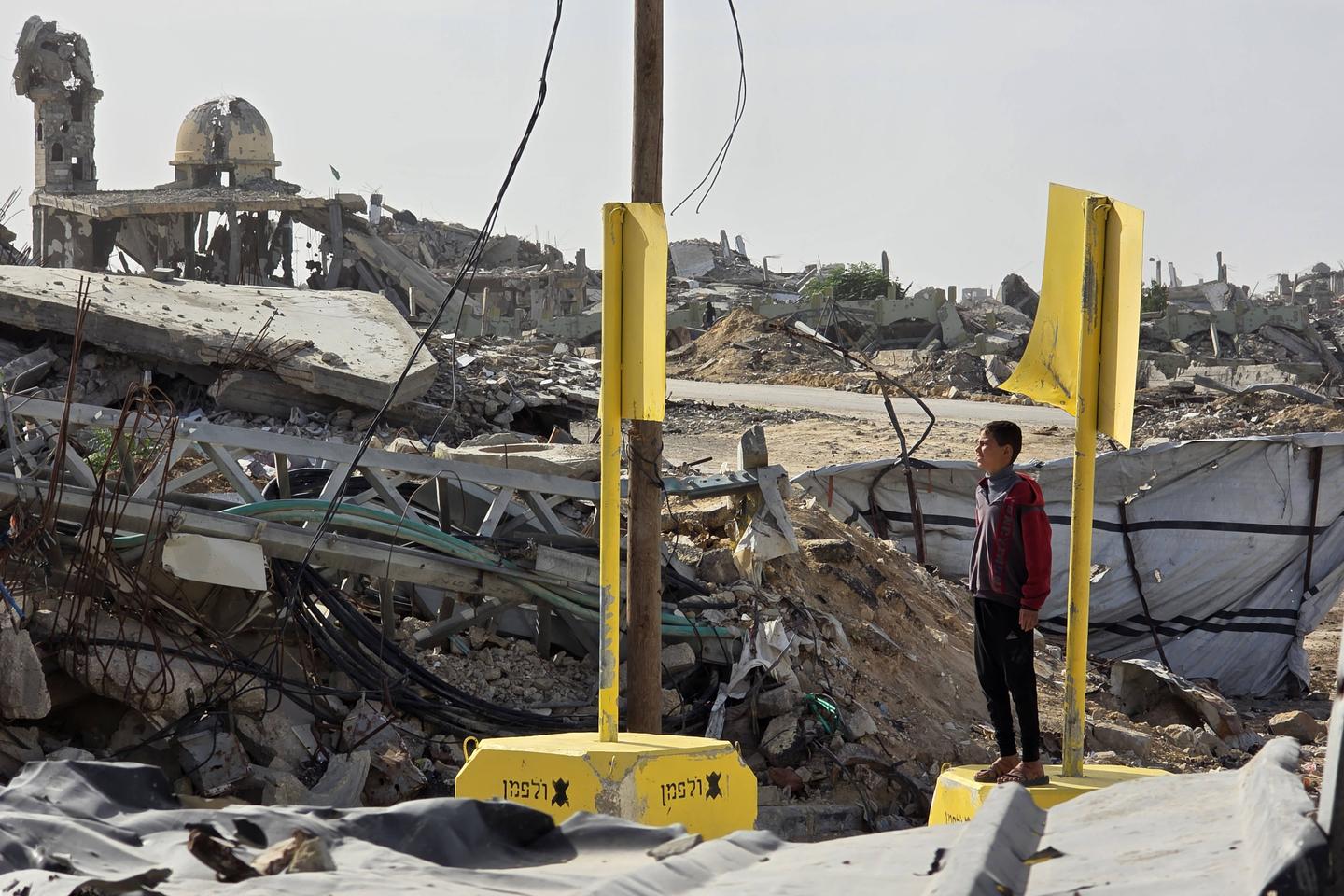
Removable yellow concrete blocks used by the Israeli army to mark the 'yellow line,' showing the temporary zone it has withdrawn to inside the Gaza Strip, in Khan Yunis, in the south of the Palestinian enclave, on December 9, 2025. TARIQ MOHAMMAD APAIMAGES/SIPA
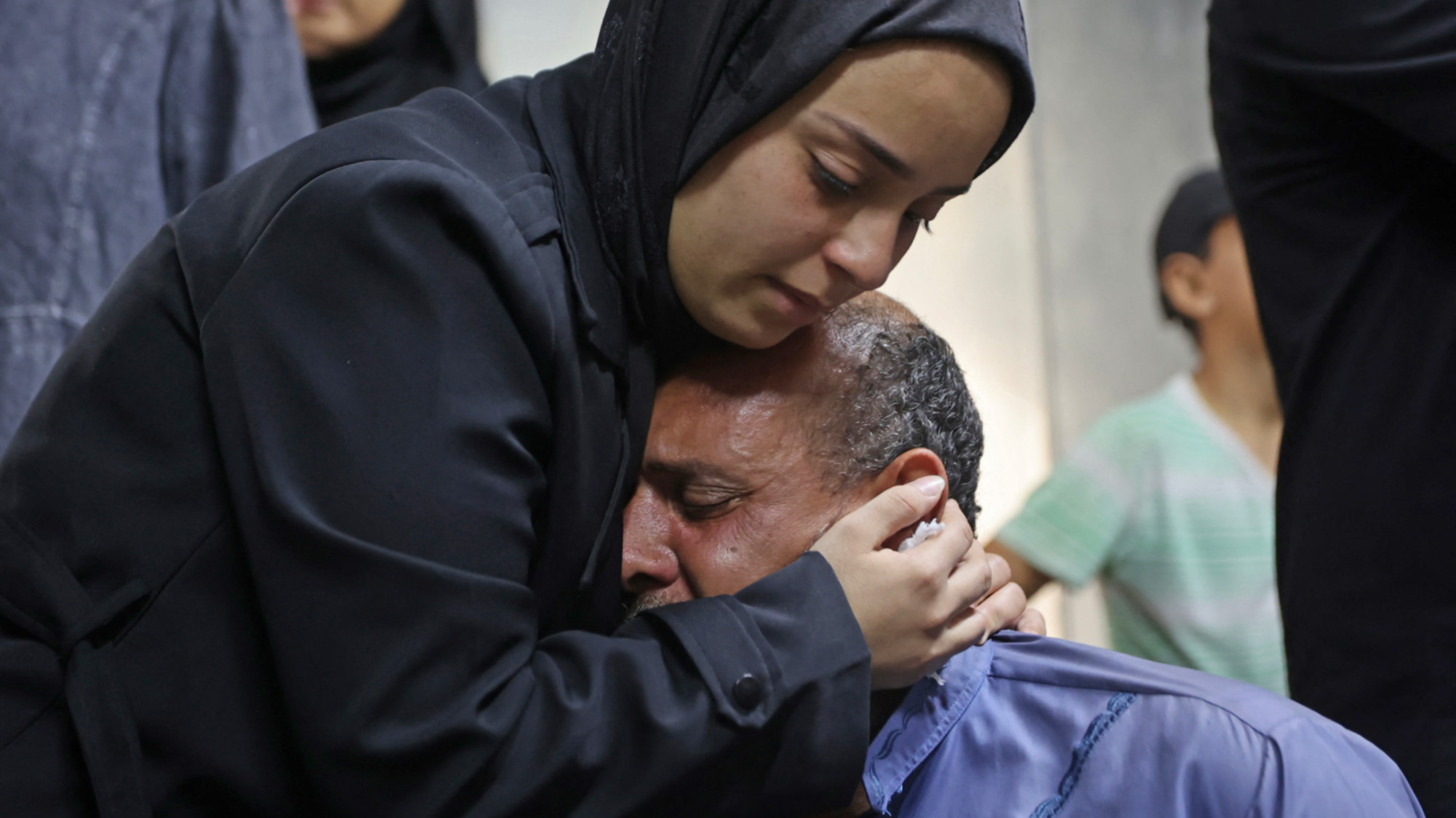
"What will become of the children? Their mother was everything to them." On the phone, Moussa Warshagha, 30 years old, sounded lost. He struggled to find the words, his voice drowned out by the cries of his little son, Ibrahim, two years old, who was calling for his mother. Basma, Warshagha's wife, was killed the previous day, February 22, in front of two of their sons, Ayman, 7, and Nafez, 4, in Beit Lahia, in the northern Gaza Strip.
According to the family's account, the children were walking beside their mother when she was struck in the abdomen by a bullet and collapsed. By the time Warshagha reached Al-Shifa Hospital, where his 27-year-old wife had been taken, it was too late. "Basma's intestines were destroyed because it was an explosive bullet," said the father, who, like all of the witnesses cited in this article, was contacted remotely on account of Israel barring foreign press from entering the Gaza Strip for the past 28 months.