No algorithm, no endless playlists, no podcasts on demand. Just a handful of albums, wired headphones and a lot of silence
I
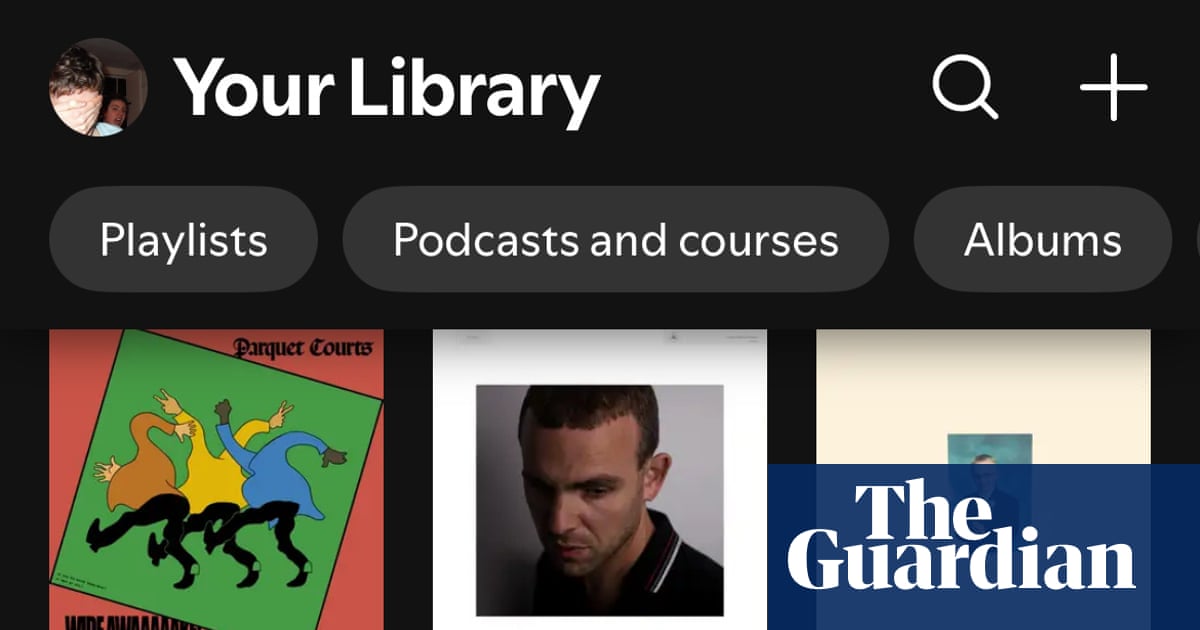
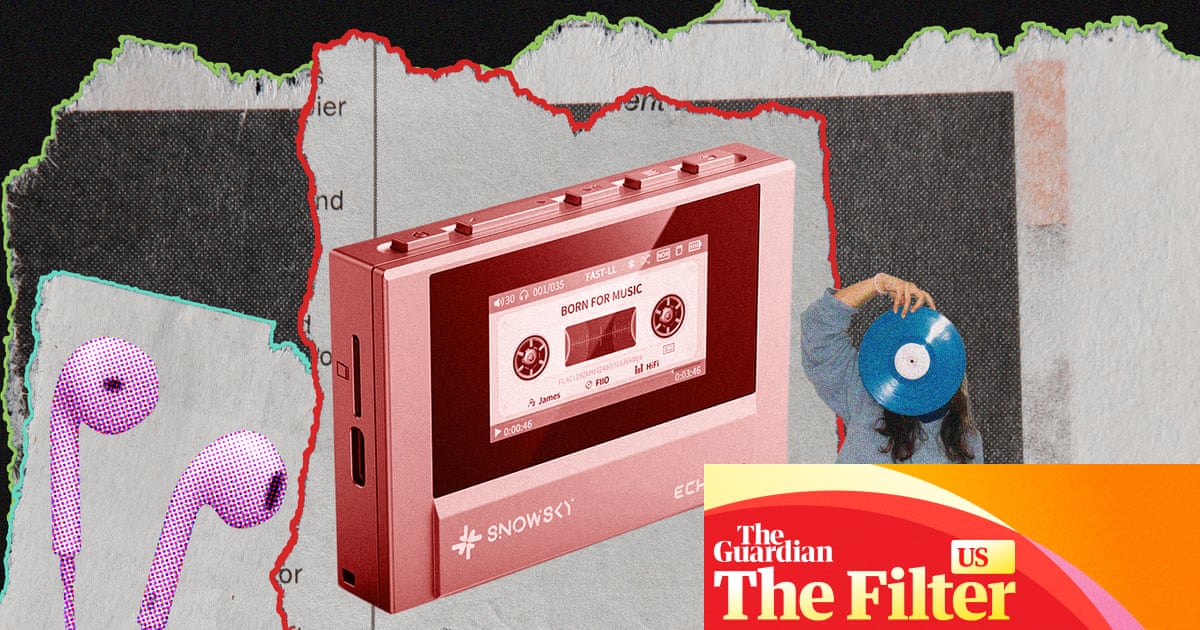
stared at the thing sitting atop my dresser with dread. For an entire week, I was going to use an MP3 player to listen to music. I’d never tried one before. In elementary school, I used various iterations of iPods, and since my Bieber-obsessed tween years, I’ve almost exclusively relied on streaming services for music and podcasts. Thanks to my Spotify Premium subscription, I’ve listened to 64,186 minutes of music in recent years.
Since the company’s debut in the US 15 years ago, Spotify has made listening to music frictionless. The streaming platform possesses roughly 31% of the world’s music subscribers, making it practically interchangeable with the music streaming industry itself. Its powerful algorithm defines how so many of us listen to music (and podcasts and audiobooks), thanks to features like Smart Shuffle, the AI DJ X and the mood-based Daylist all recommending creepily accurate songs based on your listening history. You can also sort playlists by mood (sad boy anthems), micro-genre (indie twang) and most recently, even by BPM.
I was going to say goodbye to all of that. For my fellow gen Z, going analog has lately shifted from a practice reserved for neo-luddites to the mainstream. From the analog bag trend to the resurgence of CDs, people are searching for alternatives to the daily average of six mindless hours many spend staring at their smartphones.