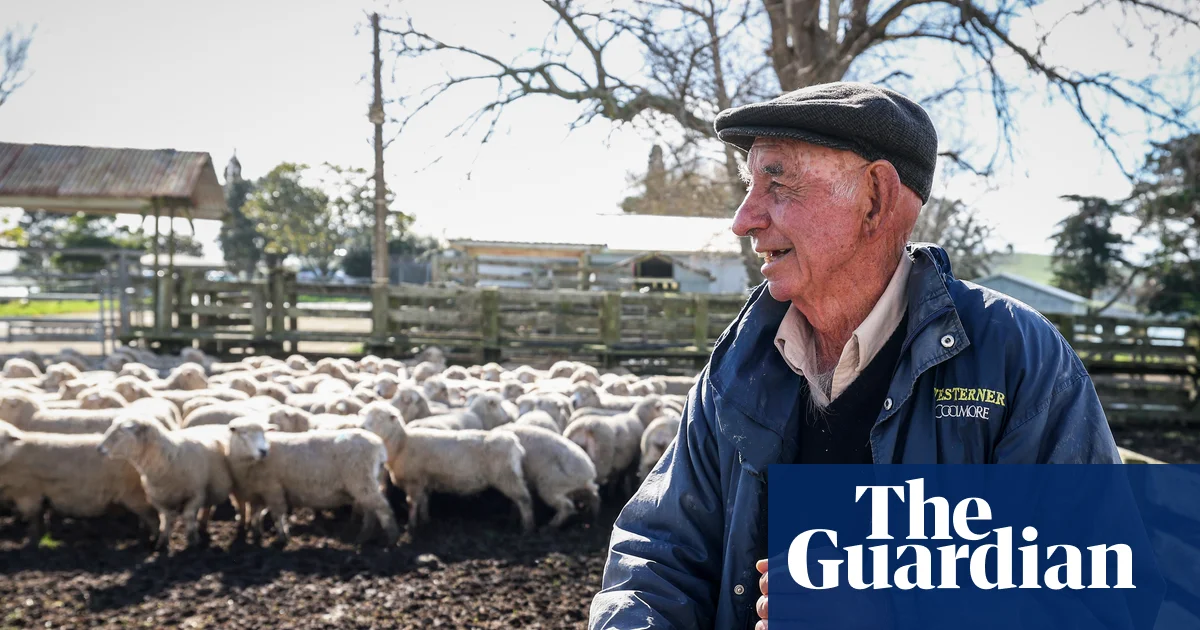
For four generations, Neil Heseltine's family have worked on Hill Top Farm, perched on the hillside of Malhamdale amid the dramatic landscape of the Yorkshire Dales. And for most of that time, sheep were the mainstay of the business.
But, Neil says, over the past 20 years there has been "a complete turnaround" and he has shifted away from sheep farming to stay afloat. In that time the 1,500-acre farm has gone from a peak of over 800 lambing sheep to just 45 this spring.
"I dread to think where the farm would have been financially had we not started to make those changes," he tells me. "I either continued along the sheep-farming route because of sentimentality or made bold decisions."
While most upland farmers still keep sheep on their land, the changes here have been mirrored across not just the Dales but the entire British farming industry. The shepherd's life has never been an easy one, but for many it's getting tougher and more difficult than ever to make a profit.
The average British farmer is 60 years old, according to the National Farmers' Union (NFU), and prices for everything from fuel to fodder have risen hugely for them in recent years. Meanwhile, many farmers are facing significantly reduced income from subsidies and there are worries that recent trade deals will mean increased competition from overseas.