O
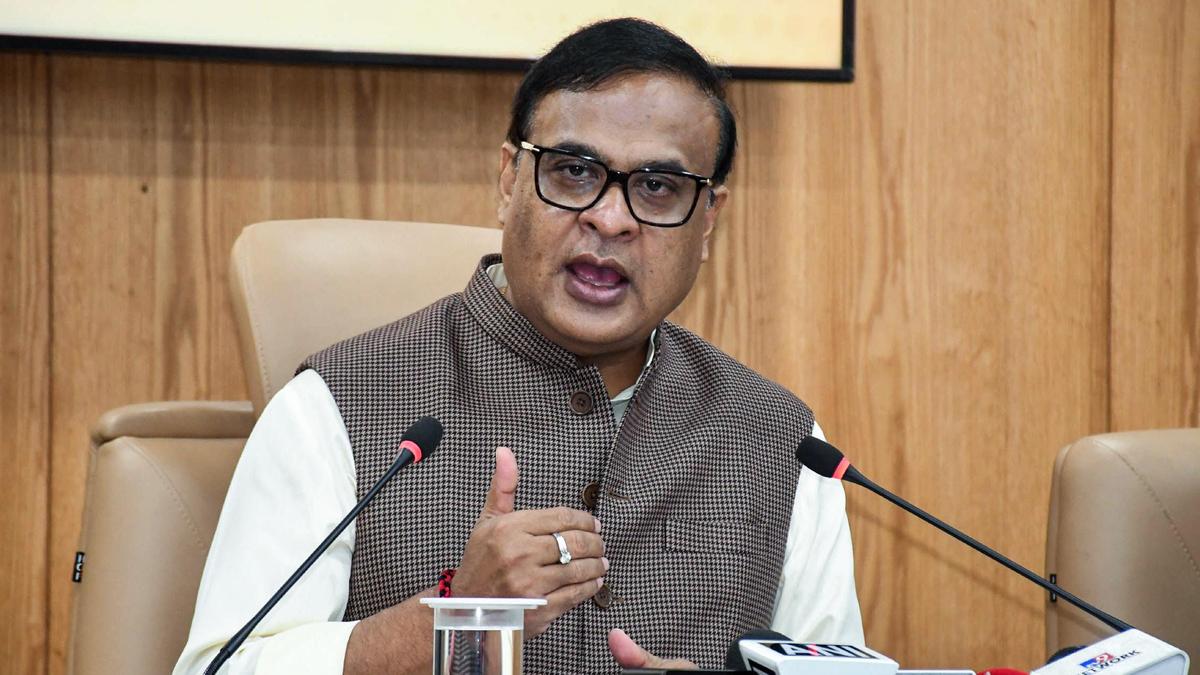
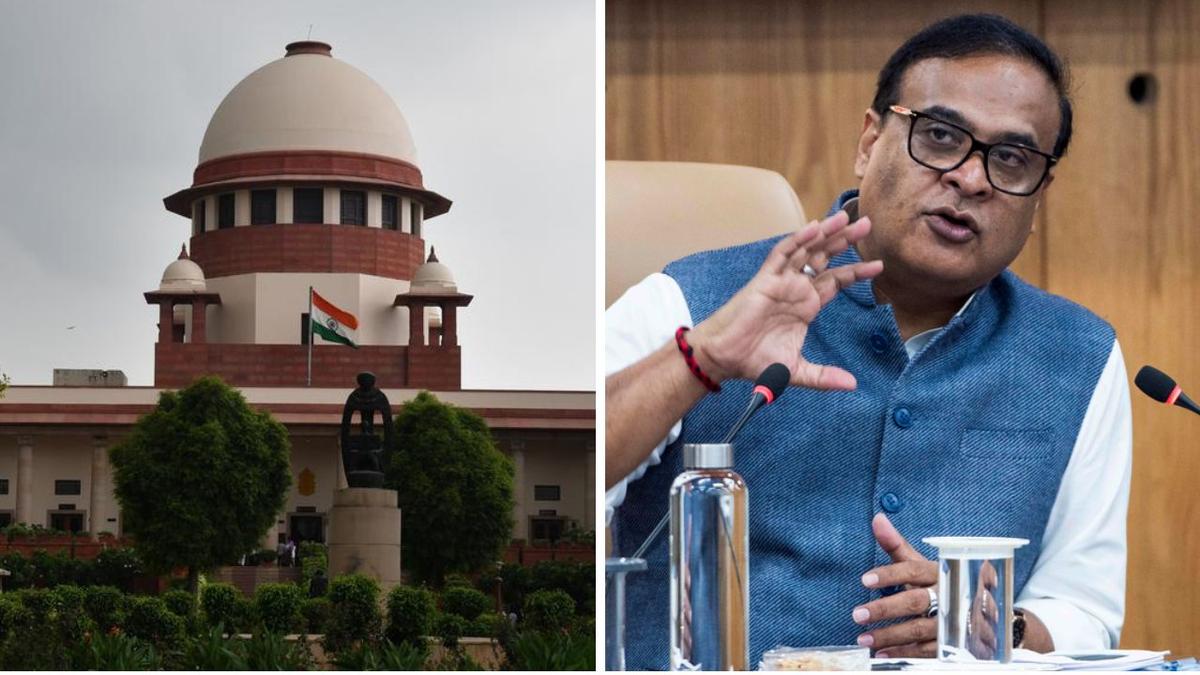
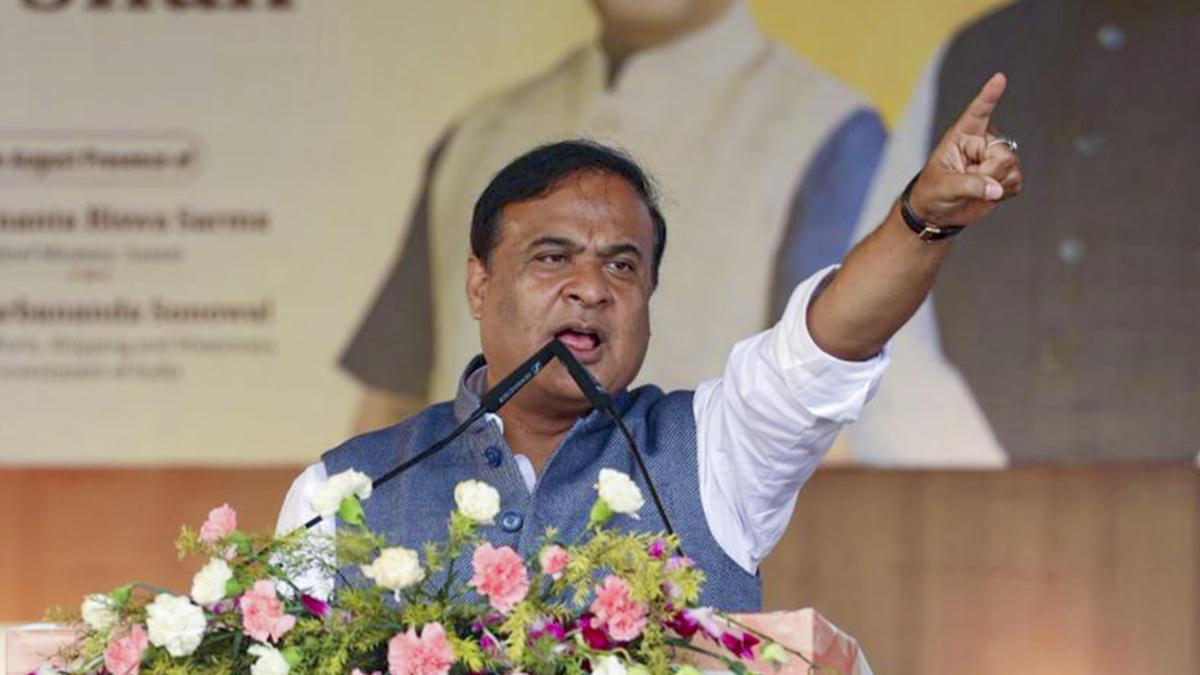
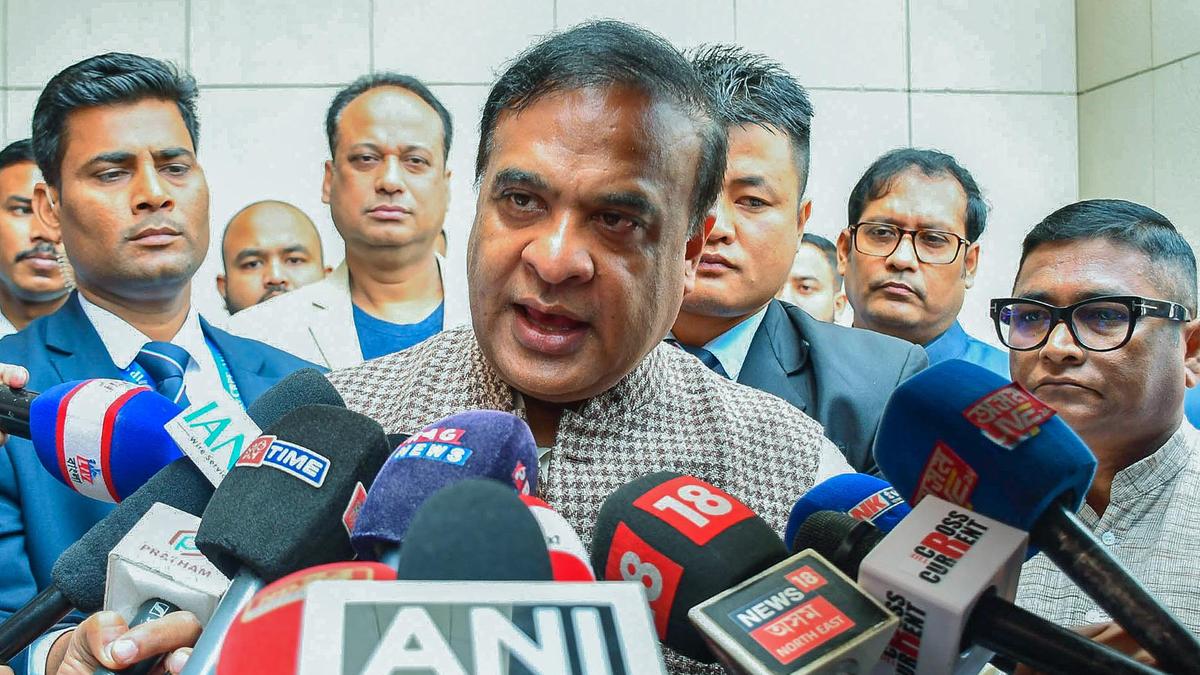
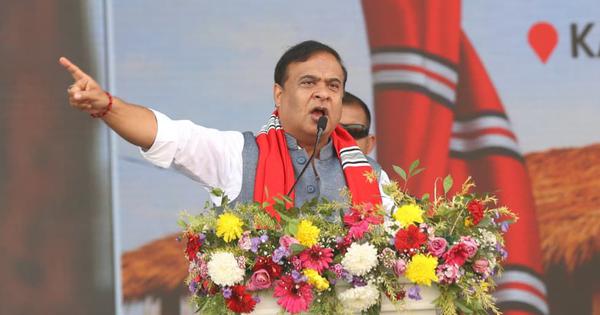
n February 26, 2026, the Gauhati High Court issued notice to Assam Chief Minister Himanta Biswa Sarma after hearing a batch of petitions seeking criminal prosecution against him for alleged communal and divisive speeches. The petitioners had initially approached the Supreme Court (SC) with their complaints but a three-judge Bench headed by Chief Justice of India, Surya Kant, remarked that whenever elections approach, the Court tends to become a political battleground, and consequently directed the petitioners to approach the Gauhati High Court. Earlier in January, another Supreme Court Bench indicated that hate speech matters pending before the Court since 2021 would be closed. The Bench, however, clarified that the parties remained free to pursue other legal remedies, including approaching the High Courts (HCs). Is the Supreme Court doing enough to tackle hate speech? Shahrukh Alam and Haris Beeran debate the question in a discussion moderated by Aaratrika Bhaumik.
Edited excerpts:
What is hate speech, and what makes its criminalisation so difficult in practice?
Shahrukh Alam: Hate speech does not always take the form of explicit incitement to violence. More often, it operates as a prejudicial discourse that marginalises particular communities. This in turn, makes the task of defining hate speech for the purposes of criminalisation inherently difficult. Not every divisive expression can attract penal consequences. The threshold for criminal sanction must be higher. Further, the analysis of hate speech cannot be divorced from questions of power — its harm lies not merely in the content of the speech but in the unequal social hierarchies within which it operates. Hate speech entrenches a democratic deficit because it is typically directed at groups that are already socially or politically vulnerable, thereby reinforcing existing patterns of exclusion.