When we were both 23, one of my best friends had a stroke.
It came for her randomly and recklessly during a holiday break while she was at Duke, thriving in medical school, on the verge of becoming a talented and dedicated physician. She woke up one morning in an ICU with locked-in syndrome, almost completely paralyzed — and remained there for several months.
I’m not going to deliver the inspiration porn that runs rampant in our culture, but I will tell you the truth. This woman’s pre-catastrophe life was so beautiful and full of purpose that she fought like a bat out of hell to get it back: rehab, speech therapy, cool experimental medical tech, more rehab, other types of therapy. I watched it all, feeling both hopeful and helpless.
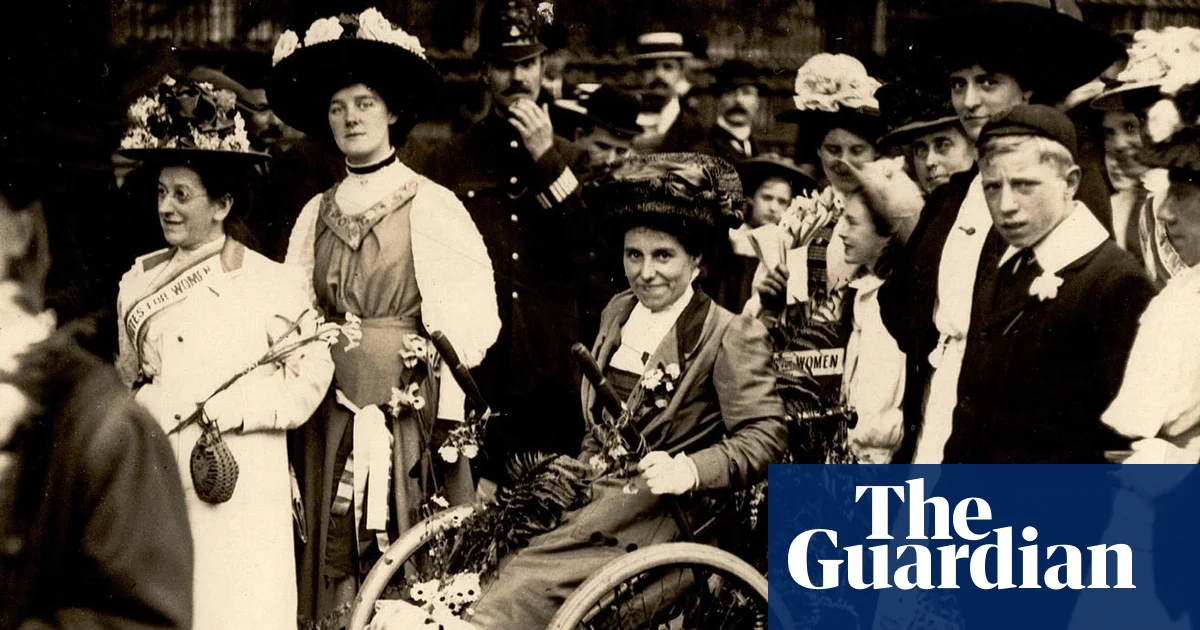
And she did get her life back. It looks different now, abundant in unexpected ways. When she still lacked hand function, she started a blog to tell her story by using glasses that allowed her to control a computer keyboard with her eye movements. Turns out, she was an exceptionally gifted writer. So, in her power wheelchair, she pivoted. Today, over a decade later, she’s finishing up an MFA and her first book.
There’s so much more to this story, but that’s the whole point: the story. Telling our stories gives our lives profound meaning. Owning our narrative is a powerful act of resistance against anything holding us back.