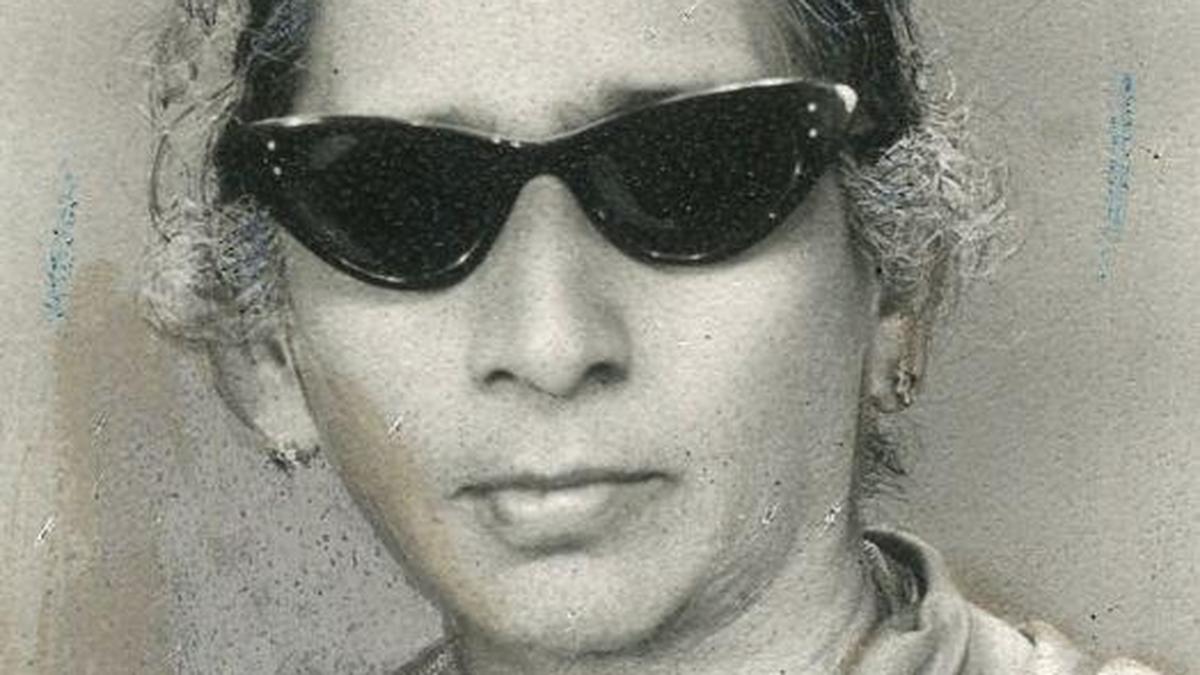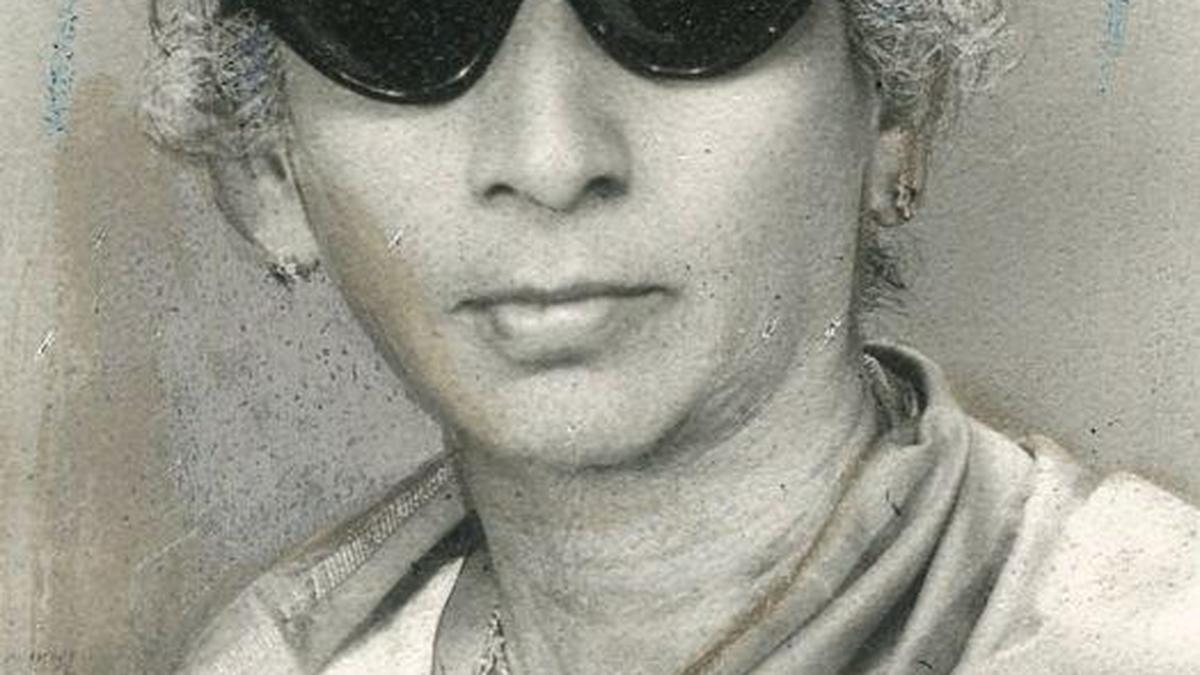
On a December evening in 1933, at the YMCA in Madras, Meenambal Sivaraj rose to speak about untouchability, unemployment, and the future of India’s “backward communities”. She did not soften her words. Caste had to be subordinated. Temple doors had to open. Women had to step into public life. Meenambal Sivaraj was a pioneering figure in the fight for the rights of the Scheduled Castes (SCs) and women’s empowerment. Born on December 12, 1904 in Rangoon, Burma, to V.G. Vasudeva Pillai and Minakshi, she was part of a family that placed great importance on education, service, and leadership. Her father was a prominent SC leader and businessman in Burma. He became the first SC member of the Madras Legislative Council. This was said to have a profound impact on Meenambal’s world-view and social consciousness. Educated in her grandfather’s school in Rangoon, Meenambal became fluent in English, Tamil, Telugu, and Hindi. In 1917, she graduated from the Rangoon College of Fine Arts. Her upbringing in an intellectual and progressive environment prepared her for the many challenges she would face in her own life.
In 1918, Meenambal married Sivaraj, a law graduate from Madras and a vocal advocate for SC rights. Sivaraj’s involvement in politics and social reform greatly influenced Meenambal. In the book Trailblazers: The First Women of South India, author Nivedita Louis wrote that as her husband became more involved in politics and social movements, “she too began to engage with the issues affecting the Dalit community”.