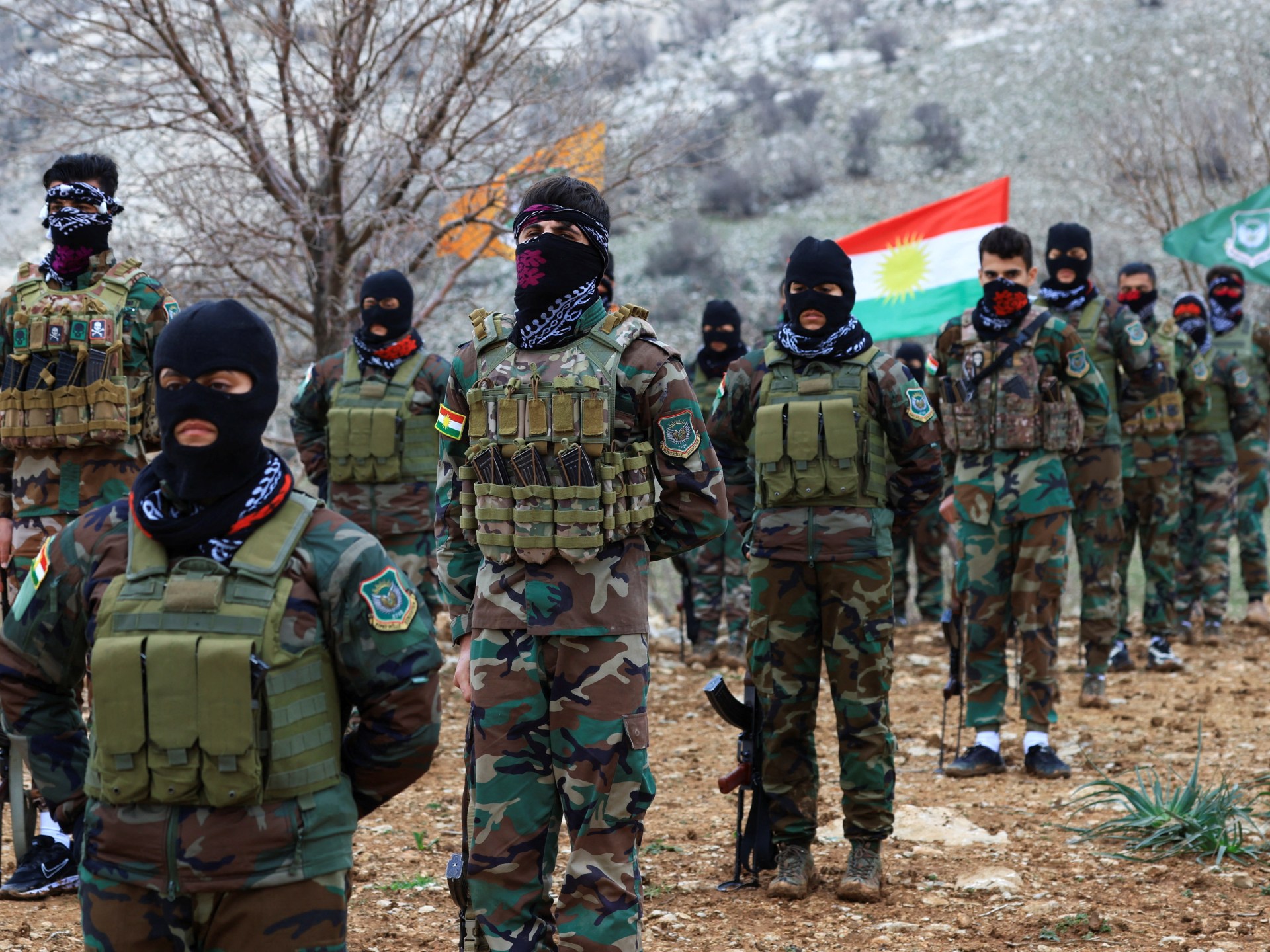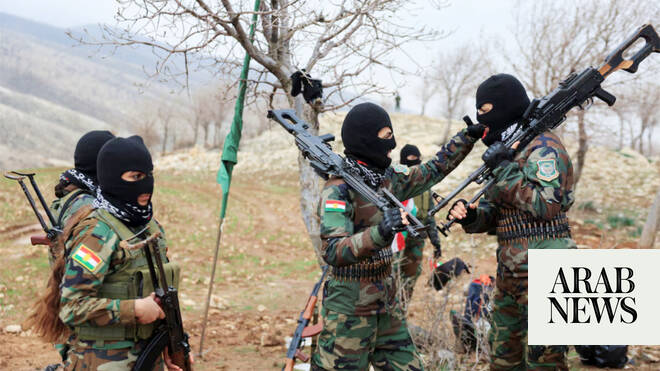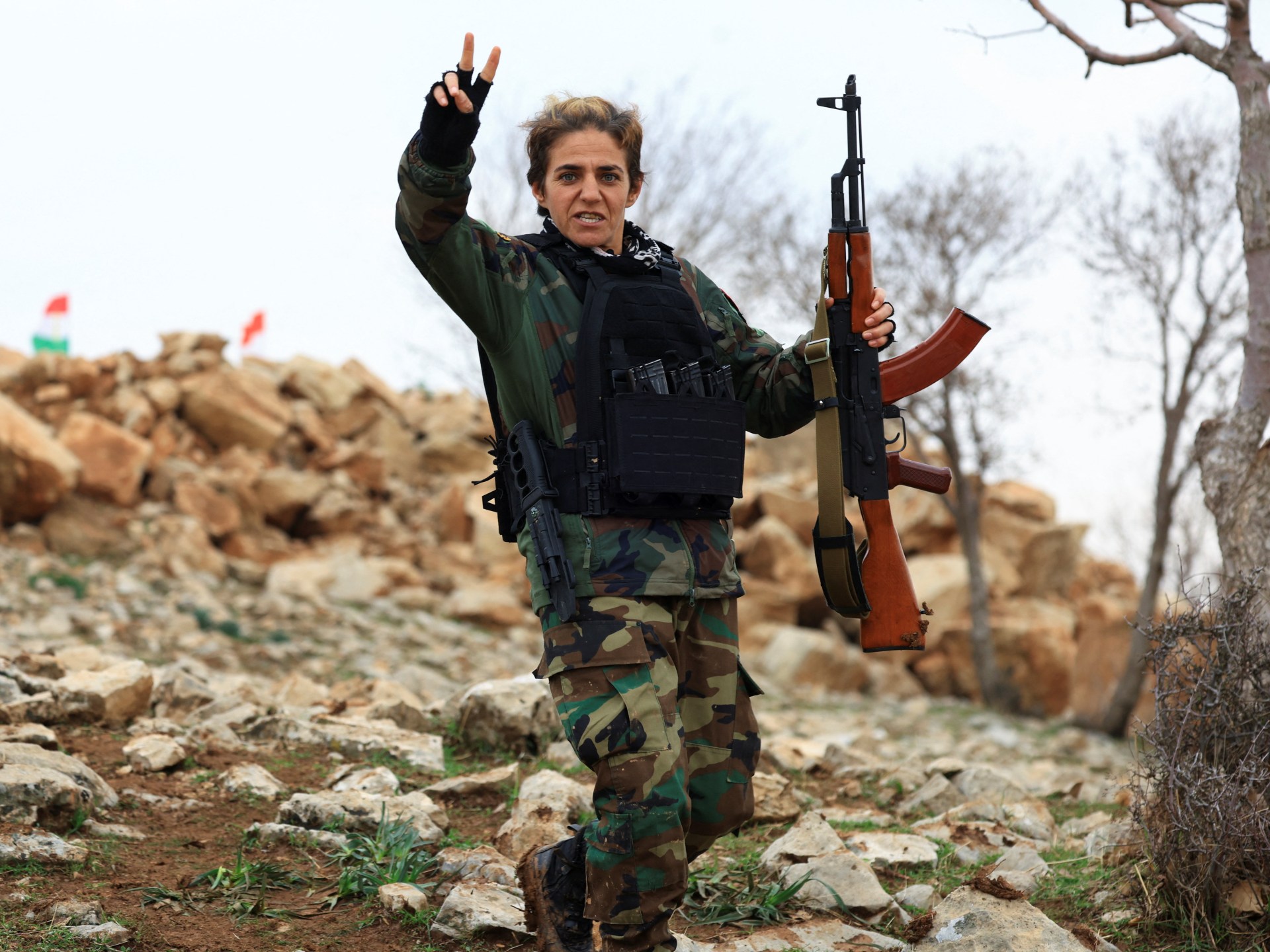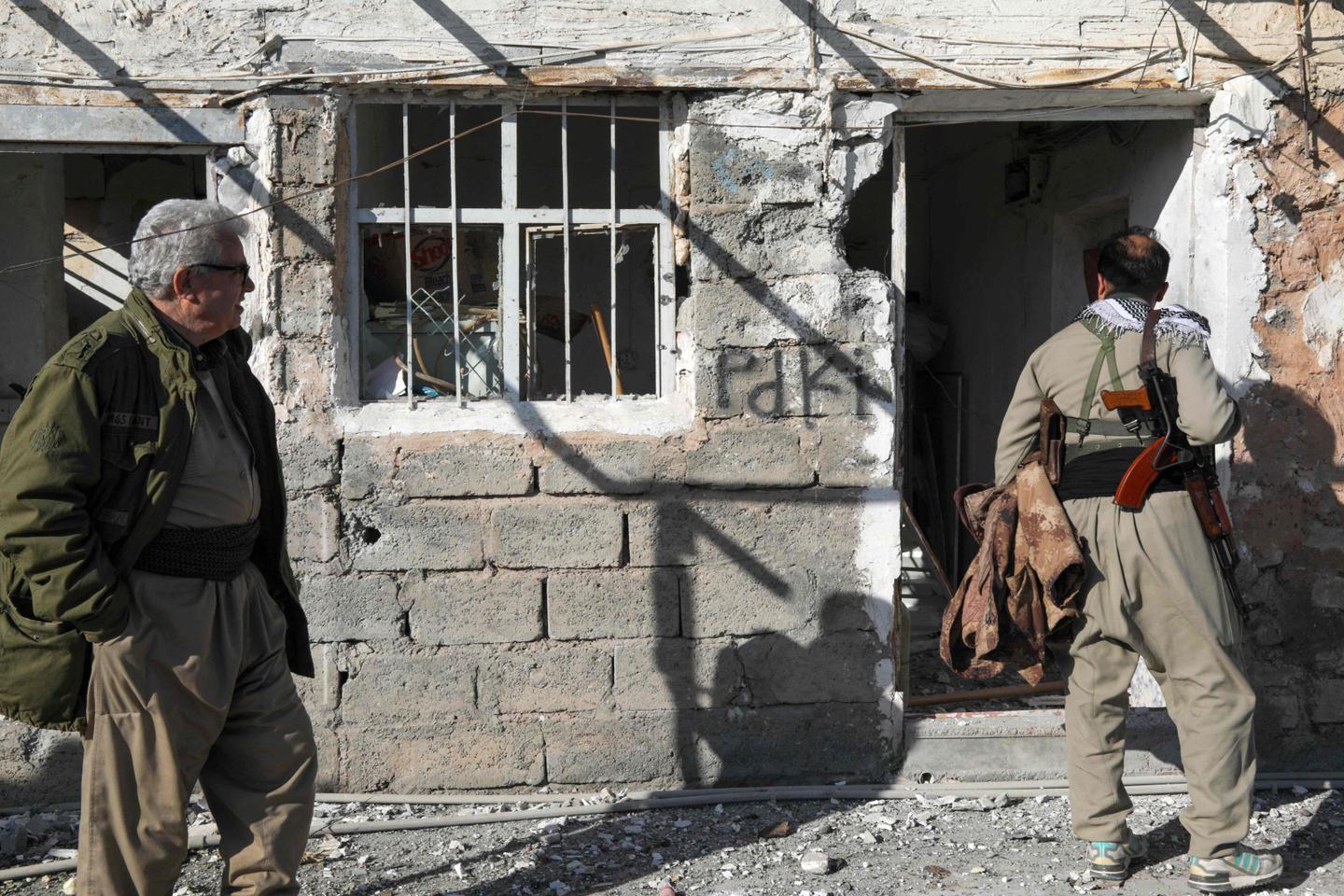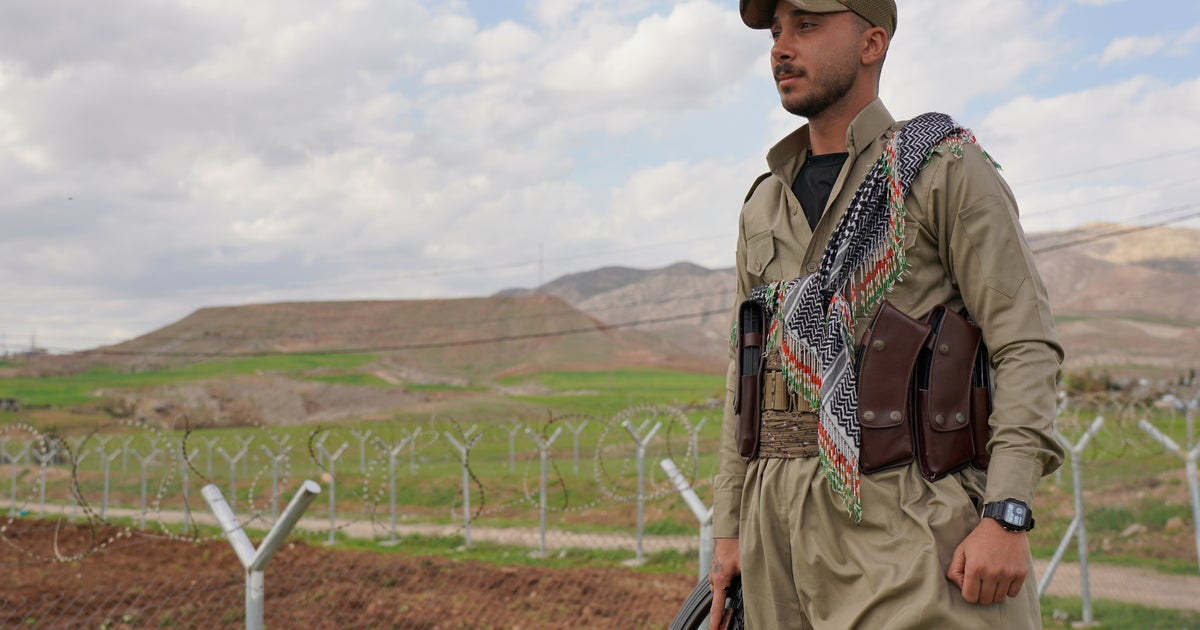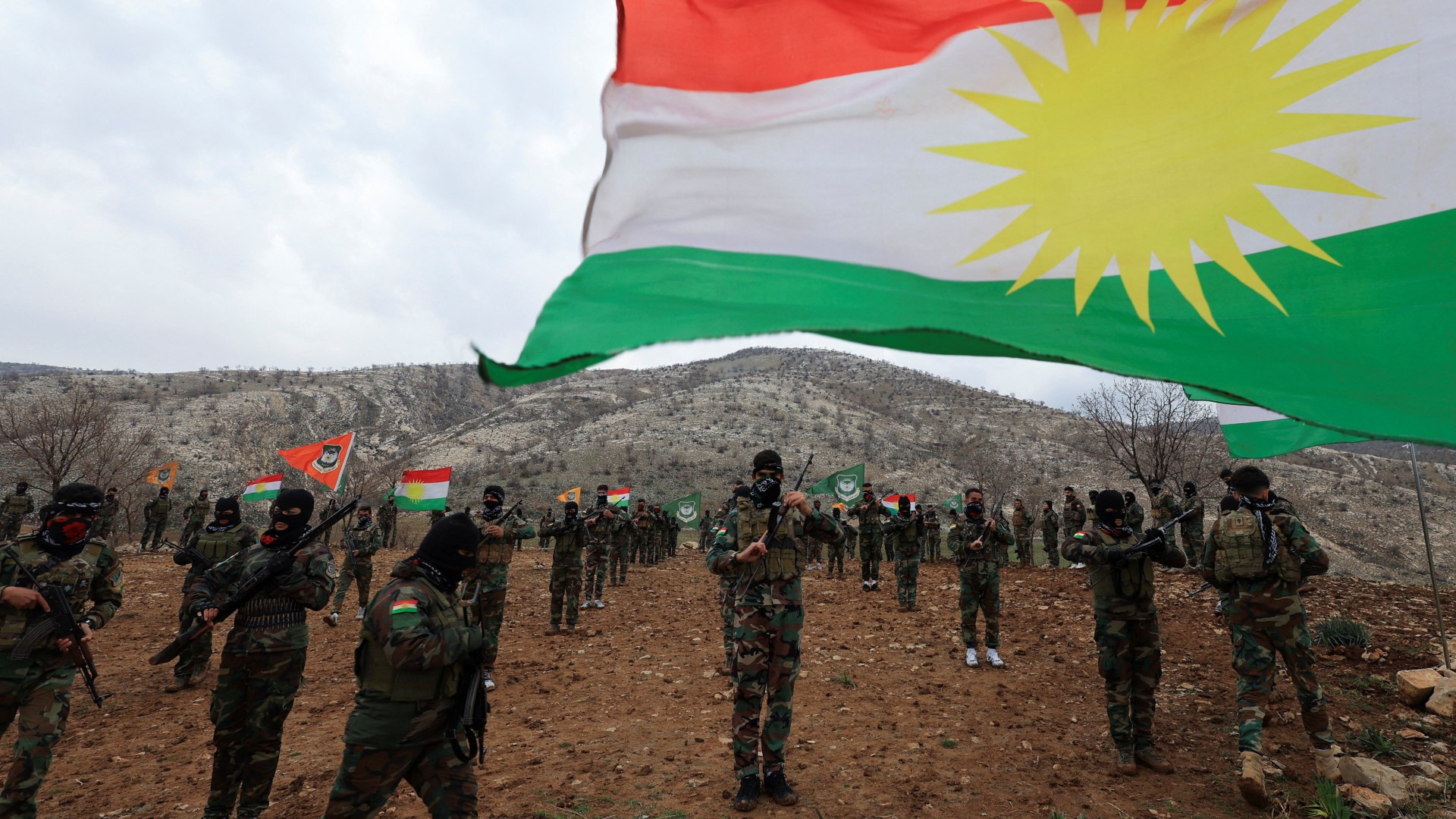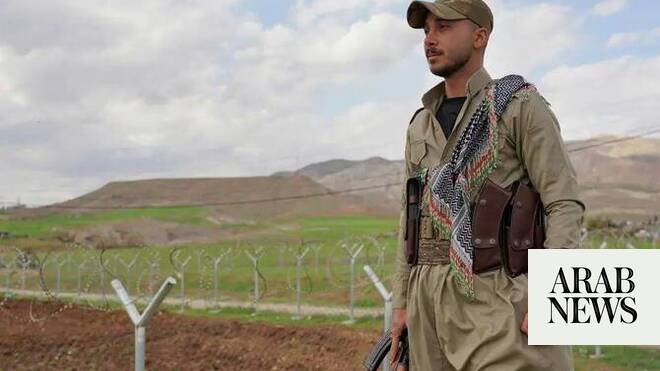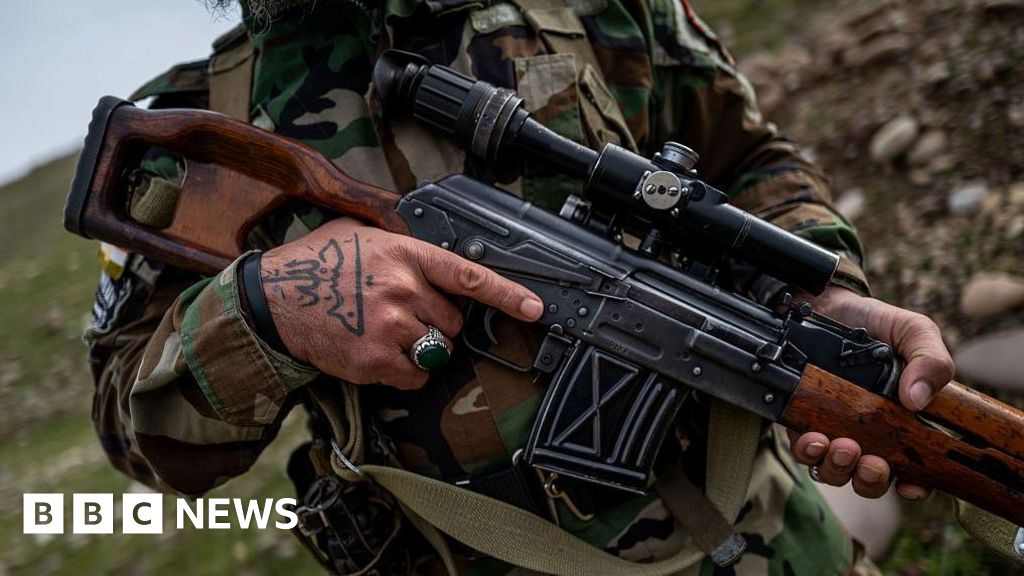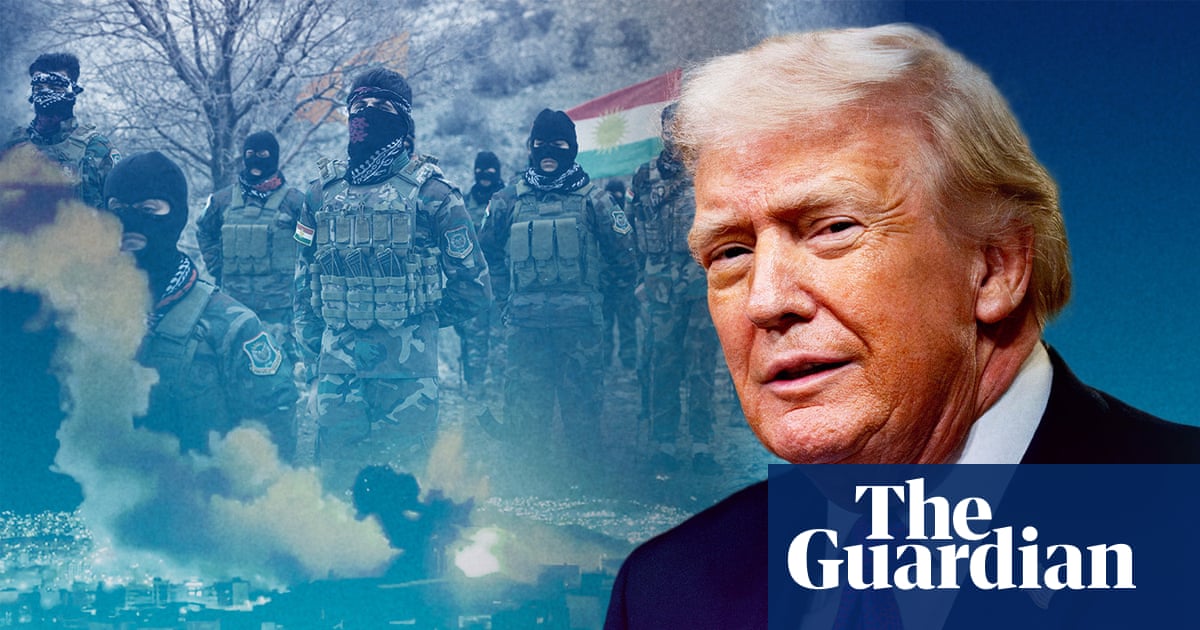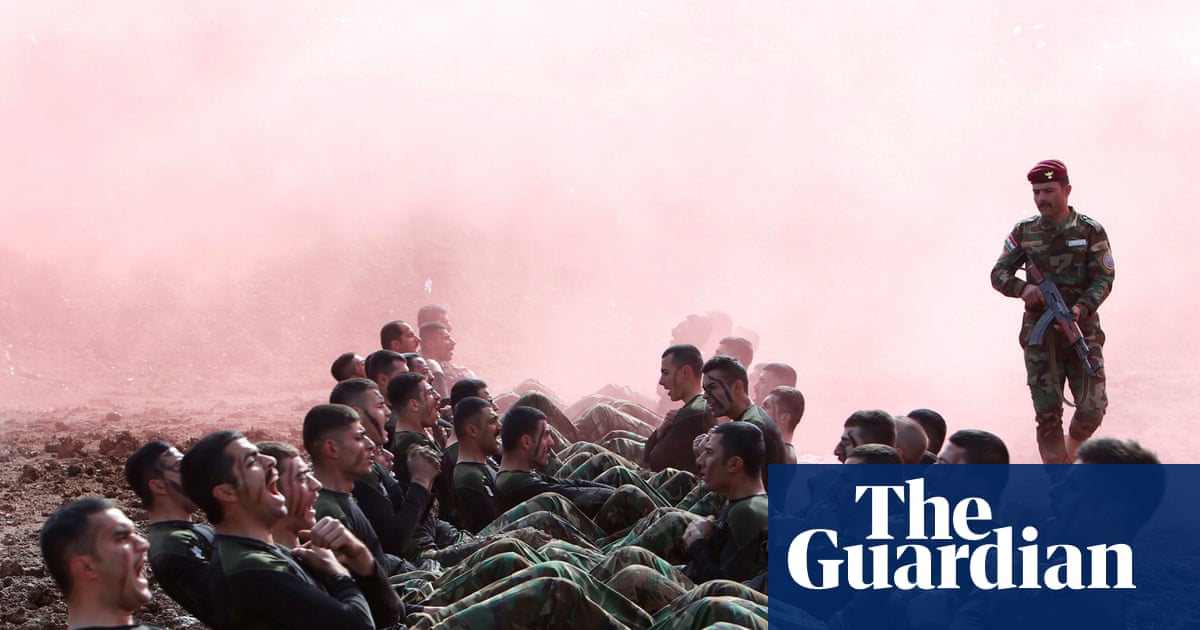
A nationless ethnic group of more than 30 million people, their homegrown militia has a reputation as an effective fighting force
The Kurds are one of the biggest ethnic groups in the world without their own nation. Numbering between 30 and 40 million worldwide, most live amid the peaks and valleys straddling the borders of Armenia, Iraq, Iran, Syria and Turkey.
The Kurds link their history to that of the Medes, an ancient Middle Eastern people. They were left stateless a century ago when the borders of the modern Middle East emerged from the collapsing Ottoman empire. Repeatedly caught in the bloody political competition of a volatile region and often forced to rely on their homegrown militia, the peshmerga, for defence, the Kurds say their tough and often bloody history has taught them that they have “no friends but the mountains”.
Despite significant diversity, the Kurds have their own distinct culture, with a language related to Persian that has many dialects, music, cuisine and identity. Their nationalism has its roots in the late 19th century but dreams of a homeland have been repeatedly dashed, and promises made across a century or more by imperial powers such as Britain and then the US to support their national ambitions have gone unfulfilled. Most are Sunni Muslim but there are significant religious minorities.