A
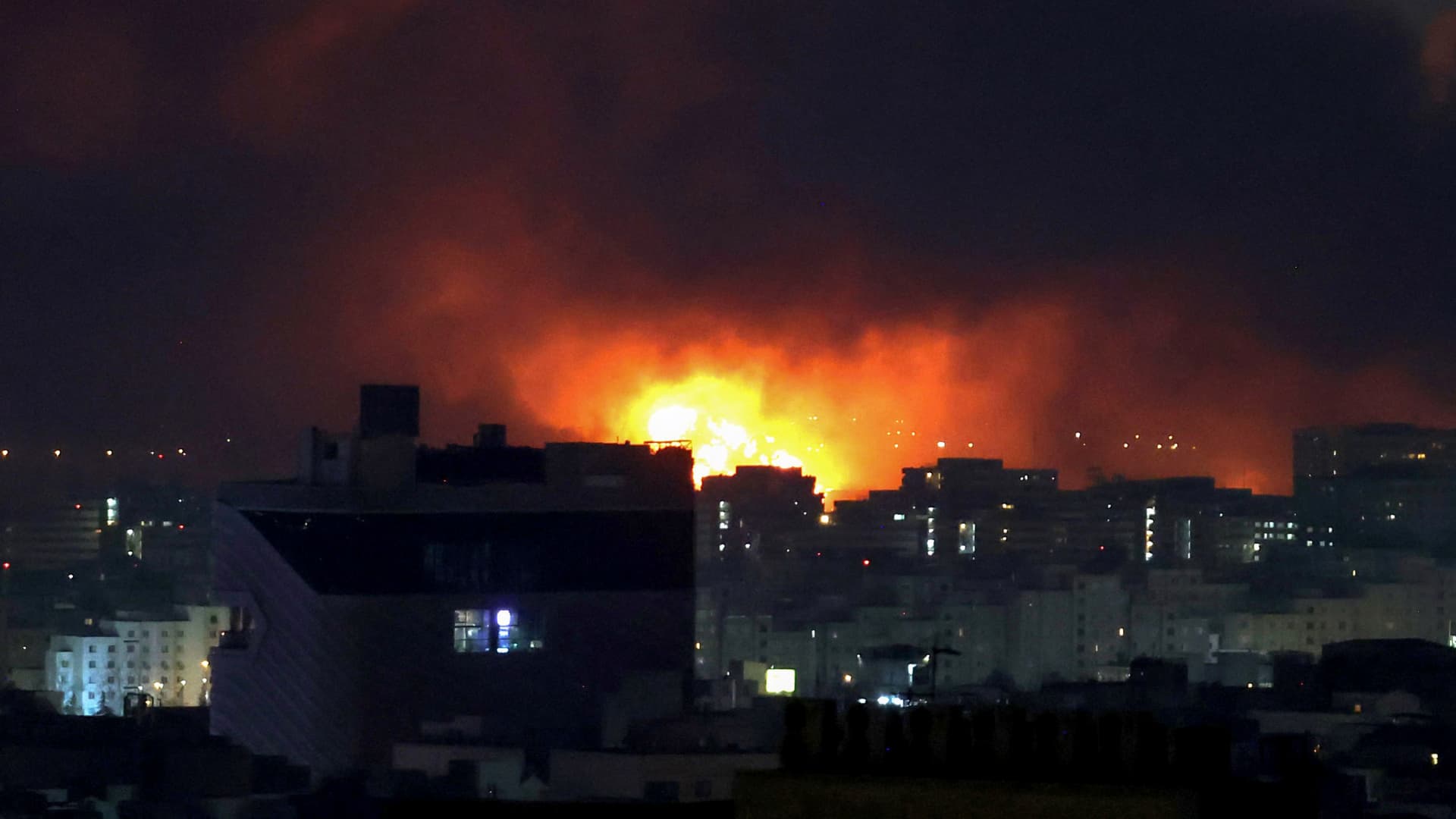
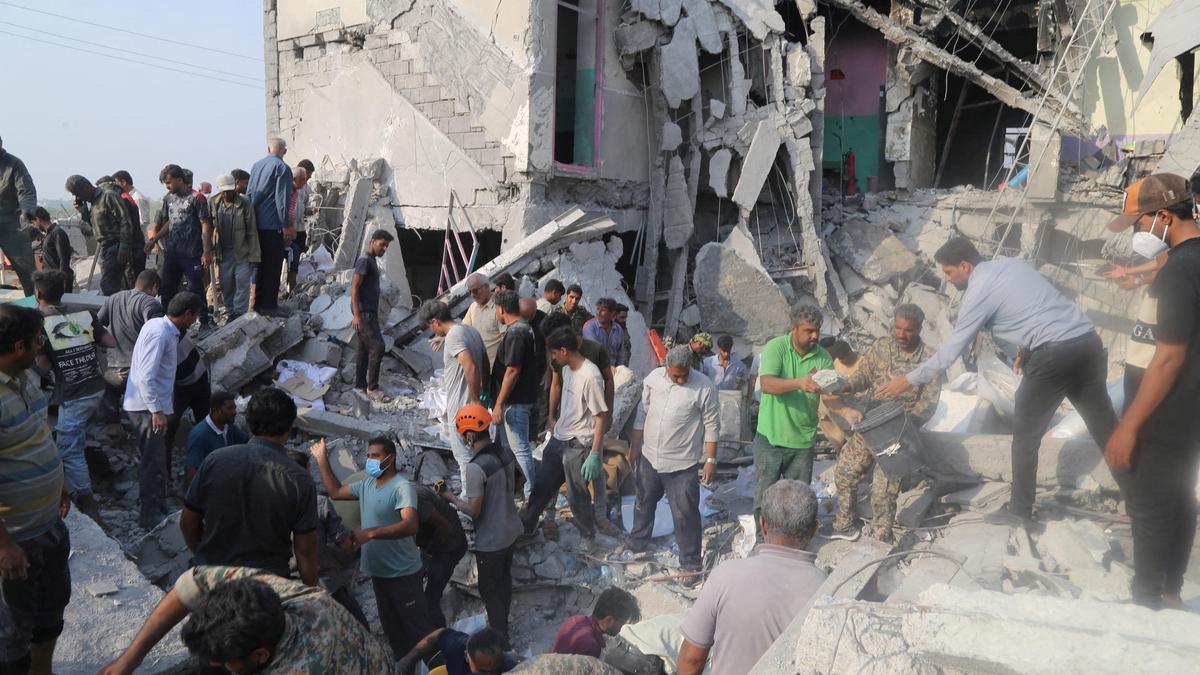
s the U.S. and Israel launched coordinated strikes across Iran, reports have surfaced that a missile had hit a girls’ primary school in the southern city of Minab, killing around 150 people and injuring nearly 100. Many of the victims are believed to be schoolchildren. UNESCO has condemned this as a grave violation of International Humanitarian Law (IHL), or the ‘laws of war’, which is designed to limit the human suffering caused during ‘armed conflict’ by imposing restrictions on the ‘means’ and ‘methods’ of warfare. Attacks on civilian objects such as schools and hospitals, and on civilians, especially children, are prohibited under IHL.
Legal justification
On February 28, Israel and the U.S. launched strikes on Iran, framing the operation as a ‘pre-emptive’ response to what they described as an imminent threat. Importantly, the UN Charter was created in 1945 following the devastation of World War II to save future generations from the “scourge of war” and maintain international peace and security. Article 2(4) of the UN Charter prohibits all member states from threatening or using force against the ‘territorial integrity’ or ‘political independence’ of another state. Under the Charter, only the UN Security Council may authorise the ‘use of force’ against a member state in response to breaches of international peace. The sole exception is Article 51, which permits the ‘use of force’ in self-defence, but only in response to an actual armed attack.