Israel’s role in drawing the US into a war on Iran is attracting healthy scrutiny. It’s also creating a permission structure for antisemitism
T
he joint US-Israel military strikes on Iran have forced a reckoning that American political culture has been approaching for years, but has perhaps never had to face as head-on as it does right now. It is a reckoning that contains two urgent, legitimate, and partially contradictory imperatives – and neither should be abandoned.
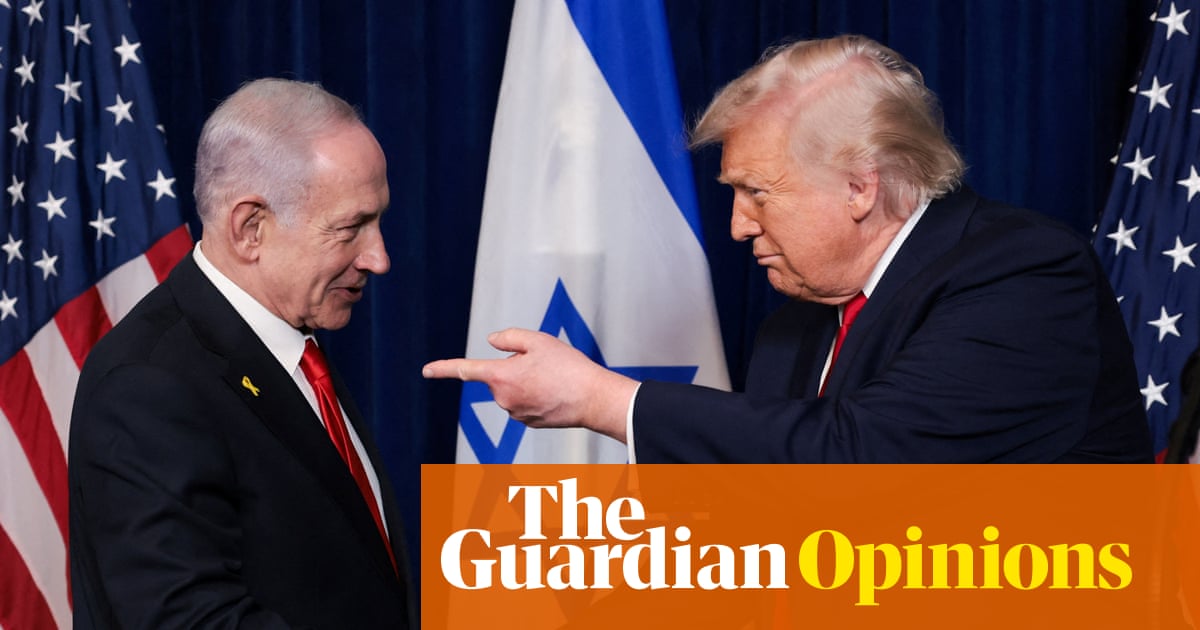
Let us start with one simple truth. Israel’s role in drawing the United States into military action against Iran warrants serious scrutiny. Whatever one believes about the strategic logic of the strikes, the process by which the United States came to participate in them raises profound questions about the relationship between the two countries. The US secretary of state, Marco Rubio, has claimed that the US struck Iran partly because it knew Israel was going to act unilaterally and feared the blowback. In other words, Israeli strategic priorities shaped American military timing, and by extension, American casualties.
This does not mean, as some politicians have suggested, that Israel forced the US to do something it did not already want to do. The Israeli government does not have that power over the world’s most powerful military. Nonetheless, the degree to which intelligence-sharing, lobbying pressure, and the assumption of aligned interests drove US decision-making must be considered. They are exactly the kinds of questions that democratic oversight of military action demands. Only 21% of Americans supported strikes on Iran before they began. The public deserves a fuller accounting of how we got here.