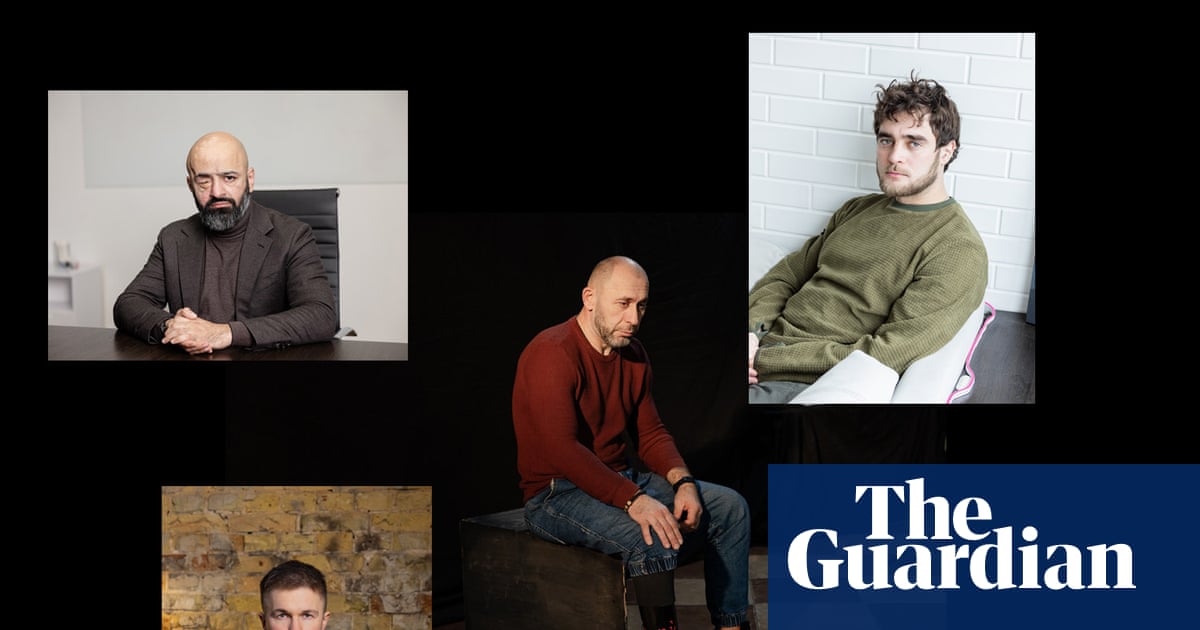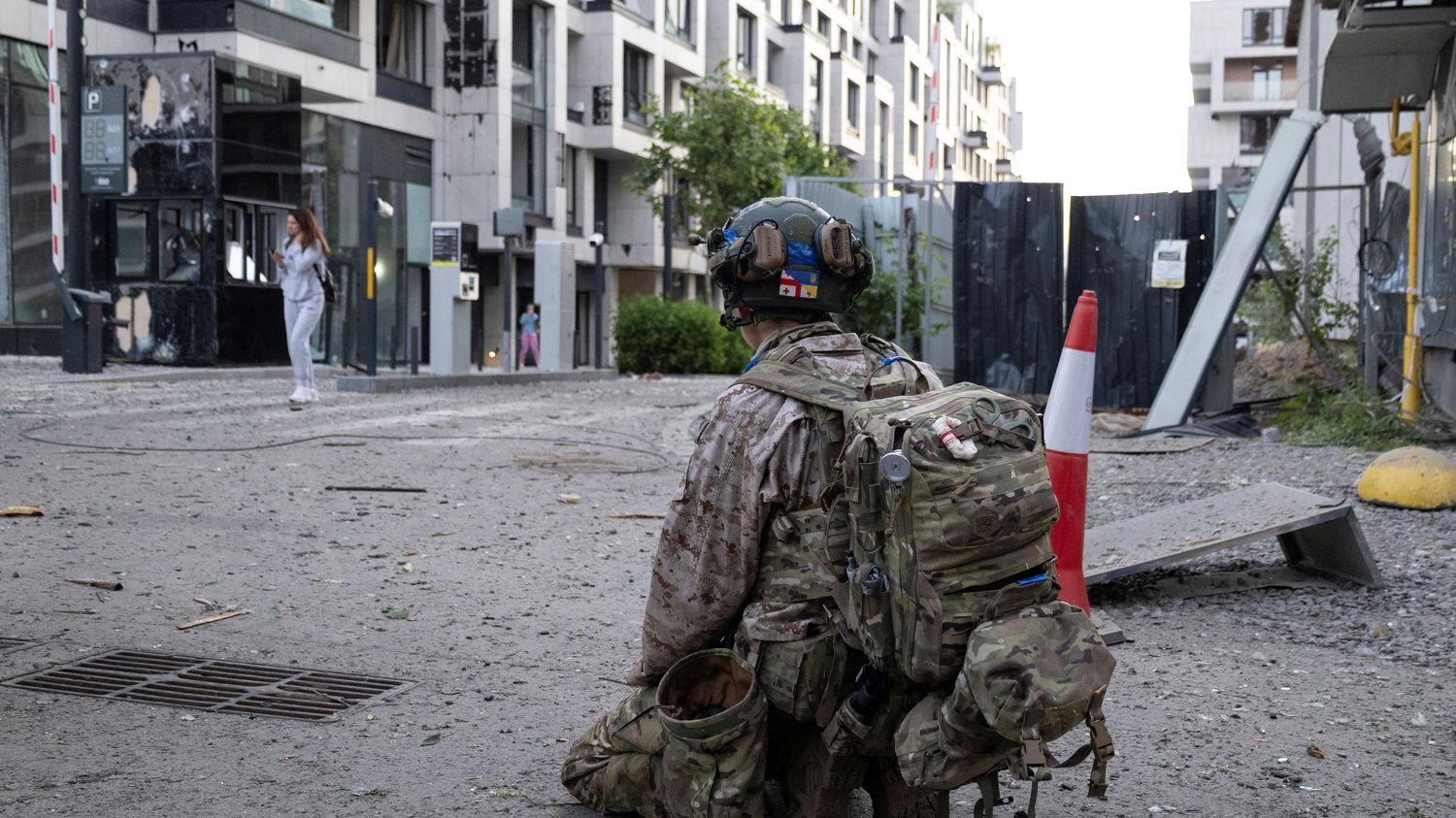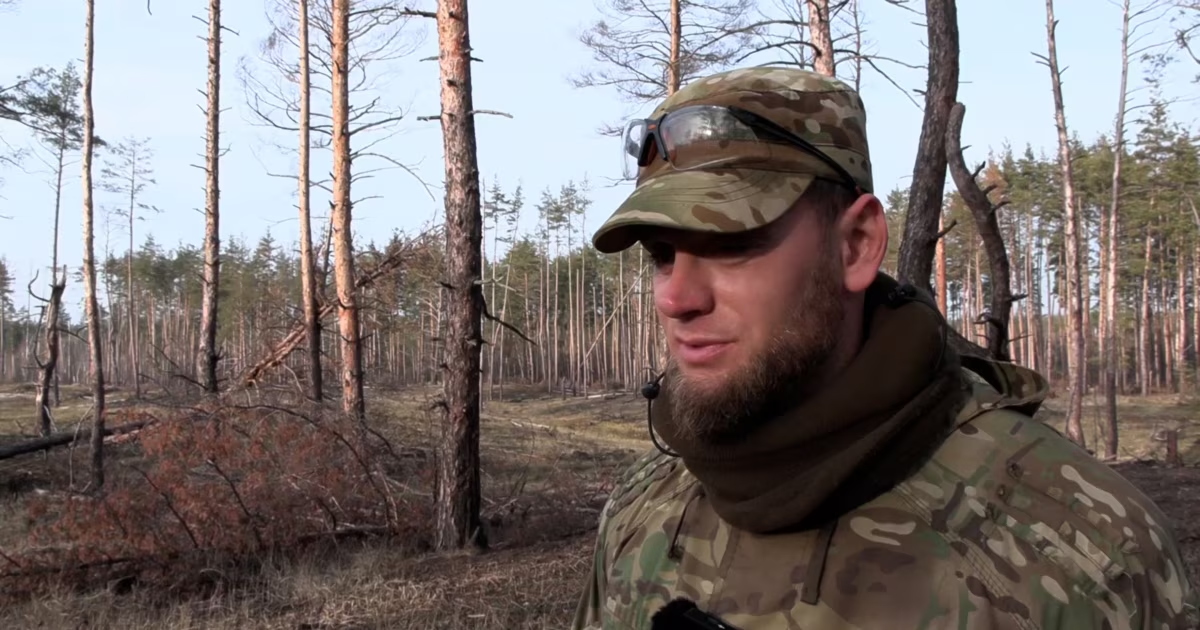
With many lacking official documentation or unable to speak Ukrainian, the families of men killed in action are struggling to get the compensation they are owed
A
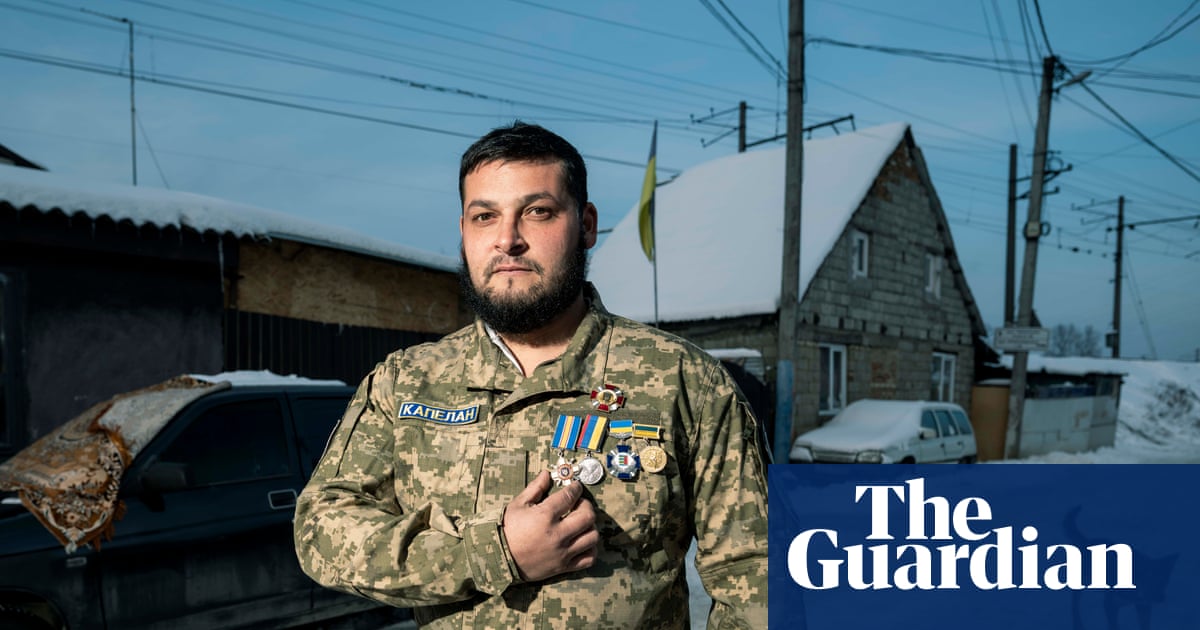
s a father of four, Viktor Ilchak was not supposed to serve in the army. Ukraine does not mobilise men who have three or more children. His wife and children cried and begged him not to go to war. But he had made up his mind. “A typical Capricorn, so stubborn,” says his wife, Sveta.
It was 2015, the war in Donbas was growing in intensity. “I heard someone on TV complaining that Roma aren’t defending their homeland. This pissed me off, and so I volunteered,” says Ilchak. In the territorial recruitment centre in Uzhhorod the Ukrainian soldiers were surprised, but they had to take him.
Ilchak and his family live in Radvanka, one of several Roma settlements in Uzhhorod, the capital of Transcarpathia, a Ukrainian province in the far west bordering Hungary, Slovakia, Romania and Poland. It hosts the largest population of Roma in Ukraine. About 3,500 people live here, explains Myroslav Horvat, the only Roma councillor in the city. The streets are unpaved and many houses have no running water.