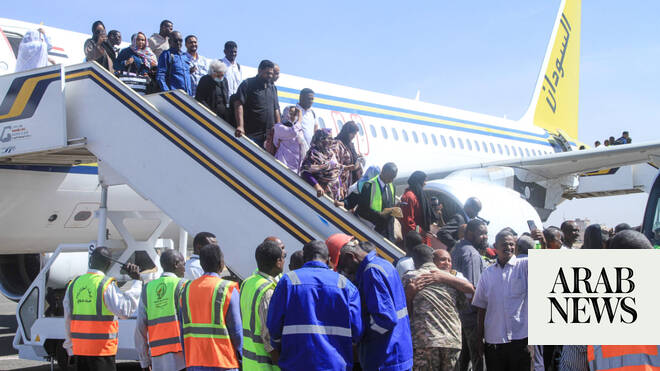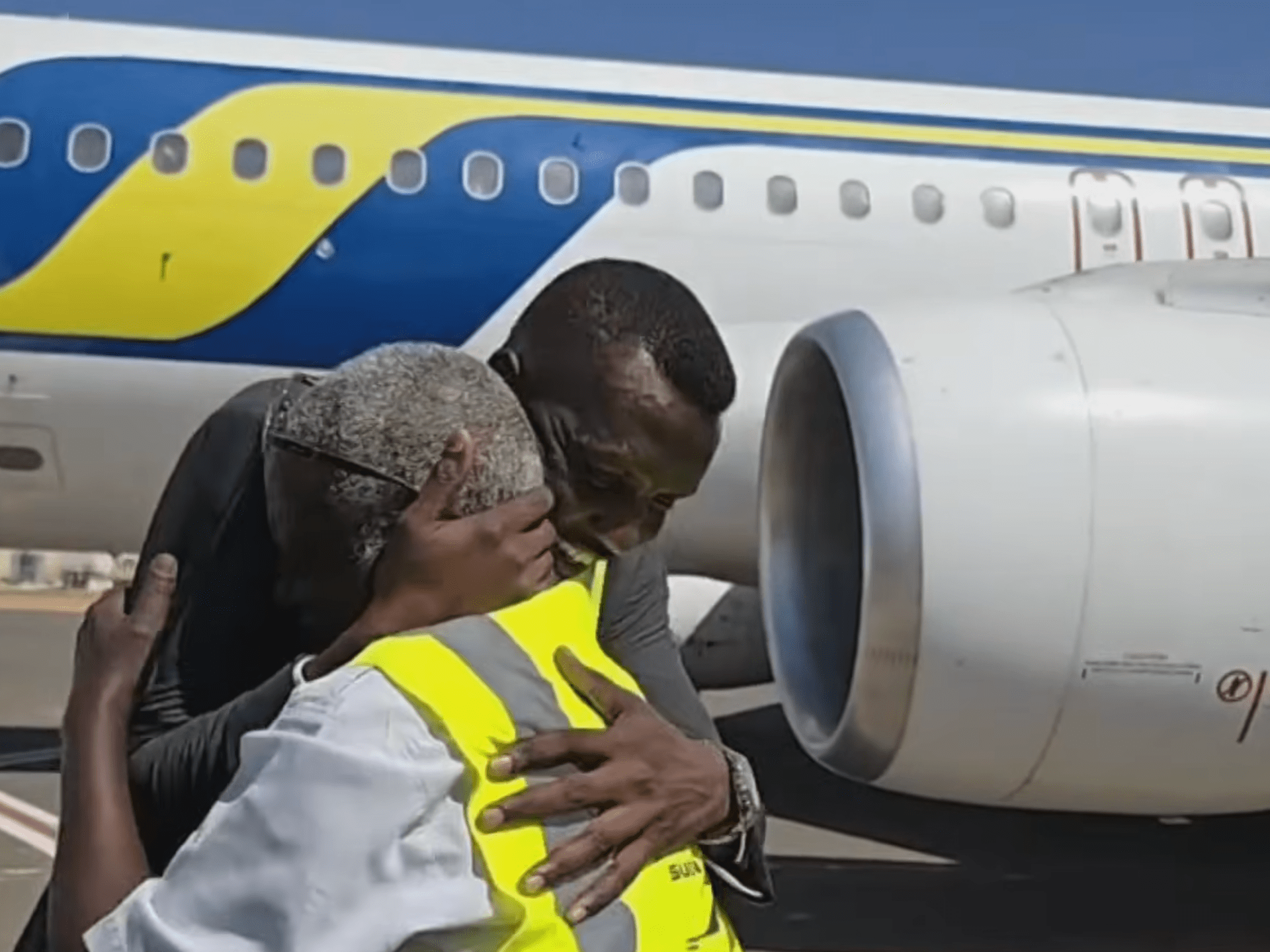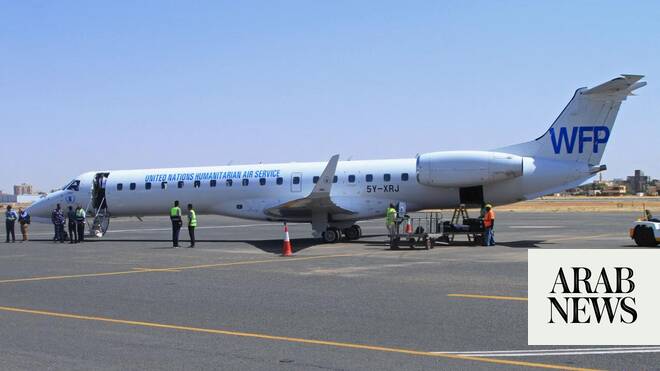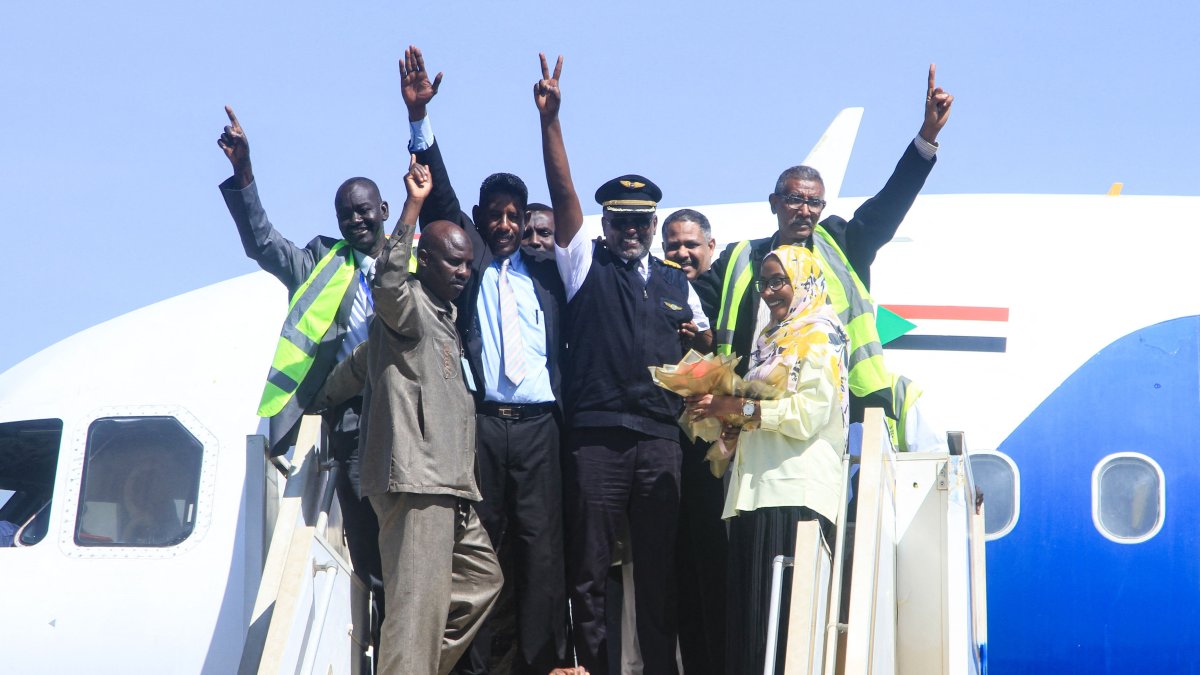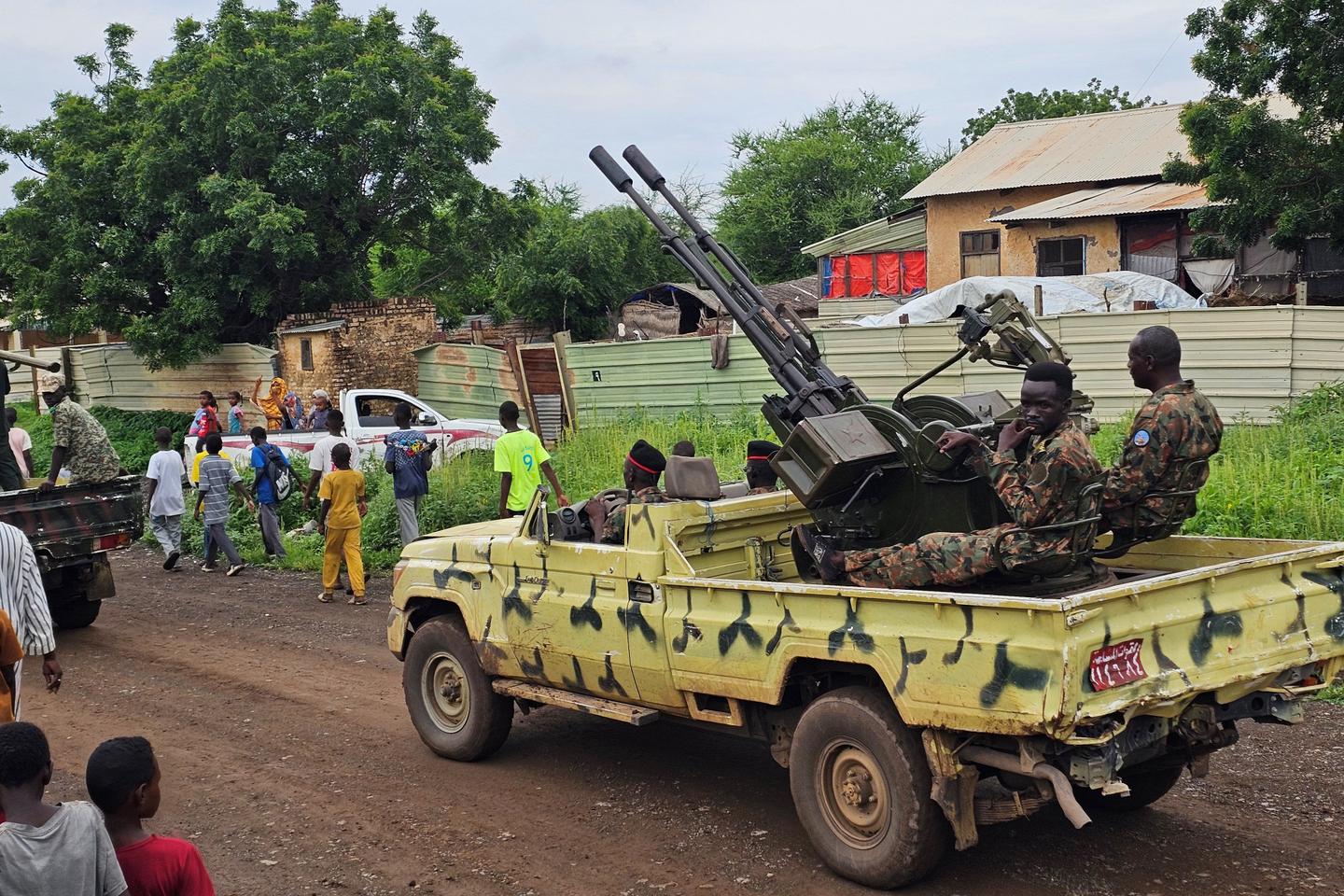
On Sunday 1 February, a yellow, blue and white Sudan Airways jet landed on the runway at Khartoum International Airport. As 160 passengers stepped off the aircraft, they cheered, hugged each other and took selfies. This was only the second commercial flight to arrive in the city since 2023 - a significant milestone given the continued threat of drone attacks in a country riven by civil war.
Weeks earlier, Sudan's prime minister had declared 2026 would be "the year of peace". Kamil Idris spoke in January as the military-led government announced its ministries would return to the country's shattered capital.
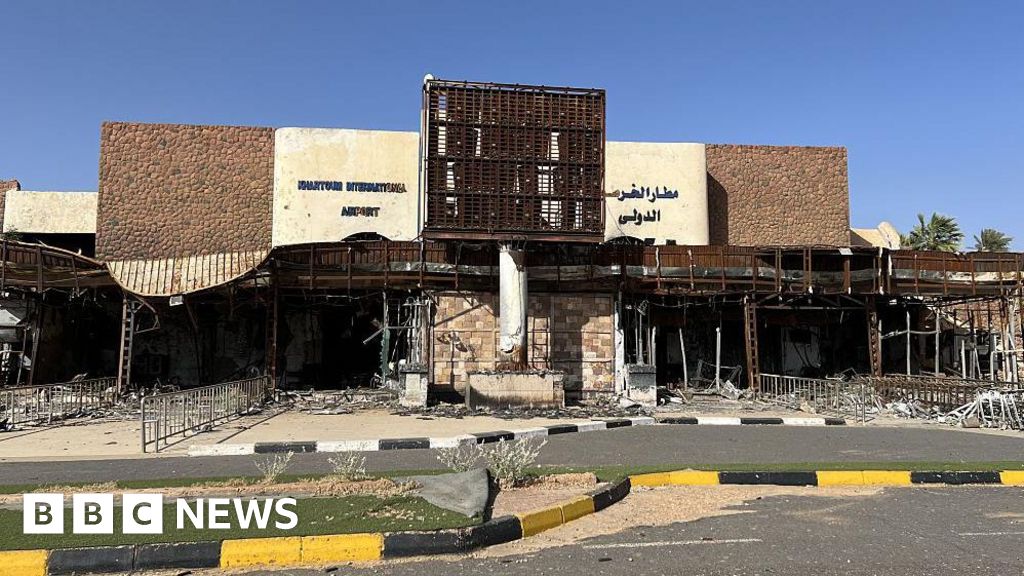
Almost a year ago I saw Khartoum for myself - driving carefully around unexploded munitions on the tarmac, touring the wrecked passenger halls in the airport's terminal, just days after Sudan's army recaptured it from the paramilitary Rapid Support Forces (RSF).
The city had been the epicentre of a civil war that erupted in April nearly three years ago, leaving its centre a burnt-out shell and exiling the government to the safer haven of Port Sudan on the Red Sea.
The devastation was stunning: government ministries, banks and towering office blocks stood blackened and burned.