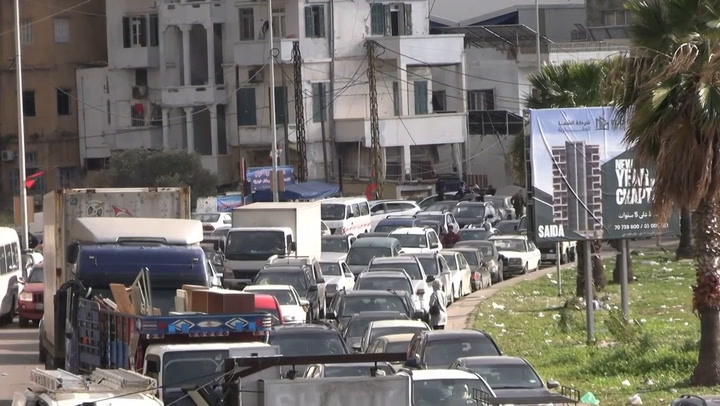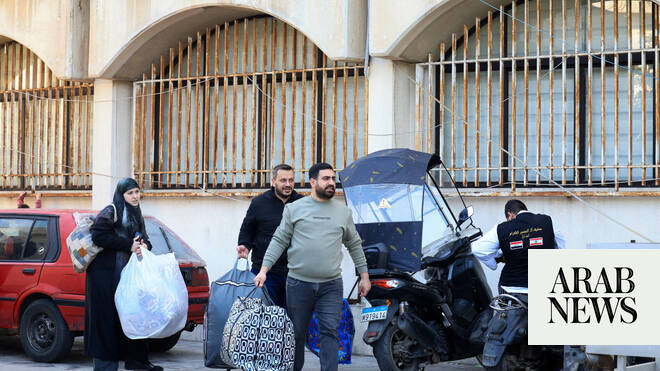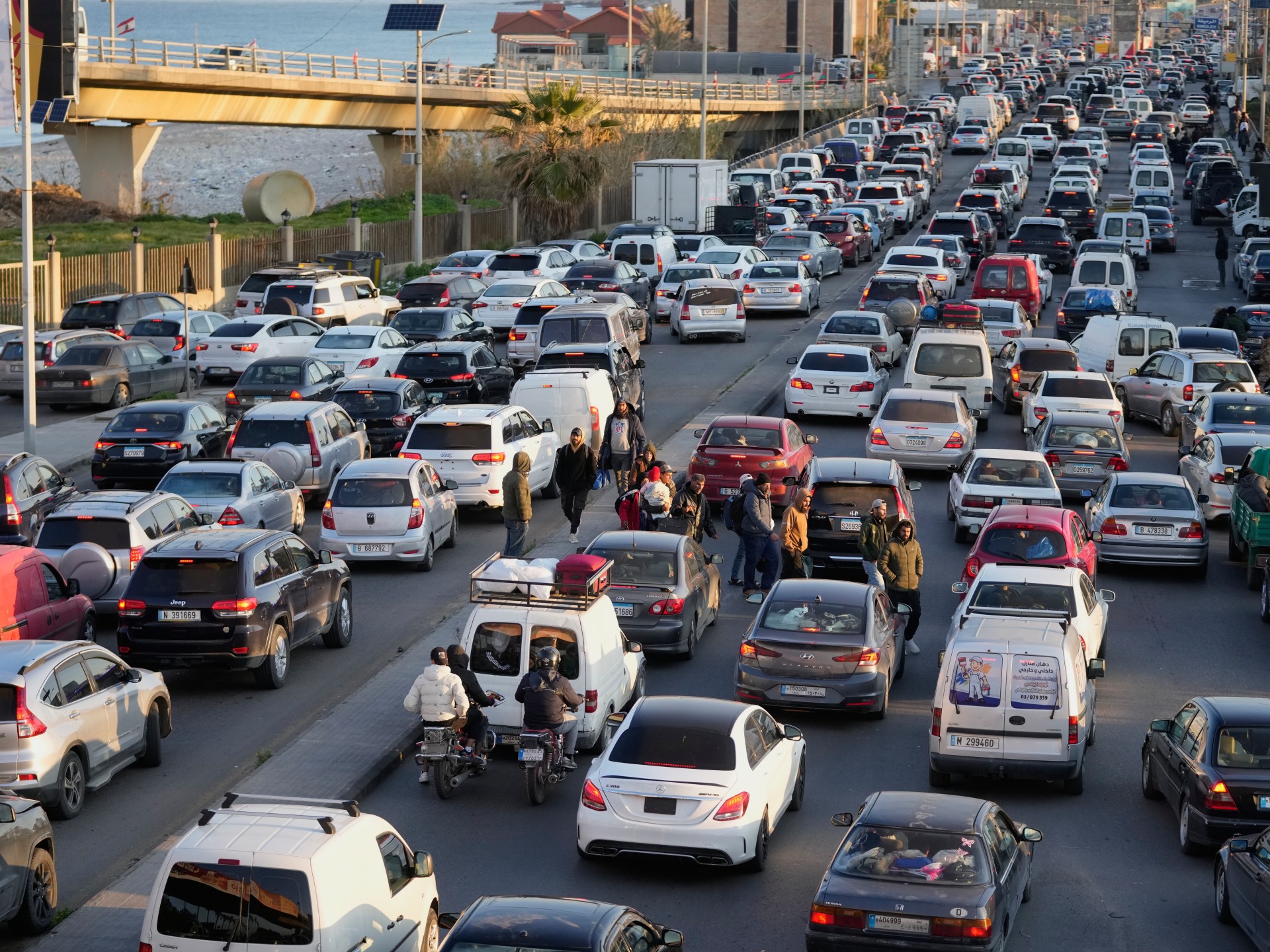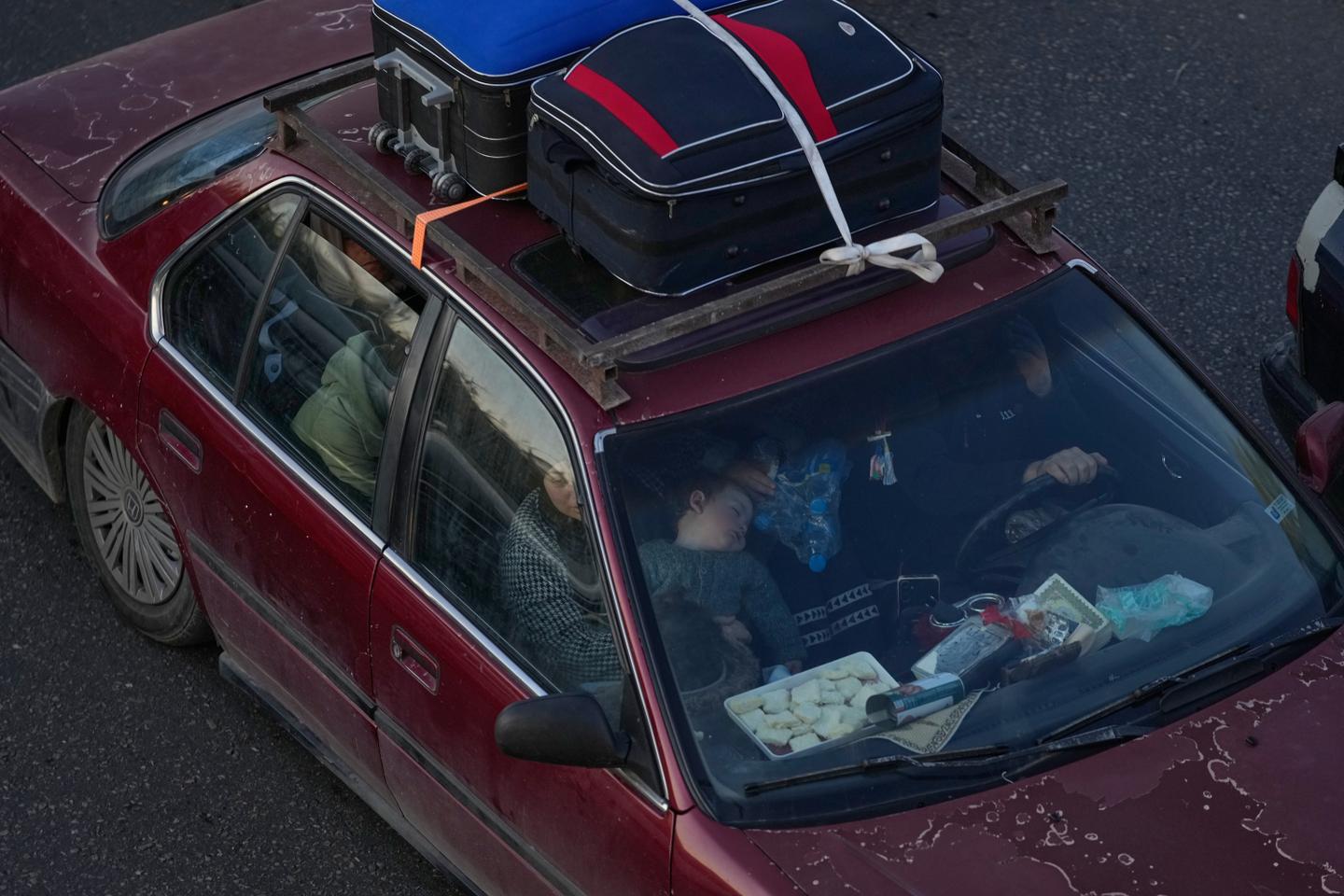
A family of displaced people fleeing Israeli strikes in southern Lebanon on a highway leading to Beirut, in the port city of Sidon, March 2, 2026. MOHAMMAD ZAATARI/AP
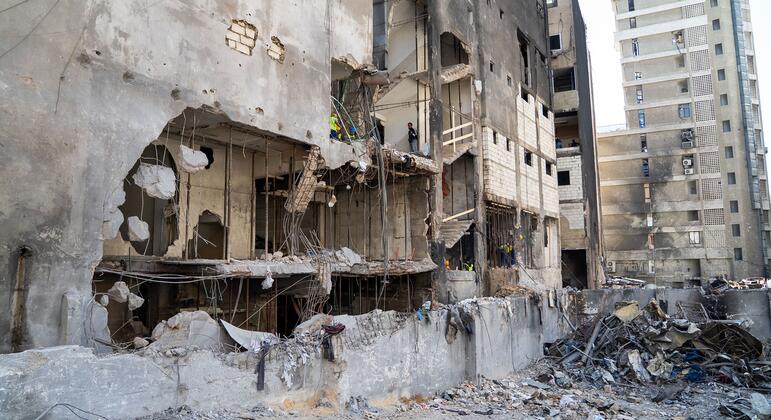
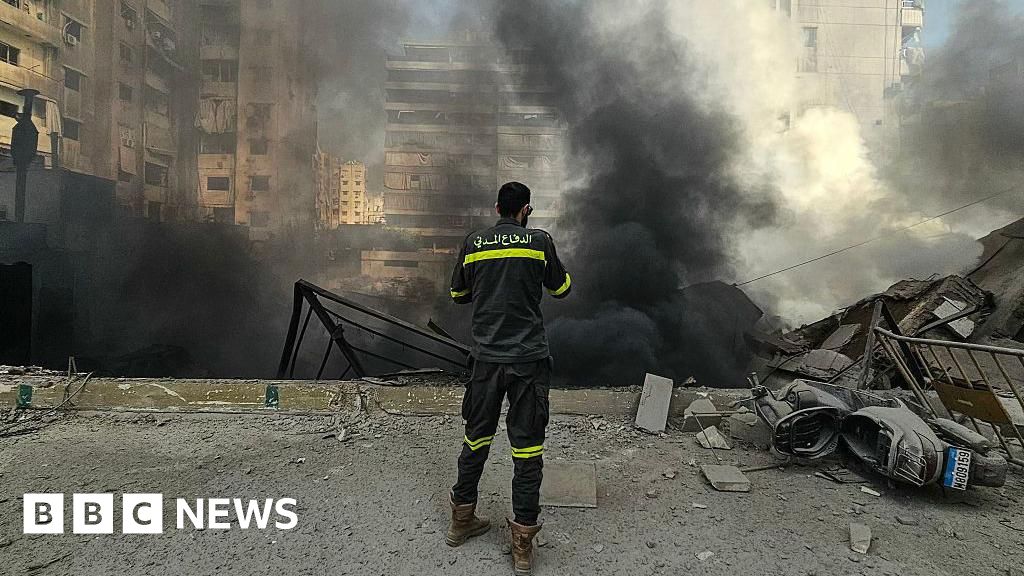
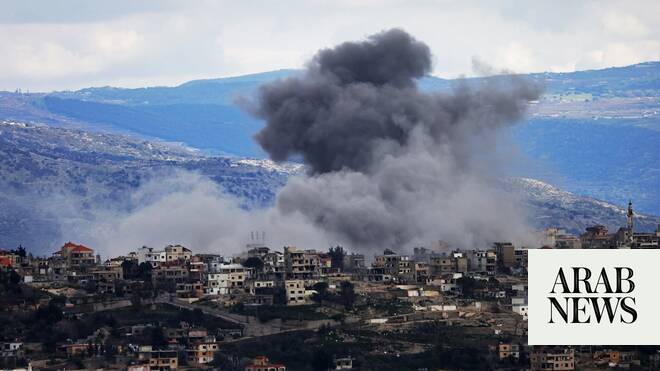
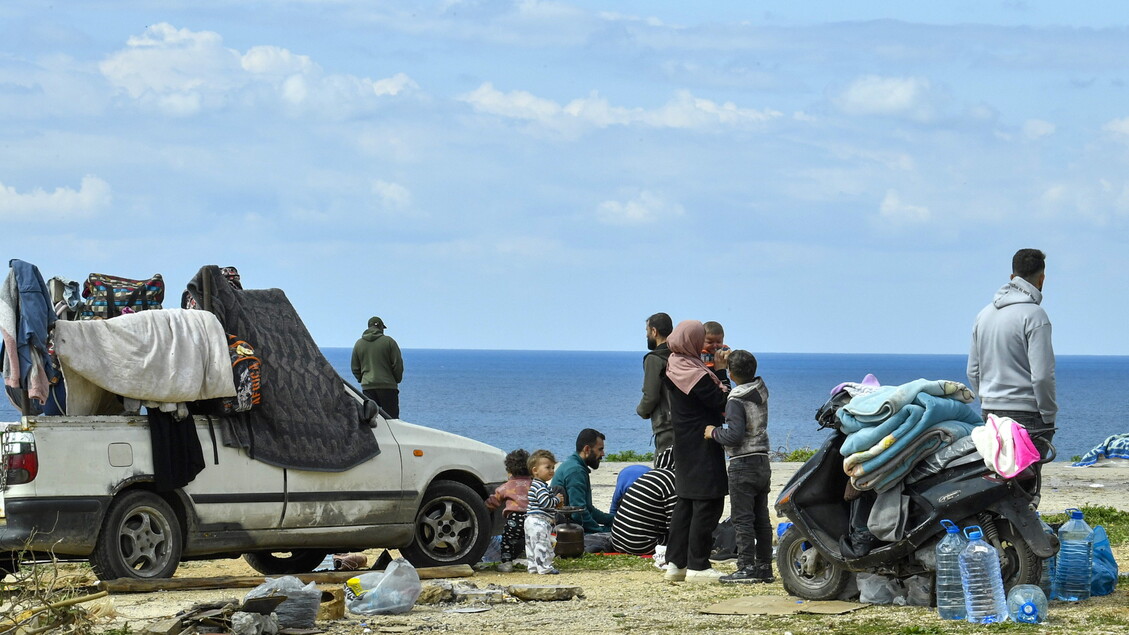
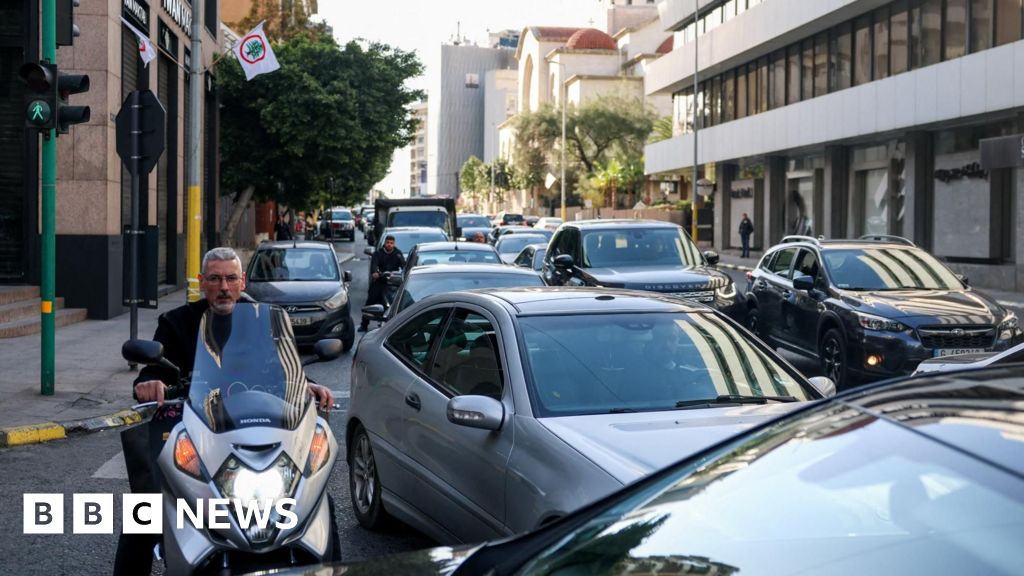
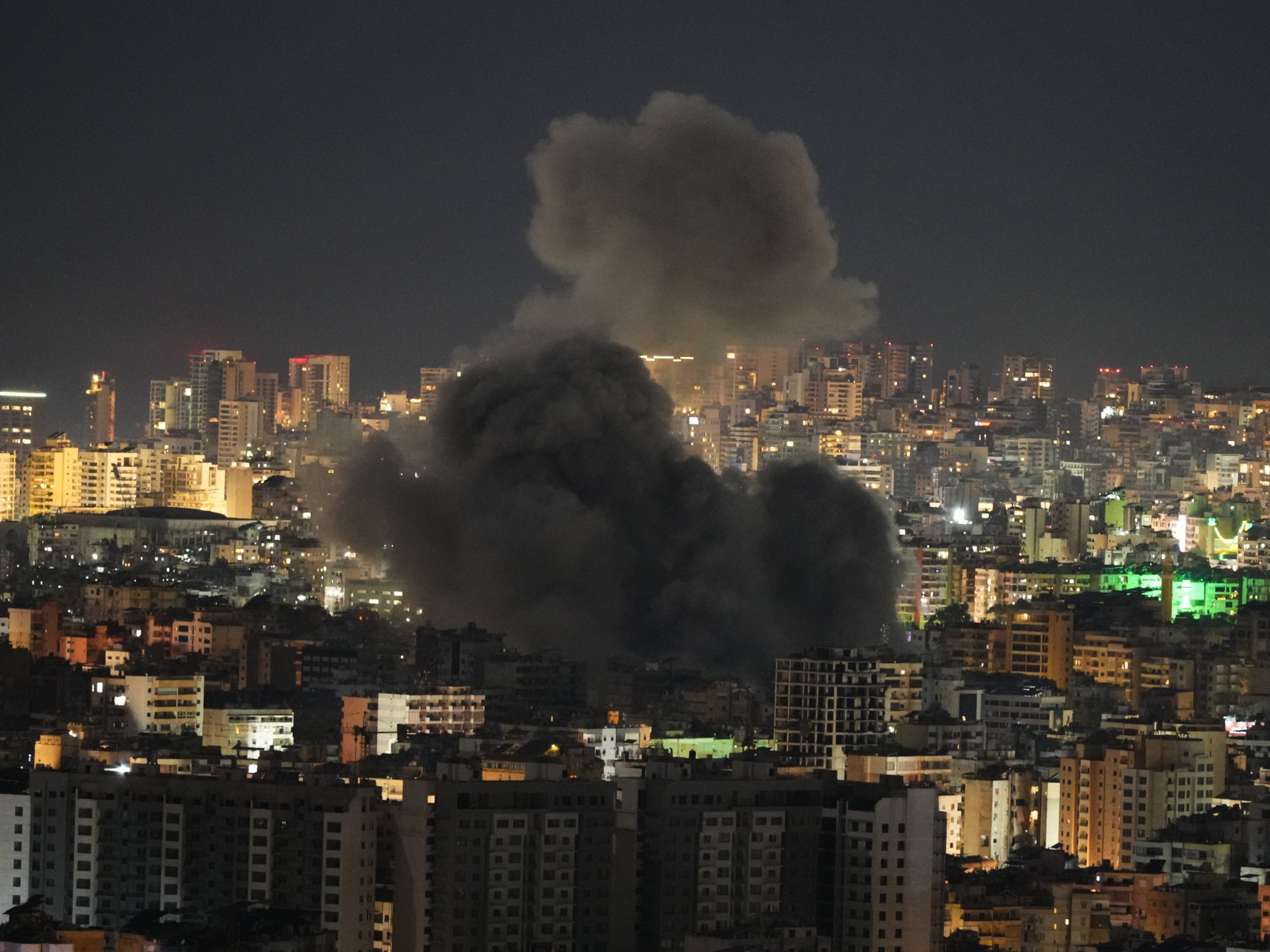
On Beirut's waterfront, a handful of joggers walk by, undisturbed, while an Israeli drone buzzes in the sky. Families huddle in their parked cars near Zaitunay Bay, a small yacht harbor. They have fled southern Beirut or southern Lebanon, both under Israeli fire. Since Sunday, March 1, when Hezbollah launched overnight rocket attacks toward Israel, triggering a massive Israeli retaliation, Lebanon has once again been dragged into war. The country is now facing another displacement crisis, just 15 months after the previous conflict (September 23 – November 27, 2024) between Israel and the Shiite party-militia.
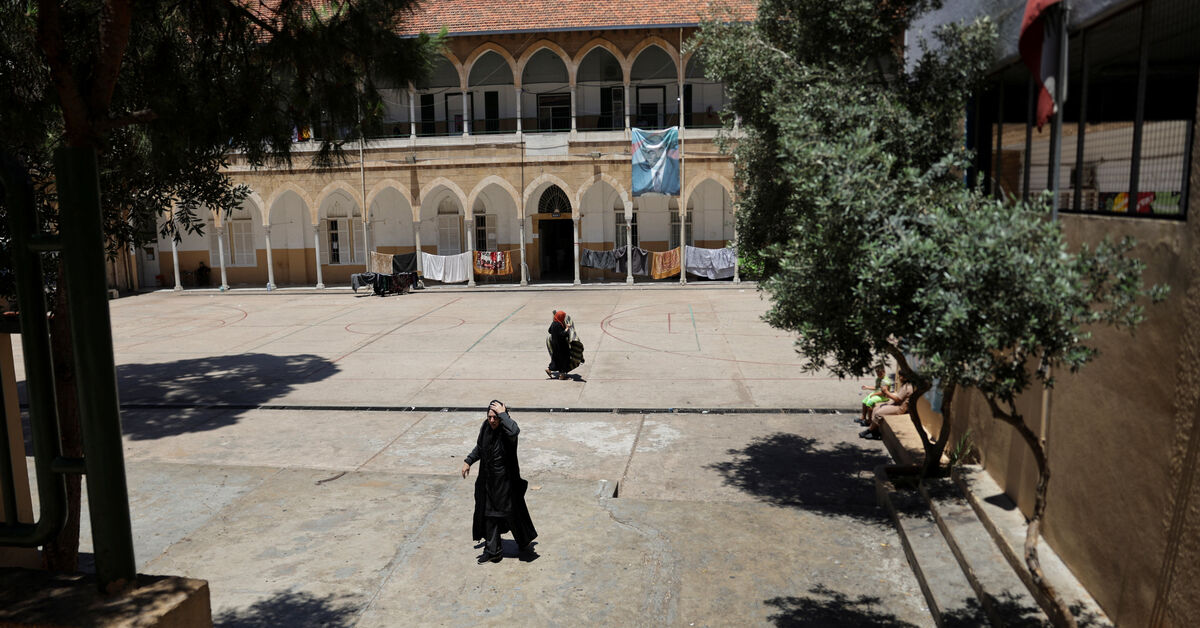
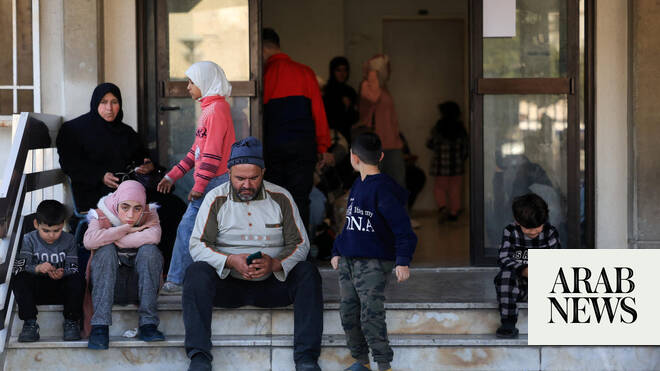
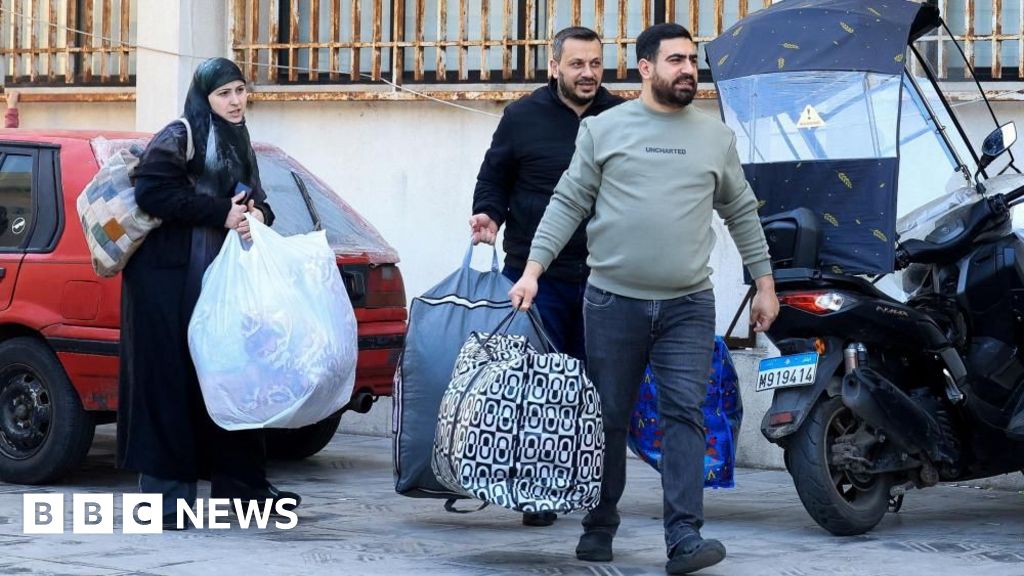
West Beirut, with its waterfront and the Hamra neighborhood, has again become a refuge for displaced people, as it was during the 2024 war. The influx is smaller for now. According to the government crisis unit, more than 58,000 people have fled their homes; in comparison, the autumn 2024 war forced hundreds of thousands to flee within hours of its outbreak.
Sitting on a low wall, Abed Jouni, 25, is exhausted. "I keep wondering: How am I going to protect my mother, my sister, and my niece, and provide for them?" He fled southern Beirut with his family after the initial Israeli strikes on this densely populated area, a Hezbollah stronghold. "I can't afford to rent an apartment – prices are soaring because of the war. My family doesn't want to go to a collective shelter because it's so crowded. Here, I hope we're safe," he said.