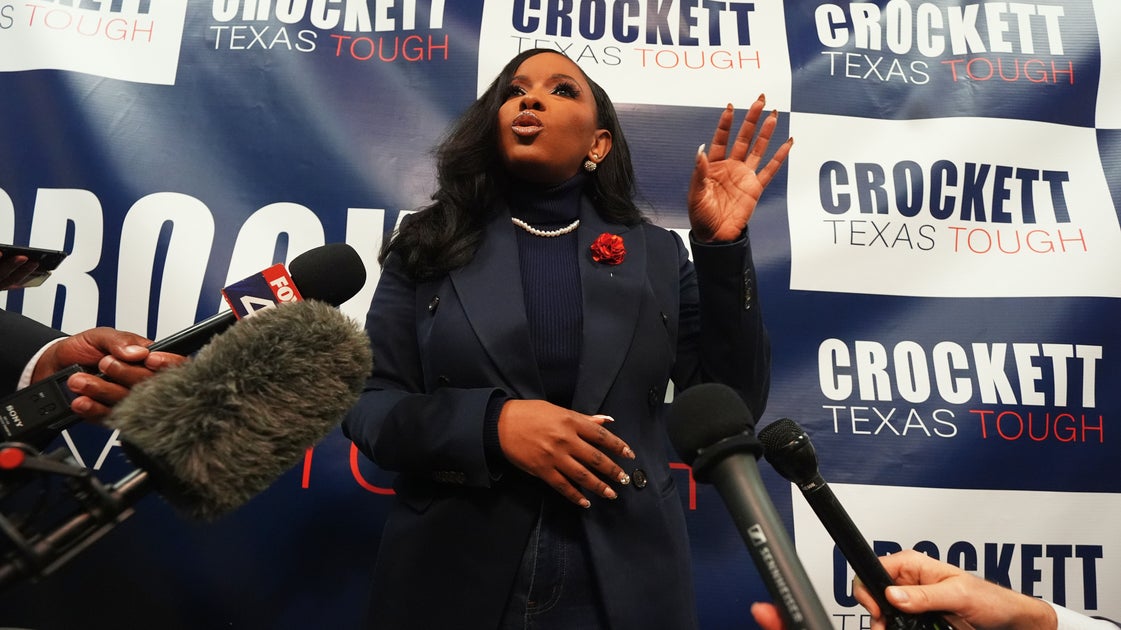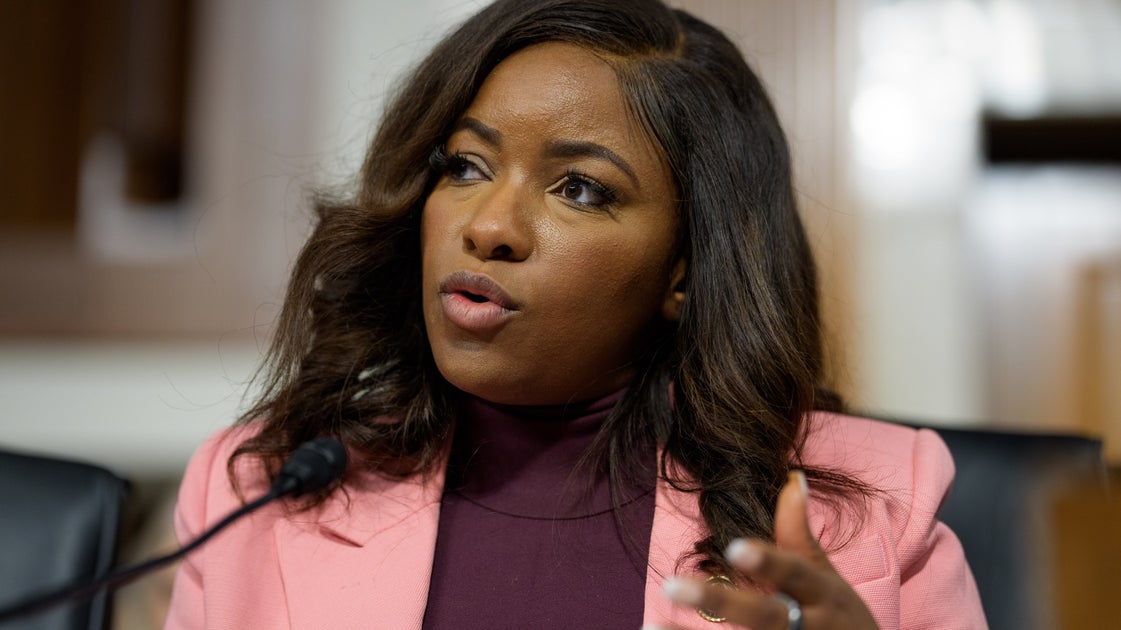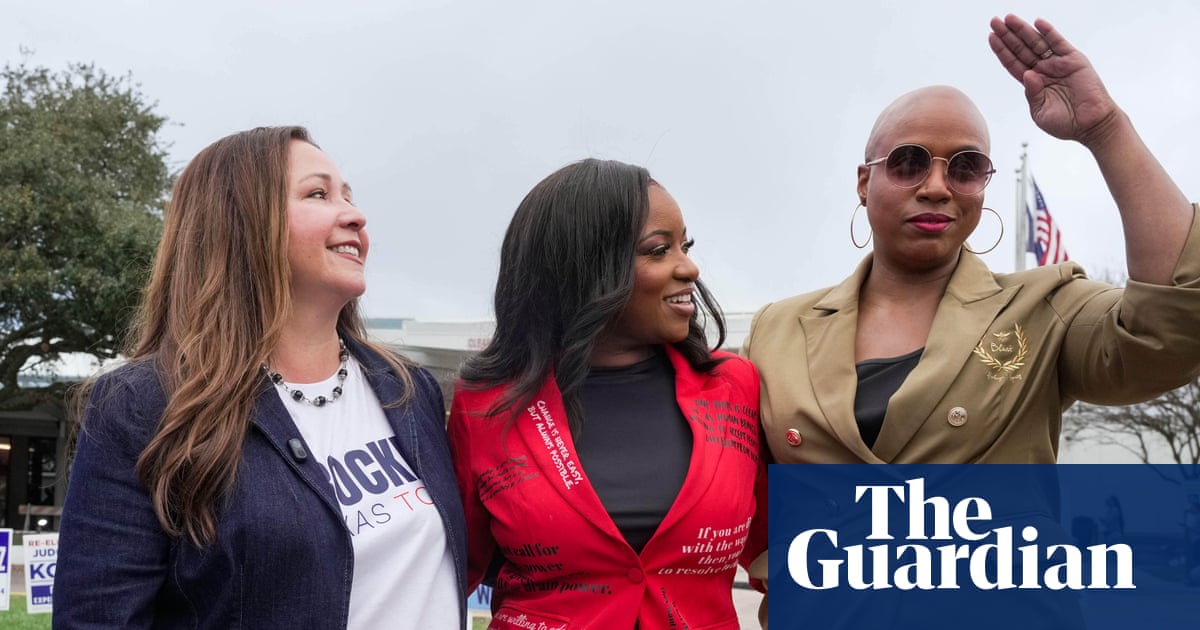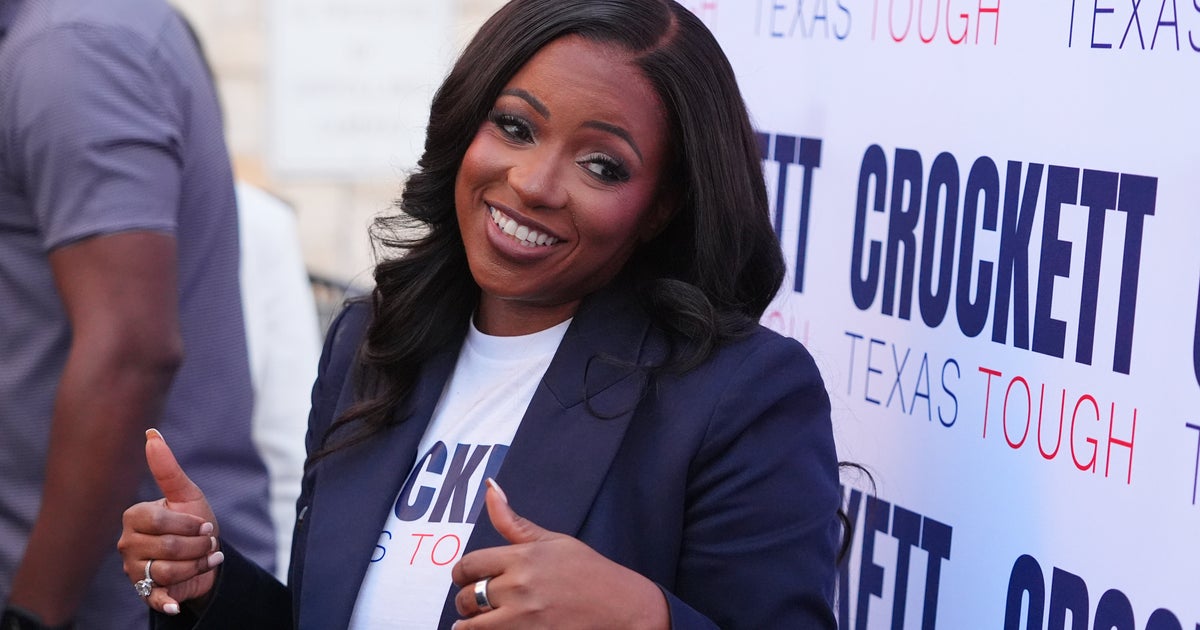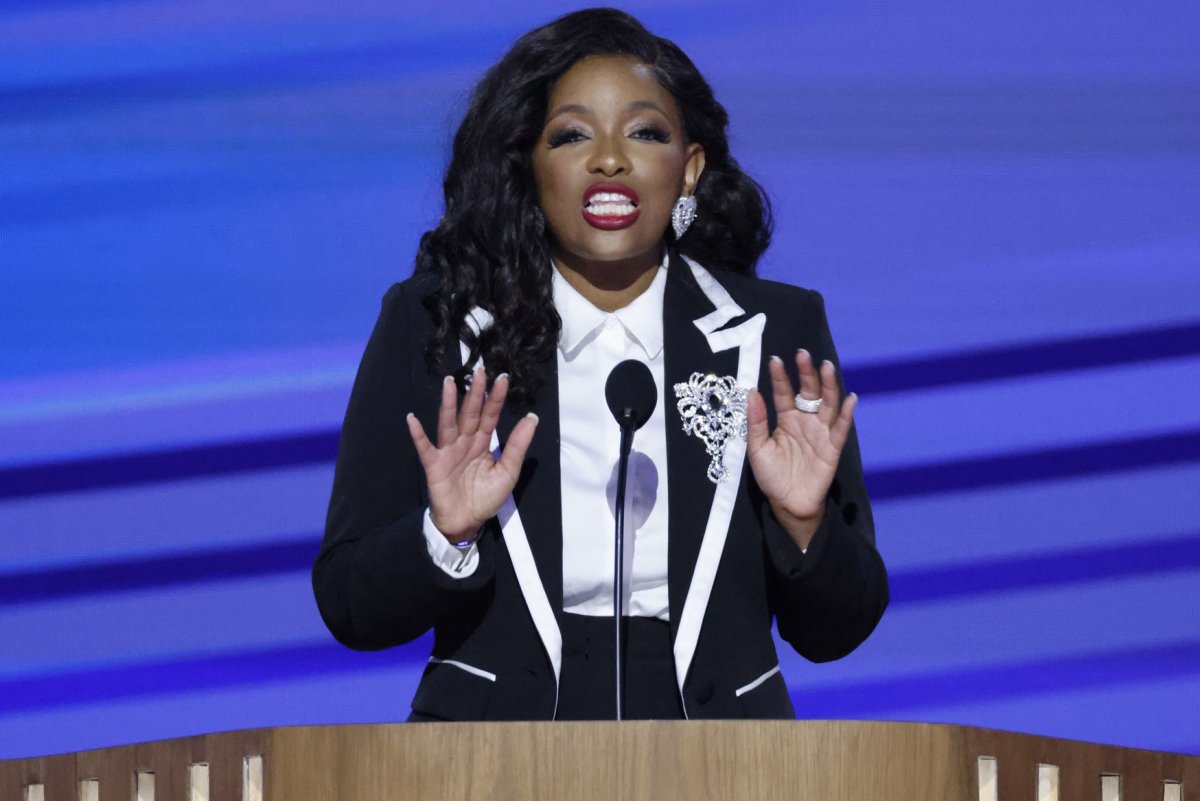
Rep. Jasmine Crockett (D-Texas) came up short last night in her bid to win for Democrats a Texas seat in the U.S. Senate. Victory in the Democratic primary was claimed by state representative James Talarico, who will face off against either John Cornyn or Texas Attorney General Ken Paxton; the GOP primary is heading to a runoff.
This Democratic primary has been closely watched for what it says about the future of Democrats’ strategy nationwide—not just in Texas. Crockett is known for going up against Republicans with a signature confrontational style and said she would be more focused on reaching new voters than persuading those who supported Trump; Talarico emphasized coalition-building across the state, campaigning in red districts too. A seminarian, his campaign often referenced economic justice through the lens of Christian faith. When it comes to policy, there wasn’t a clear progressive vs. moderate in this race; their differences mostly came down to strategy and political style. As the Texas Tribune put it, voters chose Talarico’s “offering of a political reset over Crockett’s promise to unapologetically wage partisan warfare against the GOP.”
The question of “electability” was a big one in this contest. Democrats were looking for a candidate who could flip Texas—no easy task. And the pressure was on to choose the right candidate, because Democrats think they have a real shot at it for the first time in years. Yet electability can be a loaded word, especially for Black women in politics. What makes someone electable?