Amid a cost of living crisis, pricey patisserie is all the rage – and not just in London. Our reporter goes on a crawl to find out if a tart can really be worth £45
T
here was a time when you could get a stuffed vanilla cream slice or a neon-pink Tottenham cake for about £1 on the leafy, residential corner of Hackney, east London, where I stand today. But the branch of Percy Ingle bakery that was here for nearly 50 years is gone. In its place sits Fika, a cafe where a cinnamon bun costs £4.20 and a pistachio croissant will set you back nearly £5.
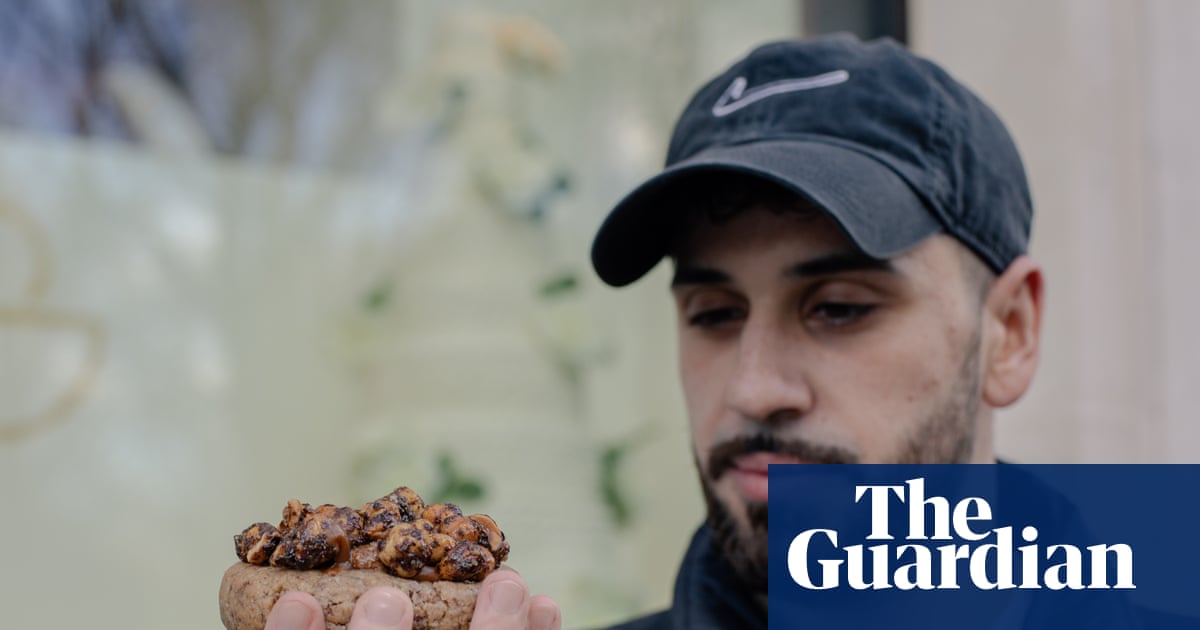
In comparison with other bakeries, however, Fika’s pastries are a bargain. At Copains, a Parisian favourite that opened its first UK branch in central London late last year, a large babka (about the same size as a supermarket chocolate twist) will set you back £12.50, while an eclair costs £11.90. In Harrods’ food hall, a stuffed, savoury croissant topped with gold leaf is £12. At Cedric Grolet, located inside the luxury Berkeley hotel, a hazelnut cookie will leave you £25 out of pocket. Yes, the age of the £10-plus pastry has arrived.
These desserts have become viral fodder on social media, prompting long queues outside bakeries that have seized the algorithm to show off their mouthwatering goods. These spots are usually in big cities including London, New York (at Banque, a roasted pear danish costs $12 (£9), and the viral croissant supreme at Lafayette is more than $10) and Paris (at Pierre Hermé, a pecan tart is €12 (£10.40) and a box of eight macarons €27).