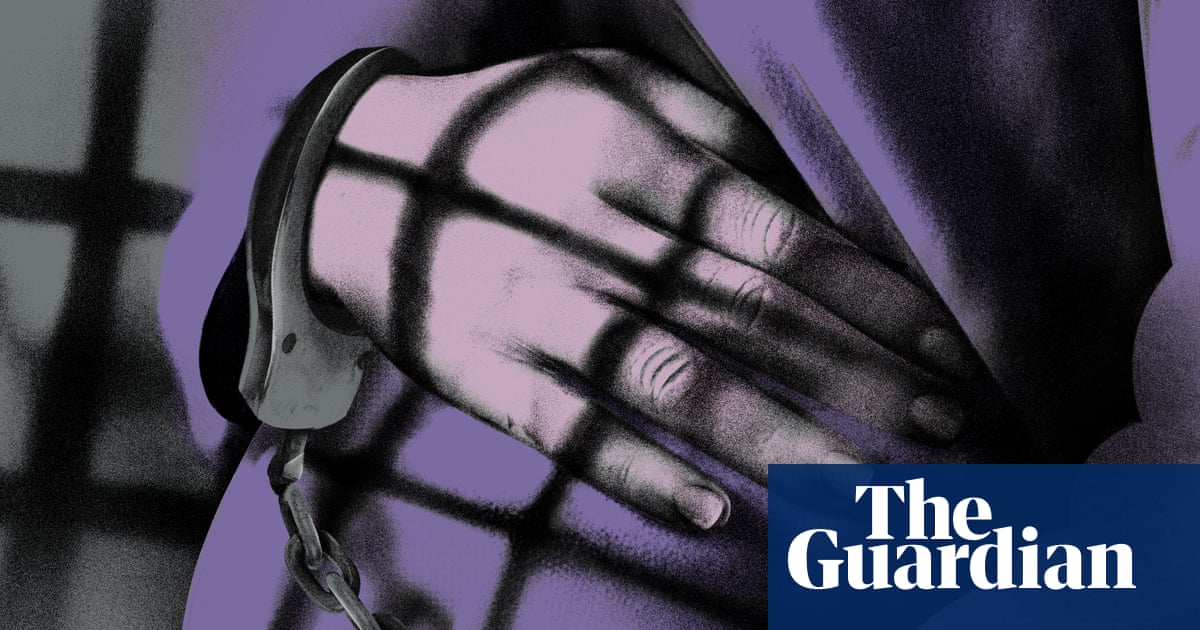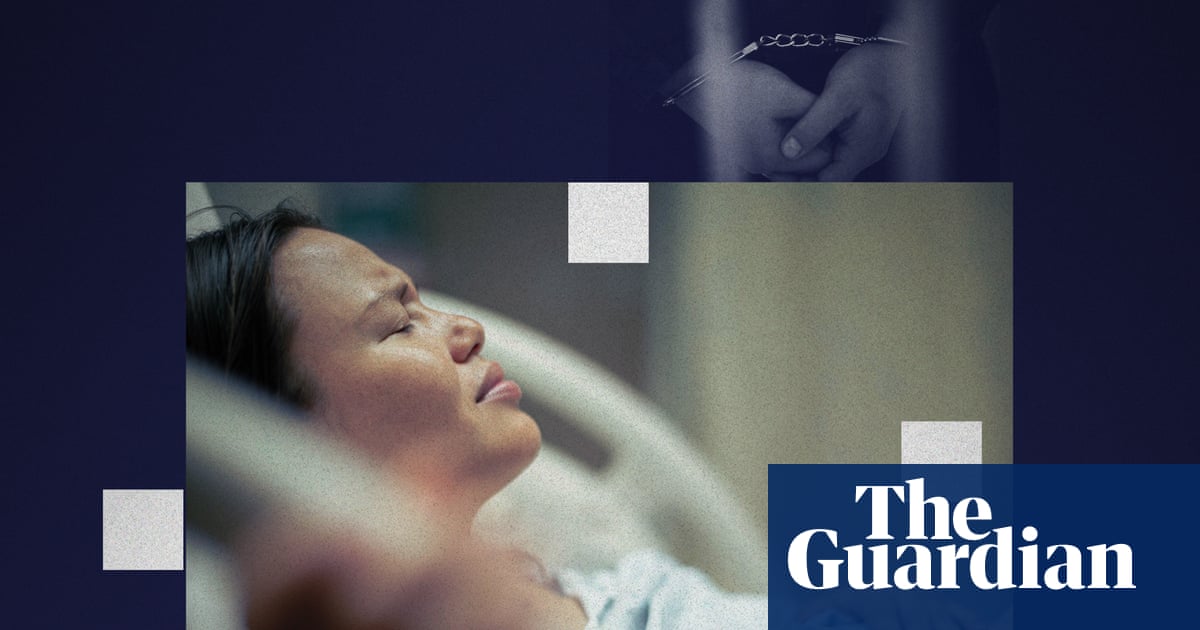
Pregnant women prisoners are being handcuffed to prison officers – often male – during intimate vaginal examinations and long, agonising births. Will this dehumanising treatment be stopped?
The worst moment of Joanna’s labour was an internal examination. She was handcuffed with her legs splayed apart and a male prison officer at the foot of the hospital bed saw everything. She had prepared for the arrival of her first baby as carefully as she could. But she understood that birth can be unpredictable – and this was complicated by the fact that, during the latter part of her pregnancy, she was serving a jail sentence.
Joanna was a model prisoner who followed the rules. She had been convicted for a non-violent drugs offence and was not deemed to be at high risk of escape, particularly not in the throes of an agonising labour. She hoped to use hypnobirthing, breathing and relaxation techniques to make the birth calmer and more comfortable. Thanks to information provided by the charity Birth Companions she knew it was her right not to be handcuffed during labour. She had highlighted the handcuffing points in the booklet.
When Joanna went into labour on 30 December 2022, she was taken to hospital, handcuffed and chained to a prison officer. She remained so for the 36 hours of a long, difficult birth. Any thoughts of hypnobirthing went out of the window. “I was crying so much that my nose was too blocked to use any of the breathing techniques,” Joanna says. “I’m the kind of person who is good at researching my rights. So many people had told me during my pregnancy that I wouldn’t have to give birth in handcuffs. I was taken to hospital chained to an officer with handcuffs but assumed they would be removed at the entrance to the hospital.