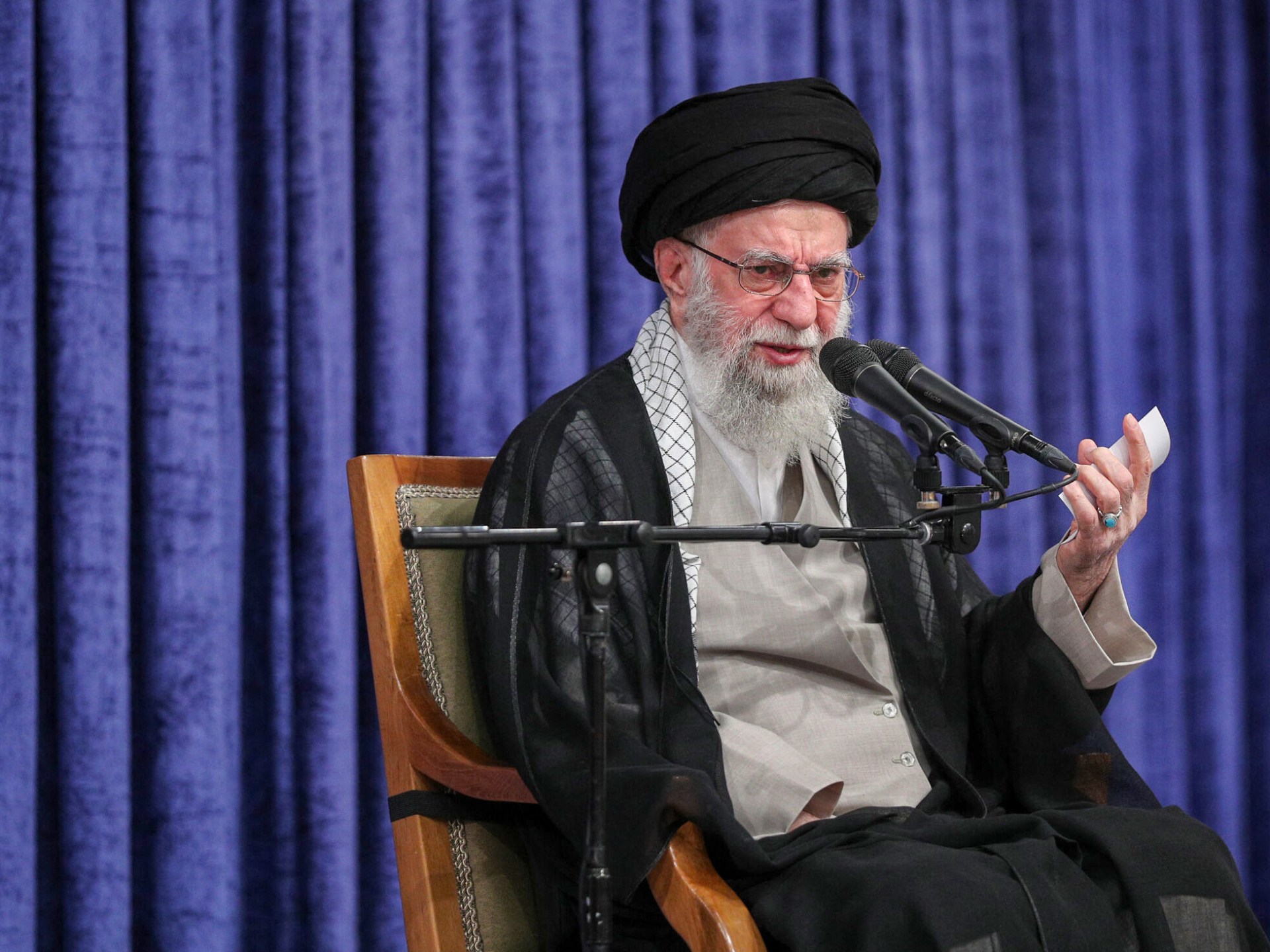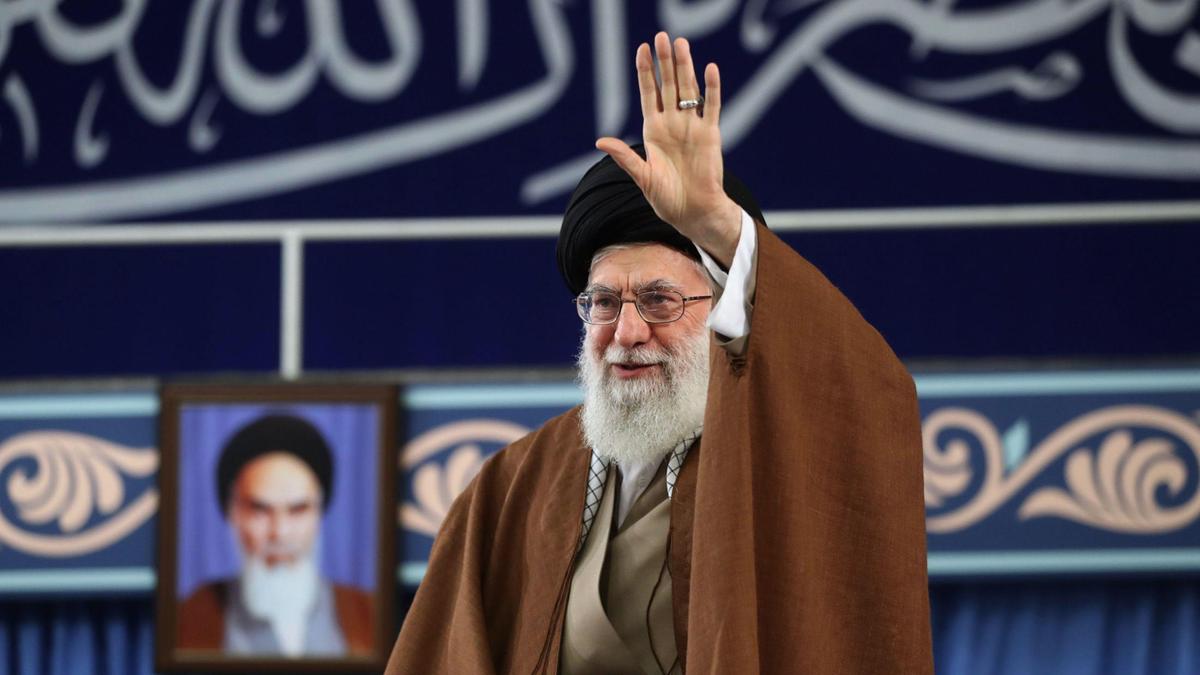
In November 3, 2025, Iran’s Supreme Leader Ayatollah Ali Khamenei delivered his annual address on the eve of what Iran terms the ‘National Day of Fighting Global Arrogance’, which marks three important junctures in Iran’s history – Ayatollah Khomeini’s exile by Reza Shah Pahlavi in 1964, the Pahlavi forces’ killing of student protestors at the University of Tehran in 1978, and (most importantly) the seizure of the U.S. Embassy in Tehran by students proclaiming loyalty to Khomeini in 1979. Mr. Khamenei’s address focused on an old effort — to consistently re-legitimise the Embassy takeover and reinforce a revisionist history of the event in the Iranian popular imagination. However, a key feature of Mr. Khamenei’s 2025 address is his description of arrogance or ‘istikbar’ in government. He put forth a two-pillared description:
“‘Istikbar’ (is) self-perceived superiority is of two kinds. One is when a person or a government considers itself to be superior to others but doesn’t interfere with them. This still isn’t a good characteristic. Conceit isn’t a good thing, but it doesn’t create enmity or hostility. It’s simply a bad trait to have. However, there may be a time when a government, a person, a group, or an aggressor considers itself to be superior to others and grants itself the right to push others around, to encroach upon the vital interests of others, and to dictate terms to others. Arrogance in this form is bad.