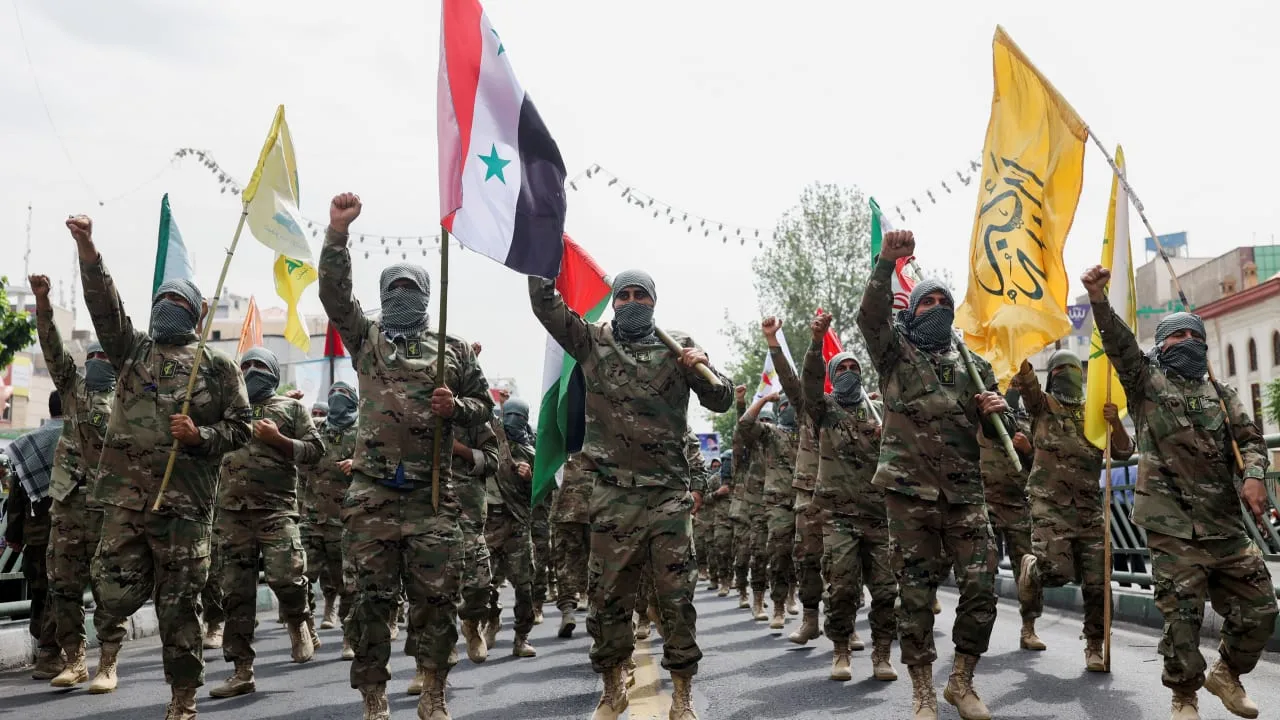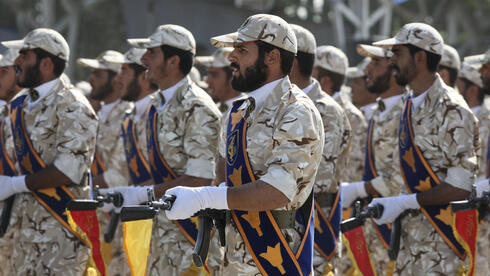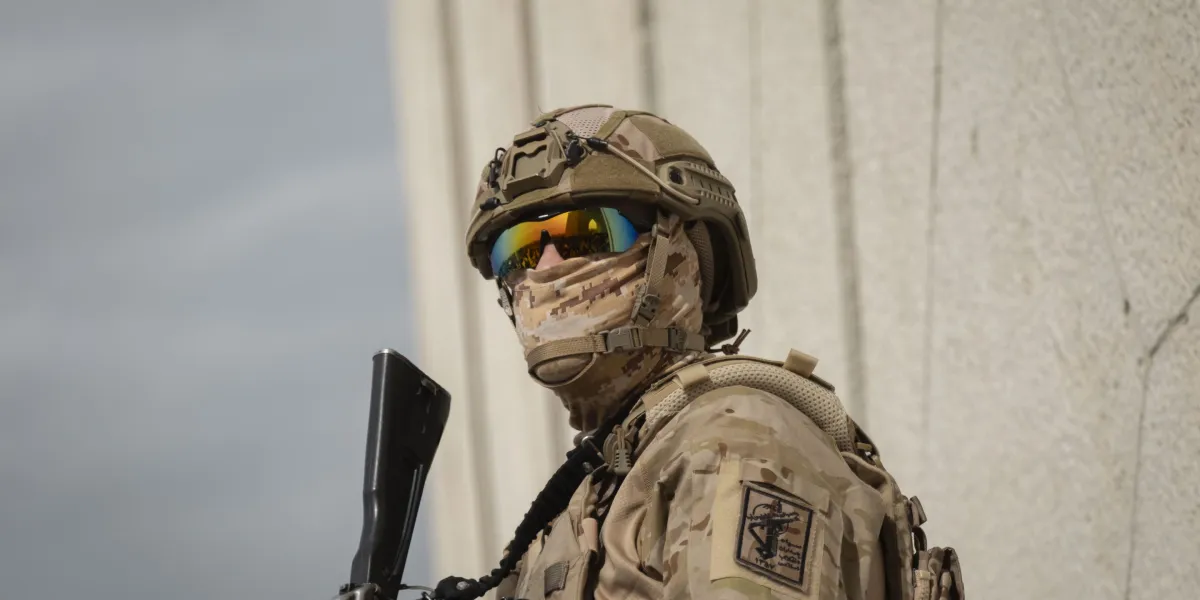
The Islamic Revolutionary Guard Corps will be a major player in determining Iran’s future as President Donald Trump seeks regime change, and the vast military-industrial complex the corps has built is critical to its power.
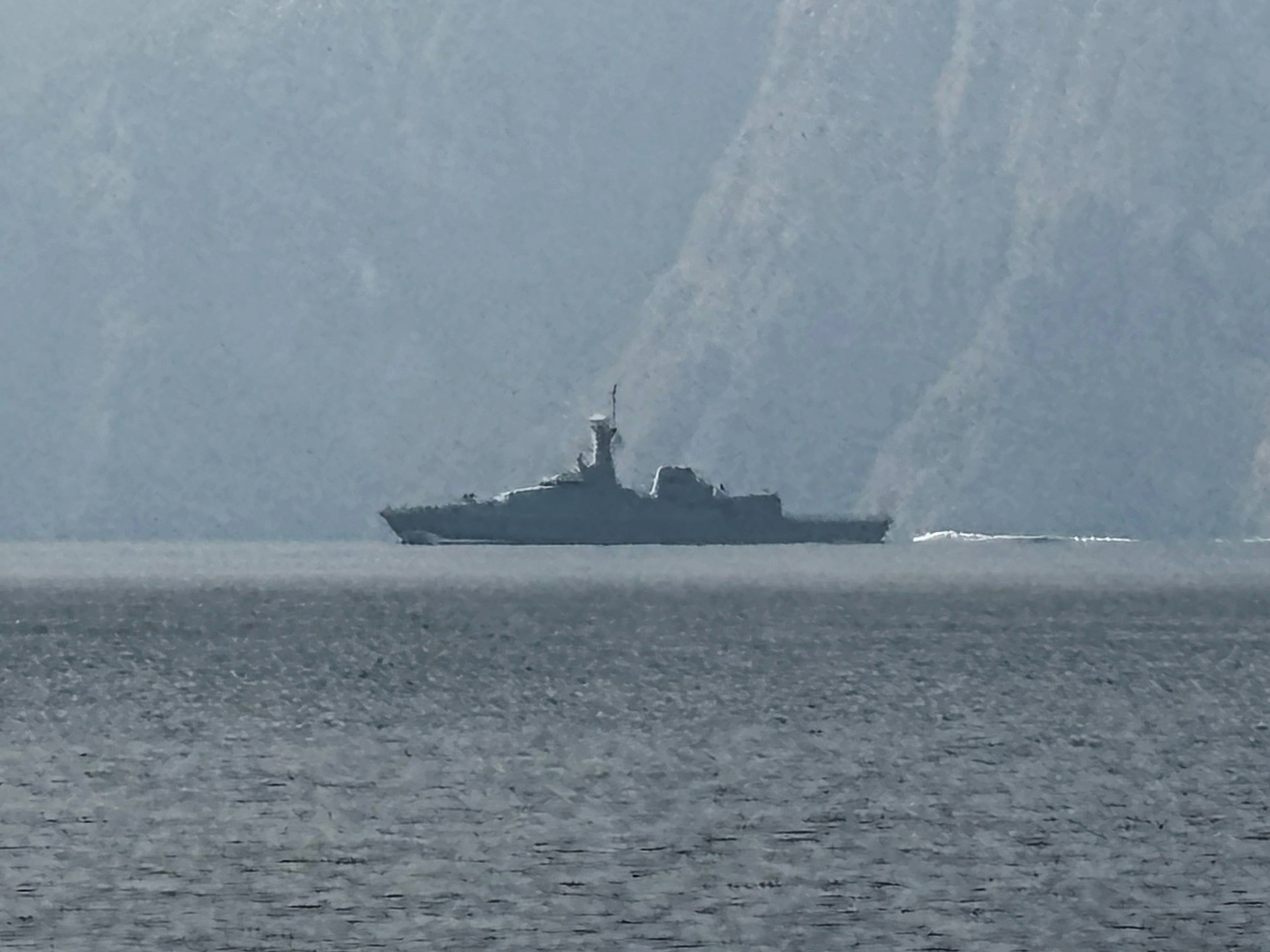
Following the death of Supreme Leader Ali Khamenei in a U.S.-Israeli airstrike over the weekend, the IRGC has emerged as a potential source of new leadership. It’s also carrying out Iran’s military response to U.S. attacks by firing missiles at commercial vessels in the Strait of Hormuz, forcing ship traffic to come to a virtual stop in the narrow waterway through which 20% of the world’s oil passes.
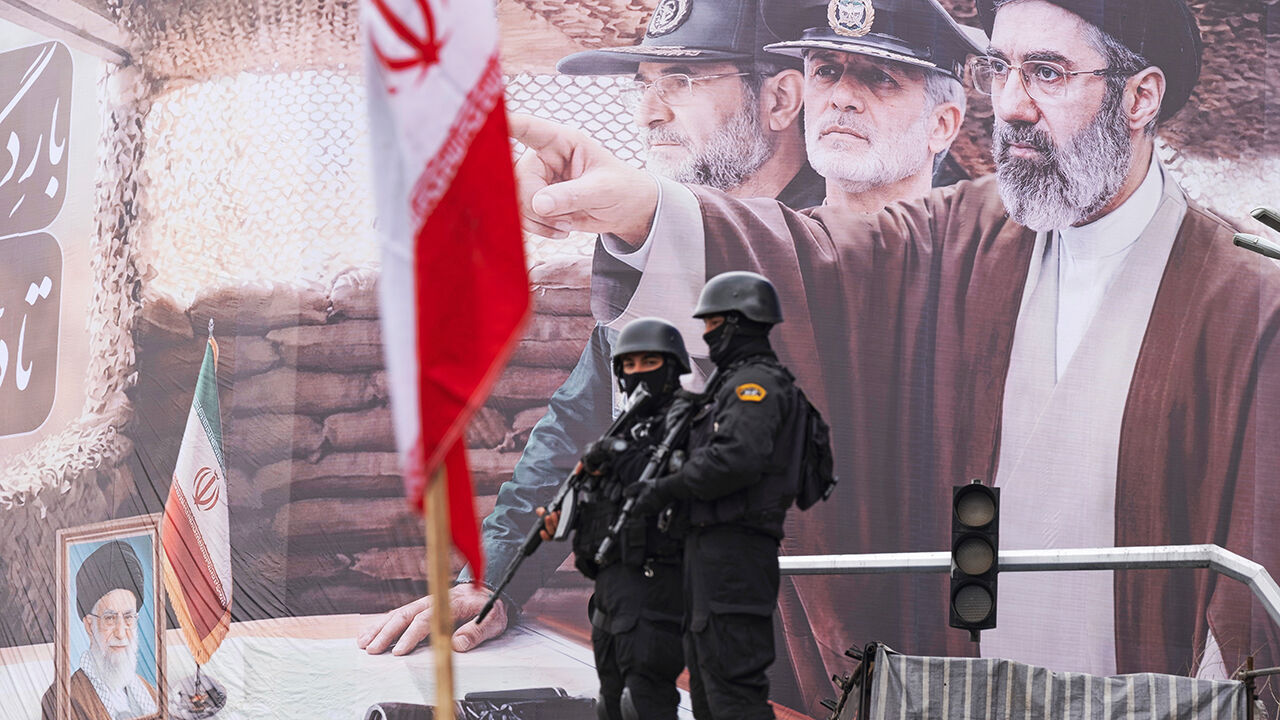
As he plots an endgame, Trump appealed directly to the IRGC and other components of Iran’s security apparatus during his video address early Saturday, telling members they will receive immunity if they lay down their arms.
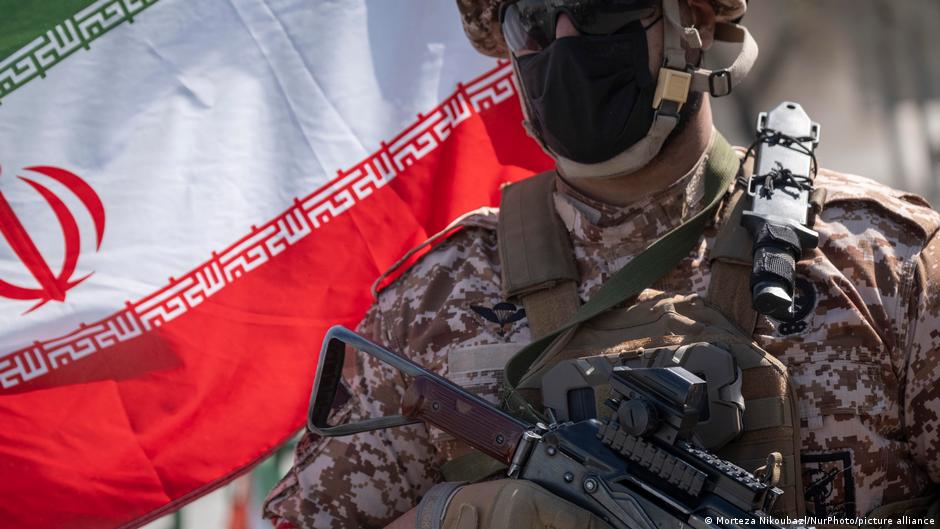
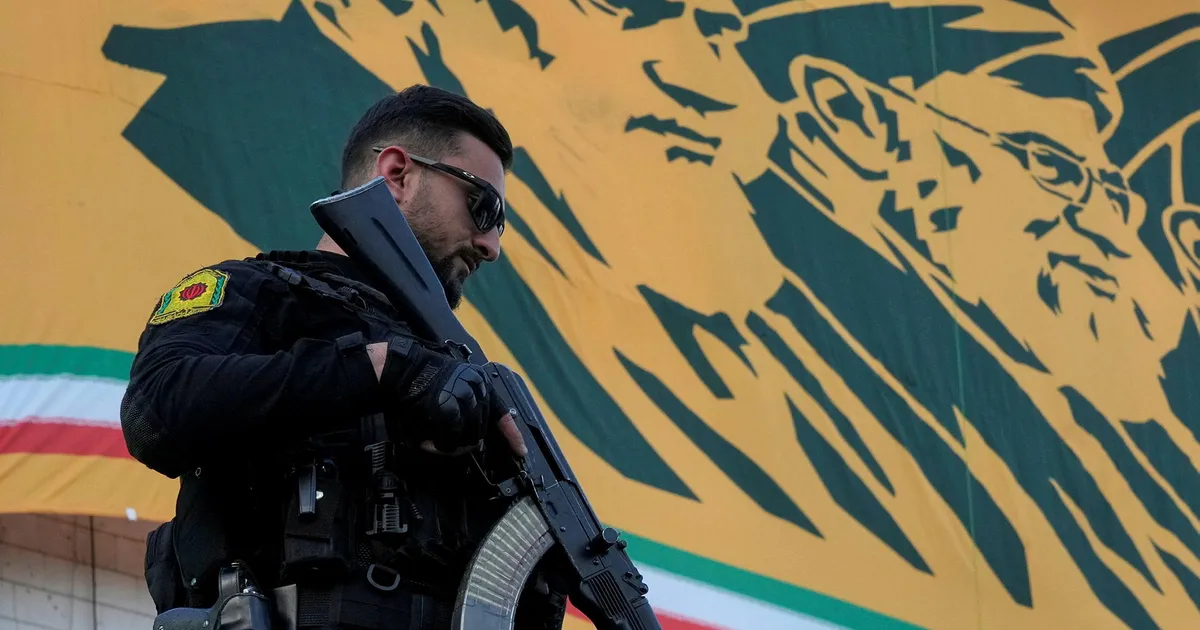
The IRGC began as a paramilitary force after the 1979 revolution to ensure the regime’s political power by enforcing Islamist ideology and cracking down on dissent.
It’s composed of military units that run parallel to, but outside of, Iran’s conventional forces. Over the years, the IRGC also developed a diversified business empire that helps finance the regime as well as its own military and ideological agenda. That empire includes core industrial sectors like oil and transportation as well as banking, telecommunications, agriculture, medicine, and real estate.