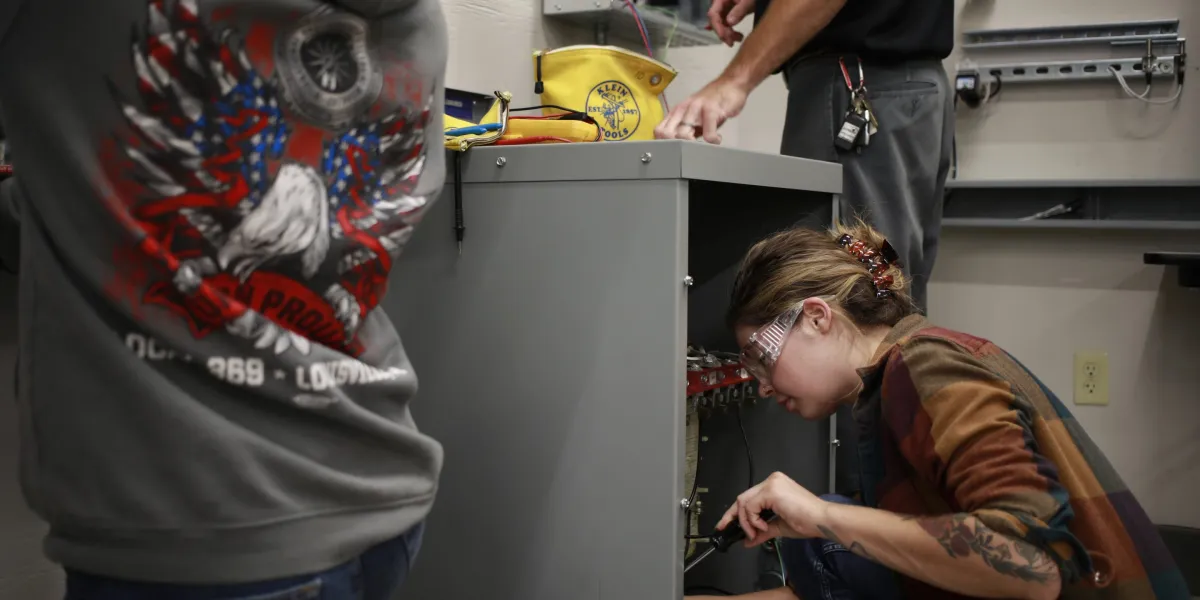
He could start earning about $42,000 in his first year while taking classes just two nights a week at his local IBEW chapter in Newport News, Va. By the time he graduates as a journeyman this summer, he expects to make around $71,000—and, as he puts it, spend his days in a job that feels like he’s playing with “adult Legos.”
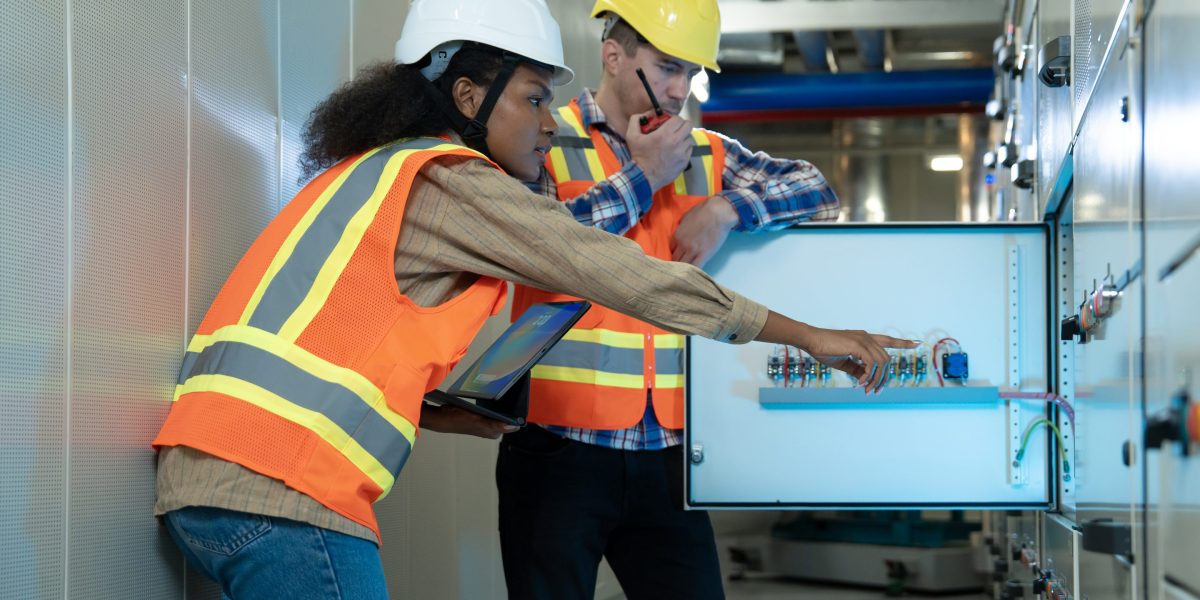
Bowman, now 22, is part of a growing wave of Gen Z workers reconsidering jobs once treated as not even worth their consideration: electrical work, HVAC, plumbing, and other skilled trades. Part of that shift is cultural—there’s less stigma, more TikTok visibility, and more open talk about student debt and wages. But part of it is economic: Many entry-level white-collar jobs are feeling more like pits than ladders. Companies have been rethinking their hiring practices as questions around the future of work spiral in the wake of the rapid adoption of artificial intelligence.
What feels like a lifeline for twentysomethings like Bowman—an affordable path to a stable career—has become what the International Brotherhood of Electrical Workers (IBEW) calls a “life or death” situation for companies like Amazon, Meta, and Microsoft: Without an army of electricians to build out data centers, the future of U.S. economic growth could be in jeopardy.