The WNBA has seven days until March 10—the date by which the league said if it hasn’t come to a collective bargaining agreement with players, its 30th season may not be able to start as scheduled in May.
For months, the league and its players have been trying to hammer out an agreement—a process that has brought to the surface many of the longest-simmering issues in women’s basketball. Players, paid relatively little by professional sports standards for years, are looking to earn their fair share of the league’s growing profits. The league, meanwhile, is conscious of the real economic challenges that it has faced and seems reluctant to agree to anything that could threaten its solid footing. It was only for the first time in 2025 that the WNBA even earned enough to trigger revenue sharing. It’s a complex dance, one that comes with years of baggage, passion, and genuine desire on both sides to see women’s basketball thrive into the decades ahead.
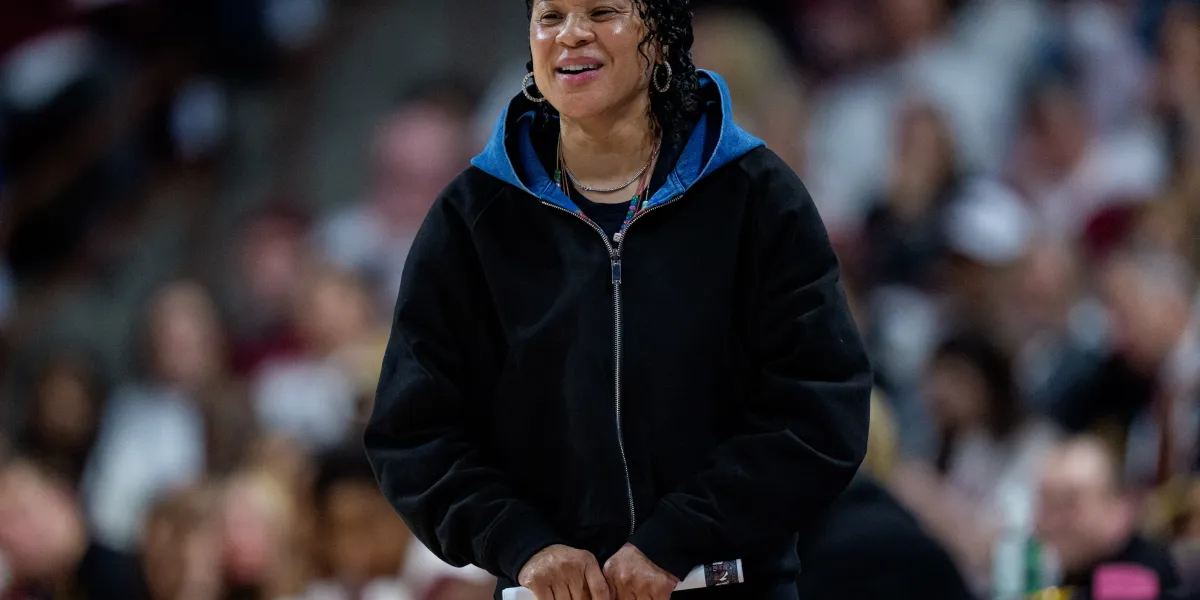
I was lucky enough to recently chat with a women’s basketball legend who has a view into all sides of this debate. Dawn Staley is a former WNBA star, now best known as the head coach for the South Carolina Gamecocks at the college level, where she’s won three championships. She’s seen the WNBA at all its high points and low points. She’s seen the economic potential of women’s basketball; her latest $4 million-a-year deal at South Carolina made her the highest-paid coach in women’s basketball. Last summer, she interviewed for the head coaching job at the New York Knicks—which, had she continued, would have made her the NBA’s first female head coach.