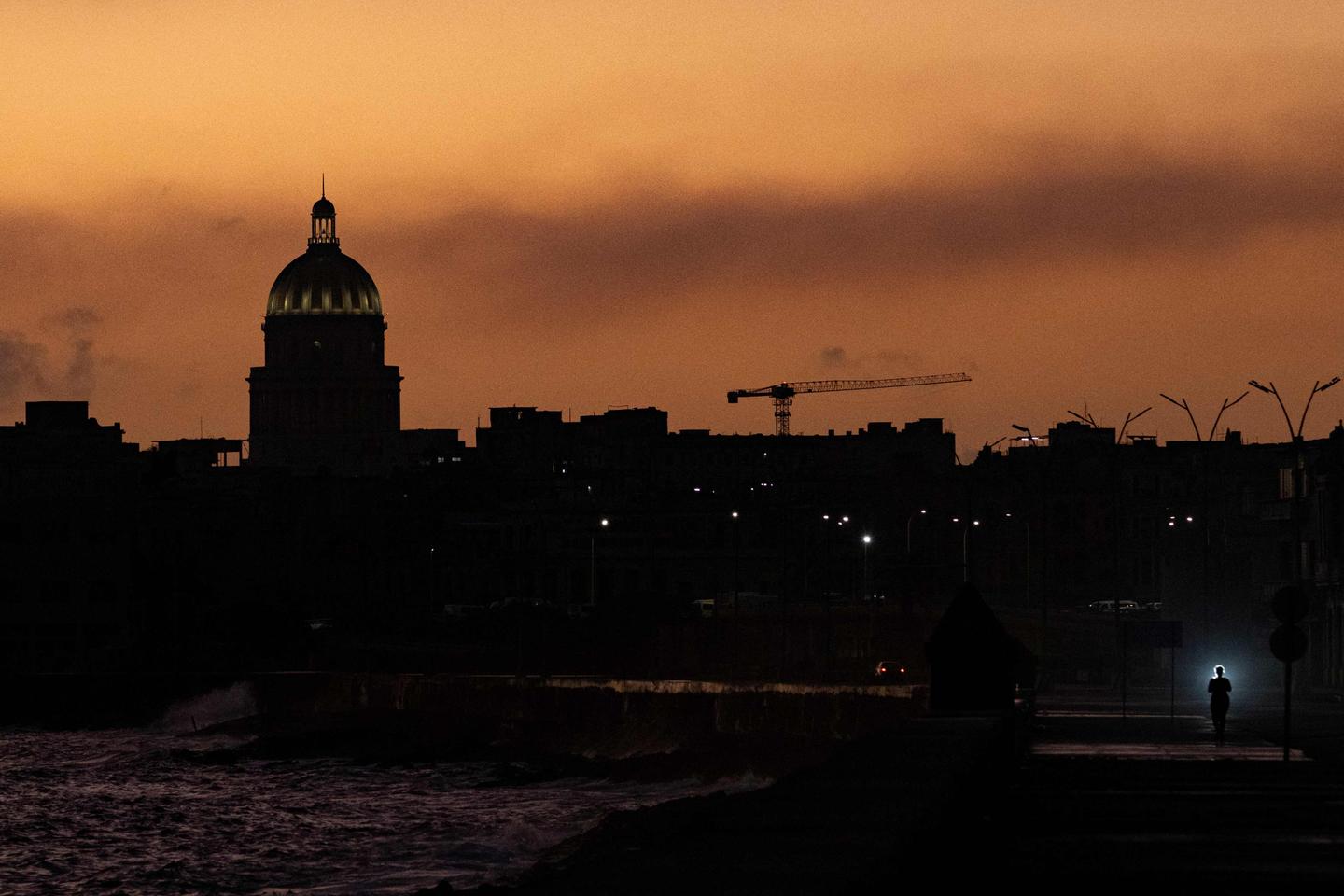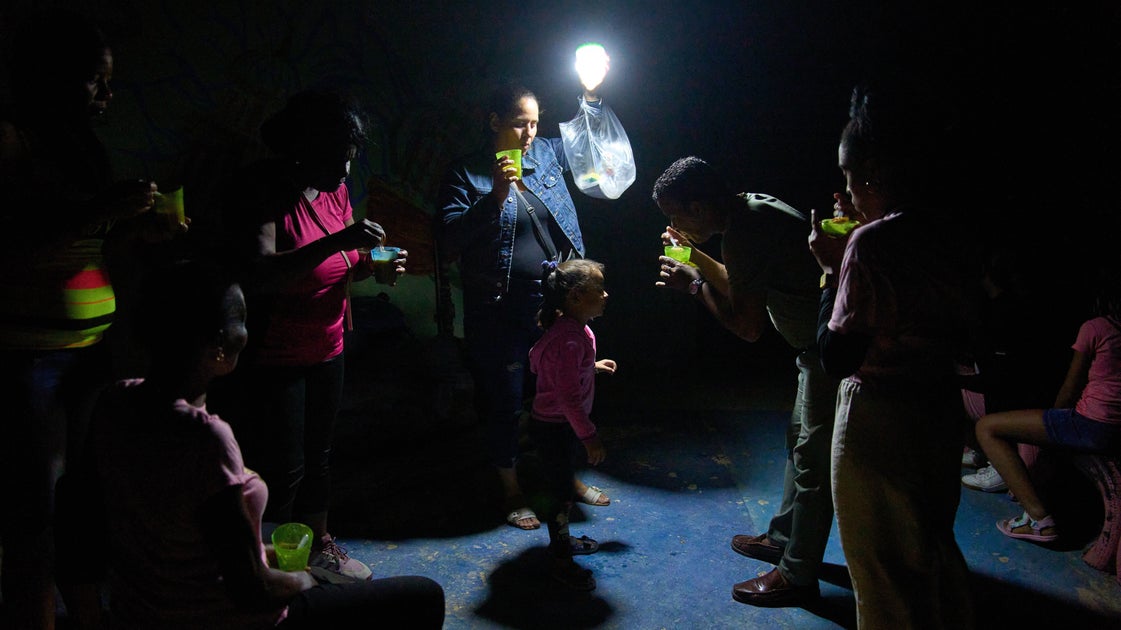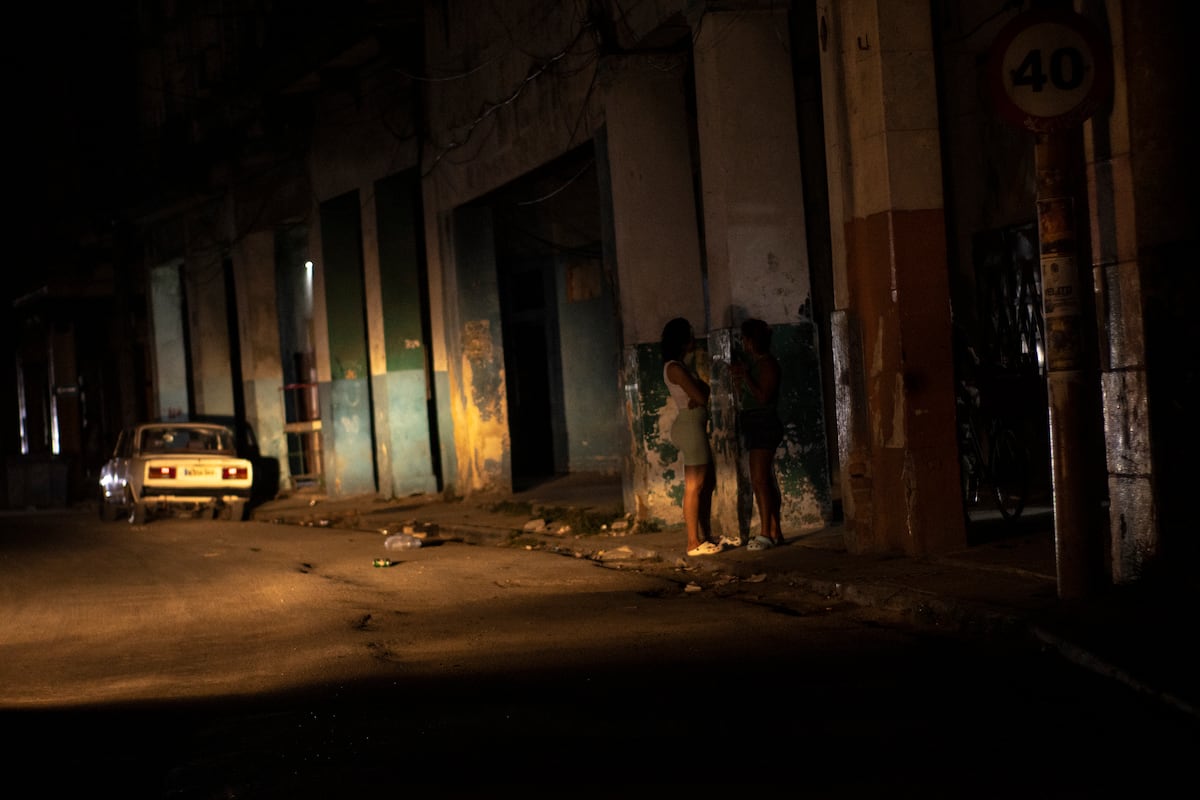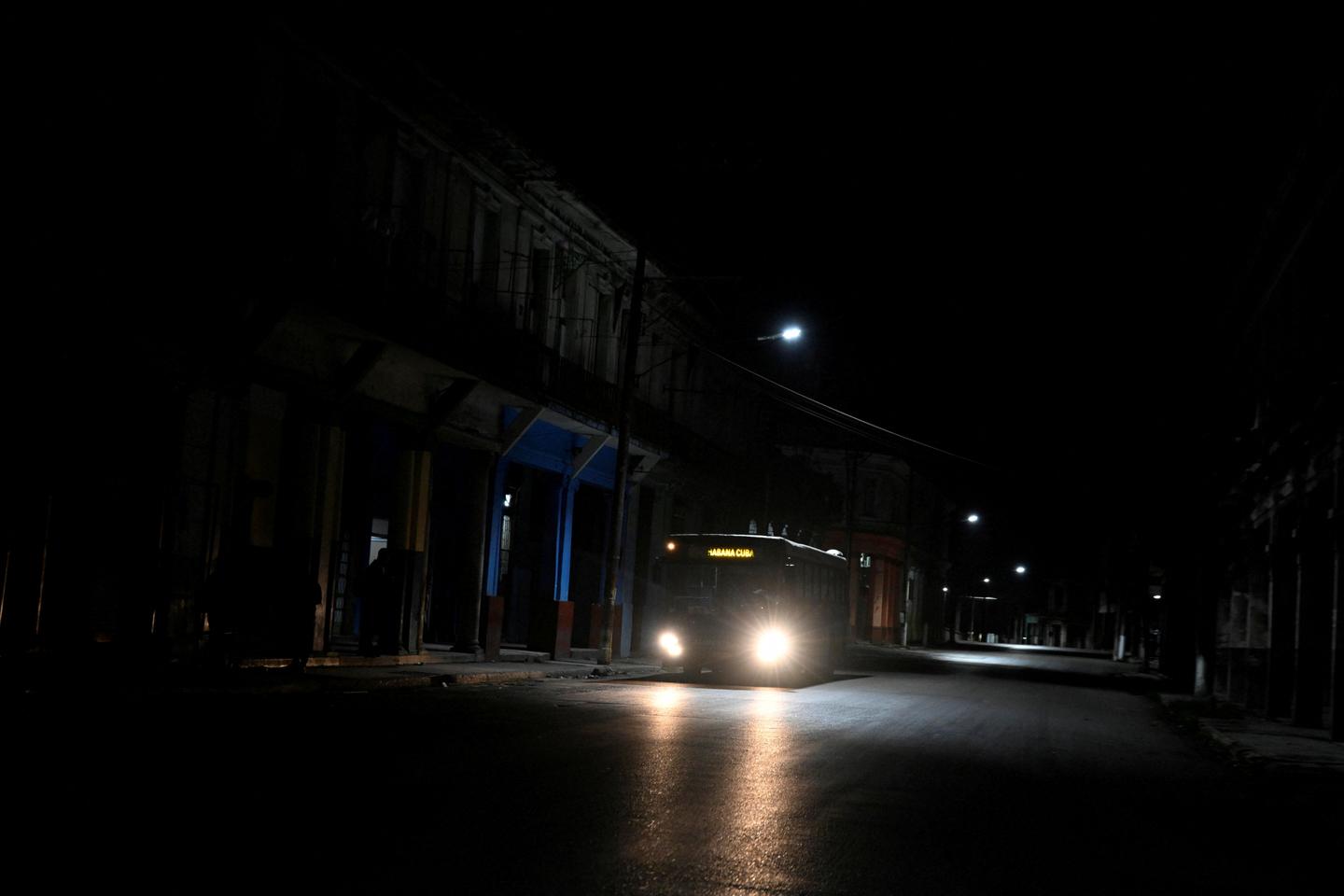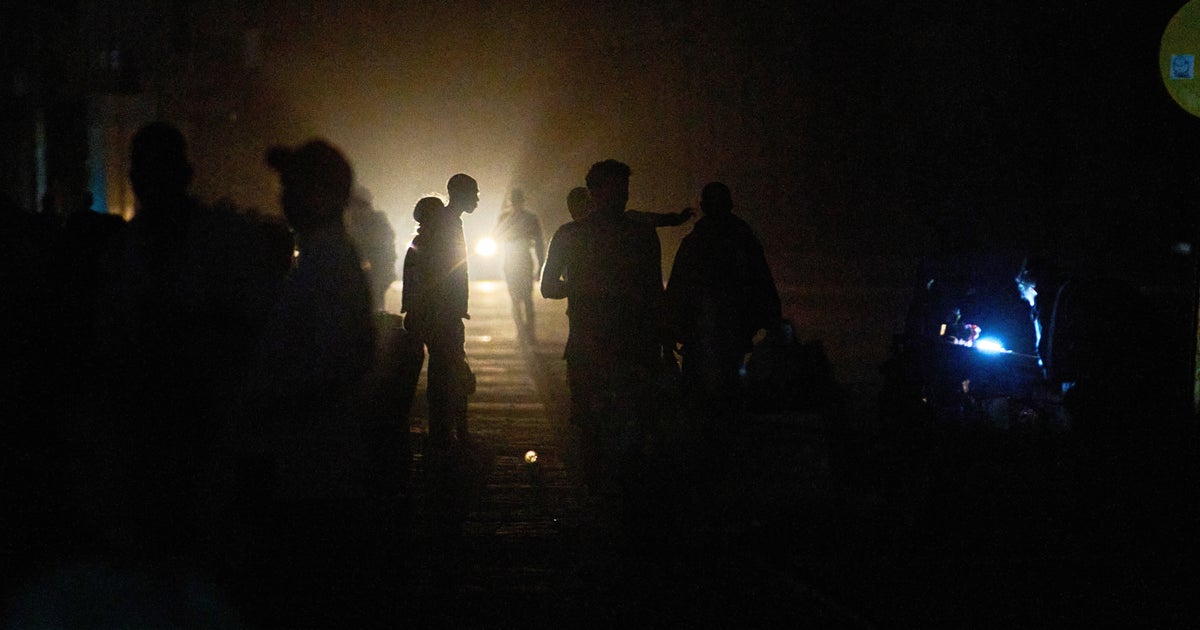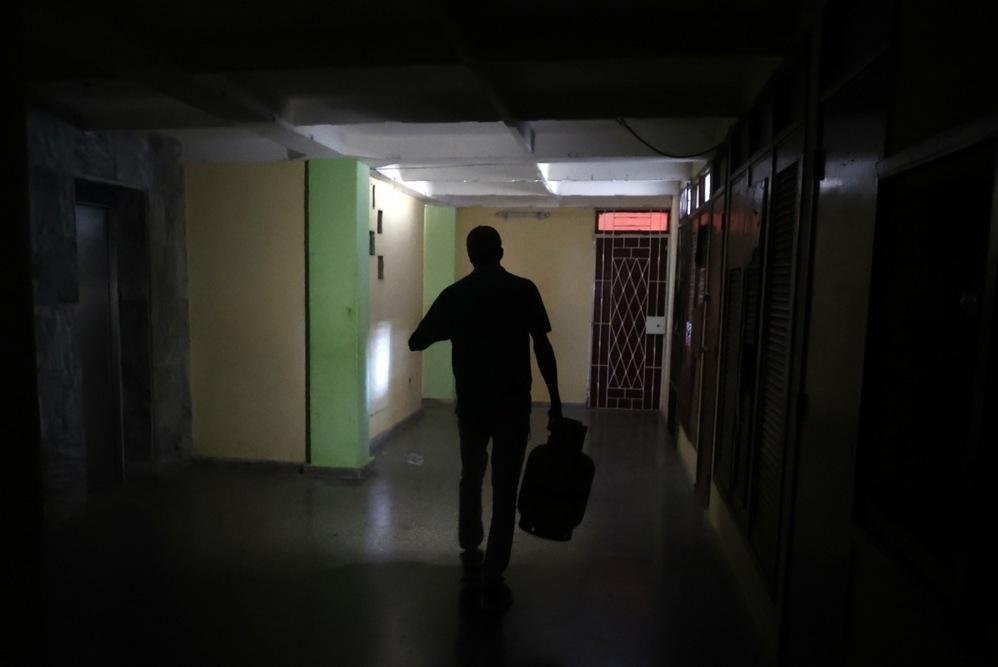
March 3 (UPI) -- Cuba began March facing a historic energy crisis, with an electricity deficit left 64% of the island in the dark due to fuel shortages and technical failures at its thermoelectric plants.
An electricity deficit is the condition in which demand exceeds the amount of electricity available to supply it. The grid simply doesn't have enough generation at that moment to meet what homes, businesses and infrastructure are trying to draw.
Cuba's National Electric System reported a deficit exceeding 2,000 megawatts, resulting in rolling outages lasting up to 20 hours a day, according to figures published on X by the state-run Electric Union, known by its Spanish acronym UNE.
For Tuesday's peak demand period, UNE forecast maximum consumption of 3,150 megawatts, while available generation capacity was expected to reach only about 1,890 megawatts. The resulting shortfall has forced authorities to disconnect circuits across the country to prevent a total and uncontrolled collapse of the grid.
Eight of Cuba's 16 thermoelectric plants are offline due to breakdowns and fuel shortages, according to reports. The plants, which process domestically produced and imported crude oil, operate within a system widely considered obsolete and underfunded.