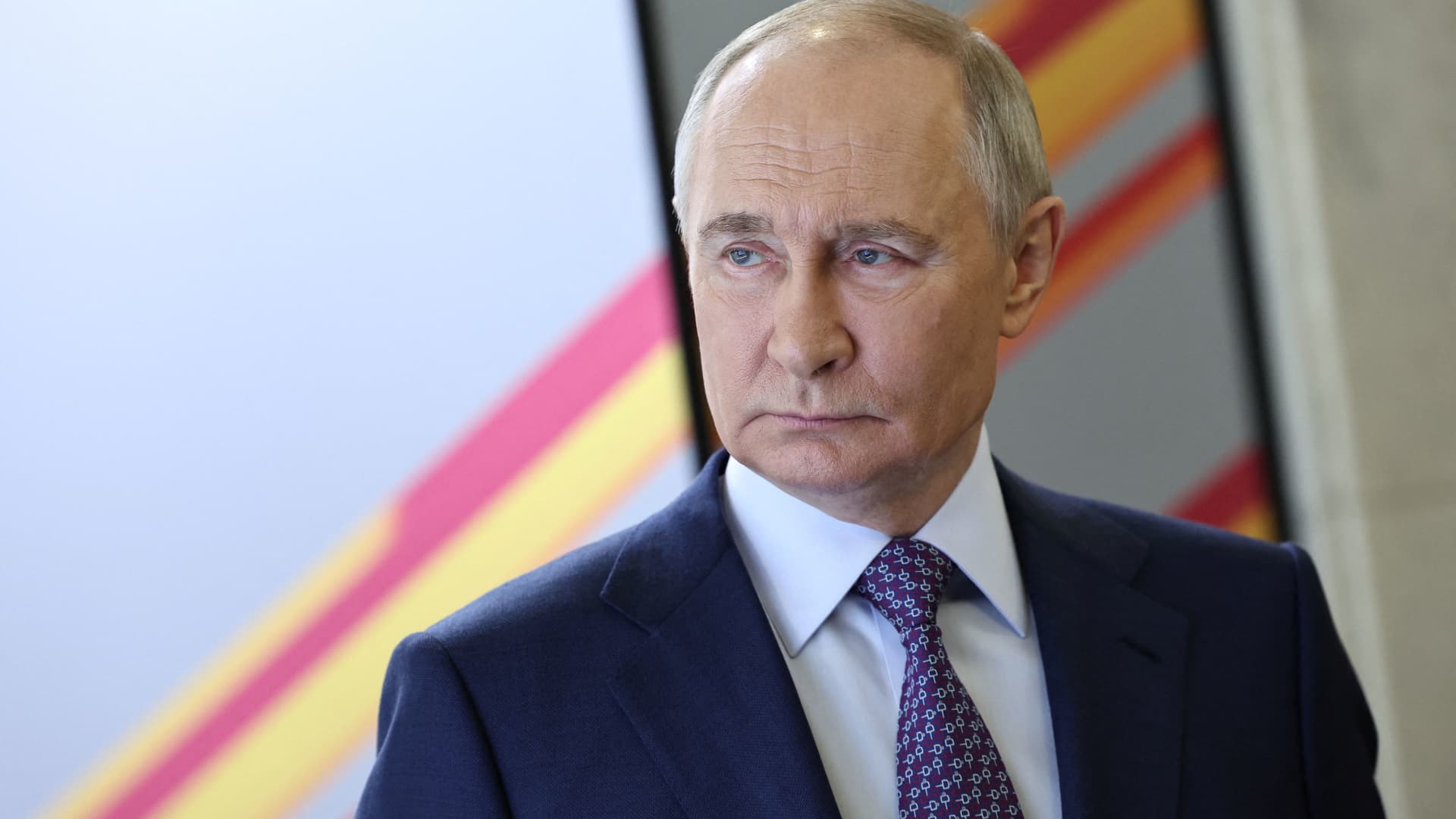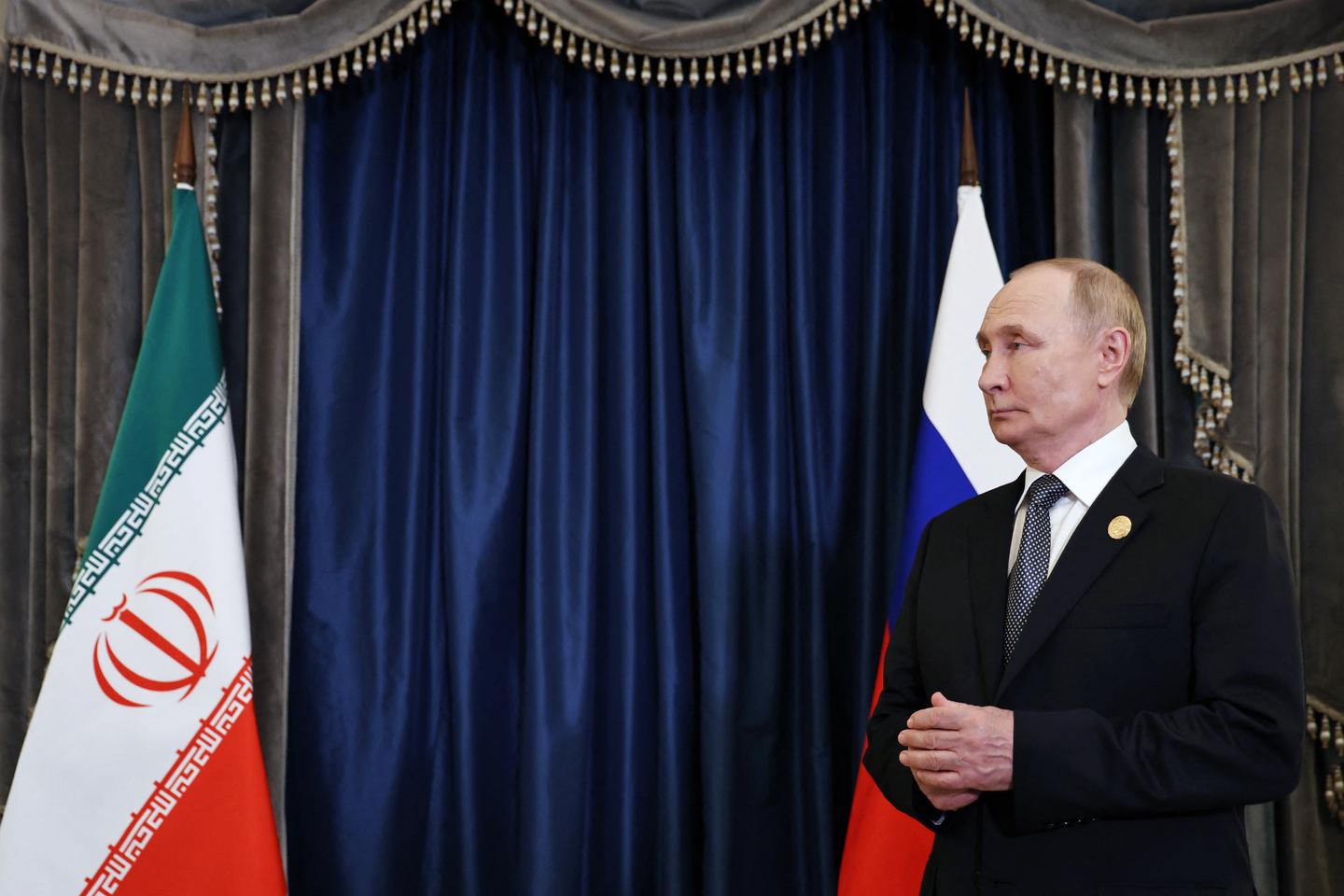
Russian President Vladimir Putin, on the sidelines of the Shanghai Cooperation Organization summit in Tianjin, China, on September 1, 2025. ALEXANDER KAZAKOV/AFP
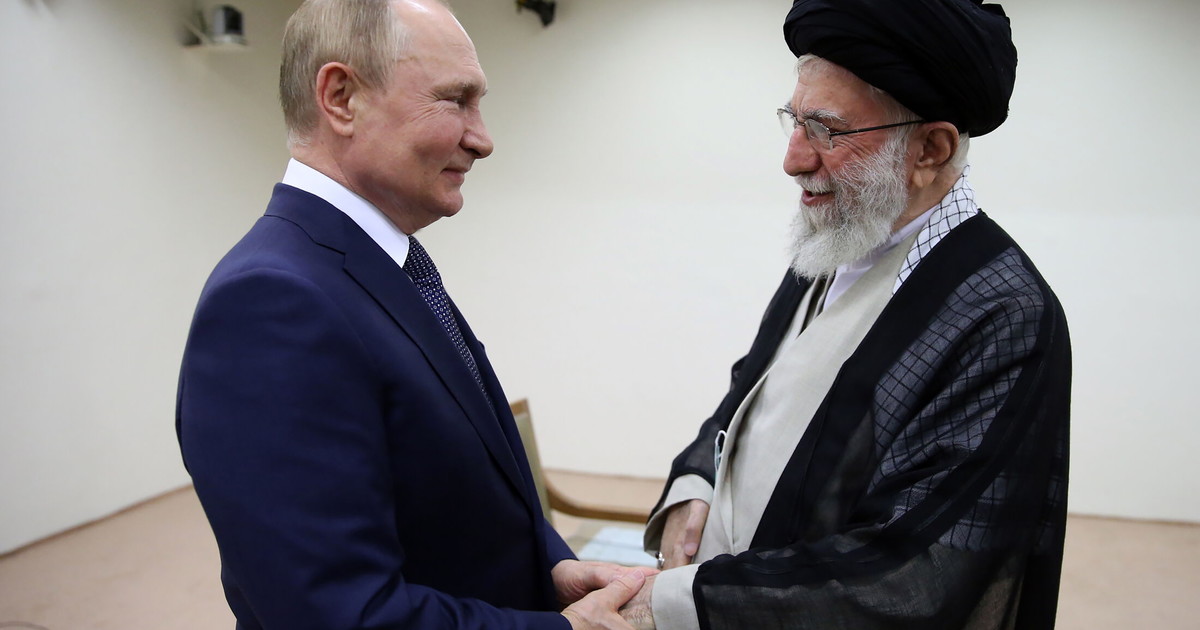
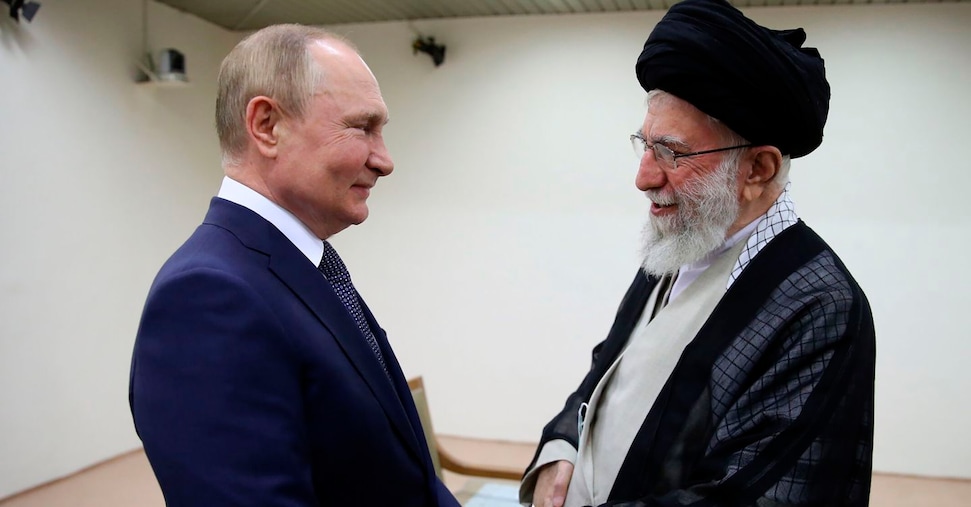
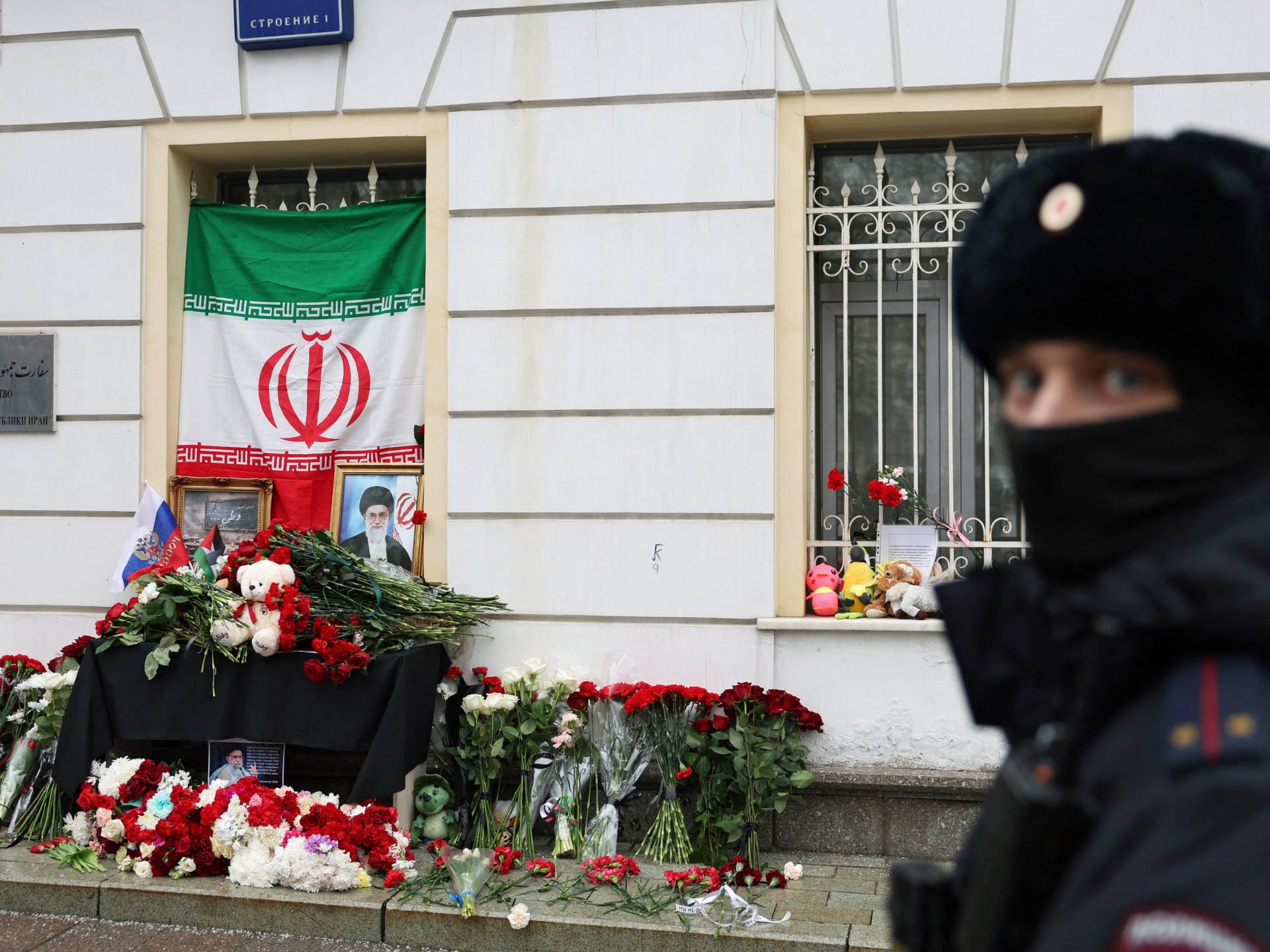
Verbal support is all Vladimir Putin has been able to offer his allies: Syria's Bashar al-Assad, Venezuela's Nicolas Maduro and now Iran's Ali Khamenei. The Russian president has watched them fall from power one after another, without lifting a finger to defend them. In a letter of condolence sent on Sunday, March 1, to his Iranian counterpart Masoud Pezeshkian, the Russian president paid tribute to the late supreme leader, describing him as "an outstanding statesman who made an enormous personal contribution to the development of friendly ties between Russia and Iran and to raising them to the level of a comprehensive strategic partnership."
Condemning a "cynical violation of all norms of human morality and international law," Putin nevertheless avoided any mention of the United States in his letter, so keen was he not to antagonize American President Donald Trump, on whom he is relying to support his objectives in negotiations with Ukraine.
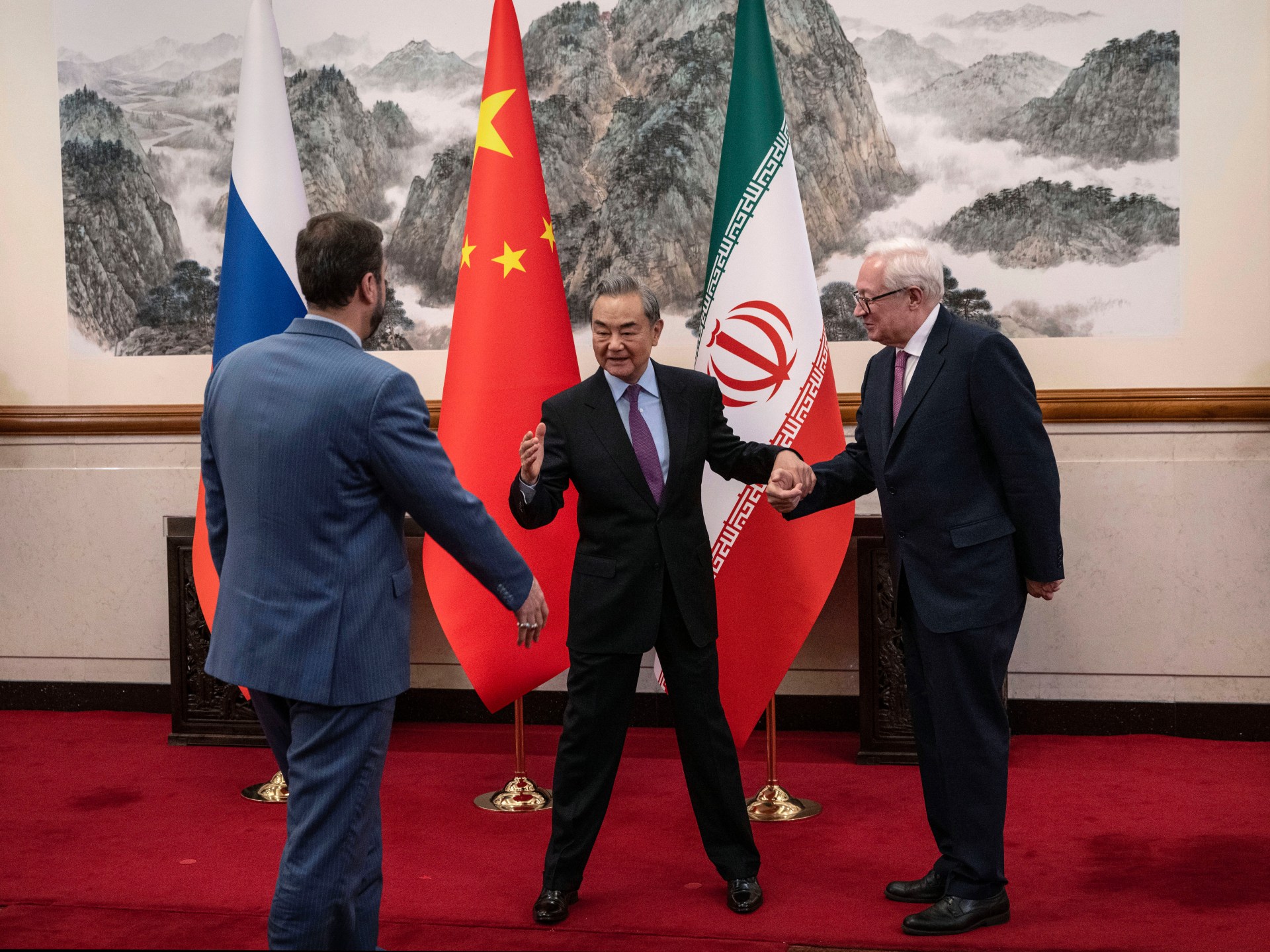
At first glance, Russia's powerlessness reflects "a strategic downgrading both regionally and globally," according to Tatiana Kastouéva-Jean, a researcher at IFRI, the French Institute of International Relations. "In Syria, Venezuela and through the loss of influence in resolving the conflict between Armenia and Azerbaijan, Moscow has proven incapable of protecting its partners and influencing the outcomes. In the summer of 2025, for example, Donald Trump bluntly rejected Russia's proposal to mediate in Iran. The very existence of these partnerships and Moscow's potential reaction are not factors considered by Washington, which clearly signals its view of Moscow's secondary strategic role," the researcher added.