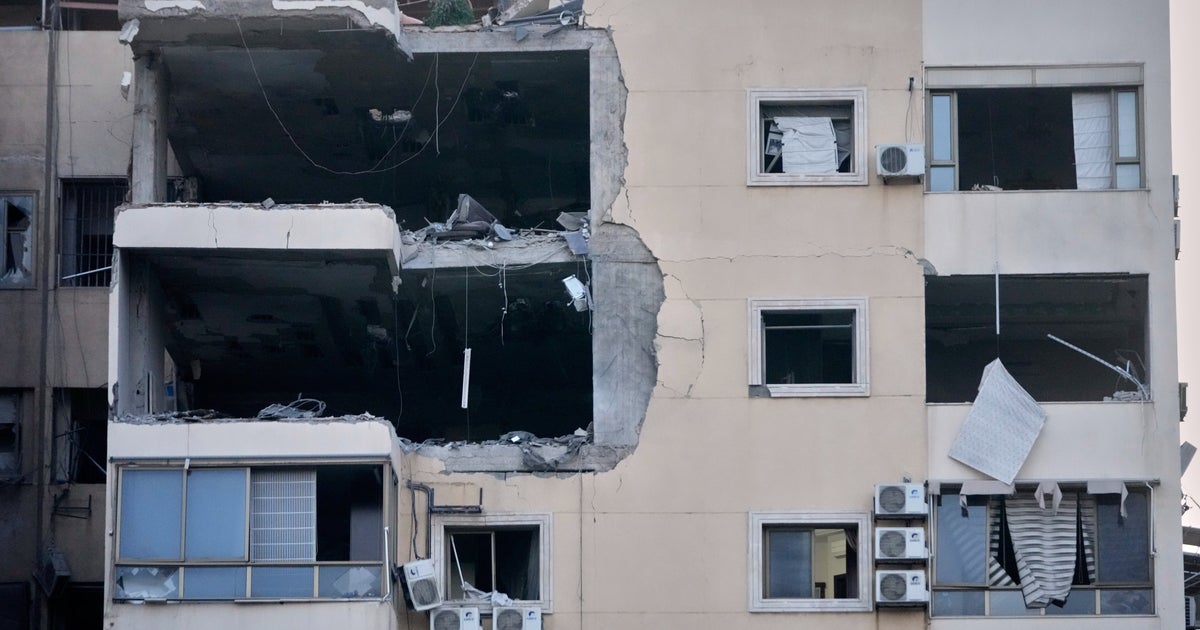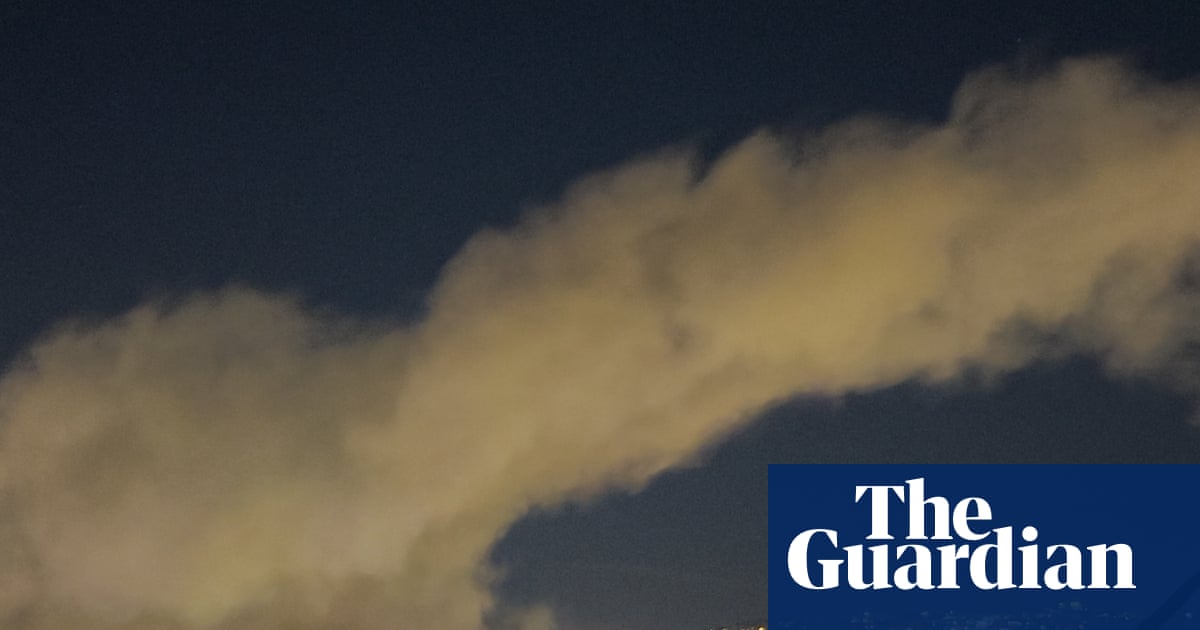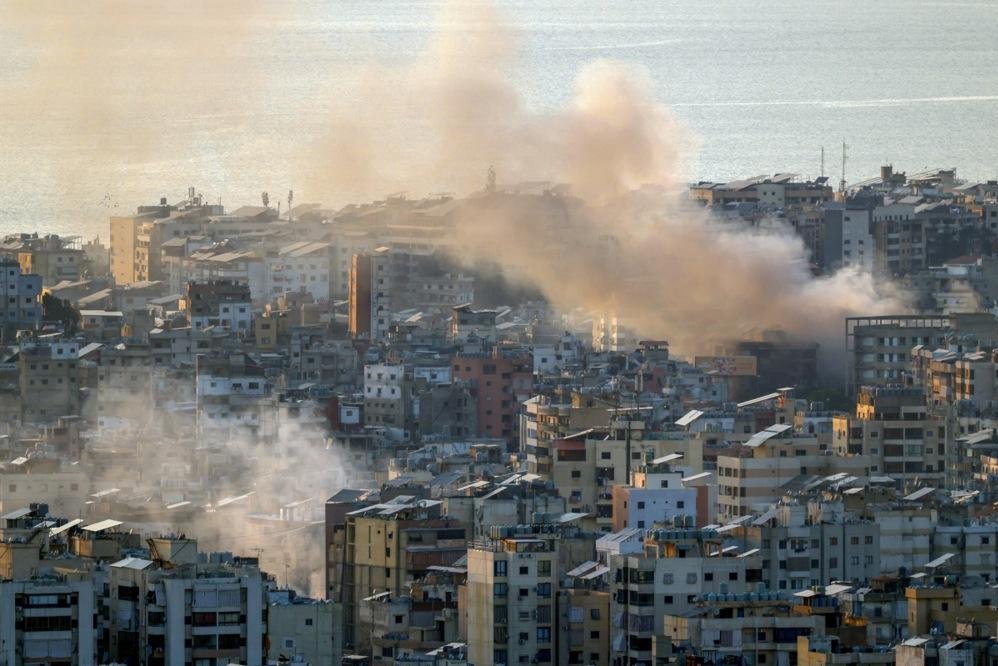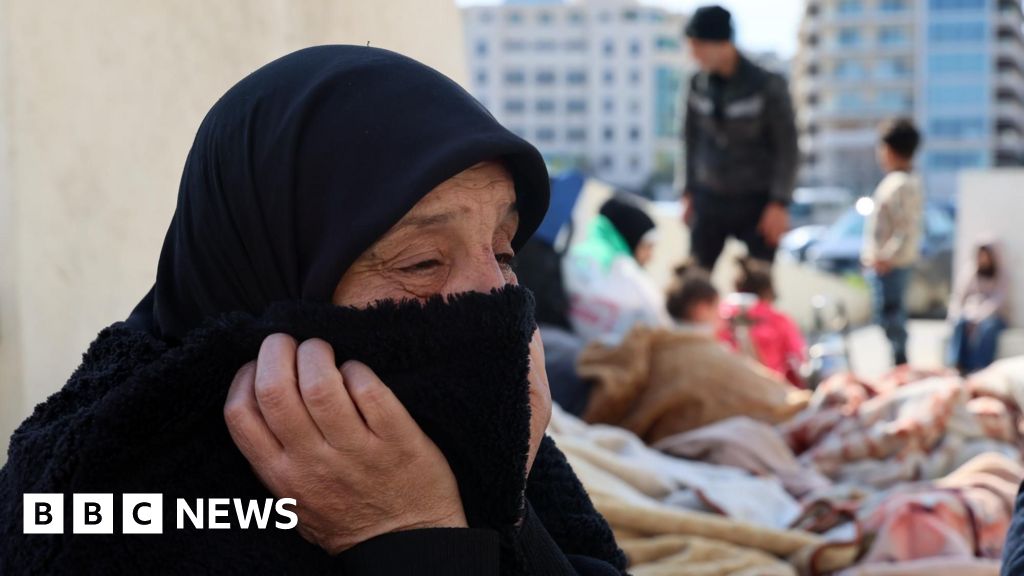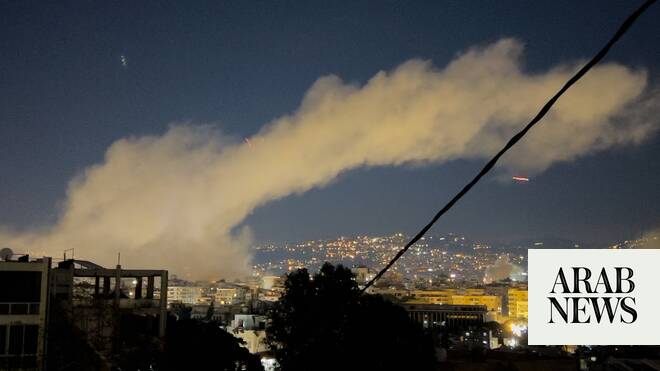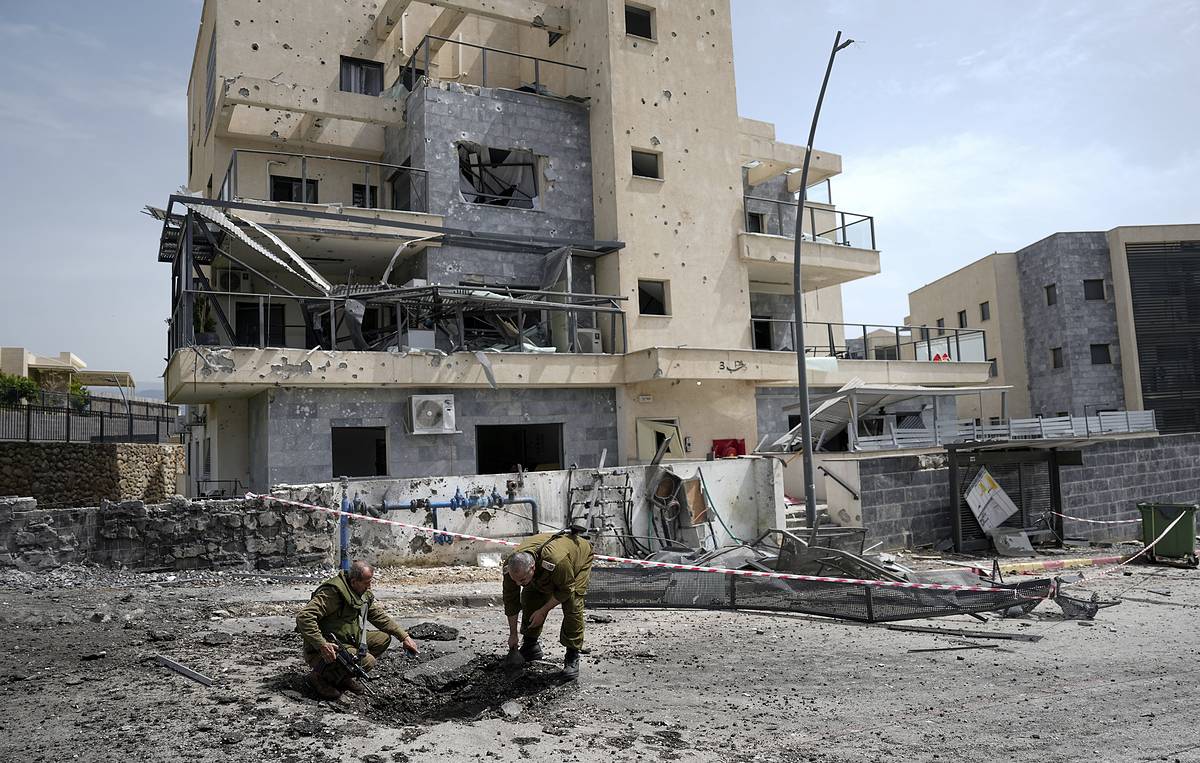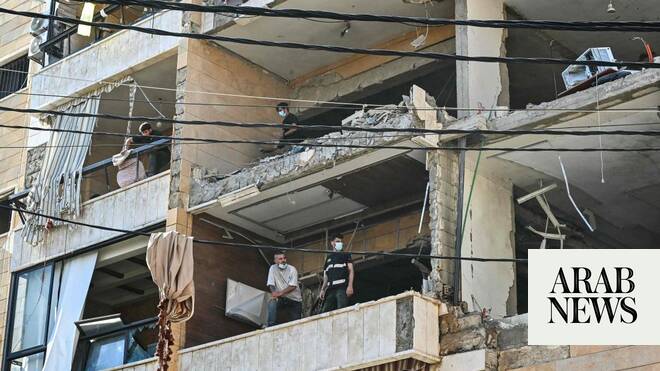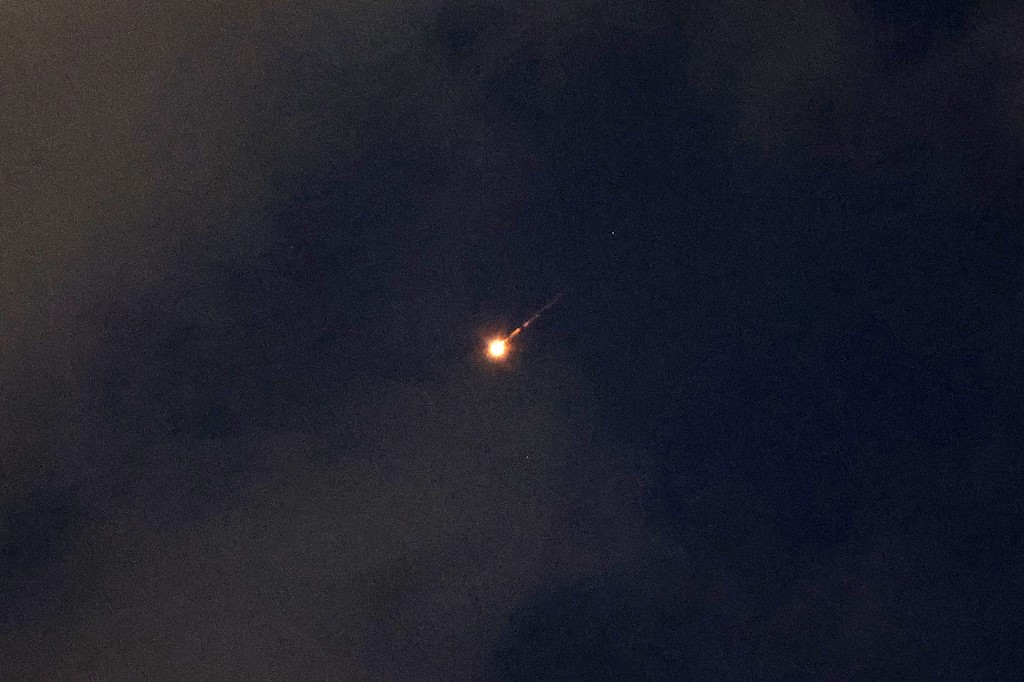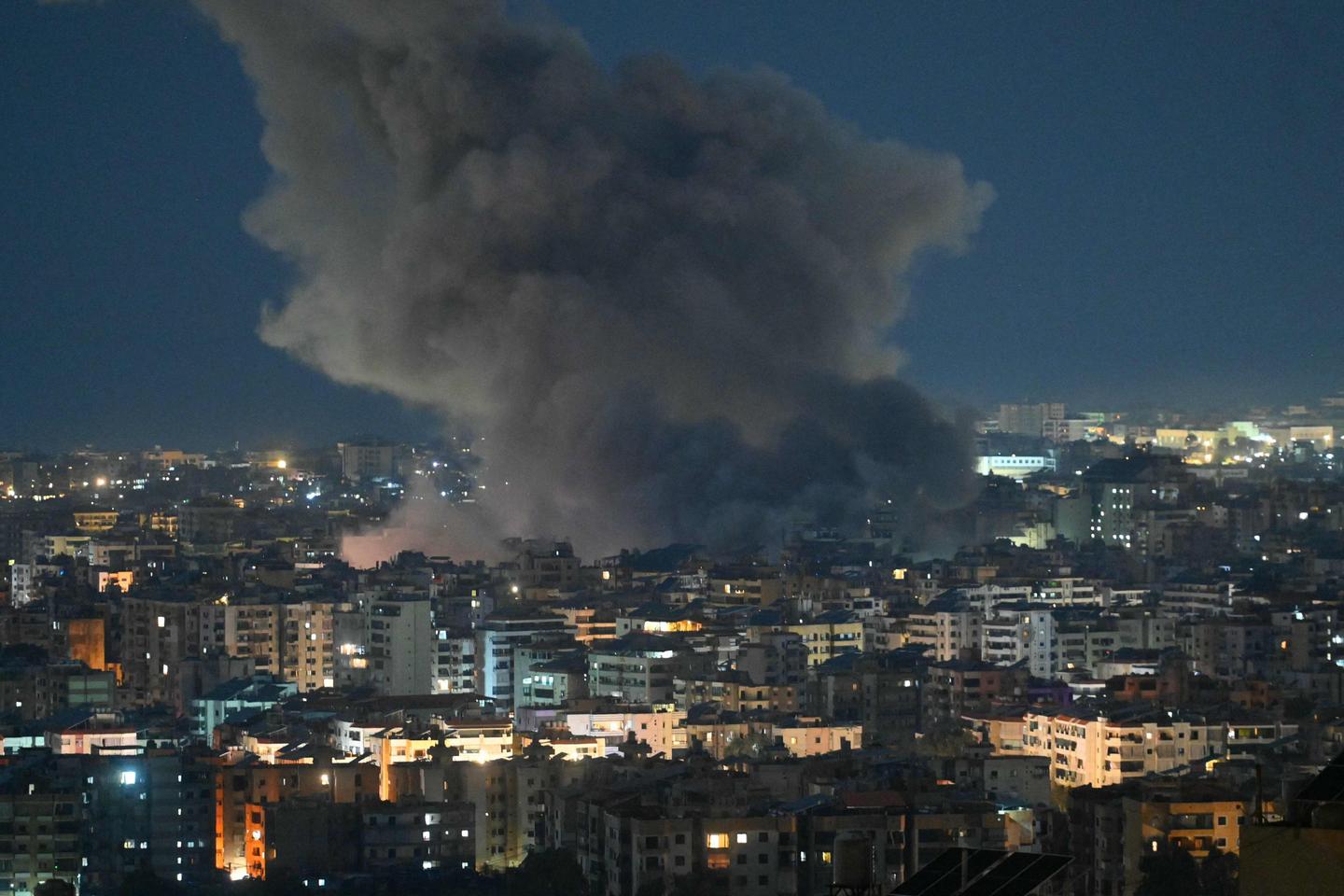
Following Israeli airstrikes on the offices of the Al-Manar channel, affiliated with Hezbollah, in the southern suburbs of Beirut, during the night of March 2 to 3, 2026. FADEL ITANI/AFP
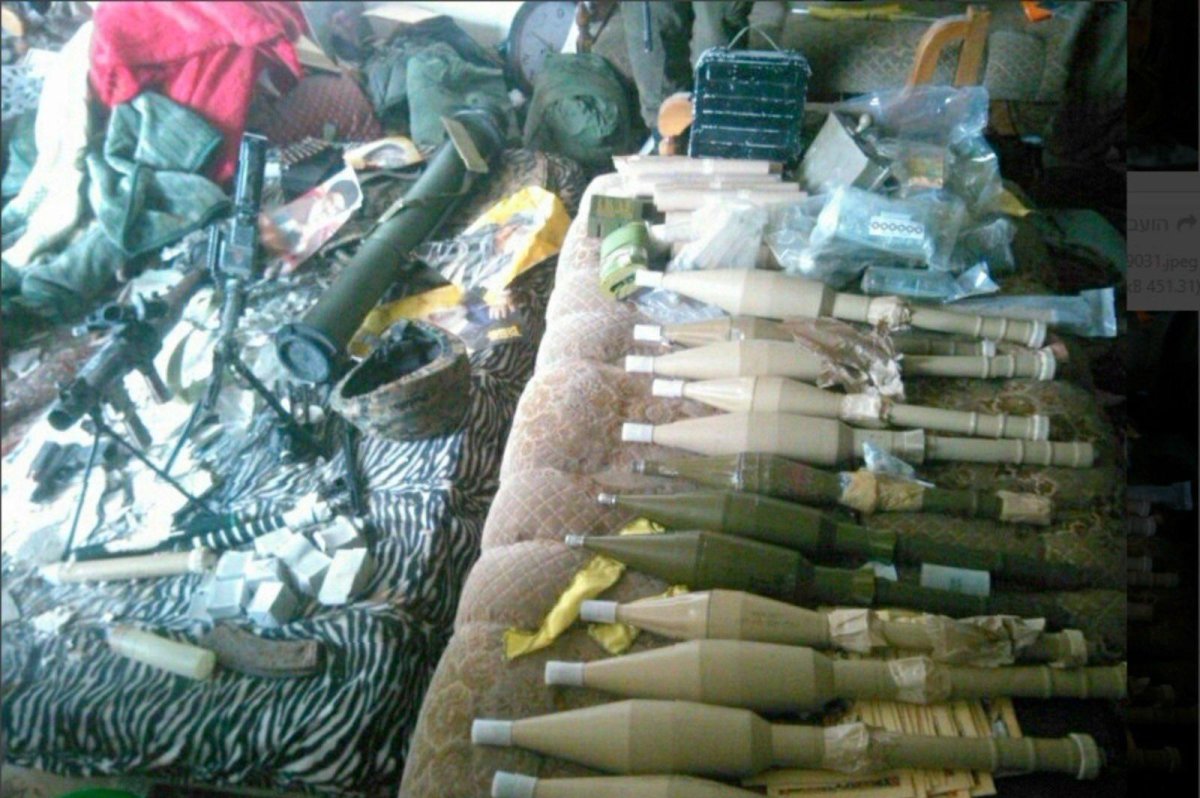
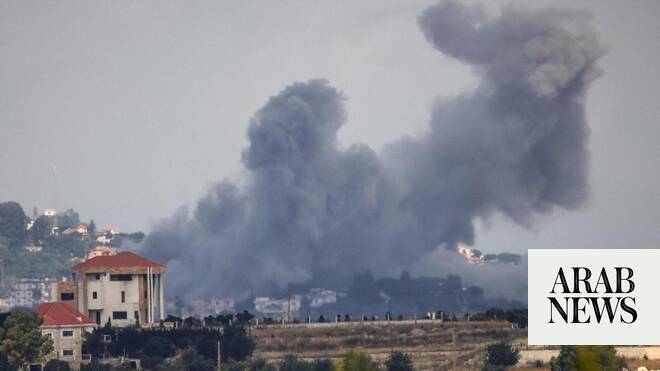
How far will Israel's army go? After the joint attack carried out against Iran on Saturday, February 28, together with the United States, Israel's forces launched a new operation against Hezbollah in Lebanon, after the group fired rockets at it on the morning of Monday, March 2. Israel now finds itself seriously engaged in a two-front war, with both of its adversaries potentially requiring equal levels of commitment.
Read more Israel orders military to seize new positions in Lebanon
"We will end this campaign with not just Iran being struck but with Hezbollah suffering a devastating blow," said Israeli Chief of the General Staff Eyal Zamir on Monday evening, while addressing officers from his army's Northern Command. The Israeli army "will not conclude the campaign before the threat from Lebanon is eliminated," the general added, instructing his troops to use all the assets at their disposal, whether they be land, naval or air forces.
Israel had prepared its offensive against Hezbollah several weeks beforehand. Despite the ceasefire the two parties concluded in November 2024, Israel conducted several preemptive bombings on many sites, in order to degrade the Iran-allied Islamist organization's military capacity. The new phase of Israel's offensive, which began on Monday, is expected to be far more intense. "Looking at the past two years of the war, I believe we are sending a very clear message to our enemies: There is no place where we will not find them," said Major General Shlomi Binder, head of military intelligence, on Monday. Binder, along with other Israeli officers, had traveled to Washington to help prepare the operation against the Islamic Republic of Iran.