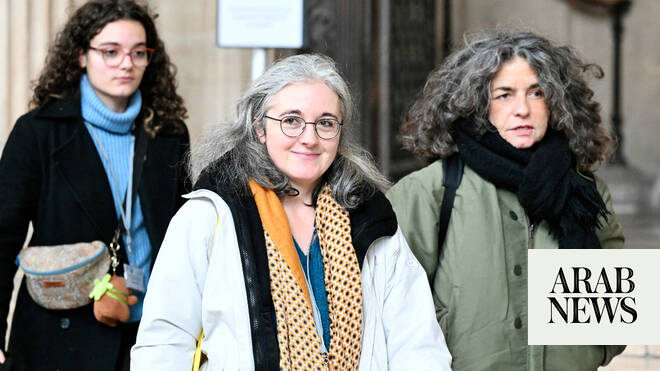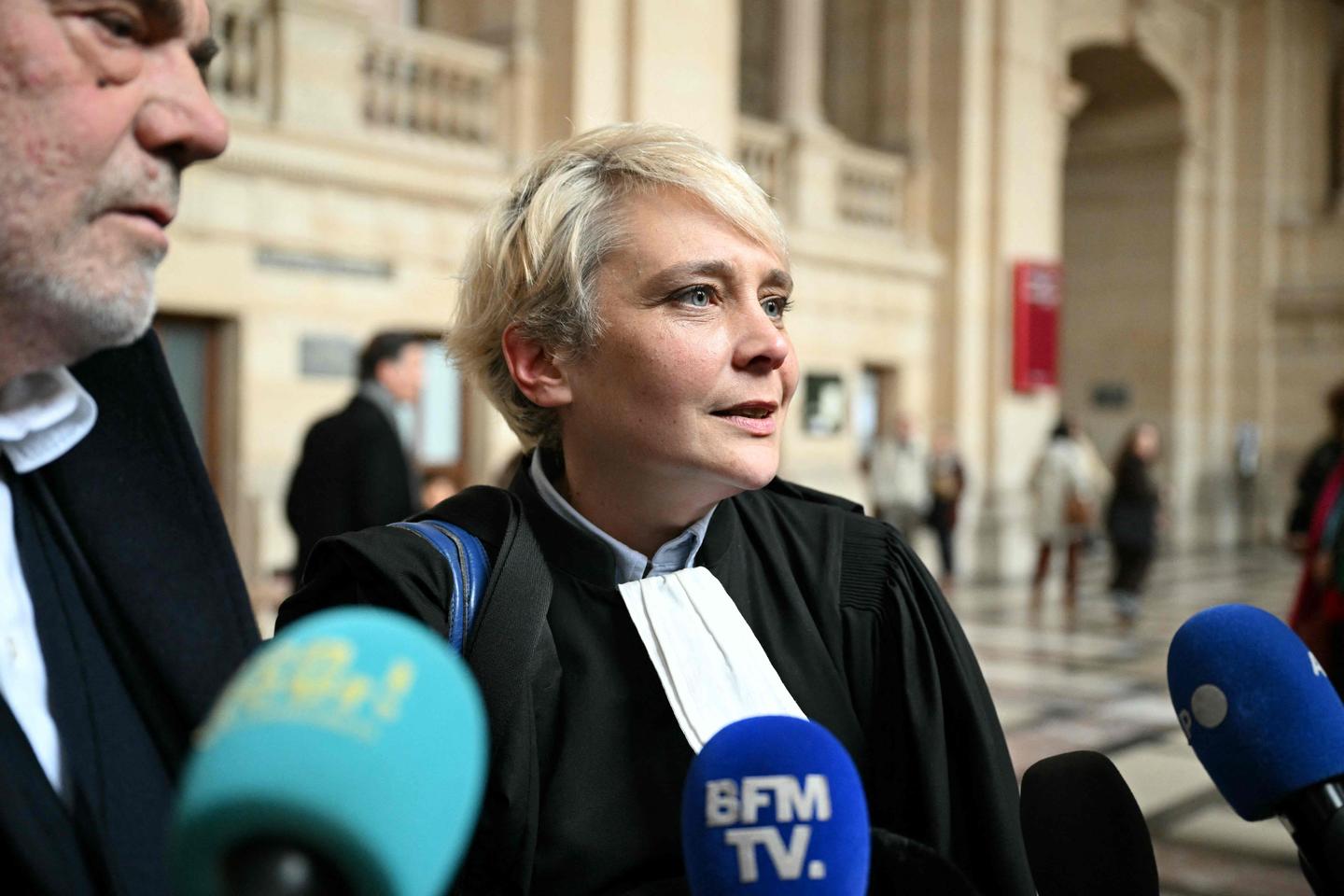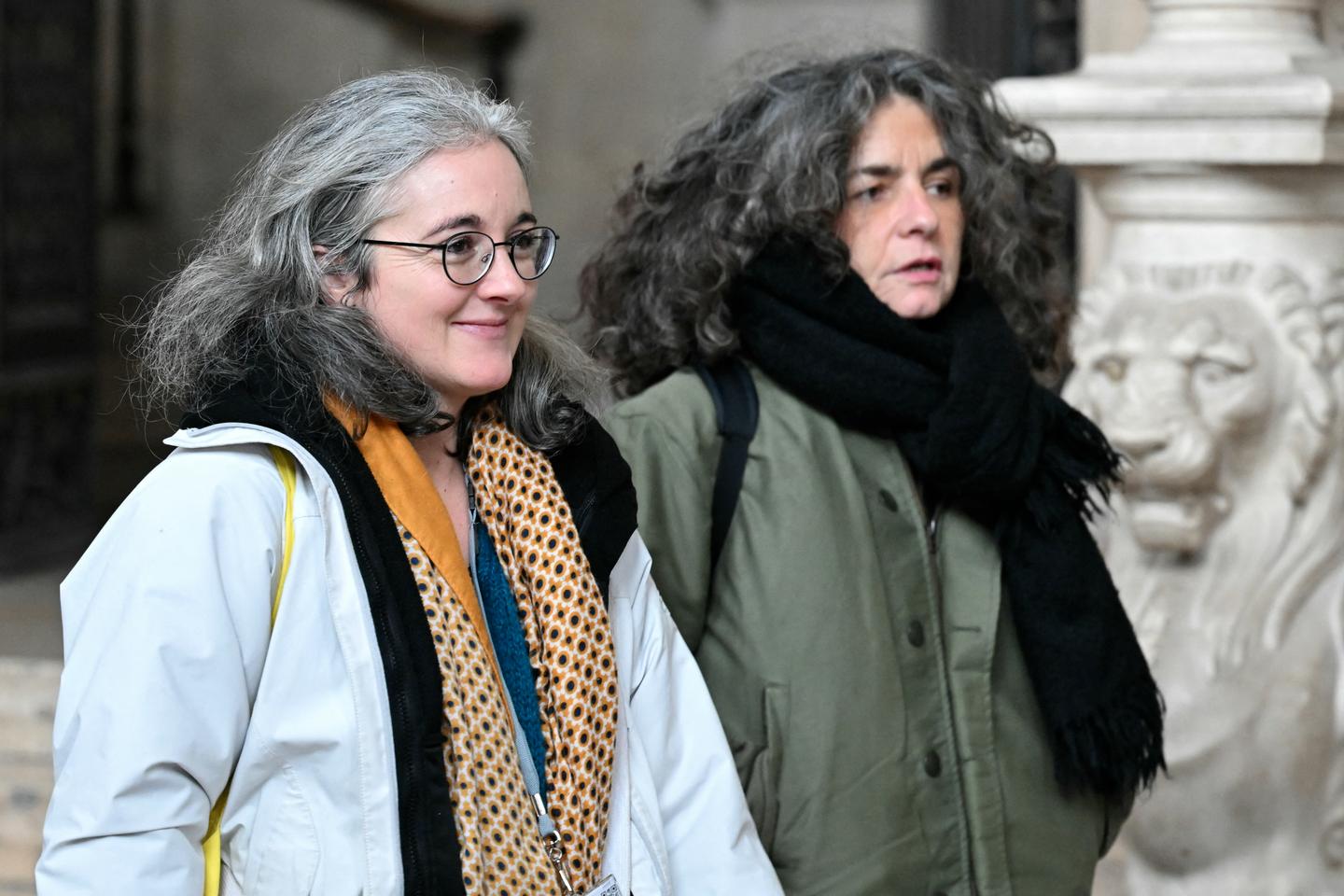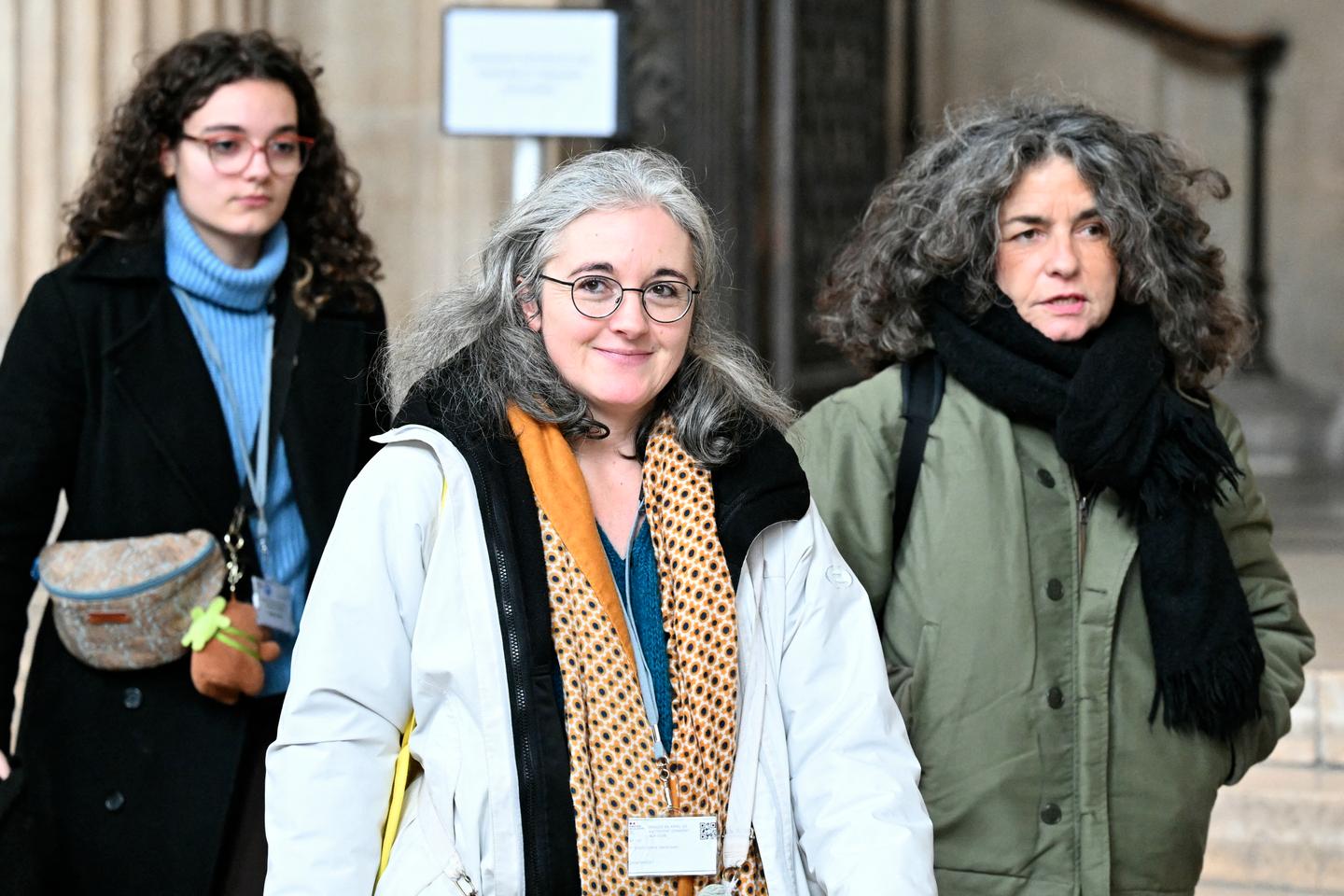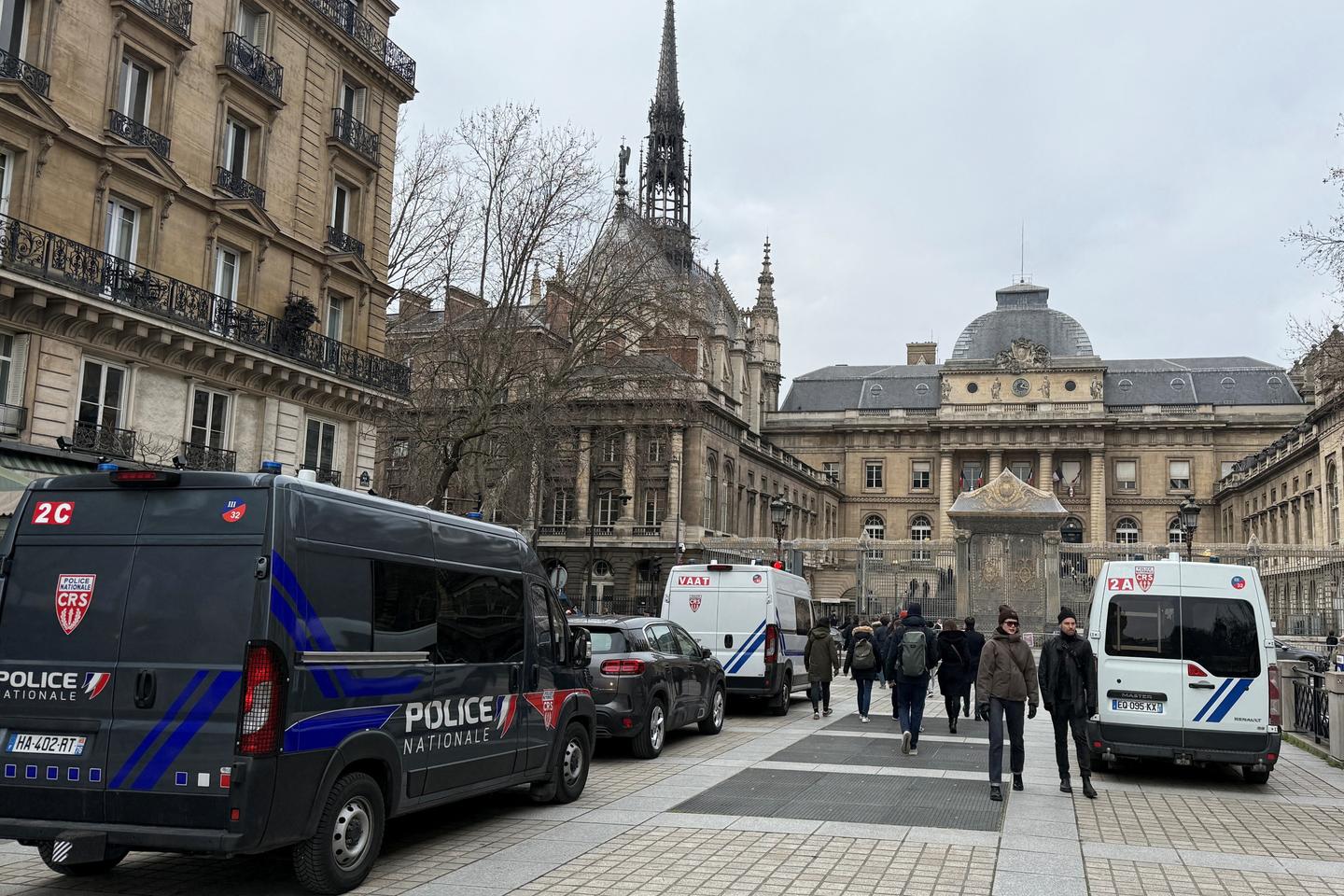
Outside the Palais de Justice in Paris, at the opening of the appeals trial for the murder of Samuel Paty, January 26, 2026. MICHAEL EVERS/DPA/PICTURE-ALLIANCE
In anti-terrorism cases, it is rare for an appeals trial to result in a more lenient verdict than the original trial. After five weeks of hearings, the special criminal court of appeal in Paris, which retried four men for their involvement in the murder of Samuel Paty, handed down sentences on Monday, March 2, ranging from six years in prison to 15 years in a criminal facility. These sentences were lighter for three of the defendants than those delivered at the first trial in December 2024.
The most striking aspect of this verdict concerned the two least publicized defendants in the case: Naïm Boudaoud and Azim Epsirkhanov, both friends of the murderer Abdoullakh Anzorov. They were accused of helping Anzorov obtain a knife and an airsoft gun and, in the case of one, driving him to the teacher's school on the day of the attack. They were sentenced to six and seven years in prison, respectively, for simple criminal conspiracy, without terrorist intent.
The judgment was a far cry from the recommendations of the prosecutor's office, which had requested sixteen years in prison for complicity in terrorist murder, as in the first trial. The presiding judge did not explain her decision in court; the reasoning will be released by Thursday. But with this verdict, the appeals court signaled that it believed the account of the two young men – 18 and 19 years old at the time – who consistently said they only helped their friend because they thought he wanted to settle a "dispute."