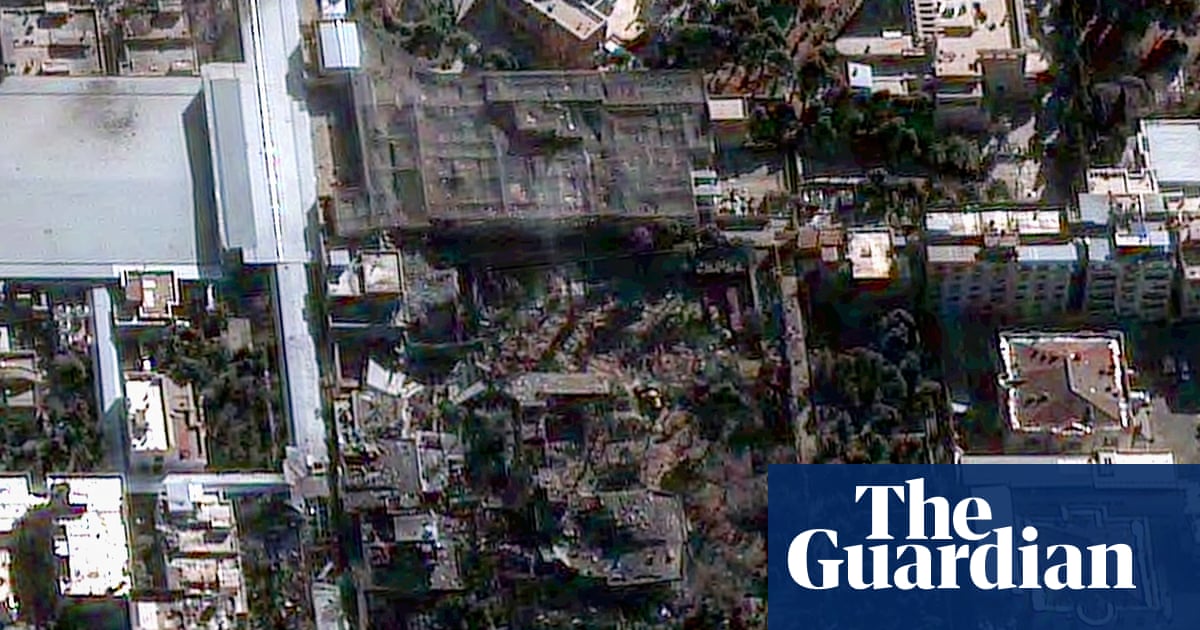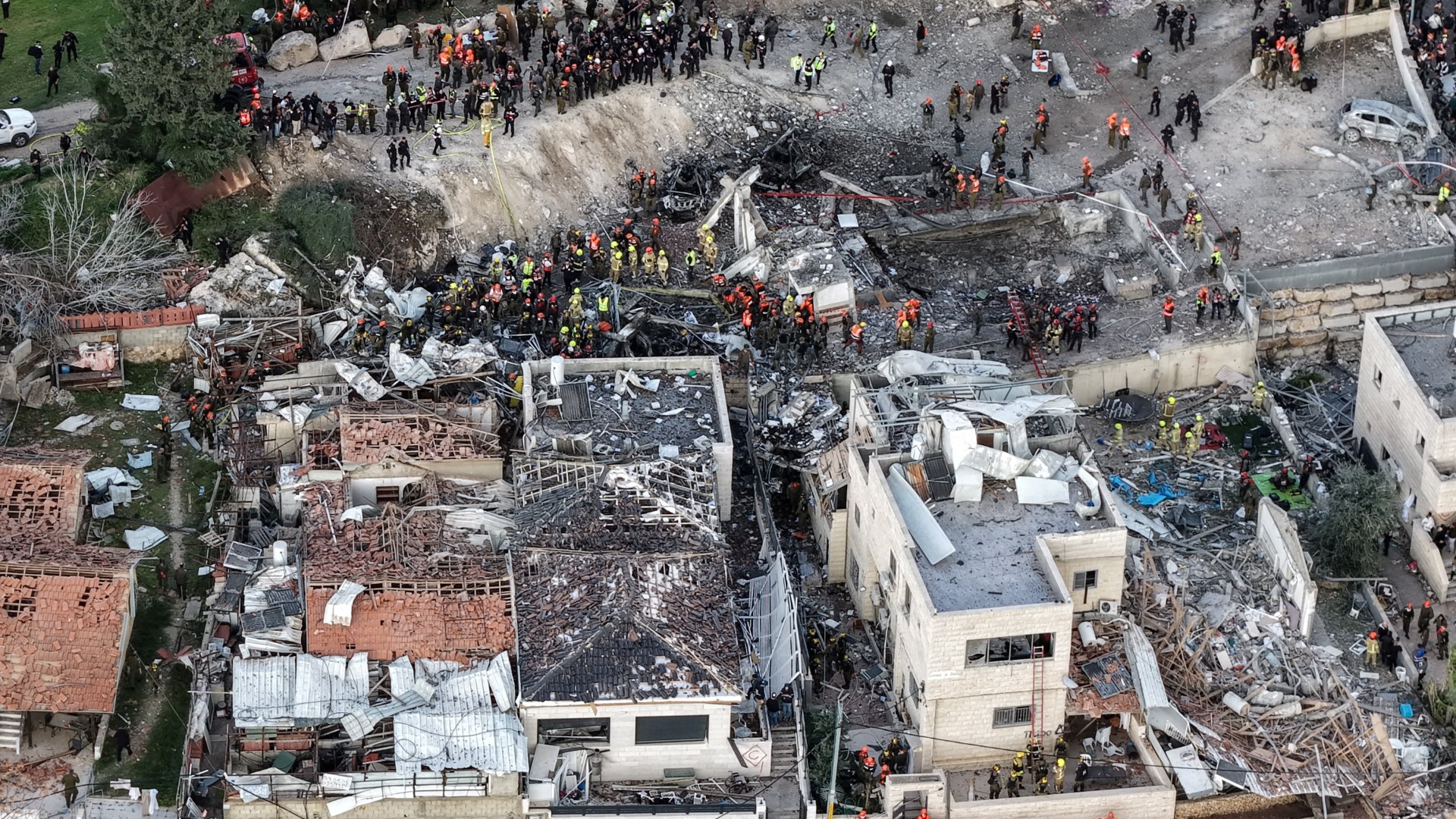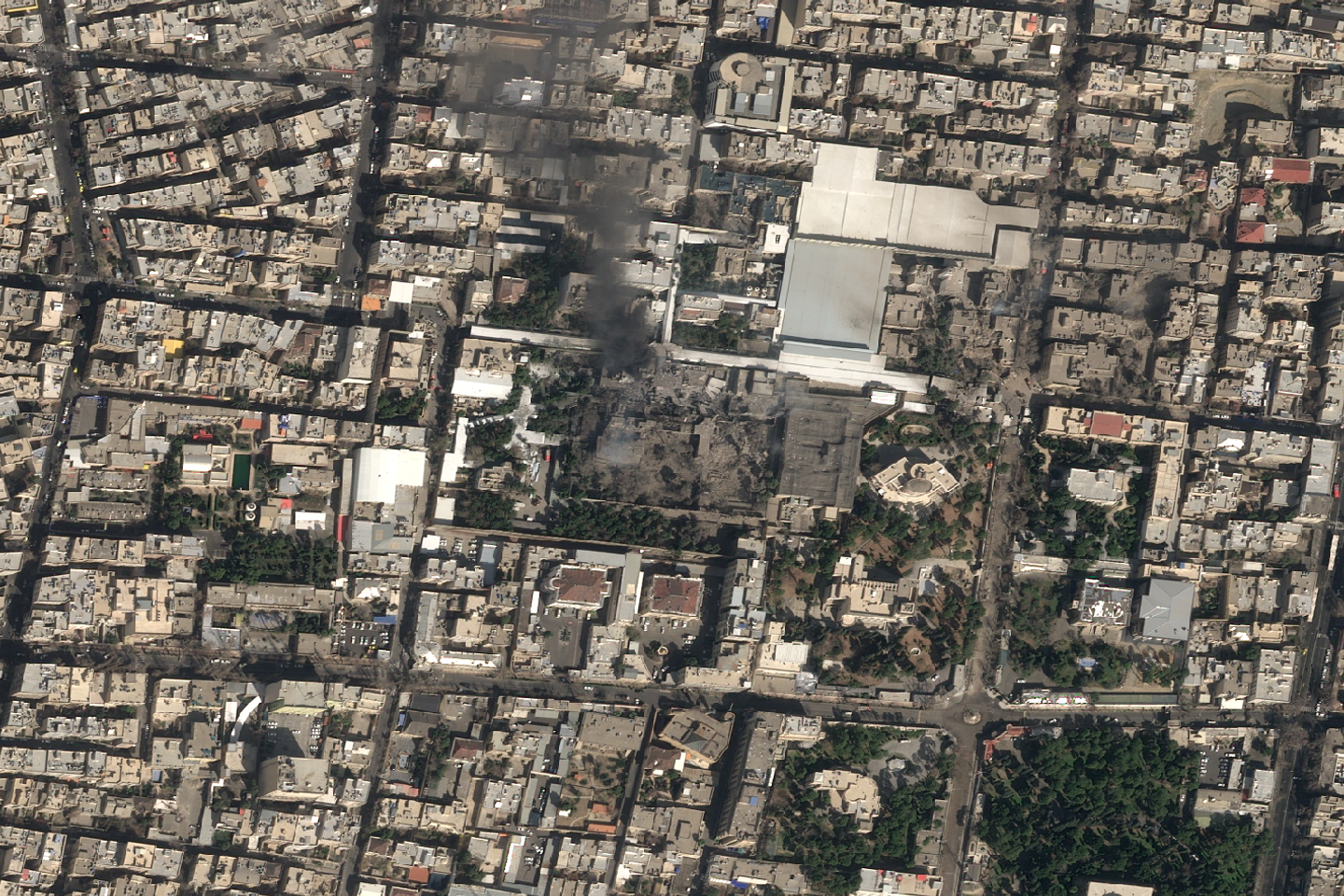
A satellite image showing the residential complex of Ayatollah Ali Khamenei, after an airstrike, in Tehran, on February 28, 2026. AIRBUS DS 2026
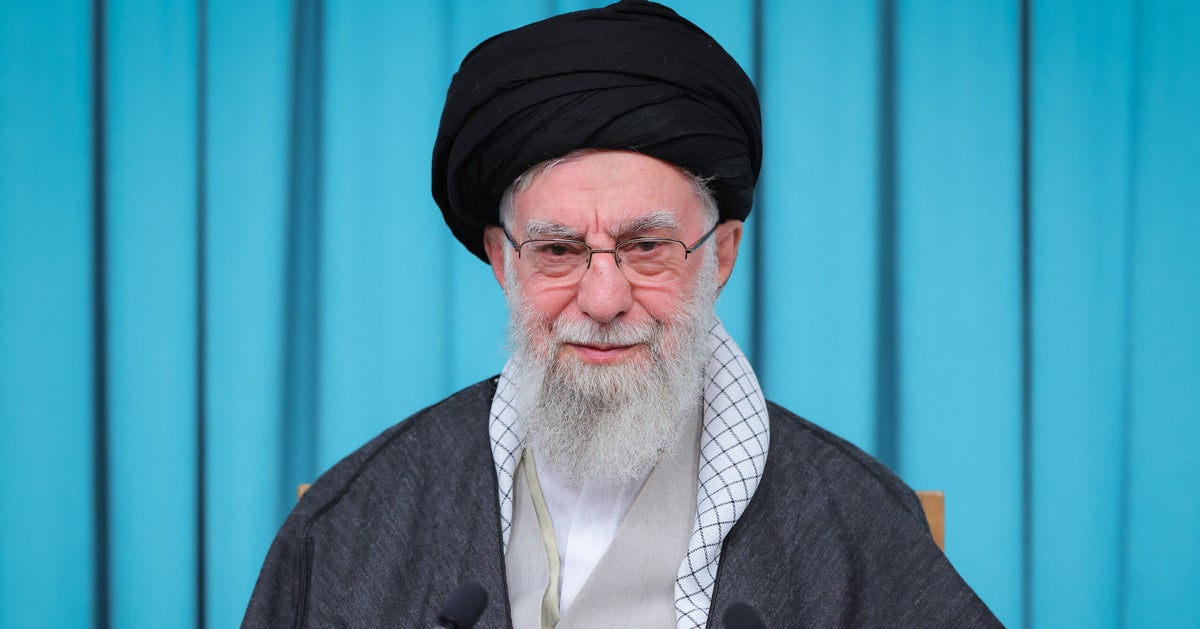
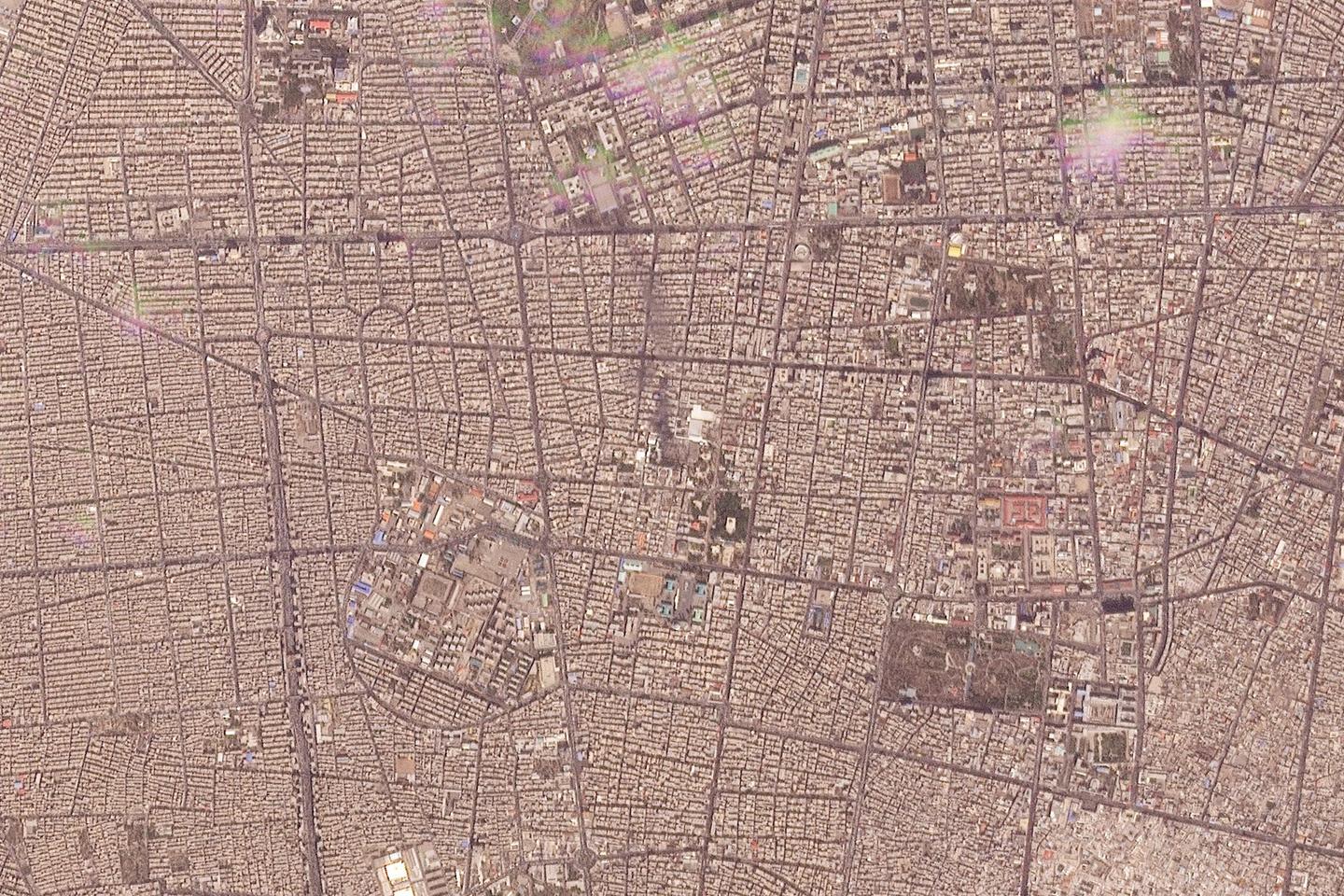
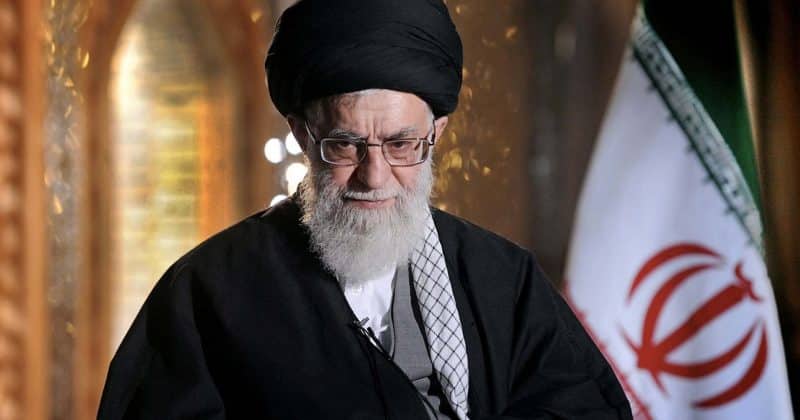
It took a great deal of nerve for Iran's top-ranking military officers to gather on the morning of Saturday, February 28, on Pasteur Street in Tehran. Named after the French inventor of the rabies vaccine, Louis Pasteur, this tree-lined, clean and quiet avenue is home to the Islamic Republic's main institutions: the offices of the Supreme Leader Ali Khamenei and the president, as well as the Supreme National Security Council.
While the Iranian regime dragged out negotiations with Washington over its nuclear program, the CIA closely monitored activity on Pasteur Street starting in January. According to The New York Times, the CIA was the first to get wind of a meeting the supreme leader was expected to attend on February 28. The agency passed this information on to Israeli military intelligence, which, according to the army, was also tracking the movements of the summoned military officials.
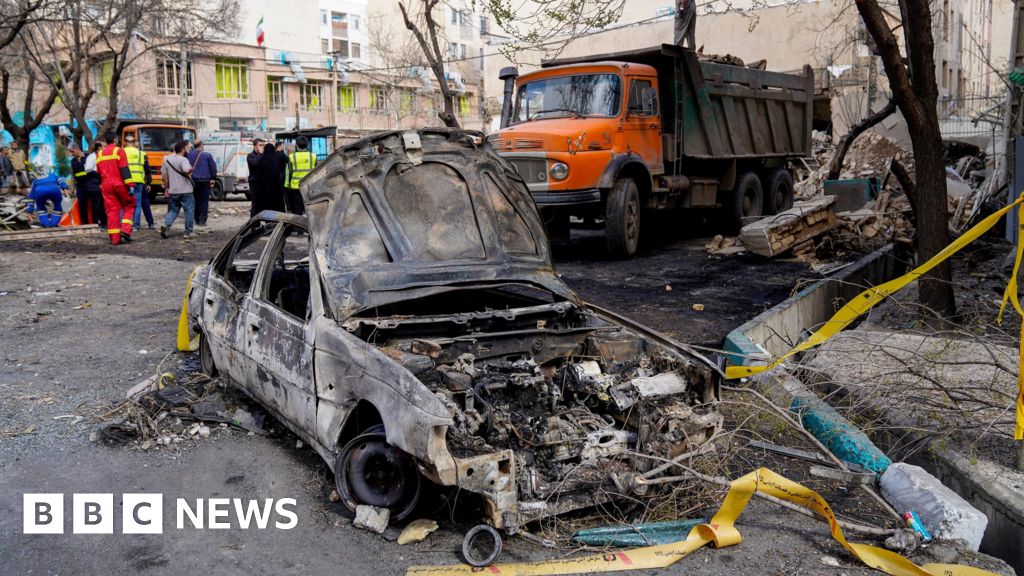
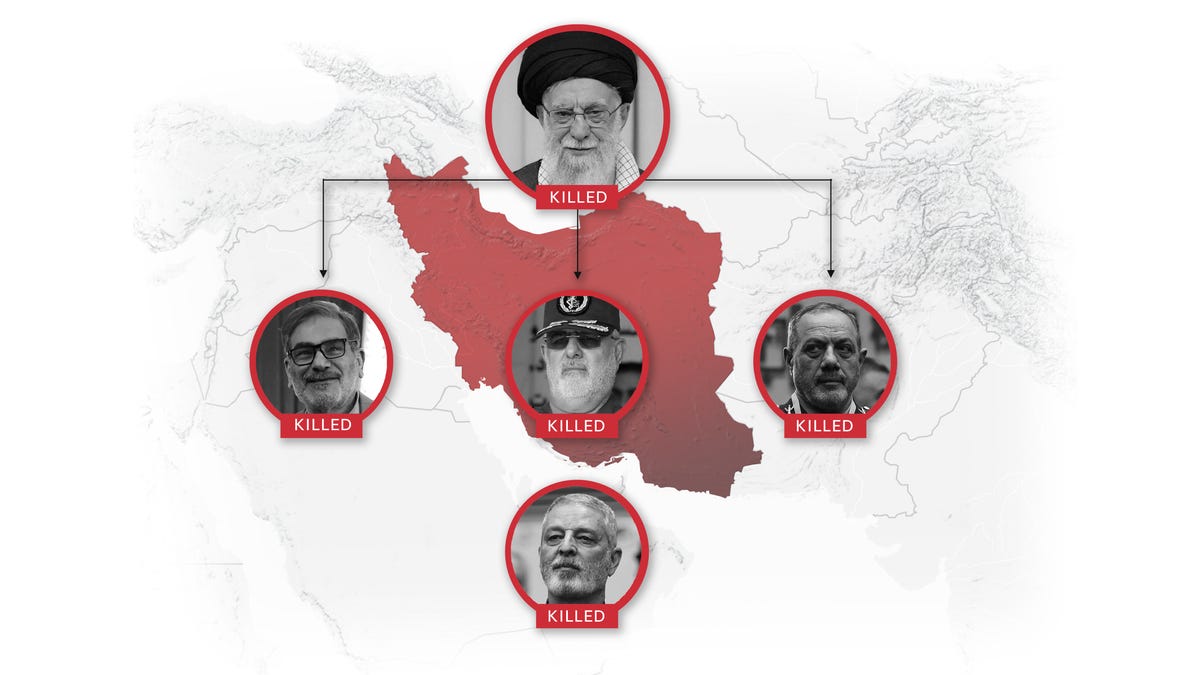
On Friday, February 27, on the eve of the meeting, a leak in the Israeli press led people to believe that the chief of the General Staff, Eyal Zamir, was sleeping at home. In reality, he was planning the attack on the Iranian meeting. Israeli fighter jets took off at dawn. At 9:40 am, they bombed a building where the supreme leader was located, as well as the one where Chief of the General Staff Abdolrahim Moussavi, Head of the Revolutionary Guards Mohammad Pakpour, Secretary of the Defense Council Ali Shamkhani and Defense Minister Aziz Nasirzadeh were gathered.