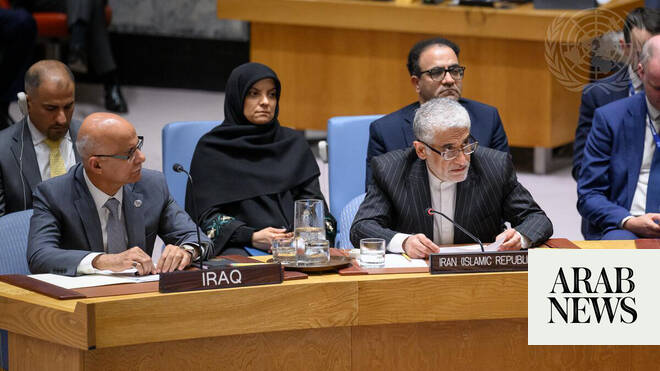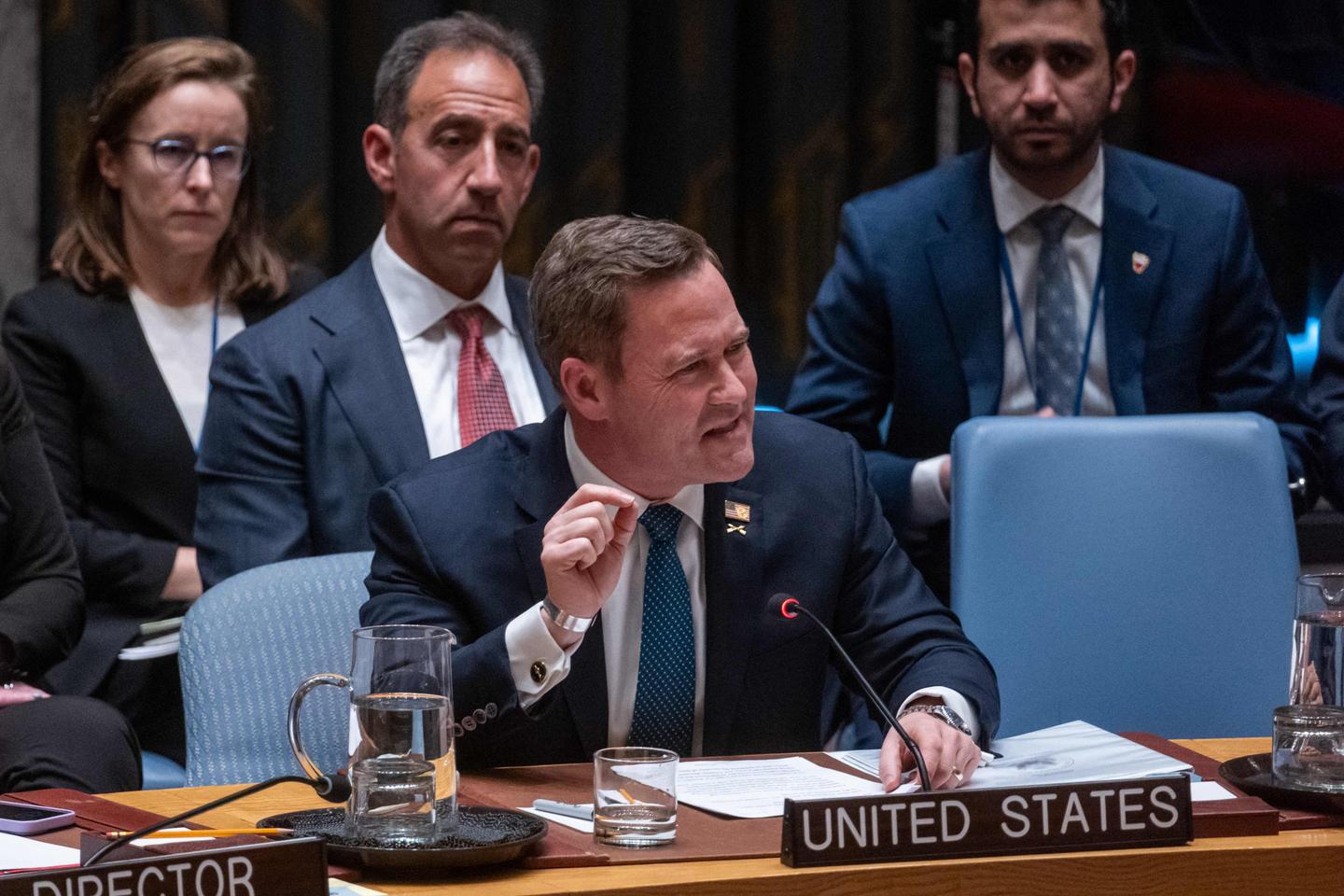
US Ambassador to the United Nations Michael Waltz speaks at an emergency Security Council meeting on the situation in Iran at UN headquarters on February 28, 2026. SPENCER PLATT / AFP
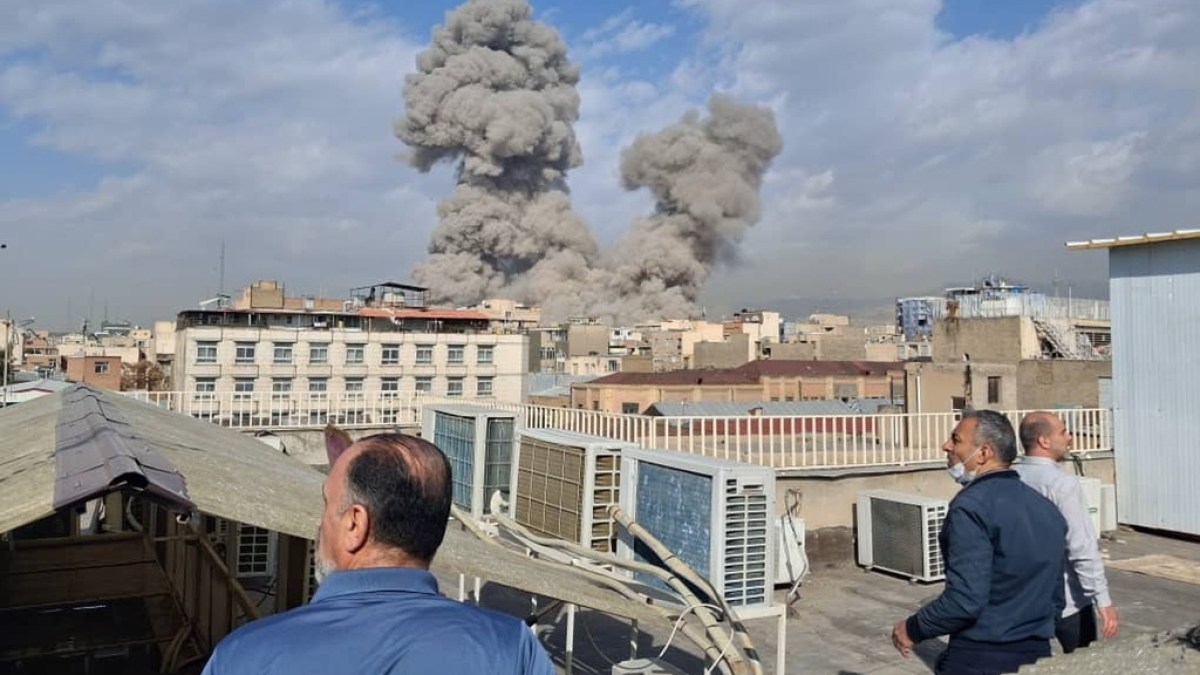
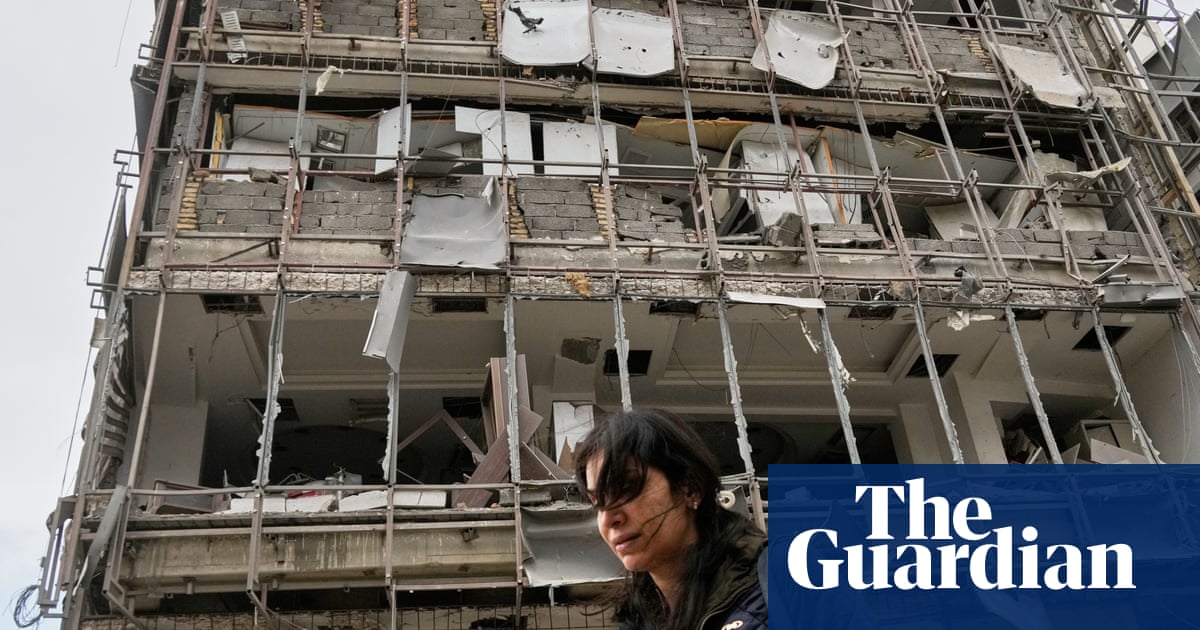
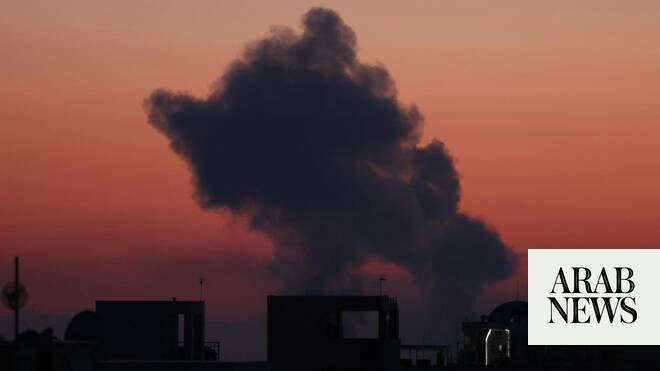
Aggression, self-defense, preemptive strikes: What does international law say about the Israeli-American military operation launched against Iran on Saturday, February 28? And what about Tehran's retaliatory actions against Israel and against US bases in several Gulf countries?
Countries such as Finland, Norway, Colombia and several nations from the Global South condemned what they described as an "illegal" attack on Iran. Russia spoke of an "act of aggression," Senegal condemned the "use of force," and countries like Switzerland, Ireland and Spain called for respect for international law.
"This is the use of force on Iranian territory that appears, at first glance, contrary to the United Nations Charter," said Sébastien Touzé, professor of international law at Panthéon-Assas University and director of the René-Cassin Foundation. According to the Charter, "members of the Organization shall refrain, in their international relations, from the threat or use of force." Under international law, such an attack should have been carried out either with the prior approval of the United Nations Security Council or as an act of self-defense, meaning in response to an "armed attack."