Hydrolysis uses alkaline and water to break down body in a few hours and is part of demand for more sustainable funerals
Scotland has become the first part of the UK to legalise hydrolysis, an environmentally friendly alternative to cremation or burial, reflecting increasing demand for more sustainable funeral arrangements.
Also known as water cremation or aquamation, the process is already available in many parts of the world, and regulations approved by the Scottish parliament on Monday mark the most significant change to funeral law since cremation was introduced in 1902.
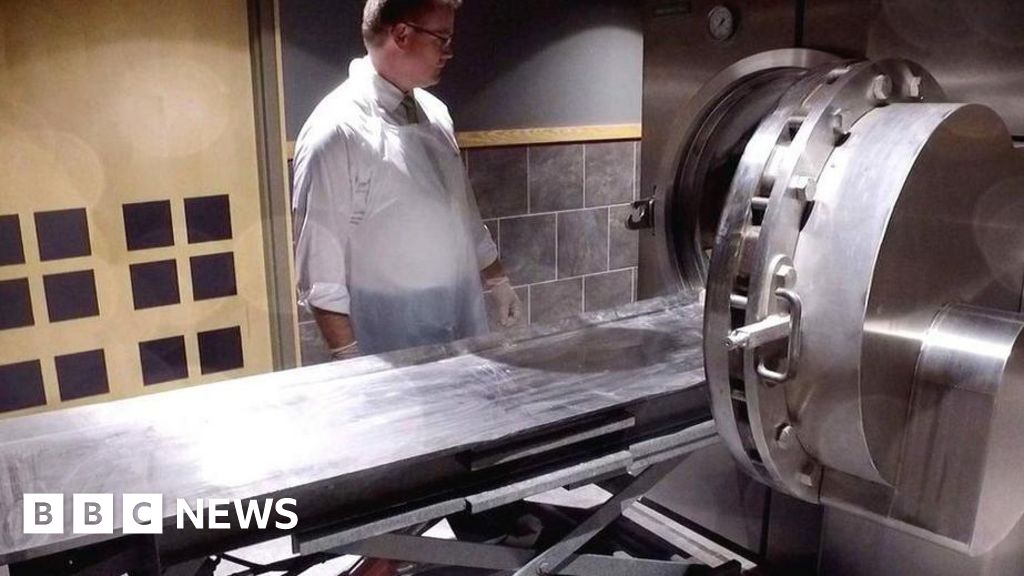
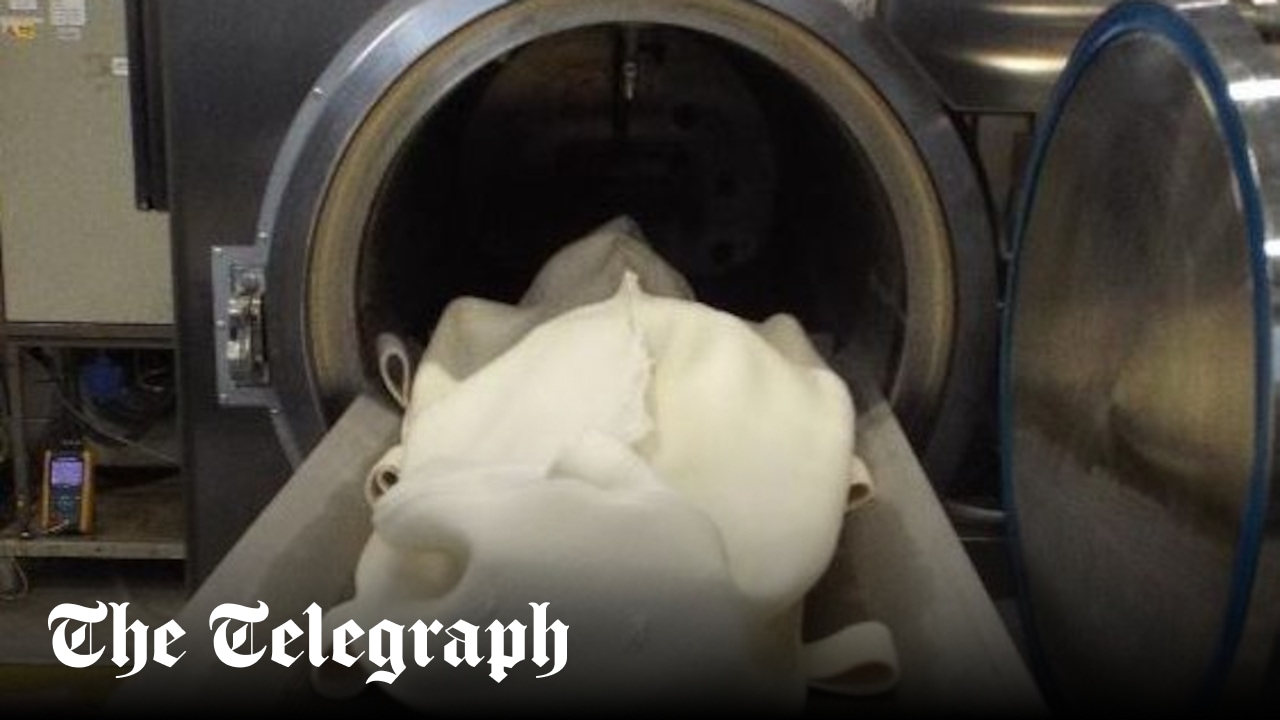
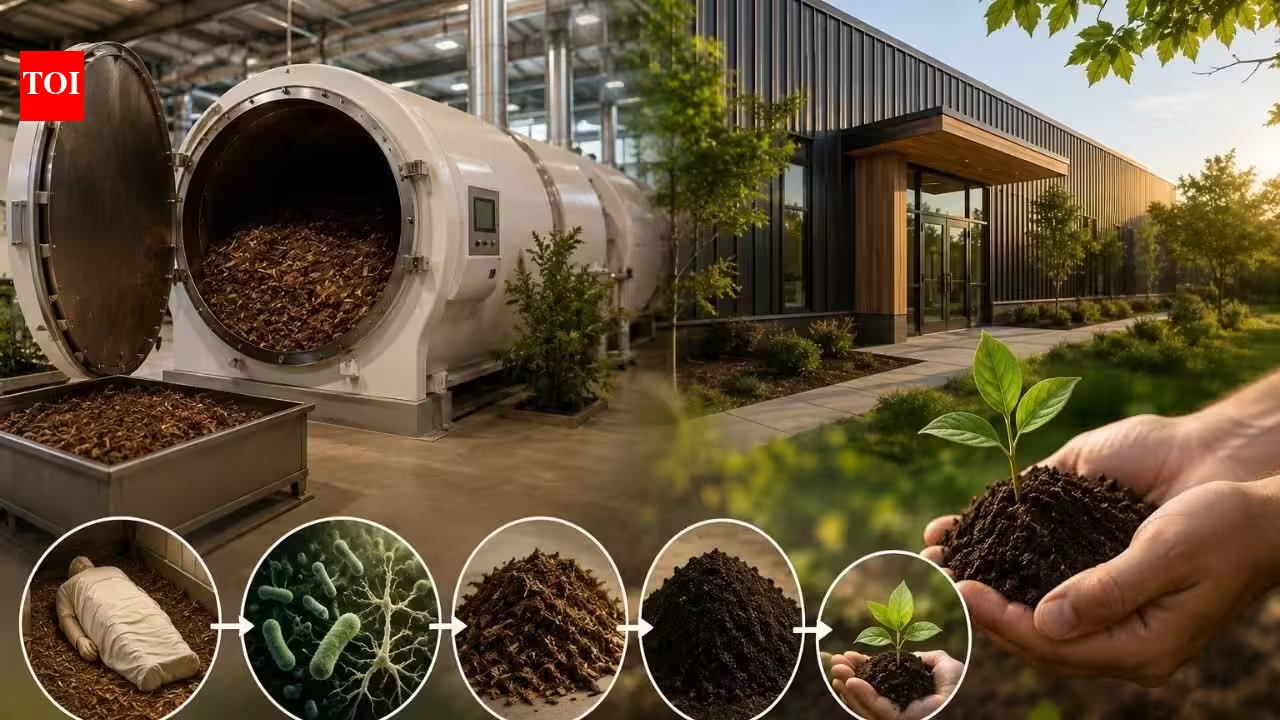
Replicating the natural process of decomposition that occurs after burial, but over a much shorter period of time, hydrolysis uses a strong alkaline solution to break down the body of the deceased person.
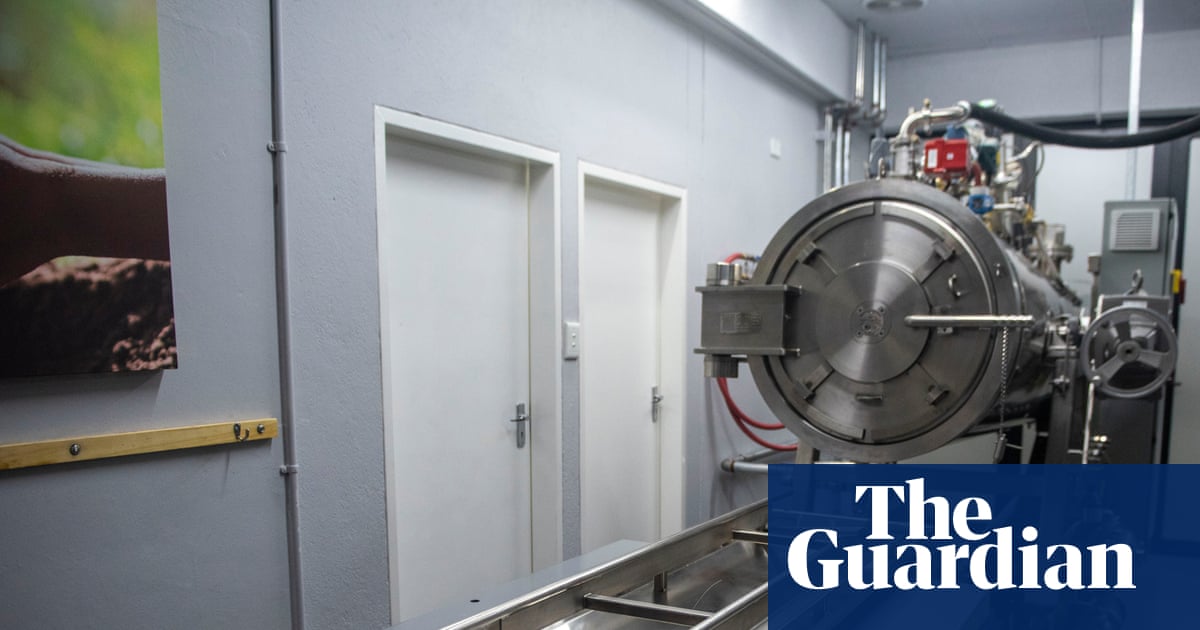
The body is immersed in water and 5% alkaline, such as potassium chloride, for three to four hours in a pressurised metal cylinder and heated to about 150C (300F).