https://arab.news/b9bgt
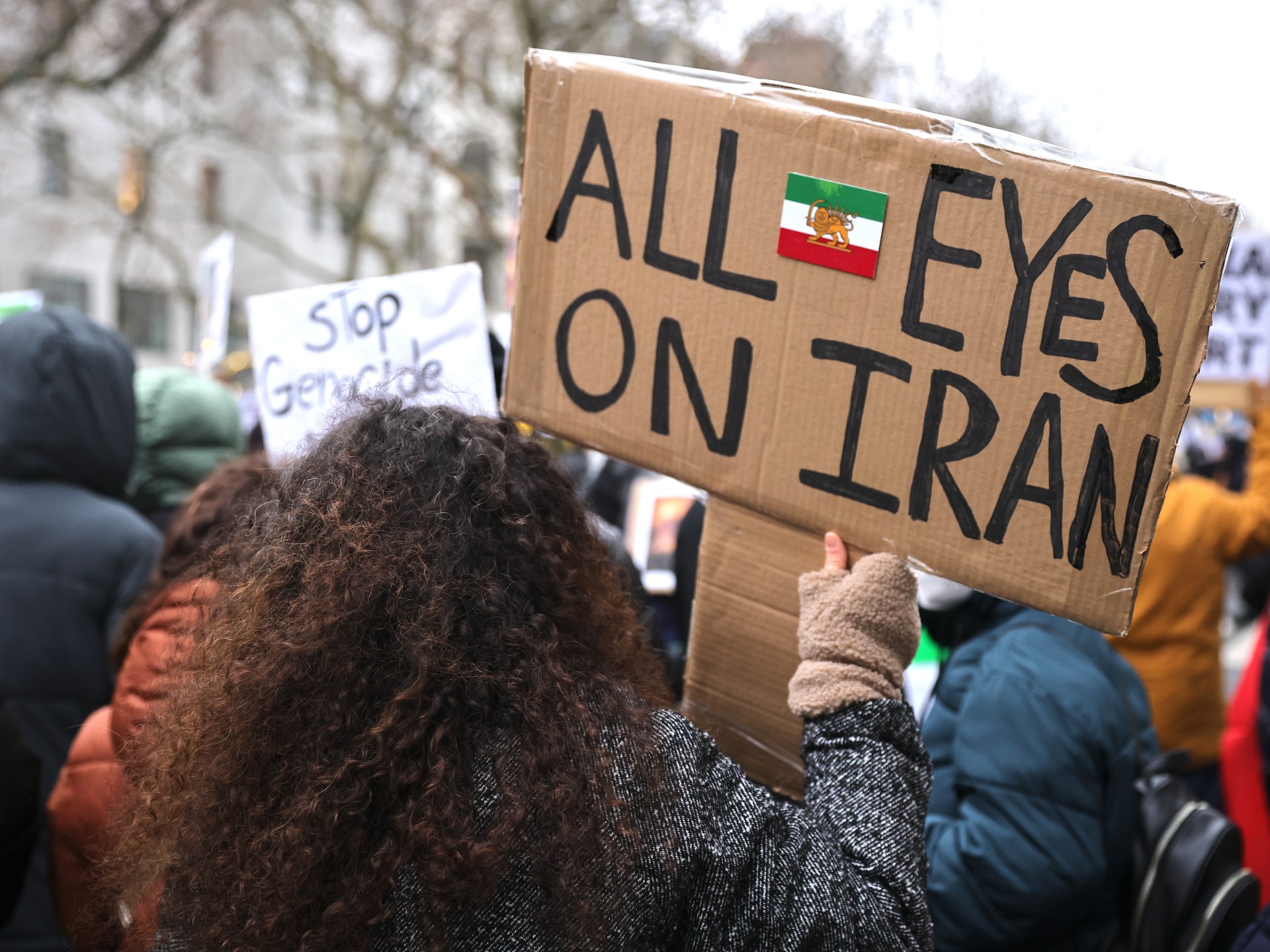
Turkiye has long paid a heavy price for being bordered by unstable states. Now, it faces another conflict at its doorstep that threatens to spill across the region. On Saturday, the US and Israel attacked Iran and, in response, Tehran launched strikes against Israeli territory, US military bases and civilian infrastructure in the Gulf states.
This is the nightmare scenario that Ankara has long wanted to avoid. Having been deeply affected for decades by the wars in Iraq and Syria, Ankara’s position had been clear for a long time: it opposed an attack against Iran, regardless of the rationale behind it. Ankara has carefully weighed up the short and long-term costs of such a conflict and is well aware that, if it prolongs, it will face serious security, economic and political consequences.
The Turkish political elite is now navigating this conflict with its usual pragmatic crisis management strategy. President Recep Tayyip Erdogan, in his first reaction to the attacks, said: “We condemn the US-Israel attacks against our neighbor Iran, while Iran's attacks on our brother countries in the Gulf are also unacceptable.” Erdogan held phone calls with both the American and Iranian presidents. And Turkish Foreign Minister Hakan Fidan was among the first to contact his Iranian counterpart, demonstrating that Ankara’s channels remain open with Tehran, which is crucial at this moment. Turkiye also proposed to mediate and has been in talks with all regional actors.