Insect taxonomist Art Borkent has described and named more than 300 species of midges but fears his field of science is dying out, despite millions of insects, fungi and other organisms waiting to be discovered
O
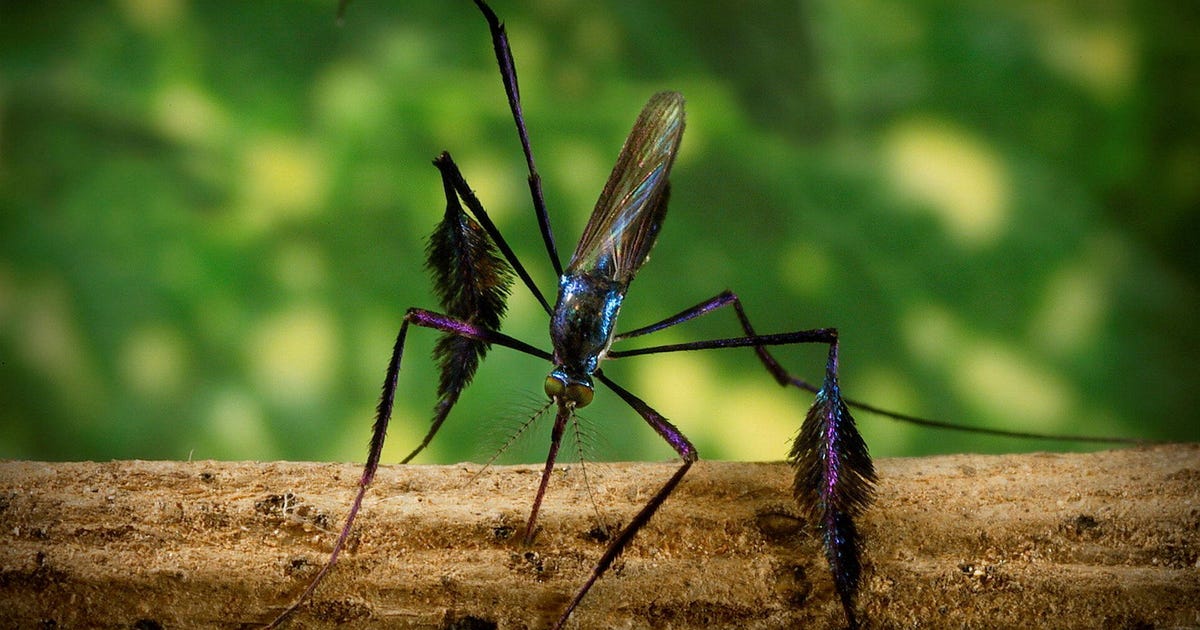
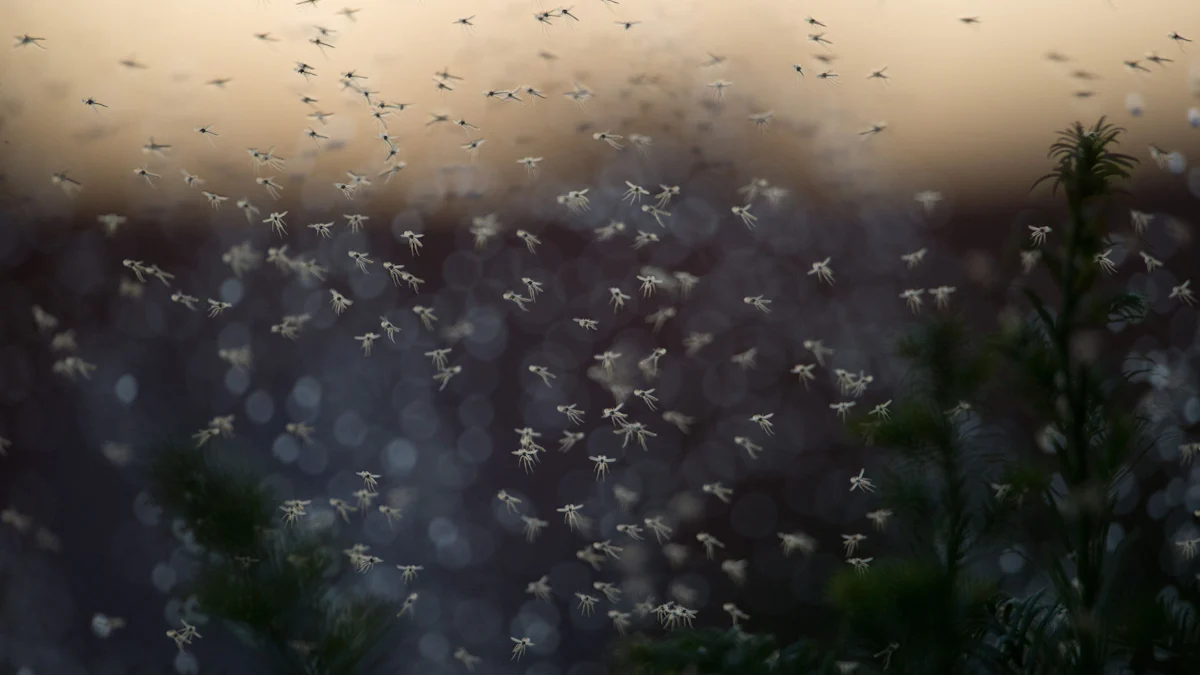
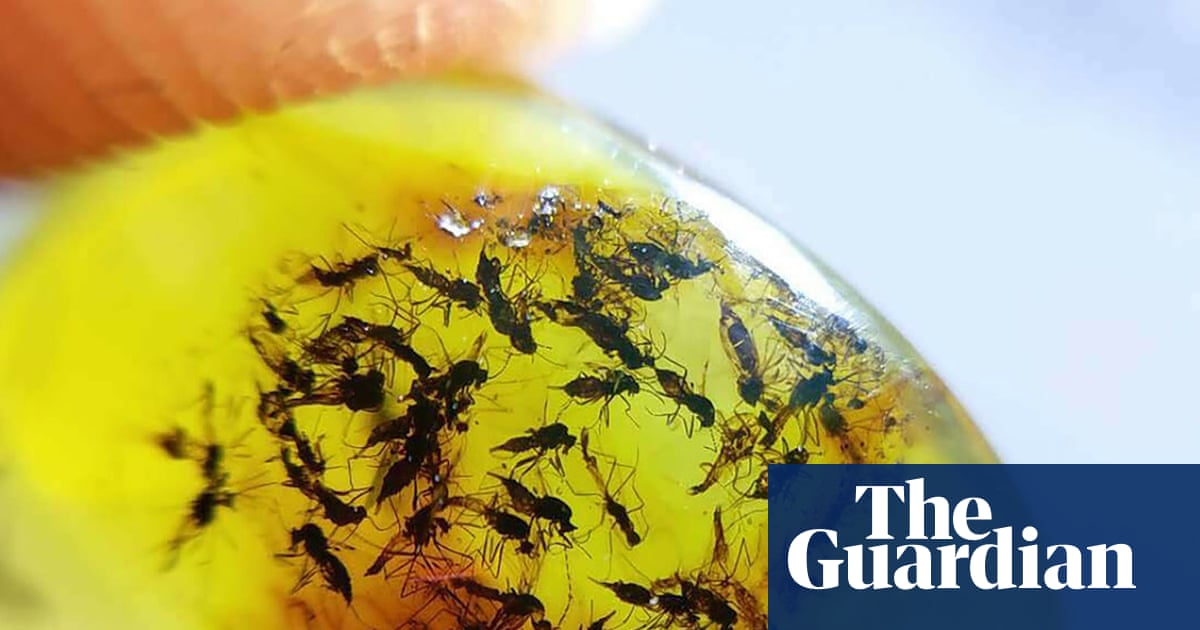
nce Art Borkent starts speaking about biting midges, he rarely pauses for breath. Holding up a picture of a gnat trapped in amber from the time of the dinosaurs, the 72-year-old taxonomist explains that there are more than 6,000 ceratopogonidae species known to science. He has described and named more than 300 midges, mostly from his favourite family of flies. Some specialise in sucking blood from mammals, reptiles, other insects and even fish, often using the CO2 from their host’s breath to locate their target, he says. Tens of thousands remain a mystery to science, waiting to be discovered.
But to Borkent’s knowledge, nobody will continue his life’s work of identifying and studying this group of flies once he has gone.
Autumn has arrived in Borkent’s life. He is strong and energetic, tanned from a recent trip to Mexico with his wife. But his white hair betrays him. One day he will not be able to continue the work he has dedicated himself to since 1989, working as an independent researcher with Royal British Columbia Museum and the American Museum of Natural History. His contemporaries have already gone: one has advanced dementia, another retired last year.