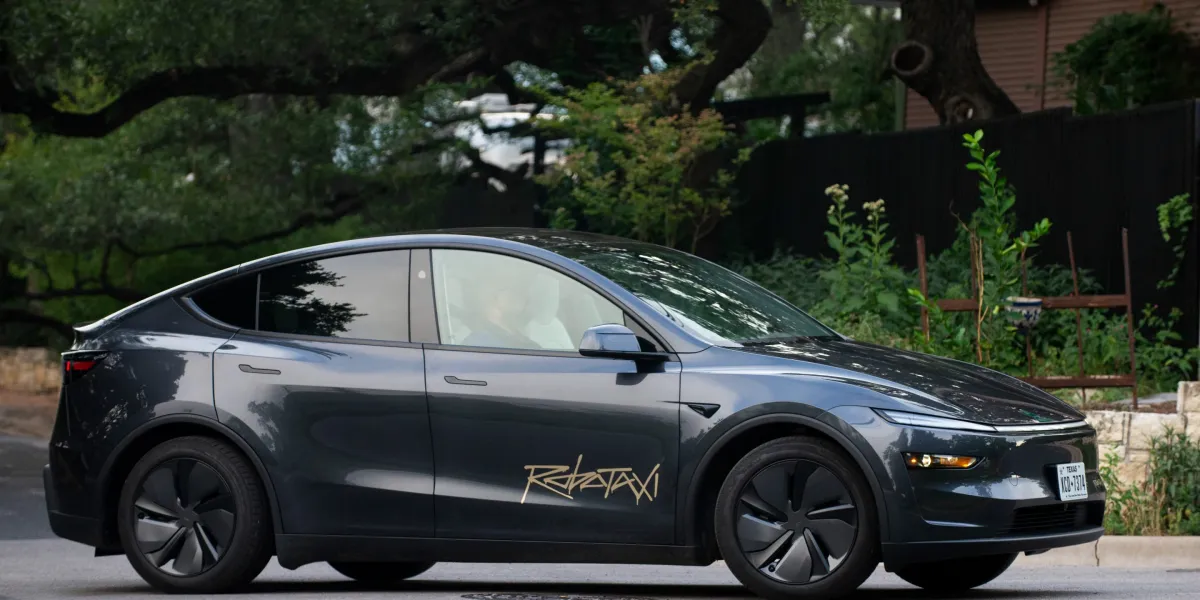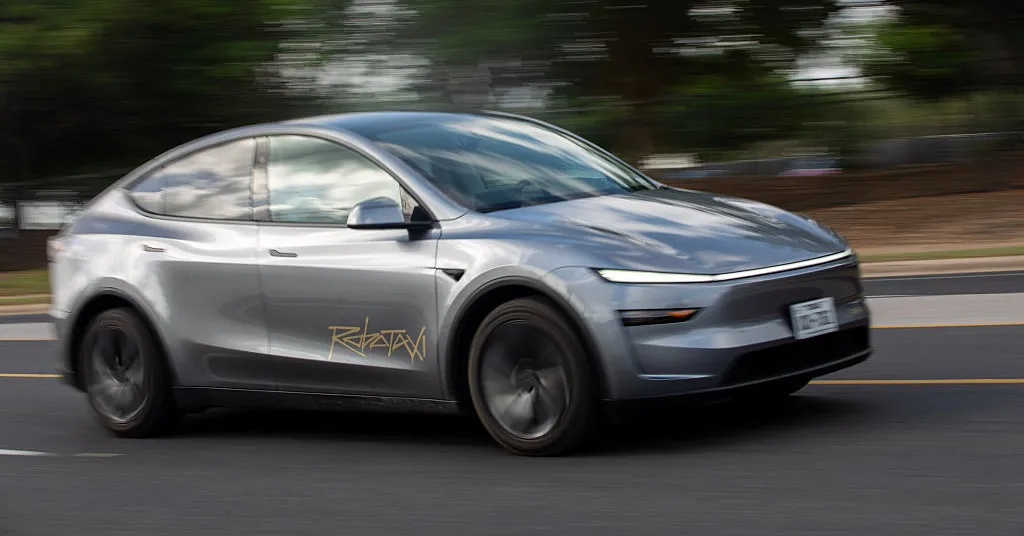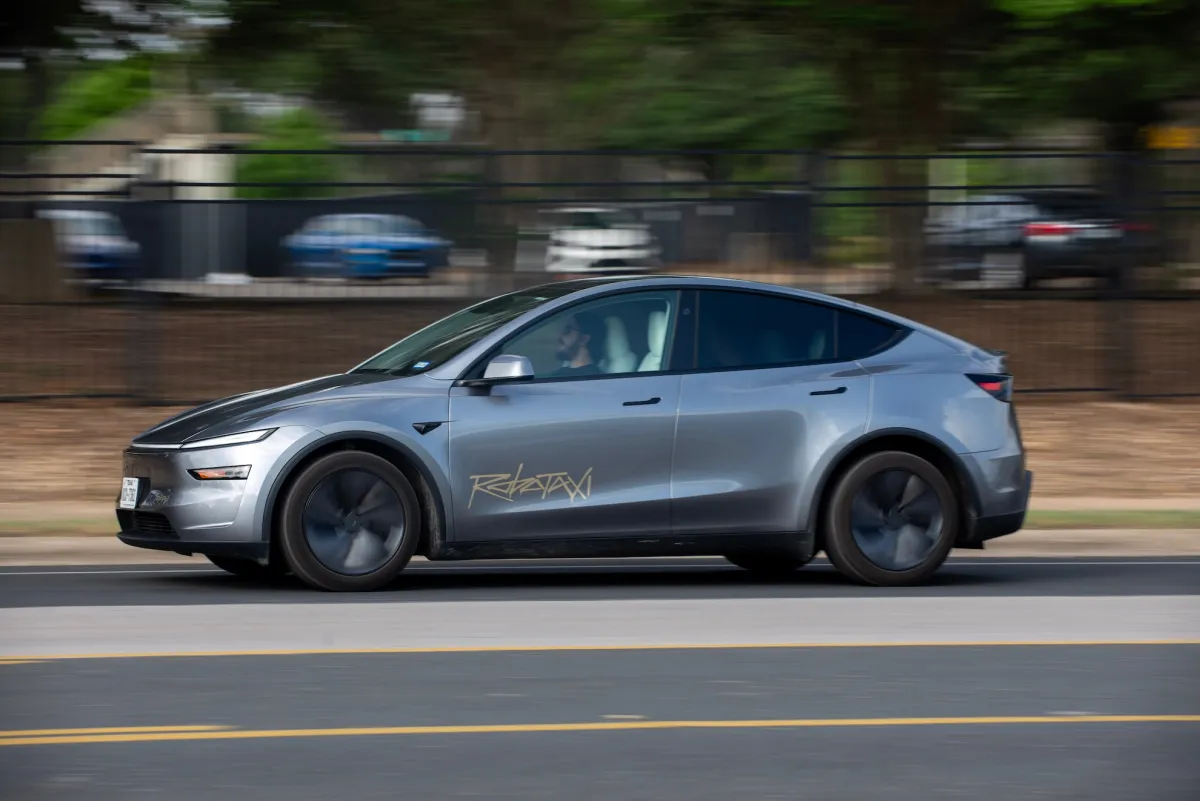
Humans, by nature, are flawed. Put them in a two-ton vehicle, and all sorts of problems can occur. They can crash into a fixed object going straight on. They back into fixed objects when putting the car in reverse. They hit trees and poles, buses and trucks. Simply put, humans lack the quick reaction speeds and fine motor skills needed to operate a car safely.
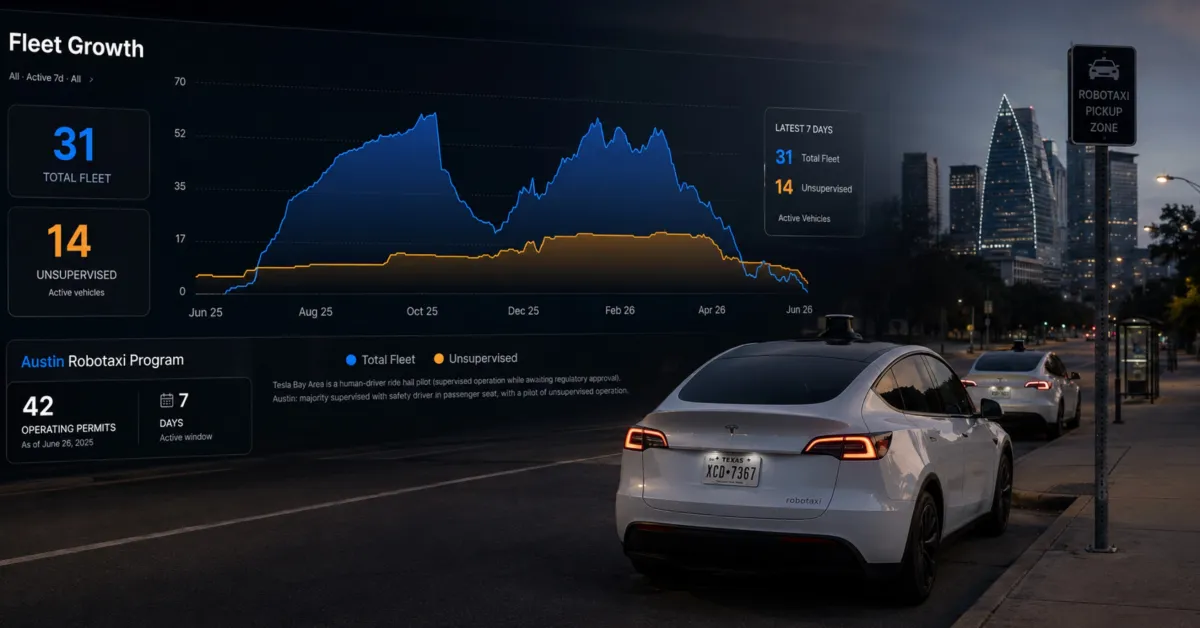
Except there’s one problem: all of the above happened to Tesla’s autopilot robotaxis. All in one city, and all in the span of less than a month. And according to Tesla’s own published findings, the company’s autopilot is four times worse than that of a human.
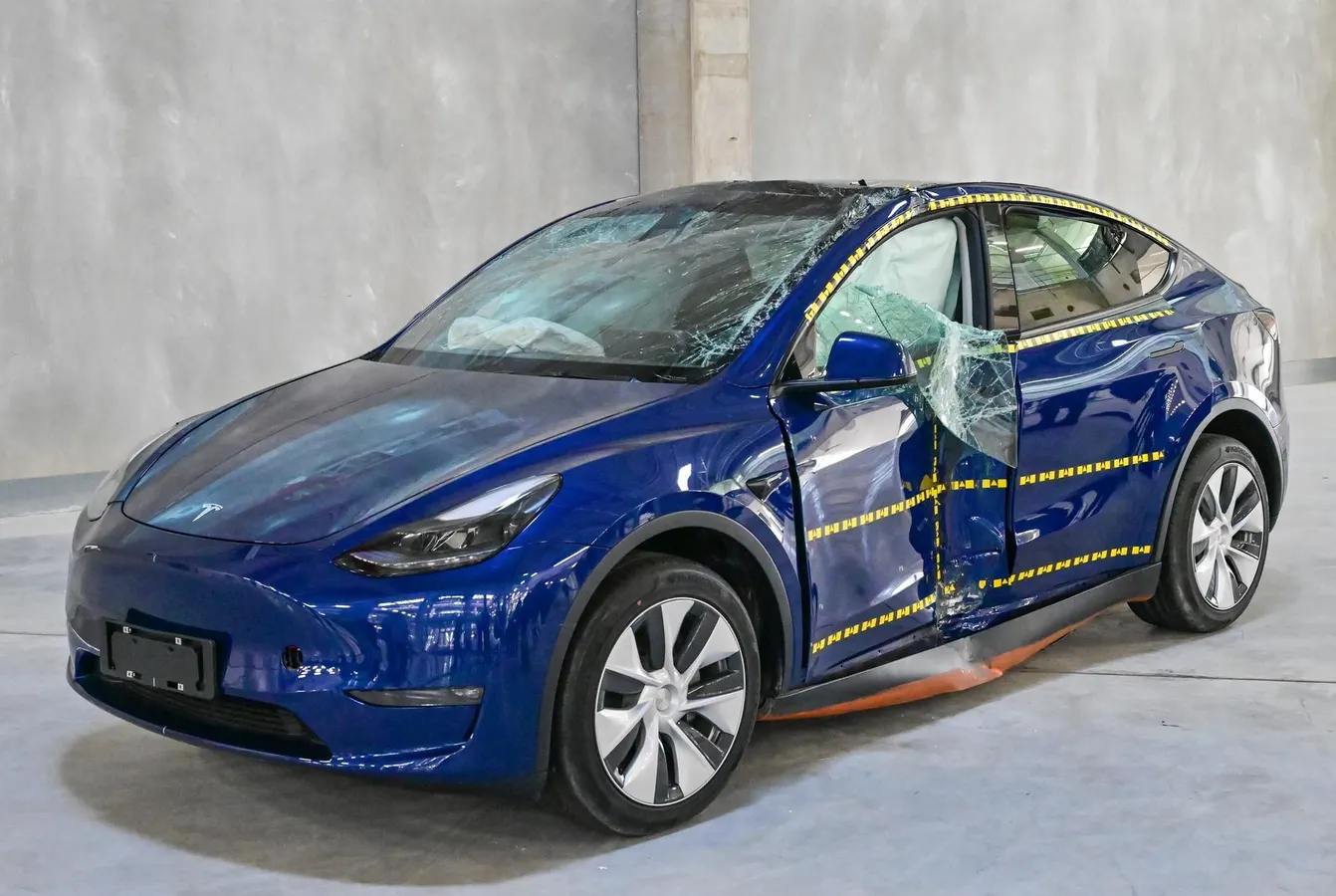
A recent “vehicle safety report” from Tesla shows its autonomous robotaxis got into five additional crashes in Austin, including a crash with a bus while the Tesla was stationary. A Tesla backed into fixed objects twice: in one, backing up into an object going 2mph and in another at 1mph. Another instance involved a collision with a heavy truck at 4mph, but perhaps most damning was crashing into a fixed object going 17mph while driving straight.
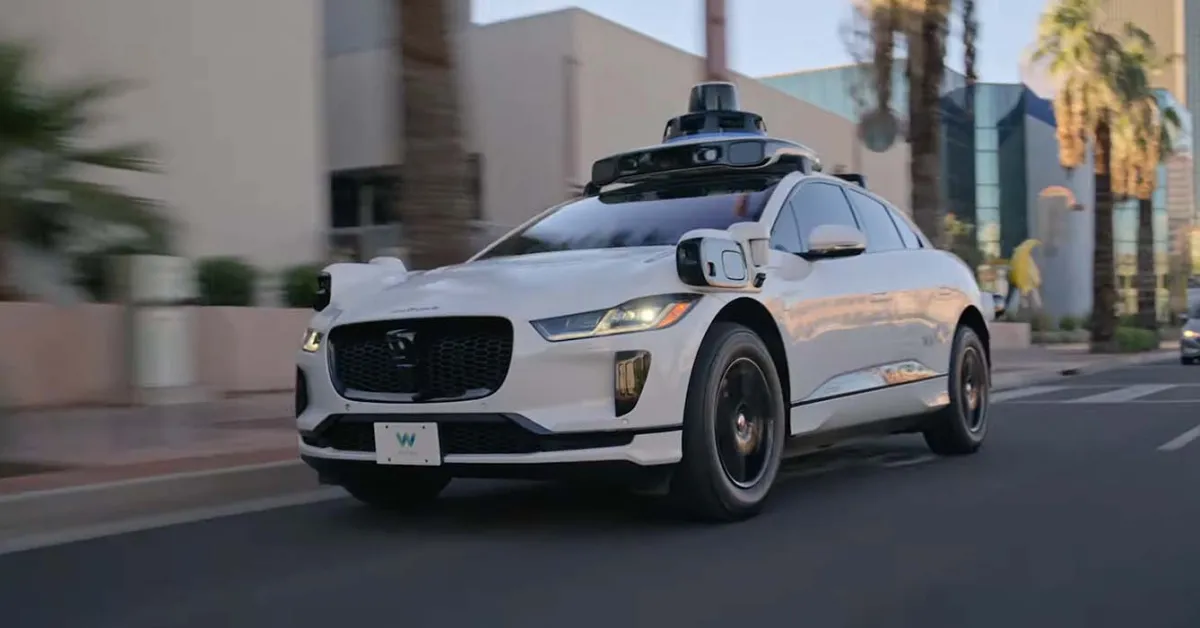
This is most of what we know, as unlike its other autonomous vehicle competitors Waymo and Zoox—and every other company in the market—Tesla is the only company to fully redact and hide details of all crashes from the public, thanks to a confidentiality provision under the NHTSA. Tesla even updated a report for a July 2025 crash—a right turn crash into an SUV while going 2mph—to mention that a victim was hospitalized, Electrek reported. The report initially listed “property damage only.”