Corporate America is in a race against time to upgrade its workforce. Top AI leaders warn that white-collar jobs could face major disruption within the next 18 months—yet relatively few workers are using AI technology in their daily work.
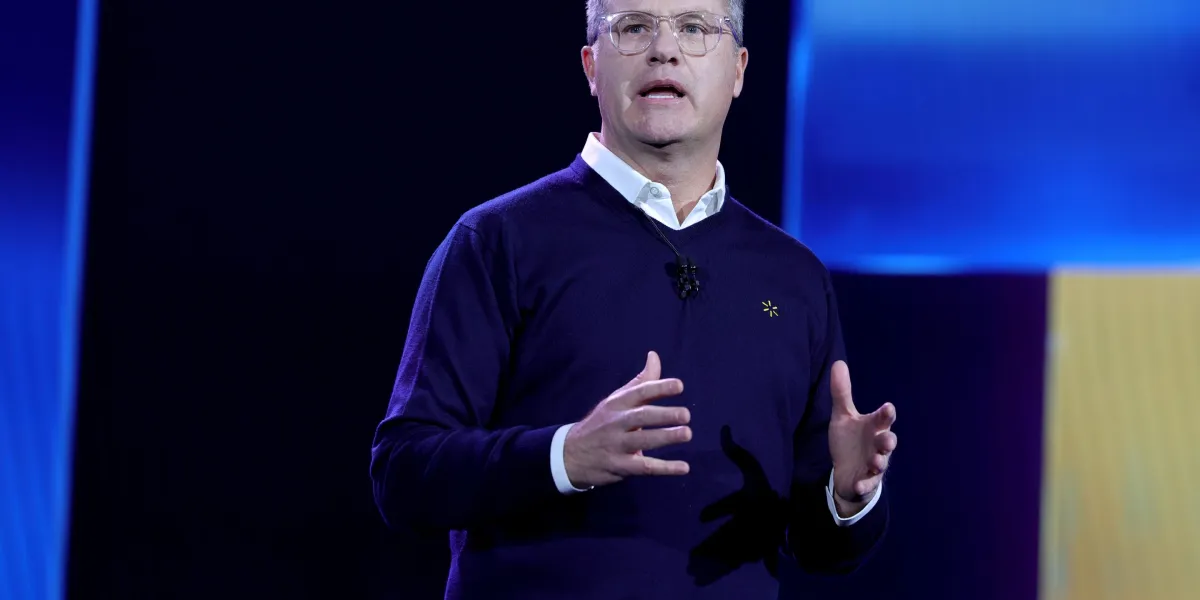
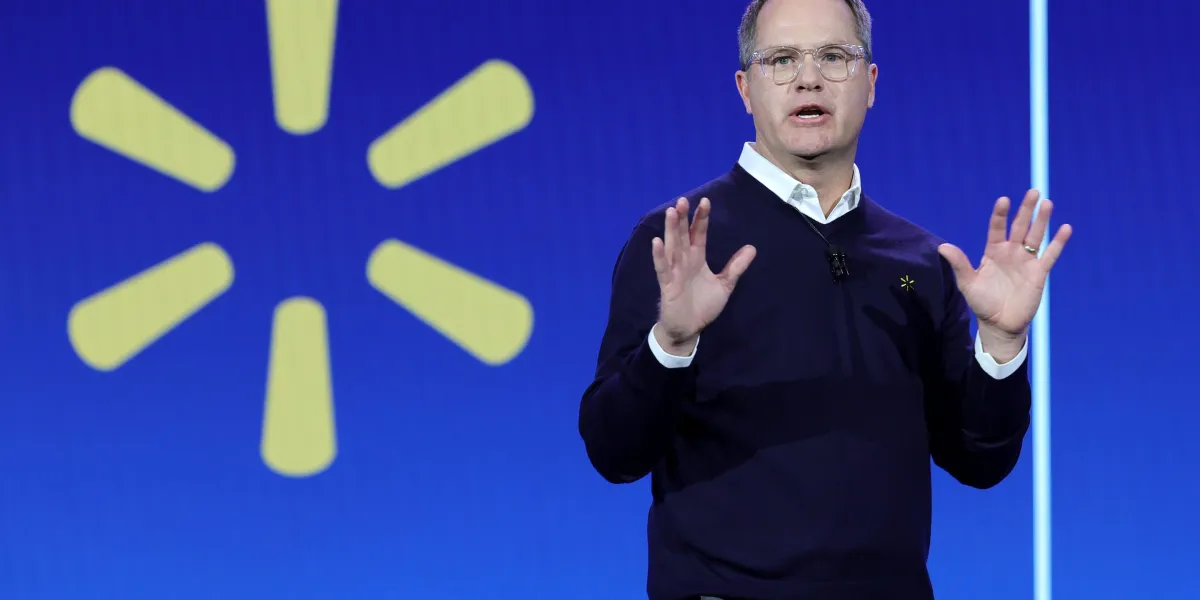
That disconnect is pushing major employers like Deloitte, Verizon, and Walmart to roll out large-scale AI training for their employees. And according to Donna Morris, Walmart’s chief people officer, the stakes extend far beyond individual companies: The outcome could shape the competitiveness of the broader U.S. economy.
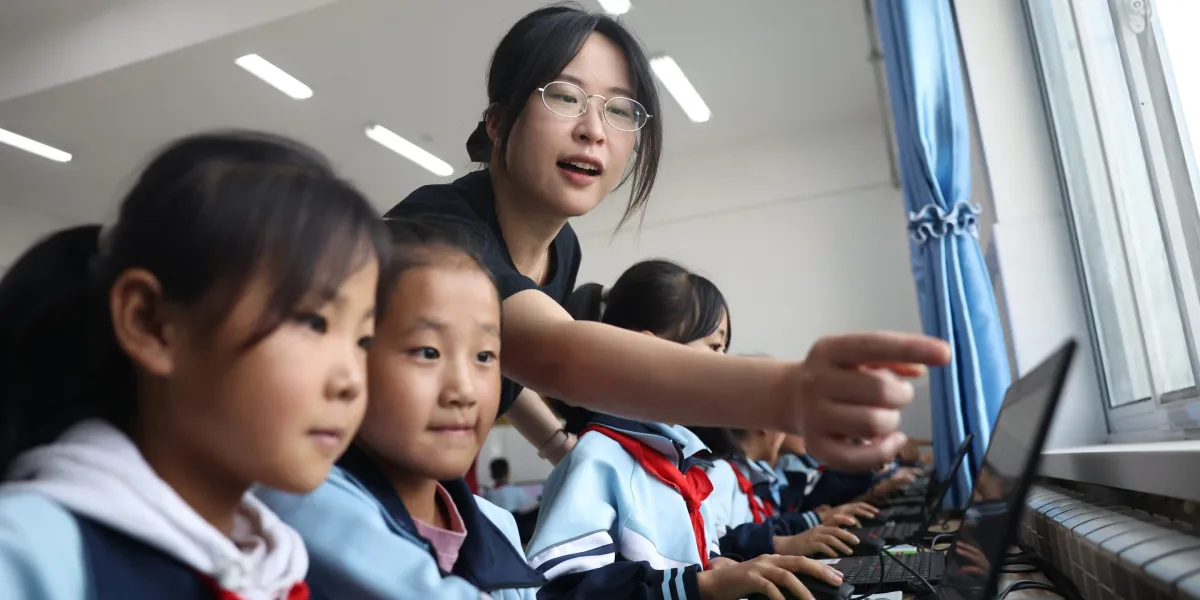
“Let’s look at China,” Morris said in an interview with Fortune. “Five-year-olds are learning DeepSeek, and that says a lot about how they believe in capability building. What would it do to our U.S. economy, if we all leaned into that opportunity?”
In many parts of China, students are being introduced to AI concepts as soon as they enter school. Beijing’s primary and secondary schools plan to offer at least eight hours of AI instruction each academic year, covering topics like how to properly use chatbots and the ethics of AI. Chinese students, on average, also spend more time in the classroom than their U.S. peers.
There are already signs that China’s investment in AI education is translating into a deep talent pipeline. Nearly one-third of the world’s top AI talent were born in China, according to a 2020 study from the Paulson Institute, and many top U.S. tech companies have been dishing out sky-high compensation packages to woo that talent. When Meta, for example, unveiled its new Superintelligence Labs in June, seven of the labs’ 11 researchers were born in China—and all were recruited from outside the United States.