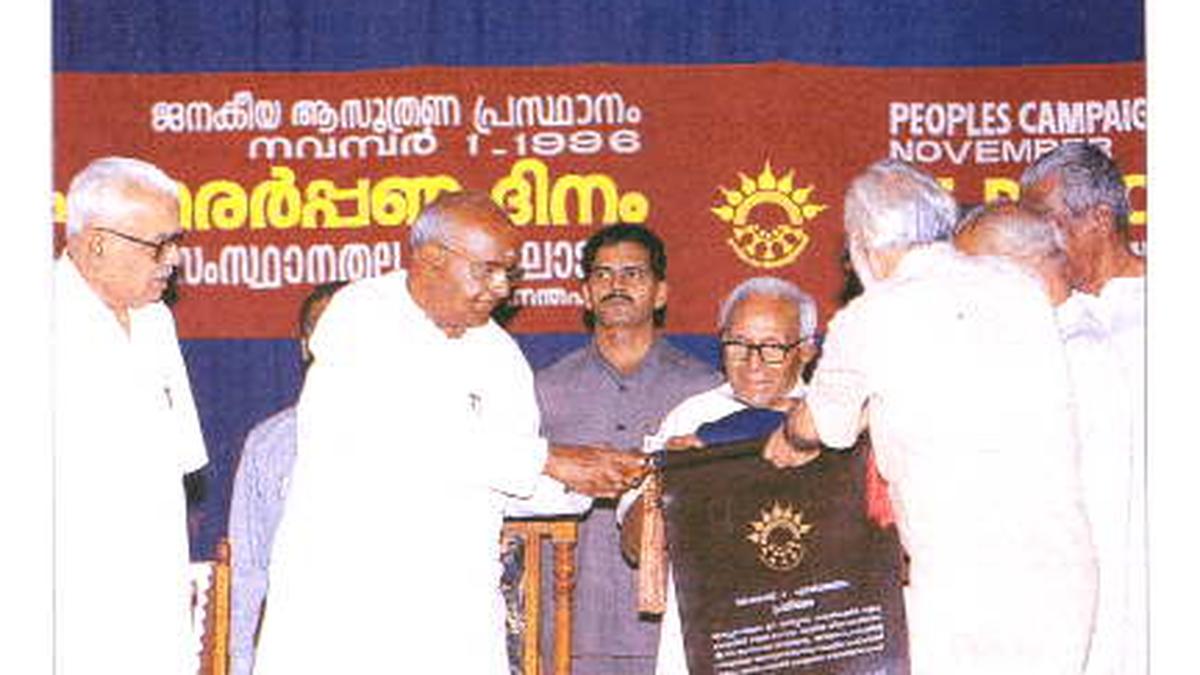
The People’s Campaign for Participatory Planning in Kerala is now widely recognised as one of the most enduring and successful experiments of its kind in the world. Highly touted participatory governance initiatives in different parts of the globe, including the famous Participatory Budgeting (PB) process in Porto Alegre, Brazil, have either been weakened or discontinued. Scholars identify multiple reasons for the success of the Kerala experiment, including the legacy of the broader democratic movement in the State, which the People’s Campaign sought to advance. In our view, too, the single most important reason for the success of people’s planning in the State has been the commitment to pursue democracy as an end in itself, notwithstanding its obvious instrumental value.
The foremost goal of the People’s Plan Campaign (PPC) in Kerala is to deepen democracy by empowering the Local Governments (LGs) and expanding the space for citizen’s participation in governance. Democracy is embraced as a goal in itself for its intrinsic value. This is not to say that democracy’s instrumental benefits are unimportant – there have been high expectations regarding the tangible gains that empowered LGs would deliver. But none of them have been valued more than the gains of making democracy more genuine and deeper. In hindsight, this ‘democracy first’ approach has paid rich dividends, functioning as an inbuilt and highly efficient mechanism for internal correction and rejuvenation of the State’s local governance system.