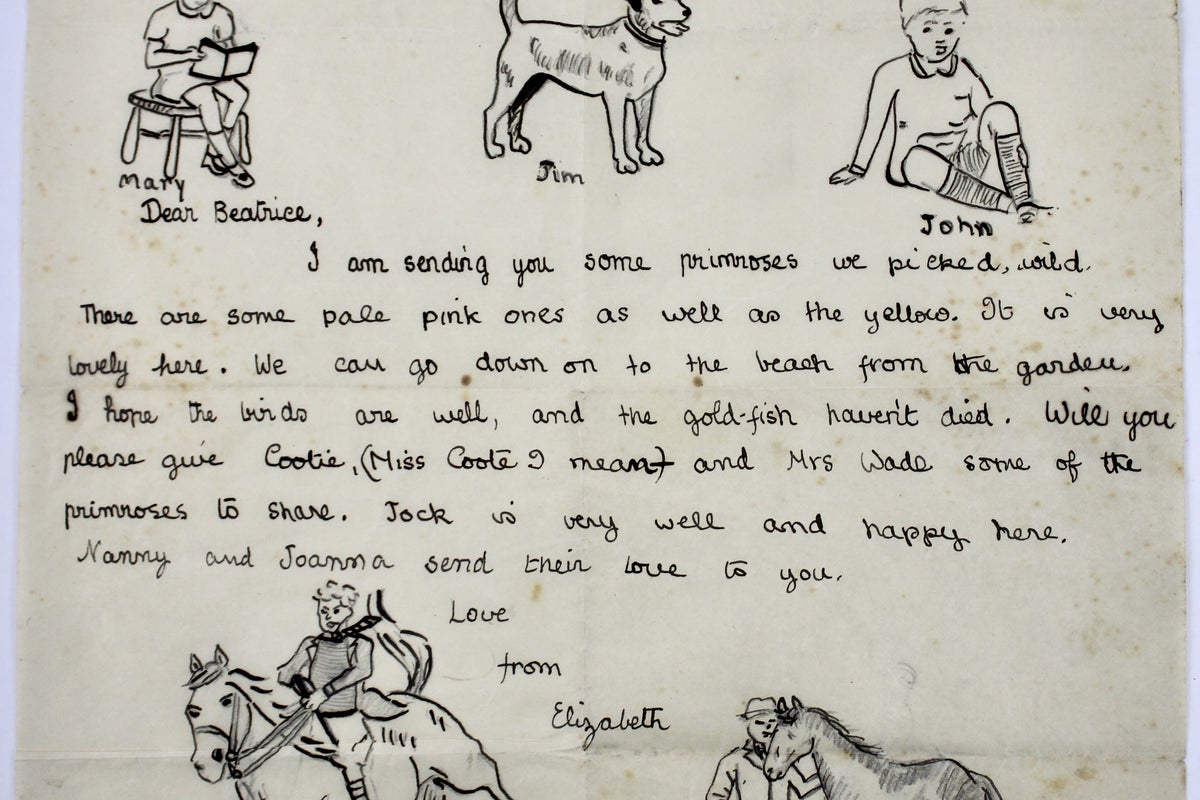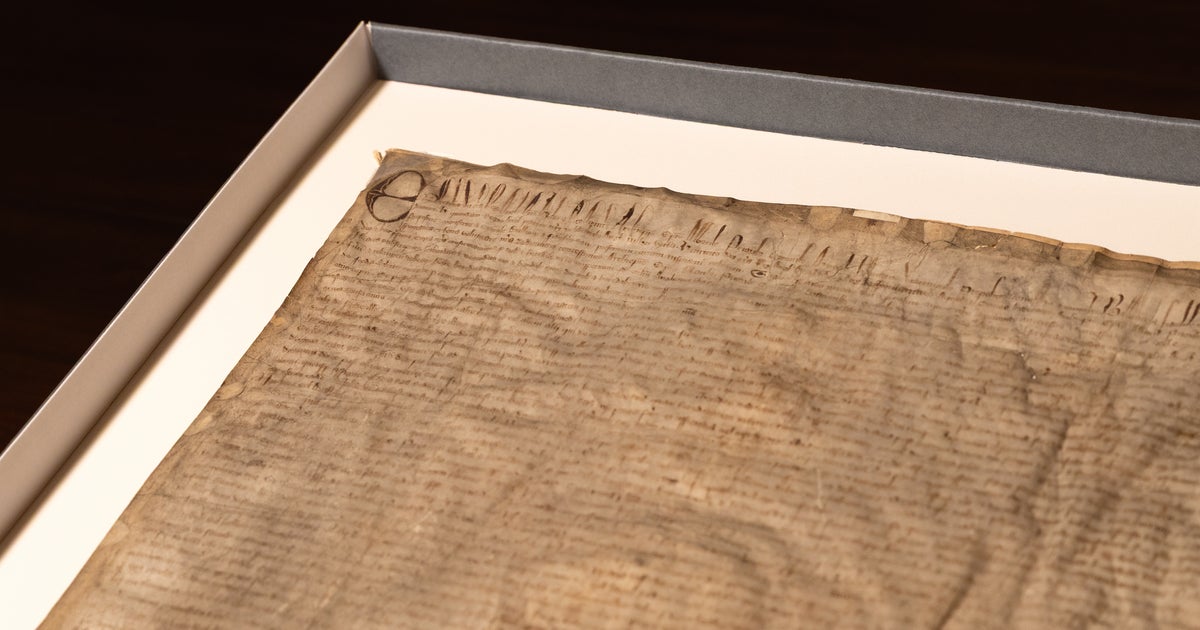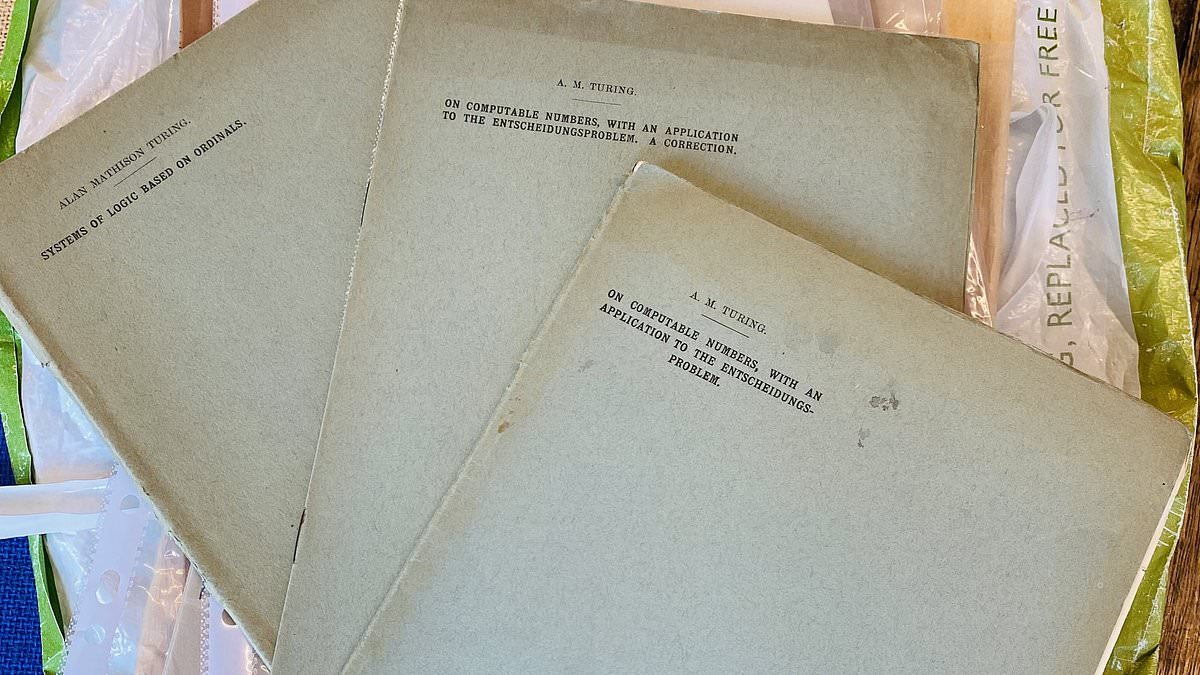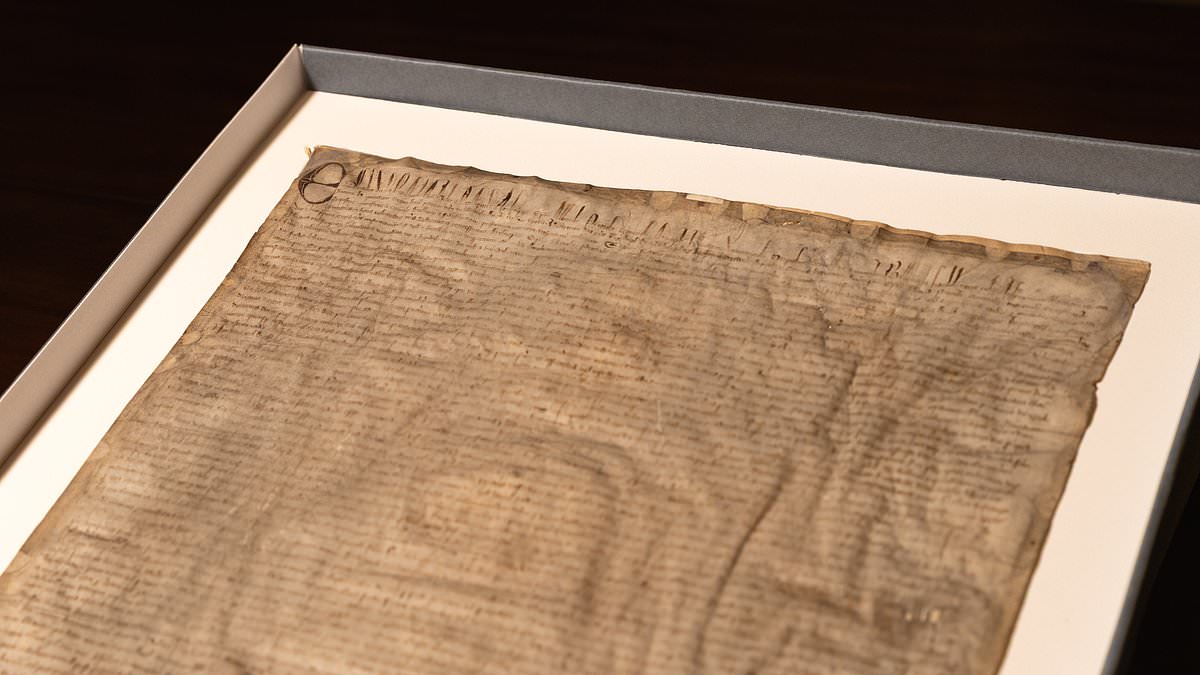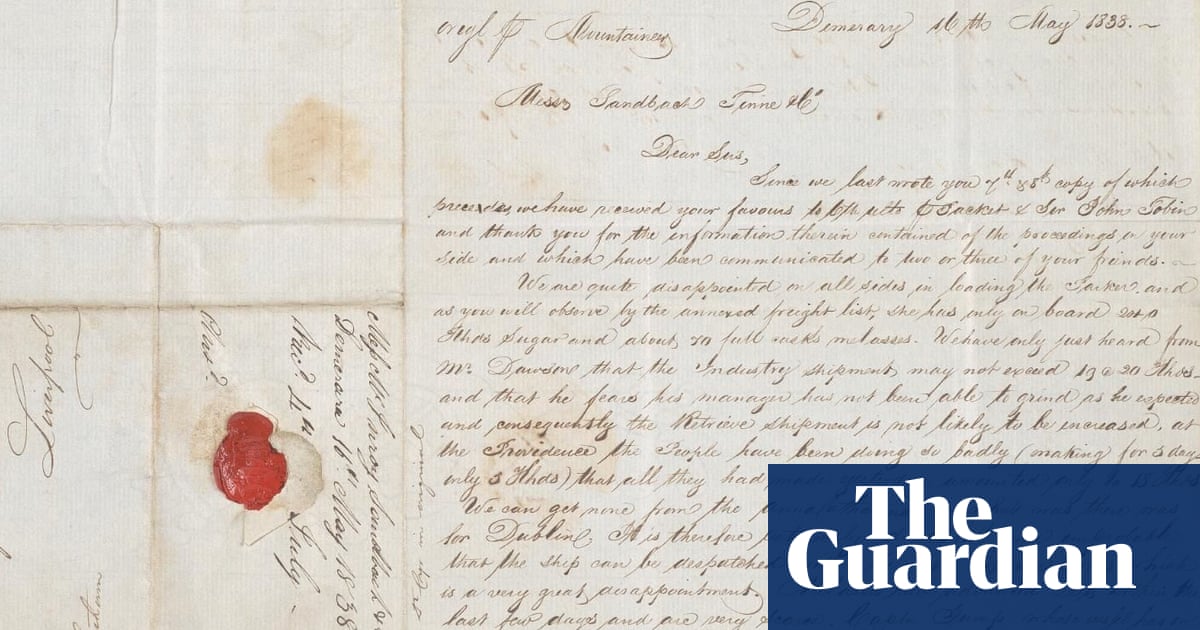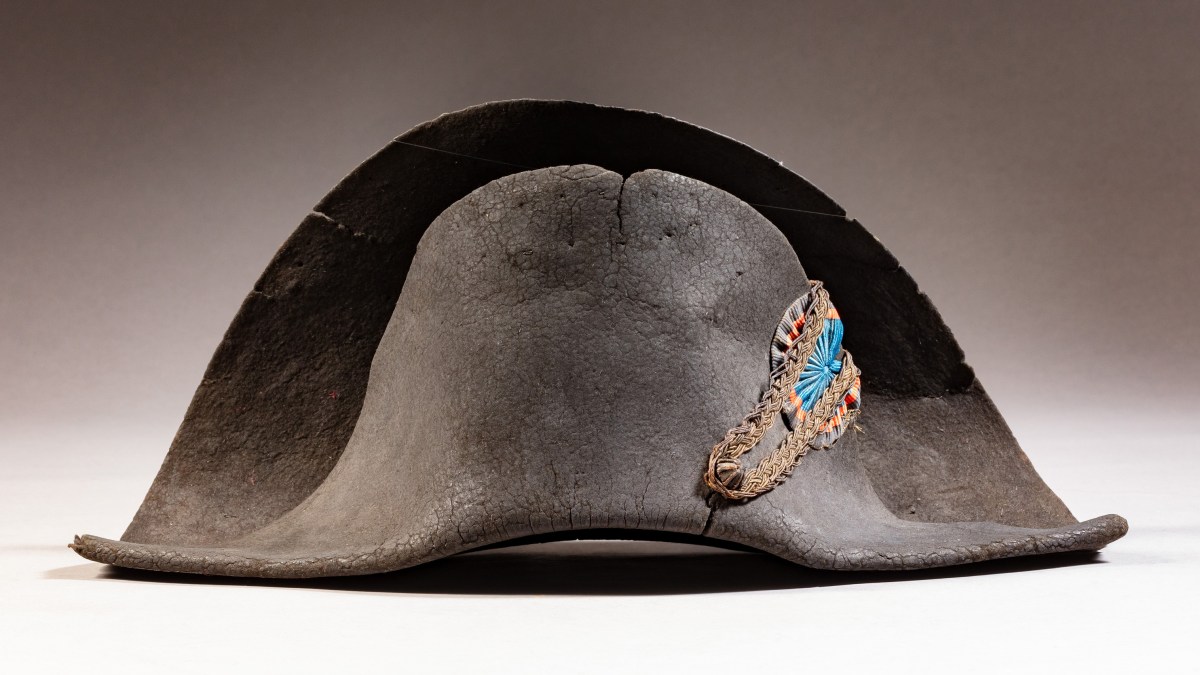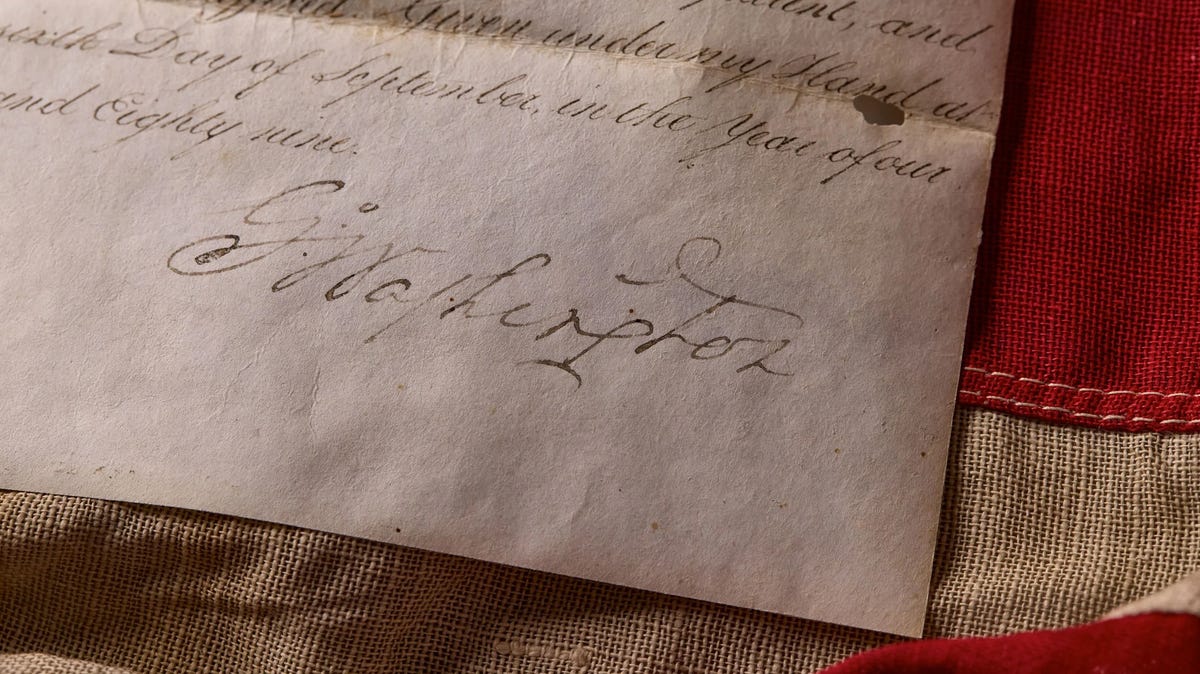
The papers might have seemed ordinary in their time: letters, invoices, receipts, logs, diary entries. But their contents, signatories or ties to milestone events turned them, over the centuries, into objects of great value.
A letter from George Washington to one of his colonels warning of a raid during the Revolutionary War. Legal writings by Abraham Lincoln before he became President. A note from Thomas Jefferson written as he prepared to leave Europe and return to Monticello.
Objects like this have been passed down through generations, discovered among a departed loved one's belongings or uncovered in dusty attics or safe deposit boxes. But what are they worth to strangers? How do experts verify such relics are authentic? How is their monetary and historic value determined? And where do they belong: in the hands of private collectors or on public view?
Nathan Raab wrote the book, or at least a book, on the process of authenticating historic documents.
The co-author of "The Hunt for History: On the Trail of the World's Lost Treasures," Raab, a second-generation rare documents dealer, has held letters from Abraham Lincoln and Winston Churchill and handled documents signed by George Washington and John Hancock, perhaps the most famous signer in American history.