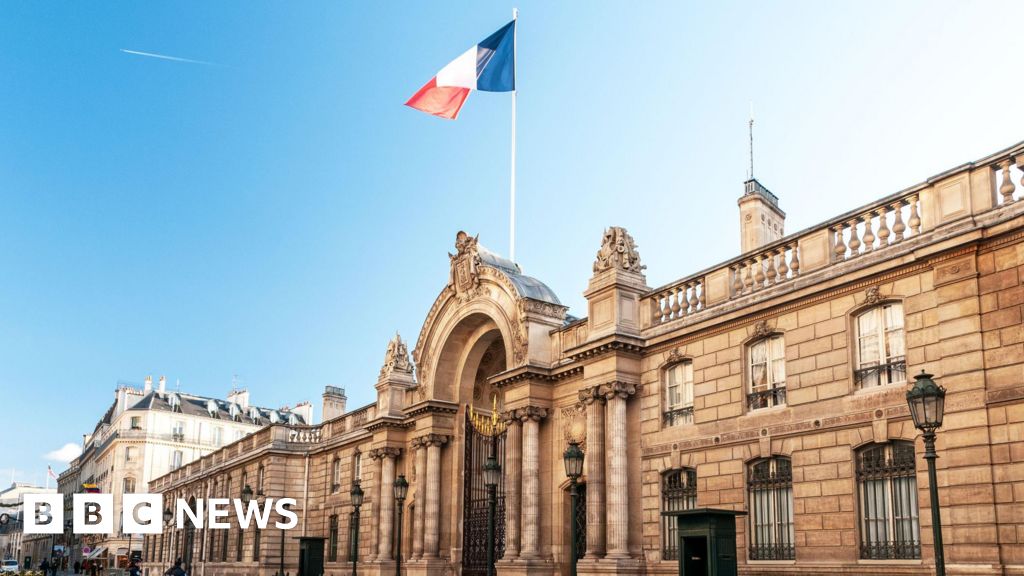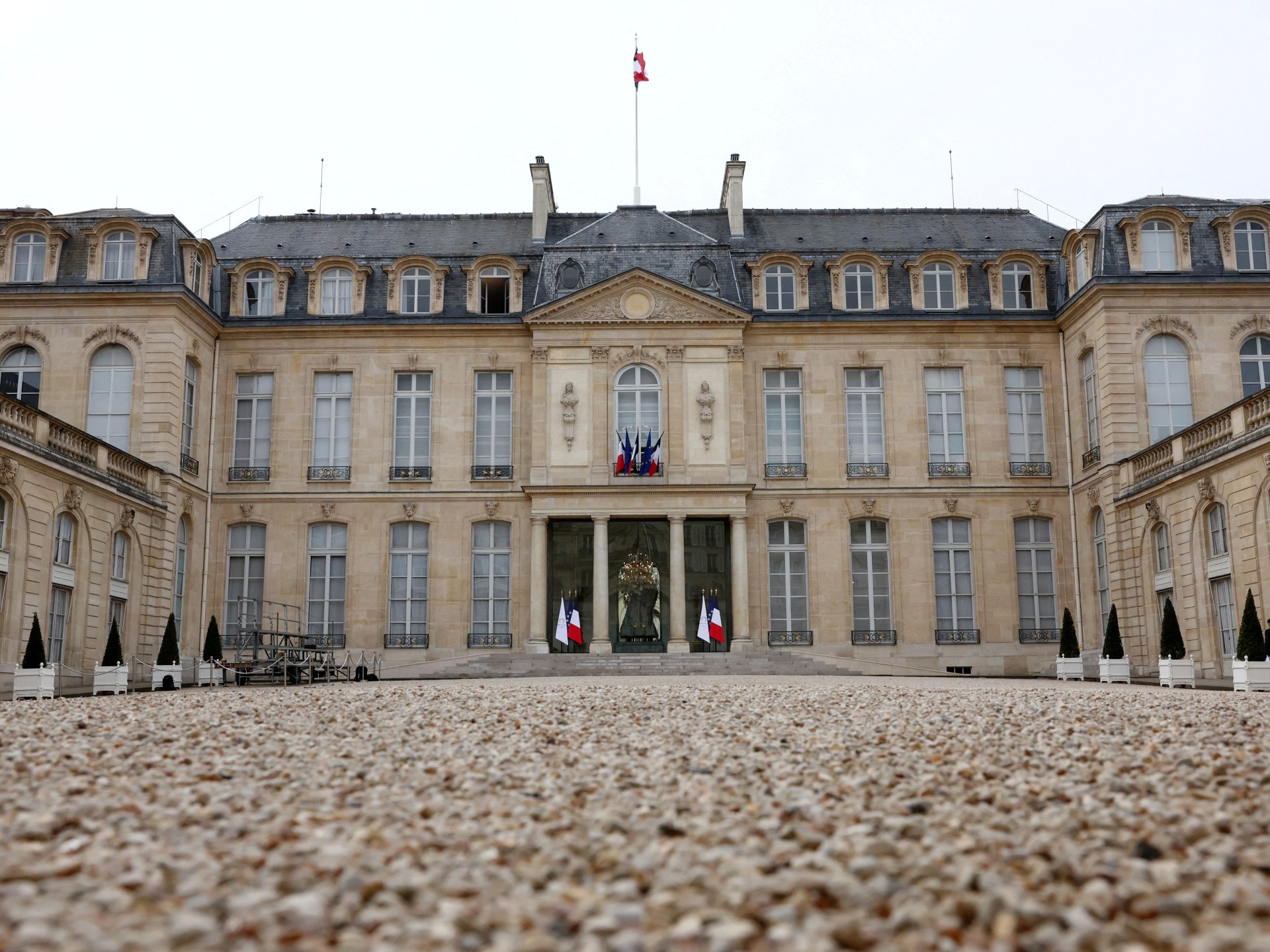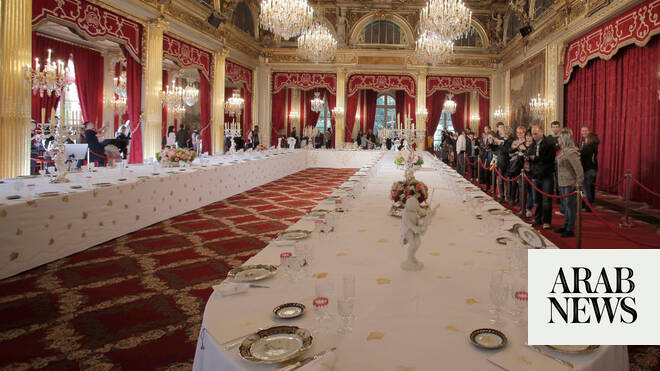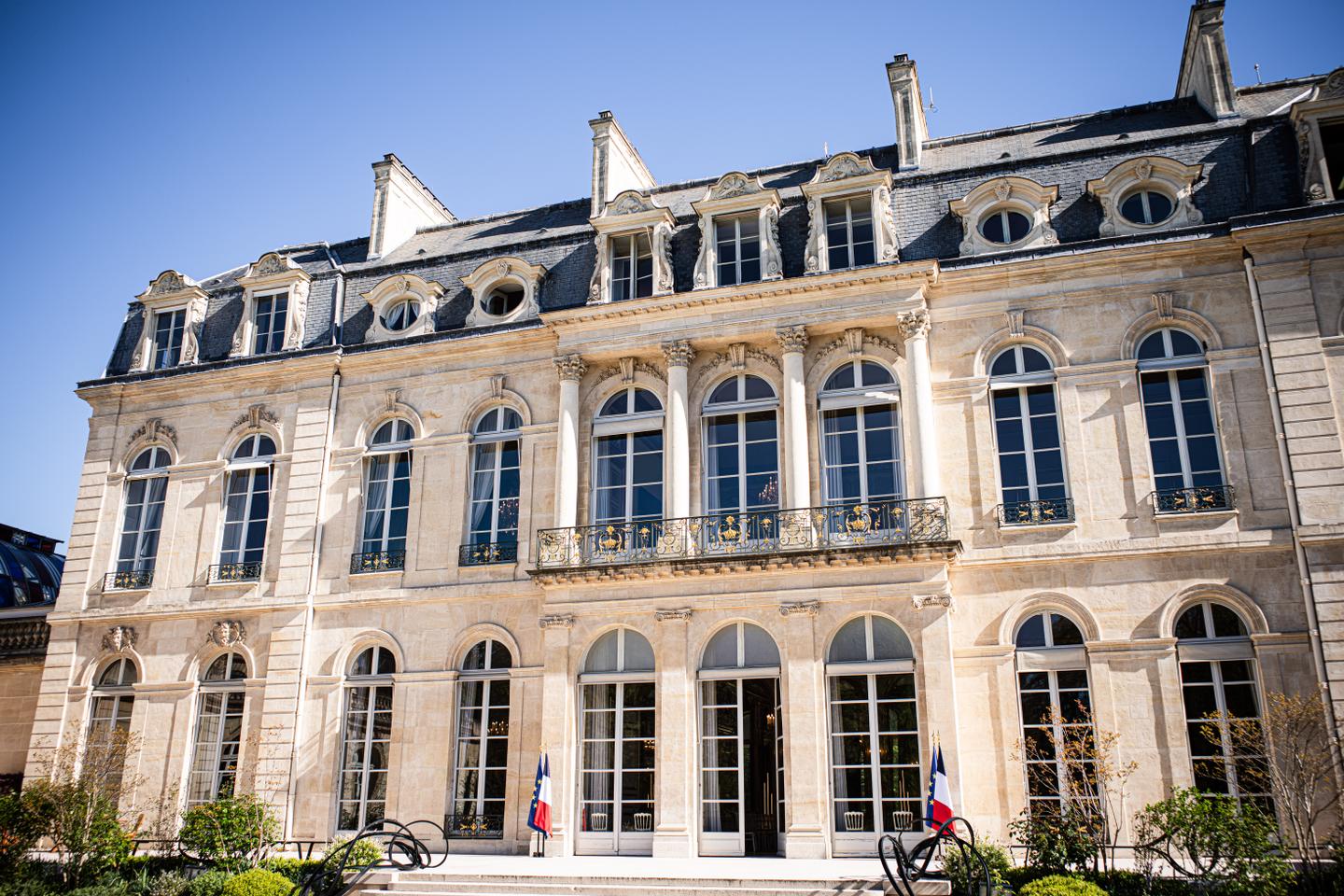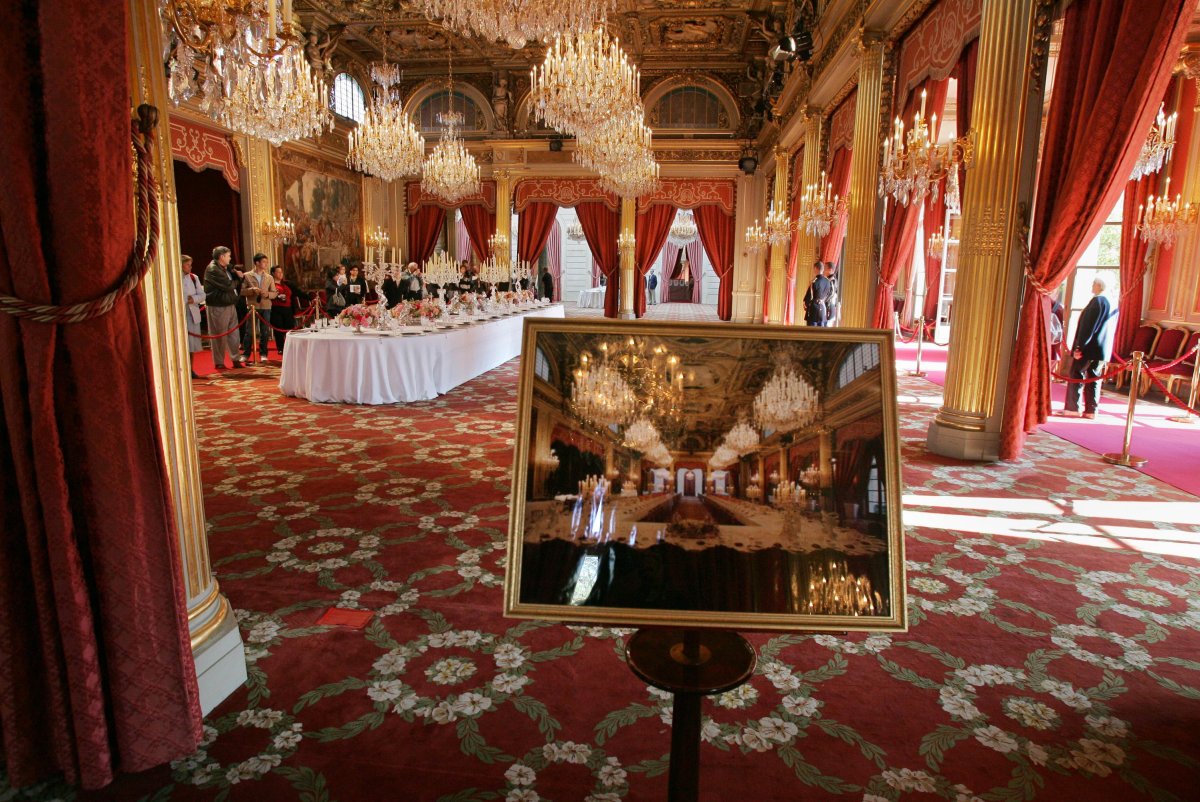
The story was set to be the day's curious case at the Paris criminal court. After the usual parade of low-level drug traffickers, delirious crack smokers, possessors of child porn, domestic harassers, recidivist burglars, and violent alcoholics came the much-awaited moment leading the court through the doors of the Elysée Palace and toward its drawers of polished silver, porcelain cabinets and clinking crystalware. Along with two other defendants, a former silver steward of the Elysée stood trial on Thursday, February 26, accused of stealing and harboring more than 100 pieces from this national collection, often visible to the public only in footage of state dinners.
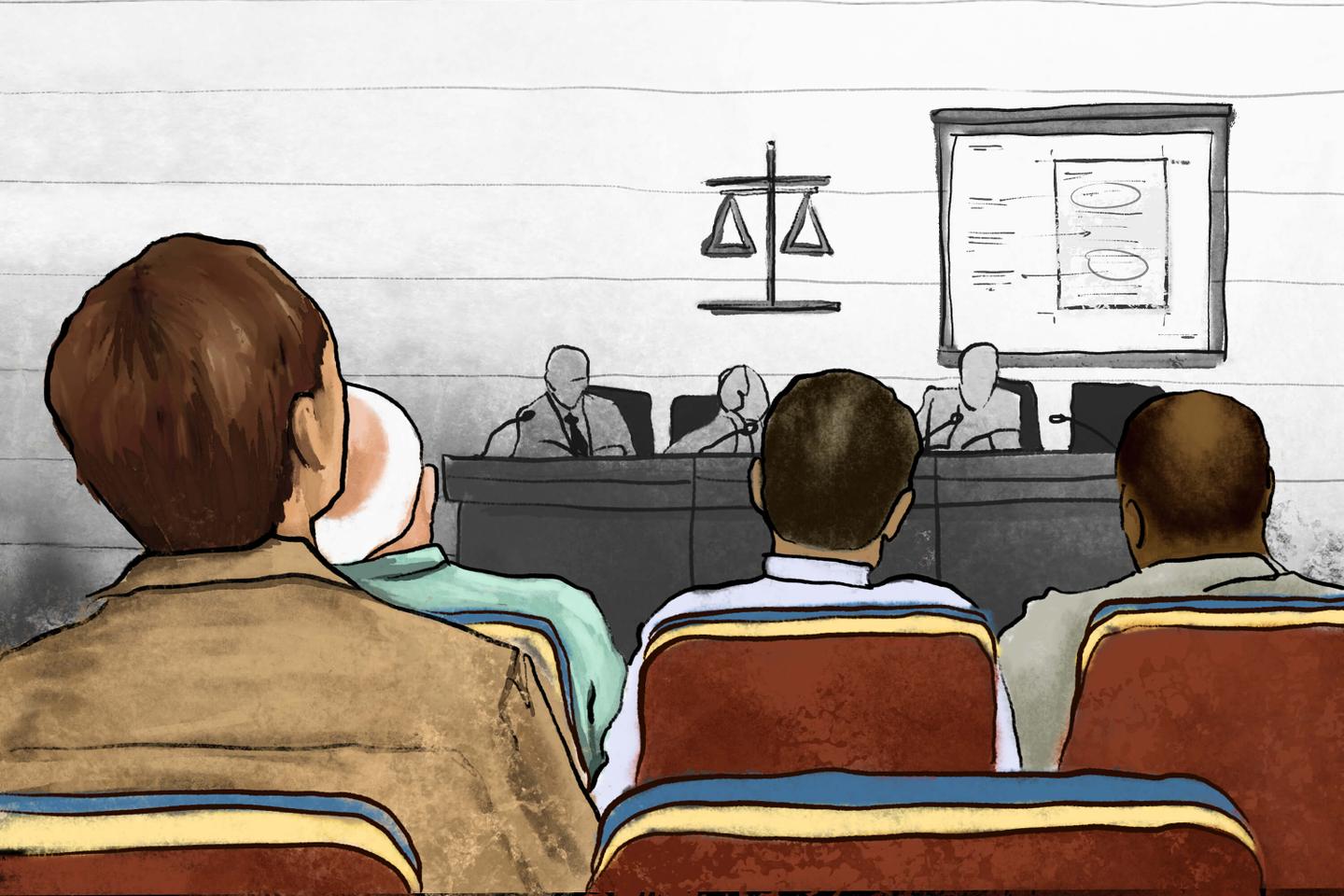
Facing the court, the former steward, in his thirties, round-bodied and prematurely balding, seemed crushed by shame. On his left sat his partner, a second-hand antiquities dealer 10 years his senior, with a thick beard and an ear piercing, who also looked uneasy. To his right, the face of a young art collector from Versailles, with cropped hair, a suit jacket and a white shirt, turned bright red each time his name was mentioned.
Alarm bells first started going off in the summer of 2025, when the steward of the presidential residence noticed the disappearance of several plates from the Duplessis, Poliakoff, and Alechinsky collections, along with Lalique statuettes and silverware. Around the same time, the monitoring department at France's national porcelain factory in Sèvres spotted plates stamped Elysée for sale on online platforms. Suspicion quickly fell on one of the palace stewards, Thomas M., who had worked there for five years and whose inventories often contained errors.