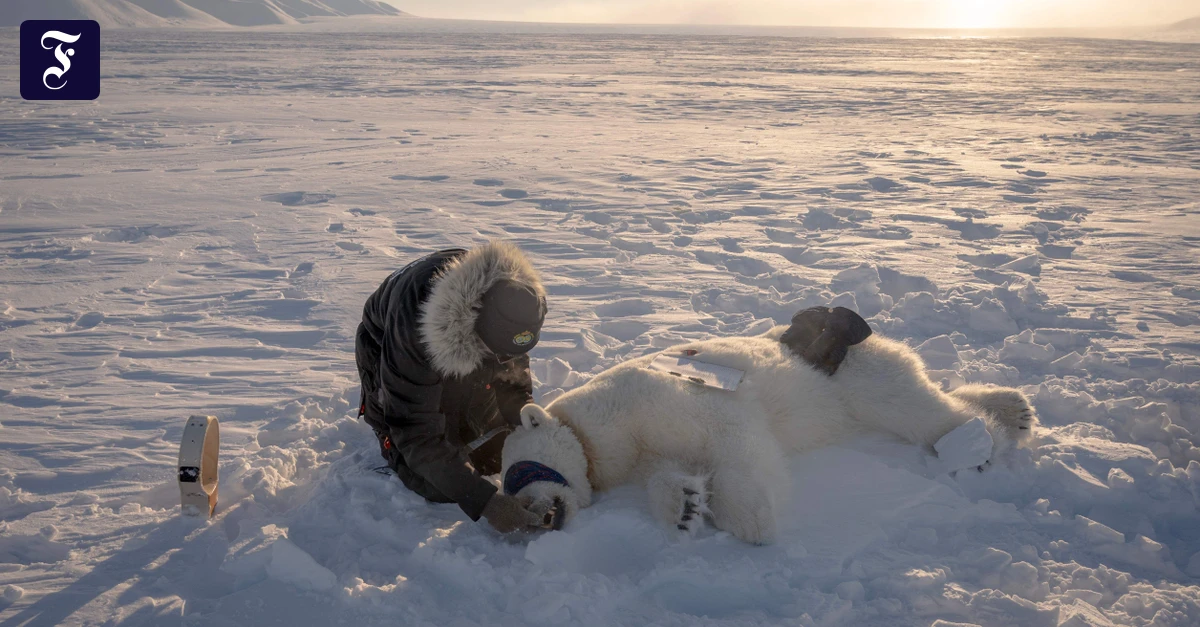
TASS-FACTBOX. February 27 marks International Polar Bear Day, which in Russia is often known simply as Polar Bear Day.
The observance of International Polar Bear Day is the initiative of US non-profit organization Polar Bears International (PBI), which lobbies for efforts to protect and preserve the world’s population of polar bears. The day falls at the end of winter, when bears with cubs are in their dens, as this time of the year is considered to be the most vulnerable in the life of a polar bear.
Although the day has no official status, since the late 2000s polar bear protection events have been held around the world to coincide with it. For example, the organizers recommend that all residents of the Northern Hemisphere reduce their home heating levels, thereby reducing the rate of global warming, as climate change is leading to a reduction in the Arctic Ocean ice cap that serves as the natural habitat of polar bears.
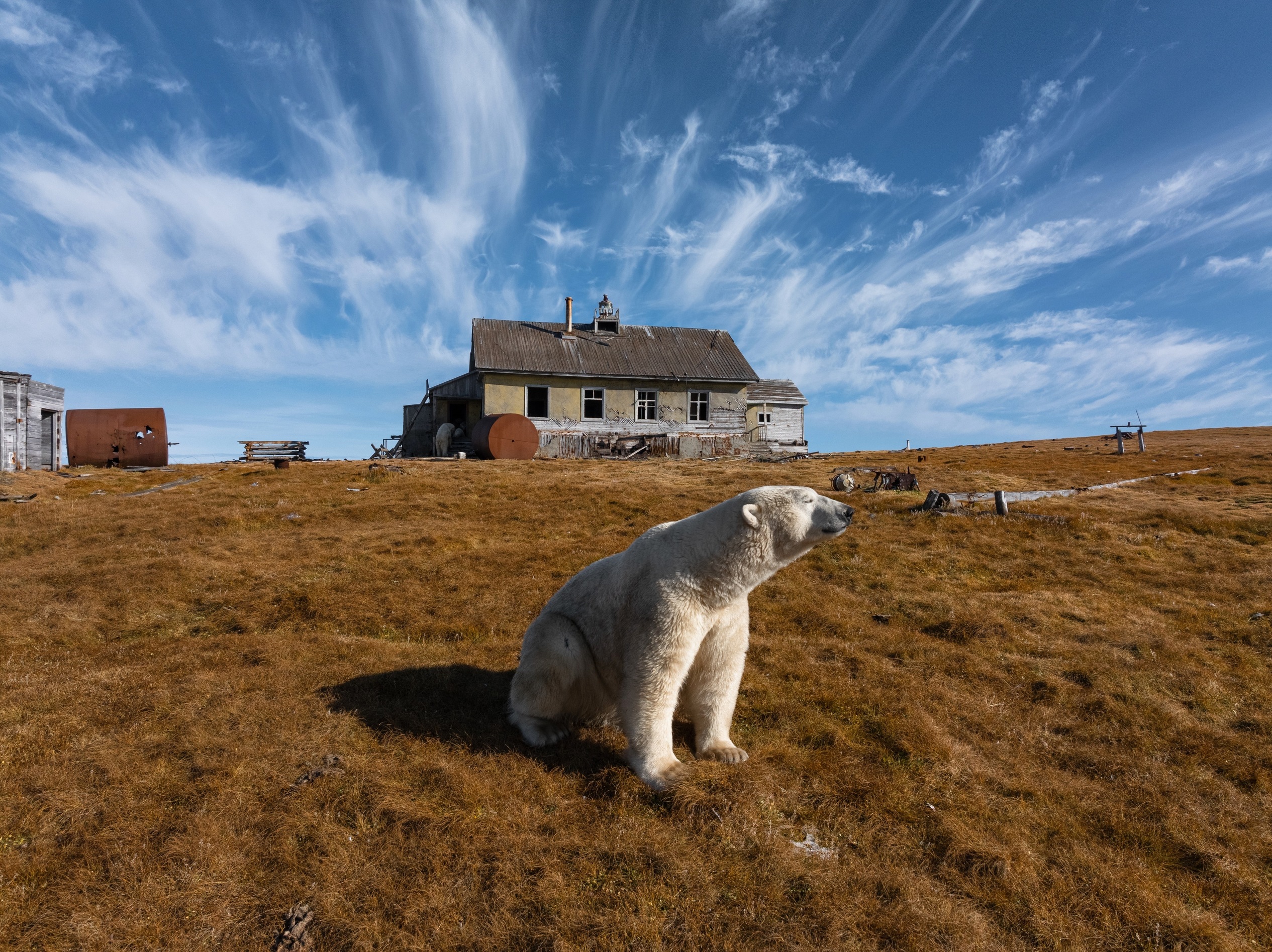
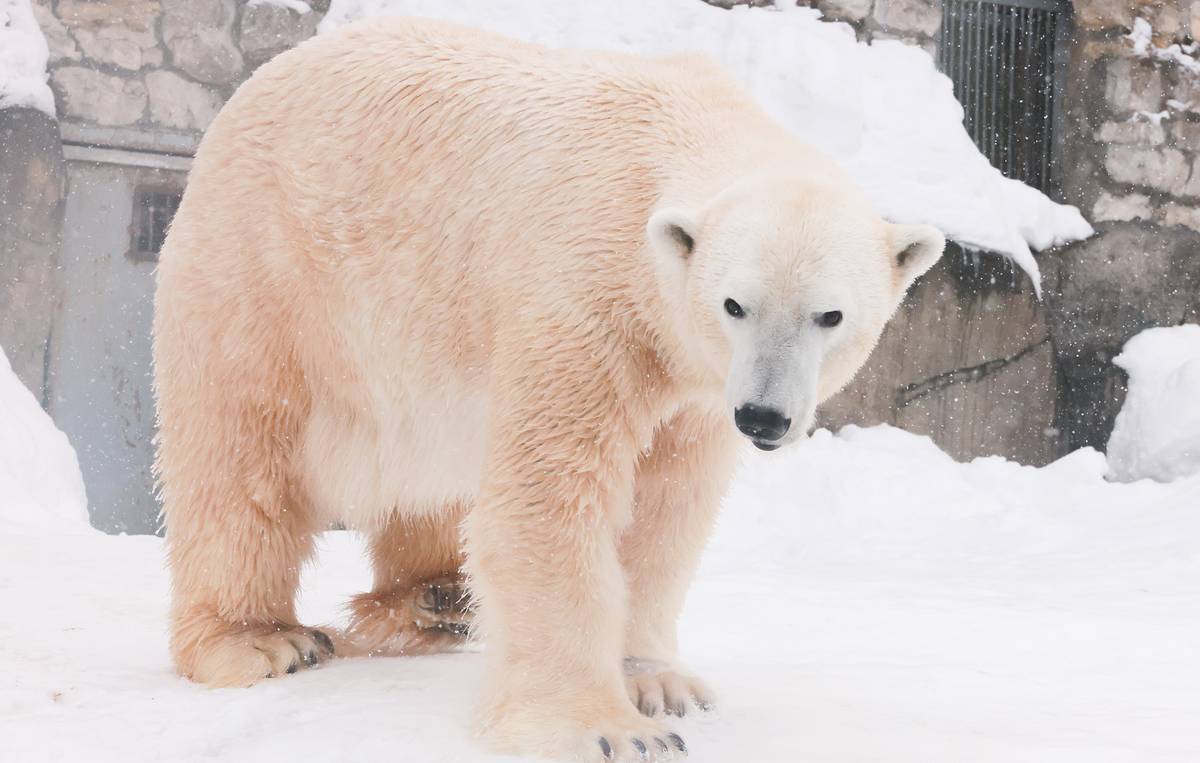
The polar bear, whose Latin name — ursus maritimus — means "sea bear," is one of the Earth’s largest terrestrial predators. Males grow to an average height of 2.5 meters in length and a weight of 400-600 kilograms, with some reaching 800-900 kg. The females of the species are much smaller; they are typically 1.5-2 meters tall and weigh 150-300 kg. Bear cubs weigh about 500-800 g at birth and are completely dependent on their parents, usually the family breaks up when the cubs reach 2.5 years. The animals have well-developed hearing, vision and sense of smell, and are able to move overland at speeds of up to 40 km/h and tolerate temperatures below -45 °C. Bears' fur is not white - its hairs are transparent and hollow, they reflect light, creating the illusion of white. The average life expectancy is 25-30 years, and up to 45 years in captivity.