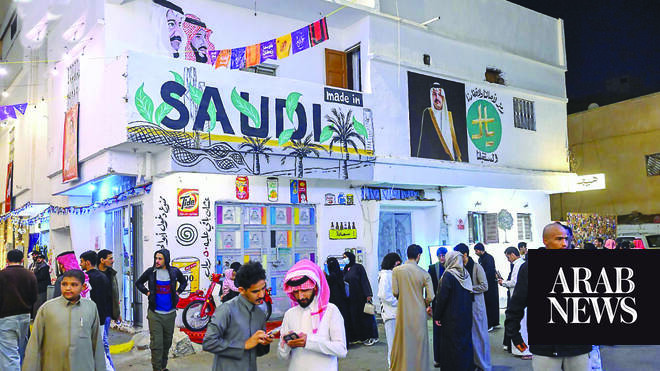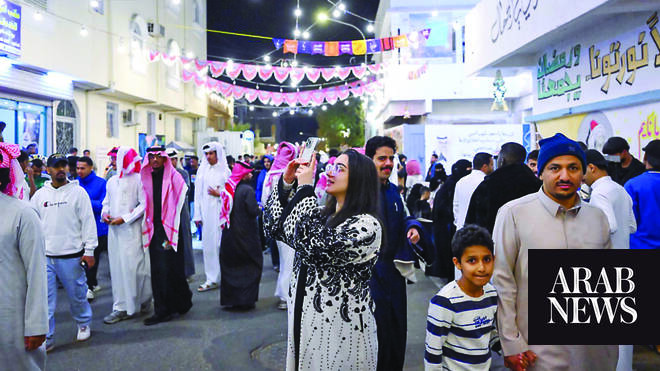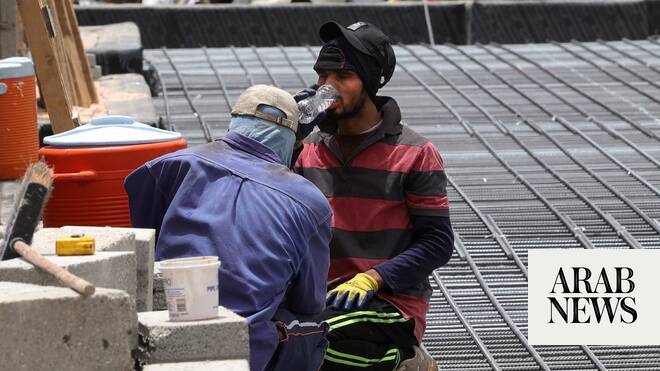
ALKHOBAR: For working professionals, the month of Ramadan reshapes the Saudi workday — and the actual structure of the day itself.
Under Saudi labor regulations, working hours for employees are reduced during Ramadan to a maximum of six hours per day, or 36 hours per week. In practice, this often translates into office schedules beginning around 9 or 10 a.m. and ending mid-afternoon. The adjustment is designed to ease the strain of fasting, but deadlines and performance expectations remain unchanged.
“I plan my entire day around conserving energy,” said Lina Al-Faraj, a marketing manager in Riyadh. “I schedule heavy tasks at the start of my workday and leave lighter administrative work for later. If I don’t structure it, the day drains me.”
In offices across the country, meetings are pushed to the first half of the day. Critical decisions are addressed early, before energy levels dip in the afternoon. Tasks that might normally stretch across a full schedule are condensed into tighter windows.
Yet client demands, internal targets and project timelines do not pause for Ramadan.