https://arab.news/zksum
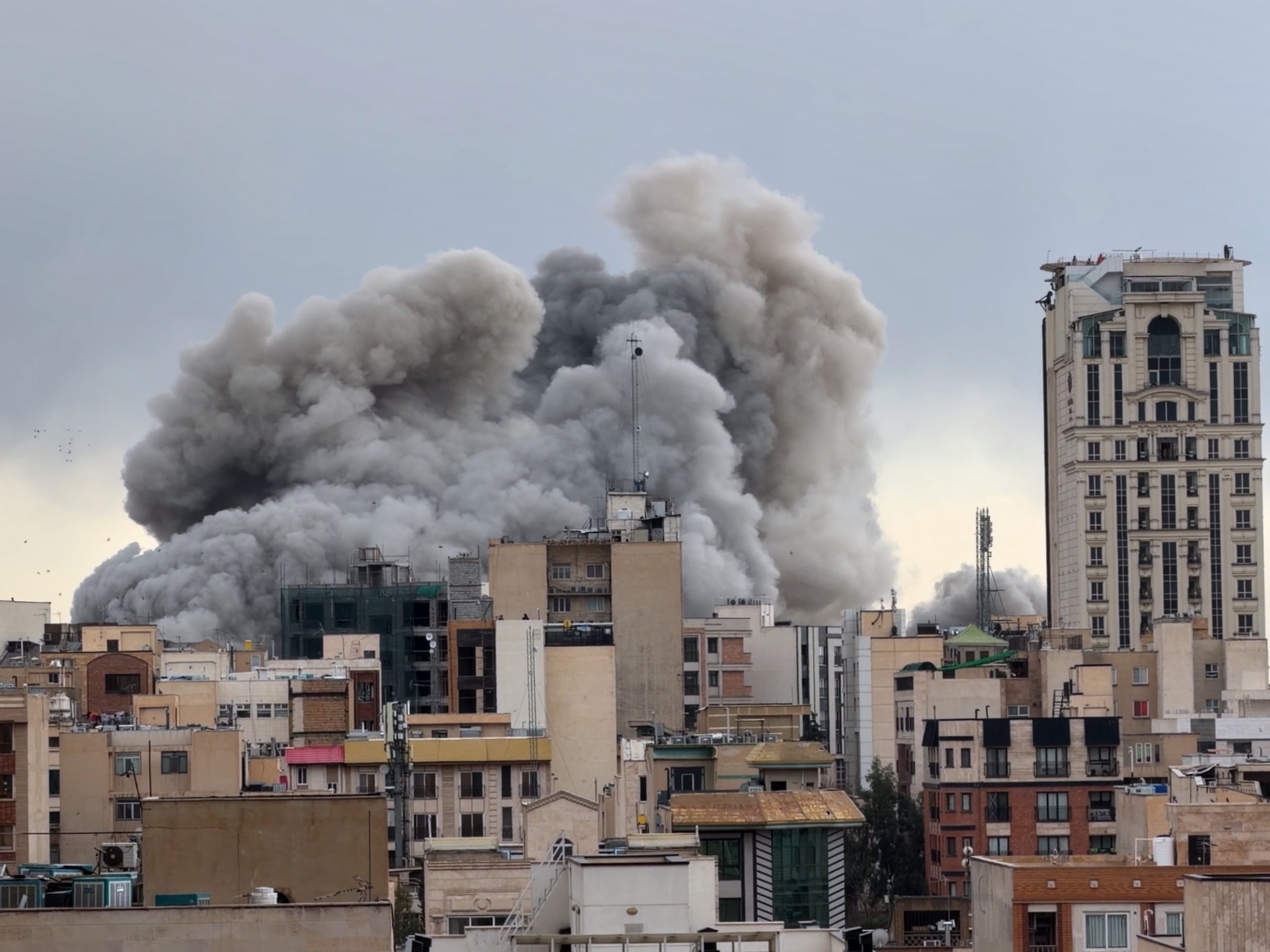
The region could be days, maybe even hours, from a major conflagration — the biggest since the US invasion of Iraq in 2003. The third round of critical US-Iran indirect talks in Geneva on Thursday has been described as a last-ditch chance to reach an agreement on Iran’s nuclear program and other issues. But despite all the warning signs that war may be imminent, there are indications that a diplomatic breakthrough is still possible.
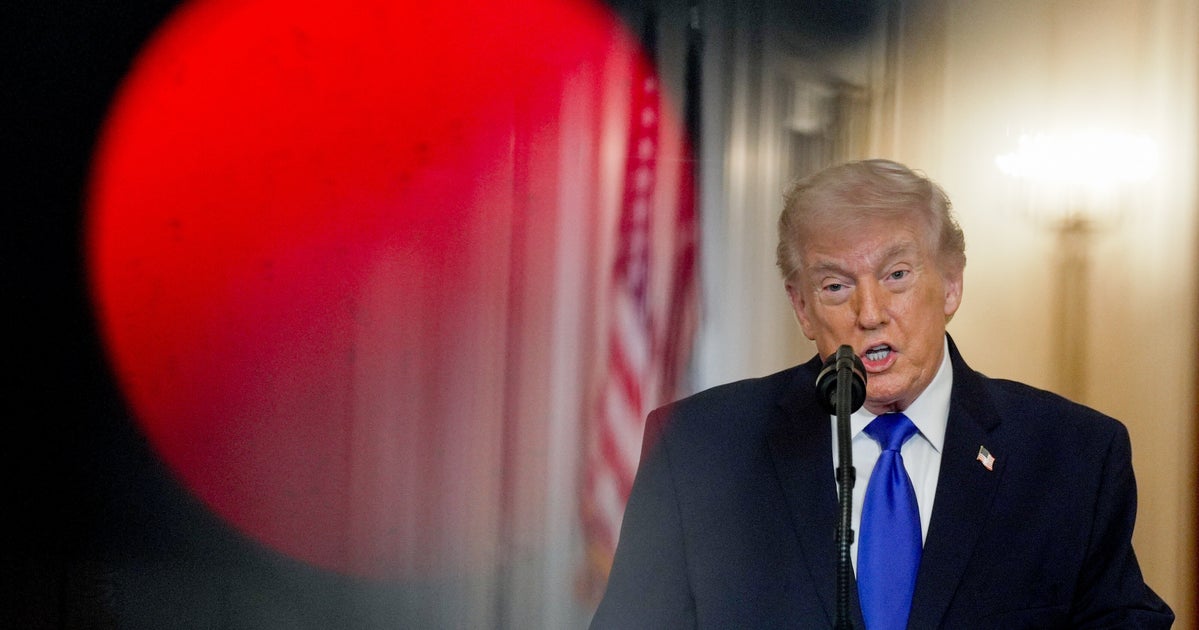
The reality is that, despite the mixed signals and serious rhetoric from President Donald Trump and his close aides, no one in the region has the appetite for yet another war — one that could last weeks or even months and have catastrophic consequences. No one, that is, except Israel’s Benjamin Netanyahu.
The region has been on edge for weeks, since the US amassed a large naval flotilla in the Arabian Gulf and the Mediterranean and moved more than 150 military aircraft to bases in the region. This is a markedly different situation from last June’s 12-day confrontation between the US and Israel, on the one hand, and Iran on the other.
The irony is that a deal is possible — one that spares the region an open-ended war, provides guarantees that Iran’s nuclear program will be monitored and that uranium enrichment will be severely curtailed. According to Iranian Foreign Minister Abbas Araghchi, a deal is “within reach, but only if diplomacy is given priority.” That is the key to defusing the crisis.