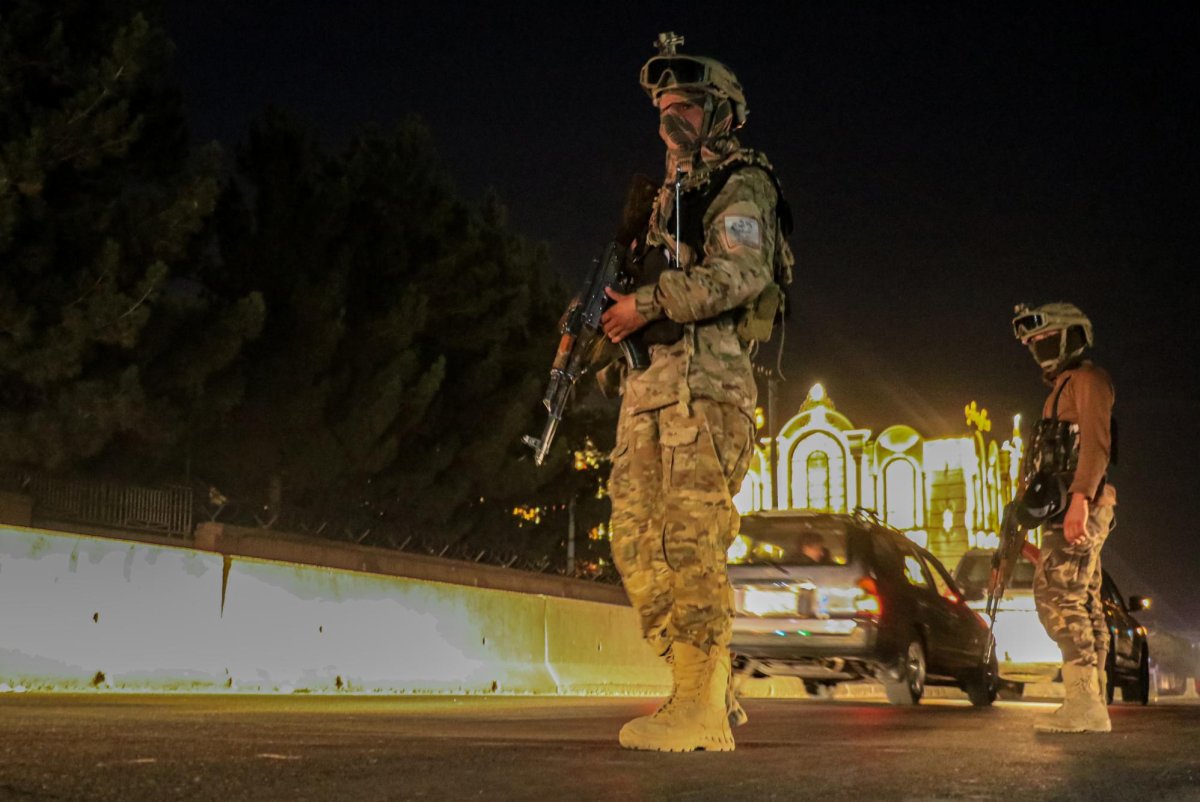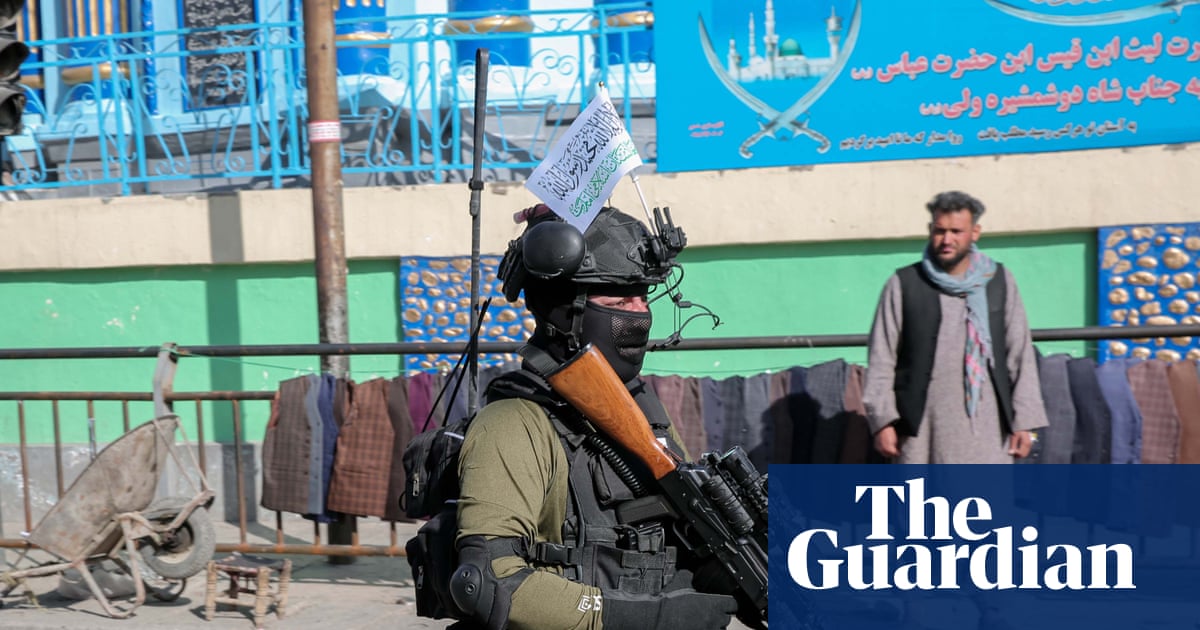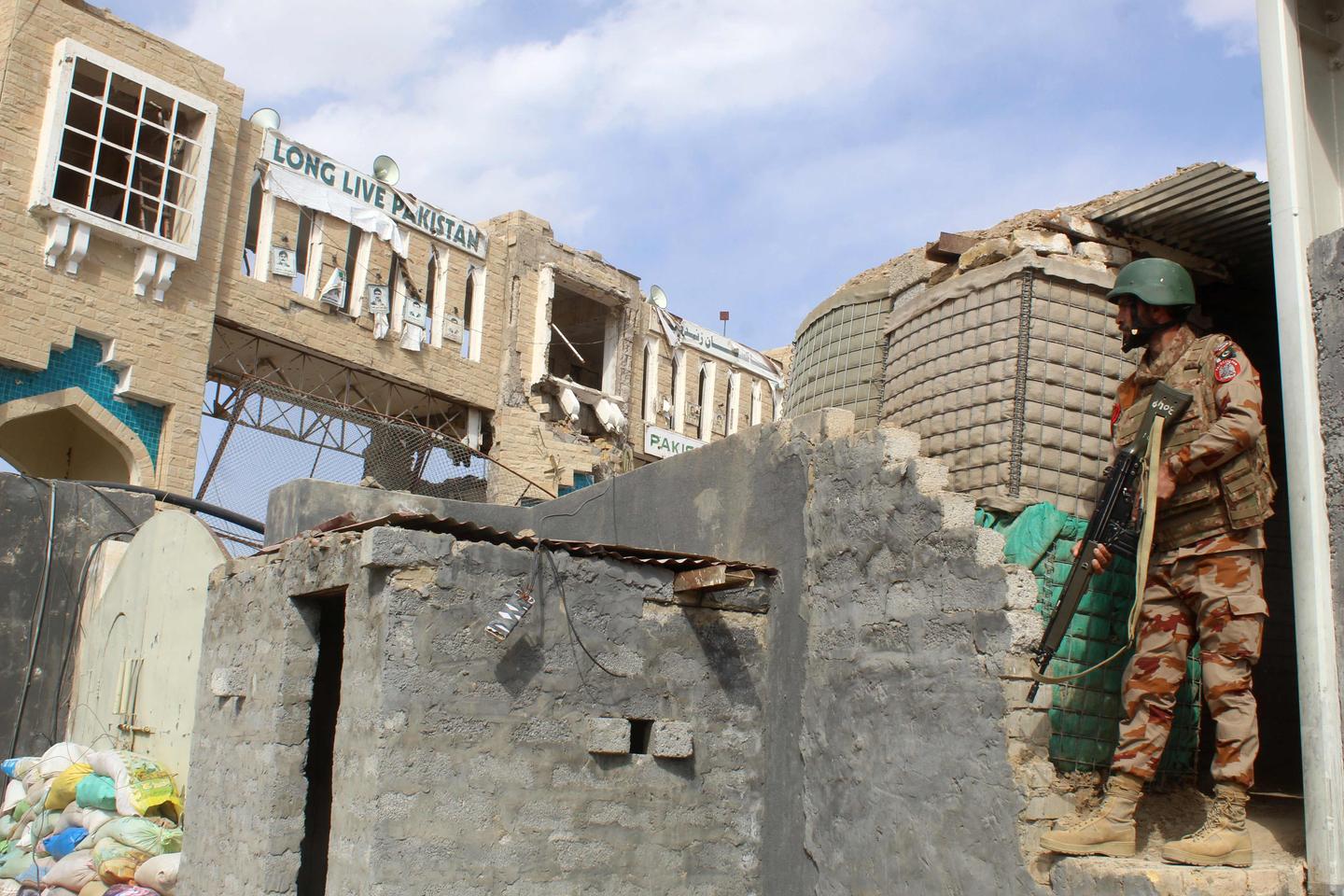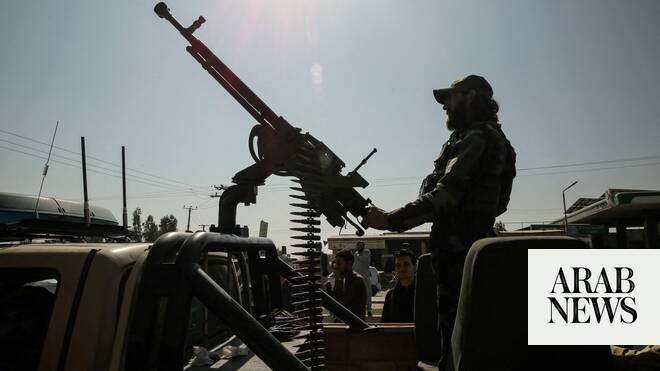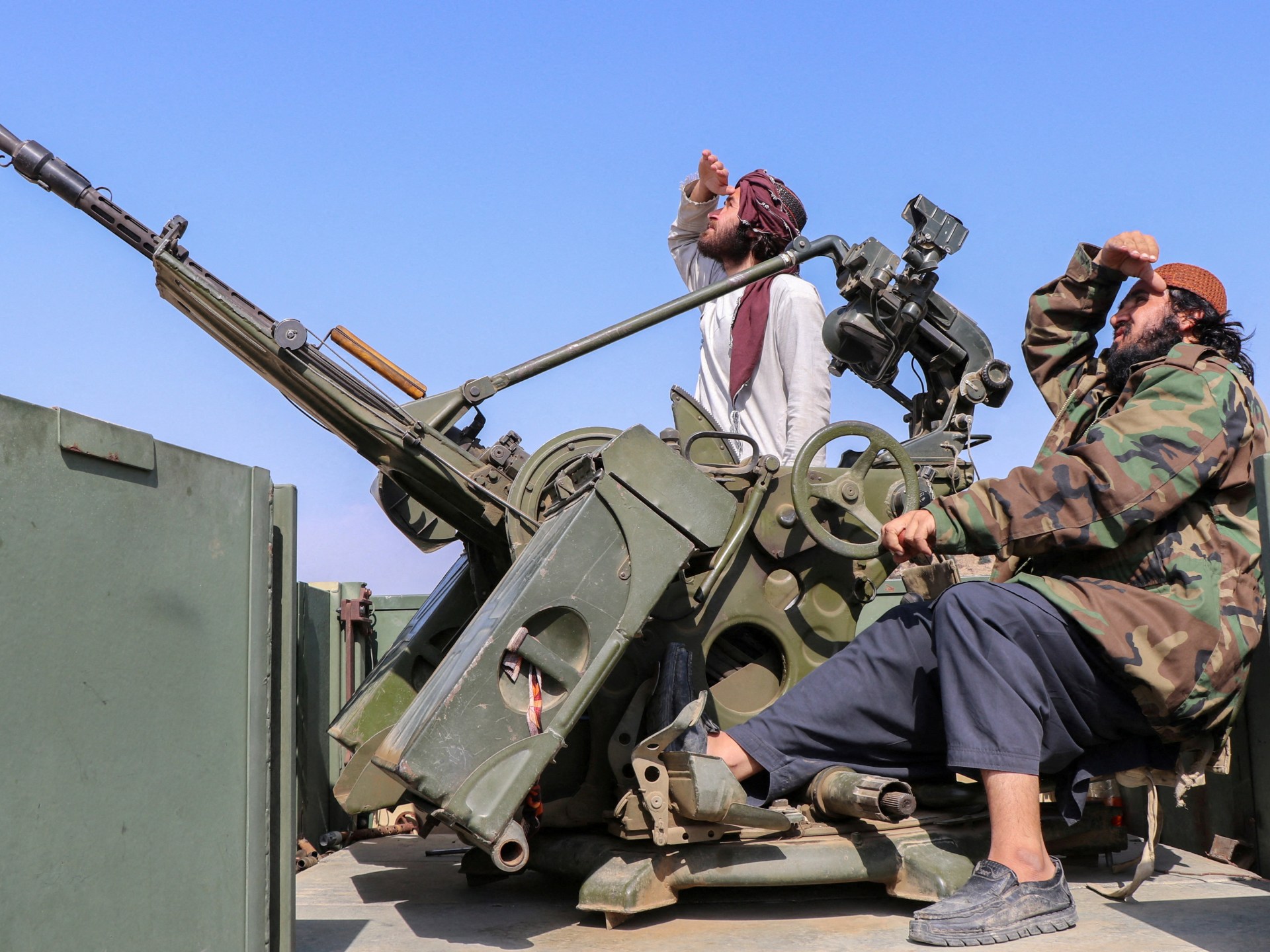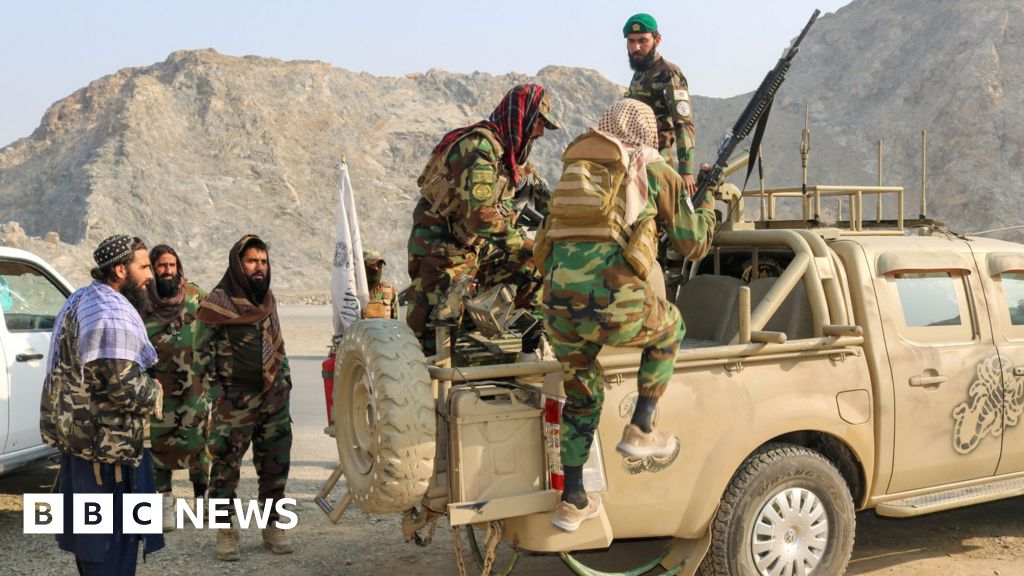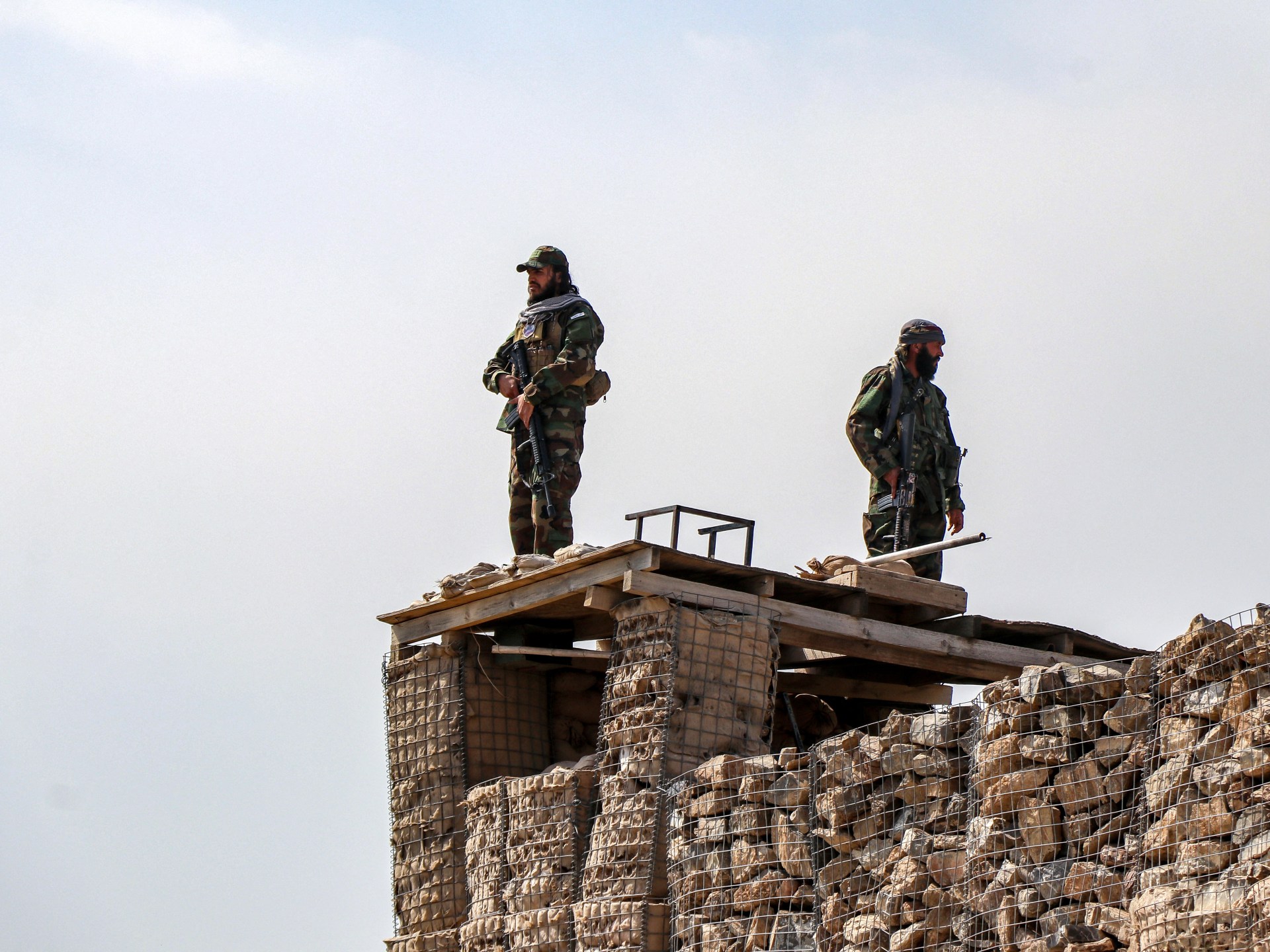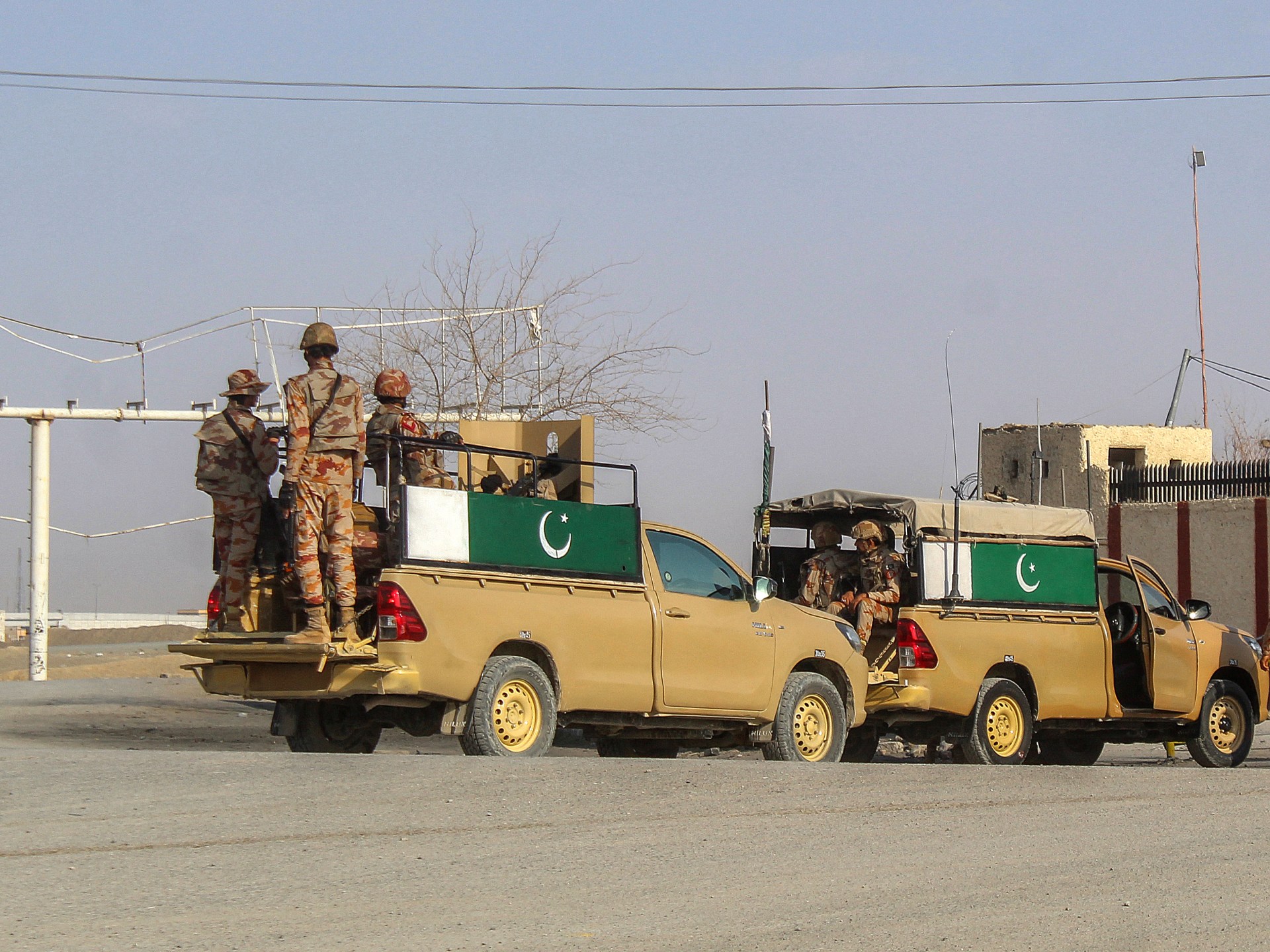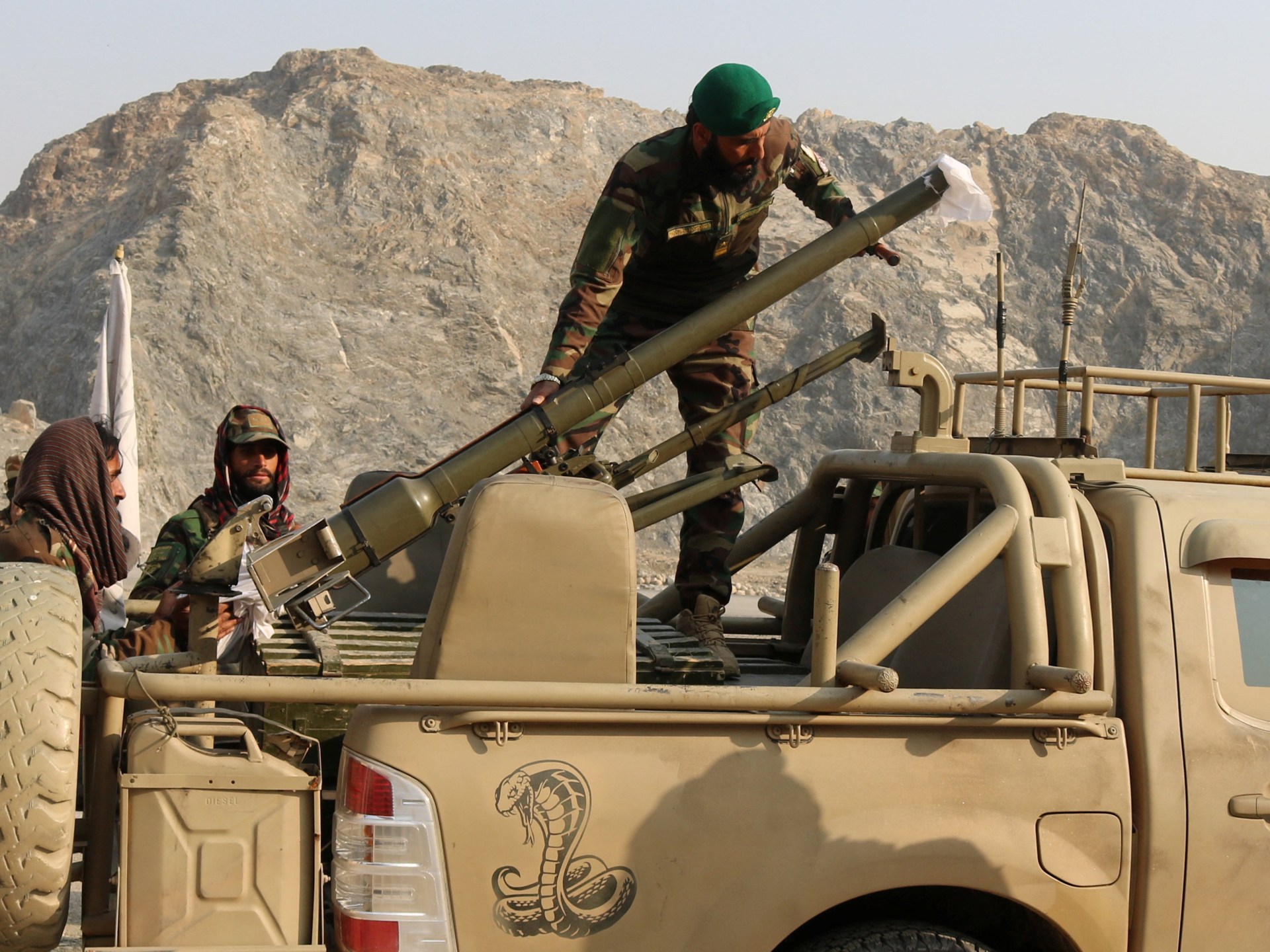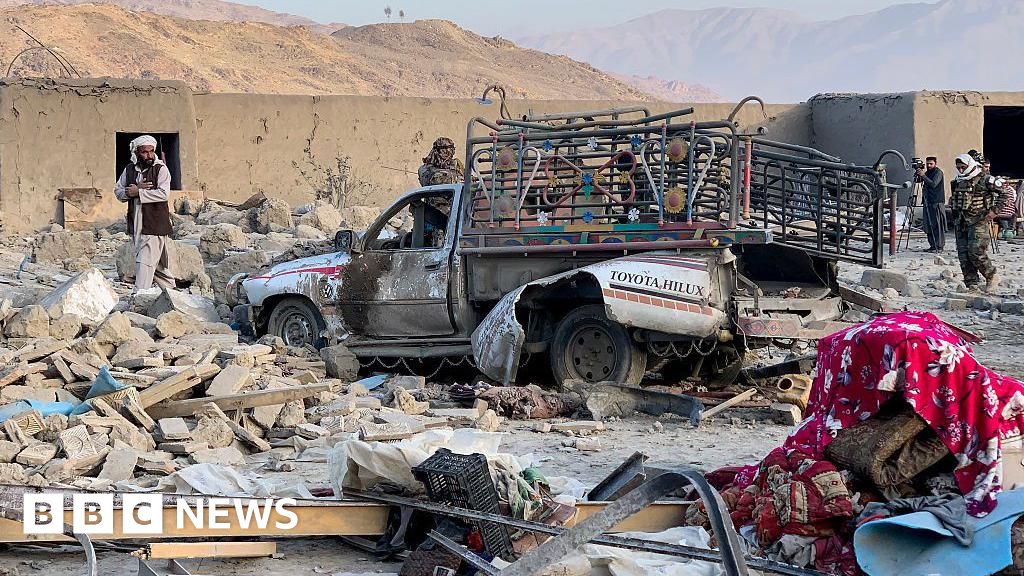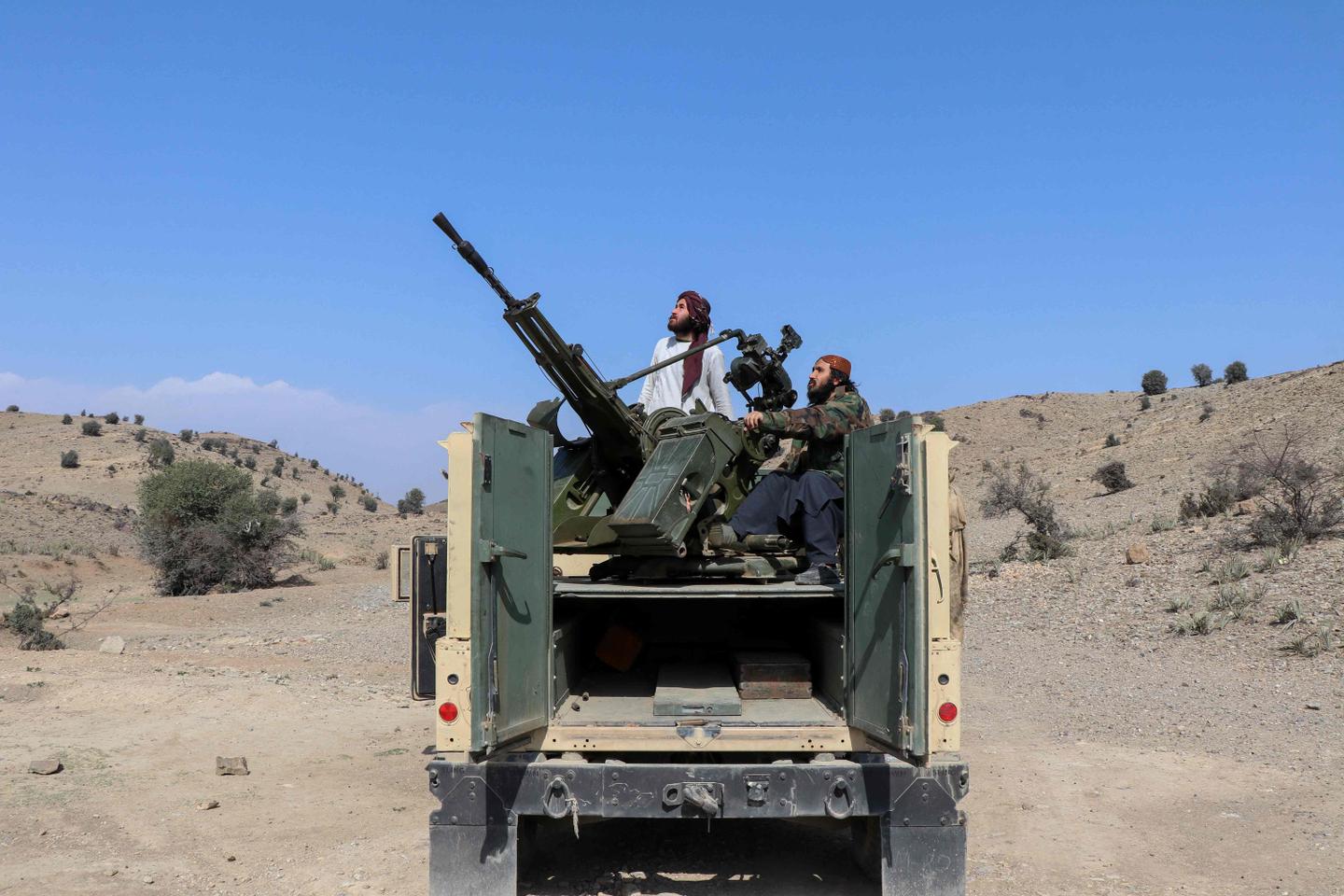
Taliban fighters monitor the skies near the Afghanistan-Pakistan border in Khost Province, Afghanistan, February 27, 2026. AFP
Belligerent statements from Pakistani leaders multiplied on Friday, February 27, just hours after Pakistan's military bombed several major Afghan cities. "Our patience has reached its limit. Now it is open war between us and you," declared Pakistan's defense minister, Khawaja Asif, on X.
The Pakistani army carried out overnight airstrikes on Kabul, Kandahar, and Paktiya Province in the country's southeast. Pakistan's information minister, Attaullah Tarar, claimed the strikes targeted "Afghan Taliban defense positions." The Taliban confirmed the strikes but said there were no casualties.
The escalation between Pakistan, a nuclear-armed country, and its northern neighbor accelerated rapidly within just a few hours. According to Pakistan, Friday's airstrikes were in response to an Afghan attack the previous evening on Pakistani military bases and installations along the border between the two countries. That assault, Kabul said, was itself a response to airstrikes carried out by Islamabad on Sunday that killed 13 civilians, according to the United Nations (UN).
The cycle of reprisals appeared to be continuing on Friday. A Taliban spokesperson announced on X that Afghanistan had already launched a new counterattack, but the message was later deleted. Gunfire and artillery were also heard near the Torkham border crossing, according to Agence France-Presse. "Our forces have the full capability to crush any aggressive ambitions," warned Pakistani Prime Minister Shehbaz Sharif.