A
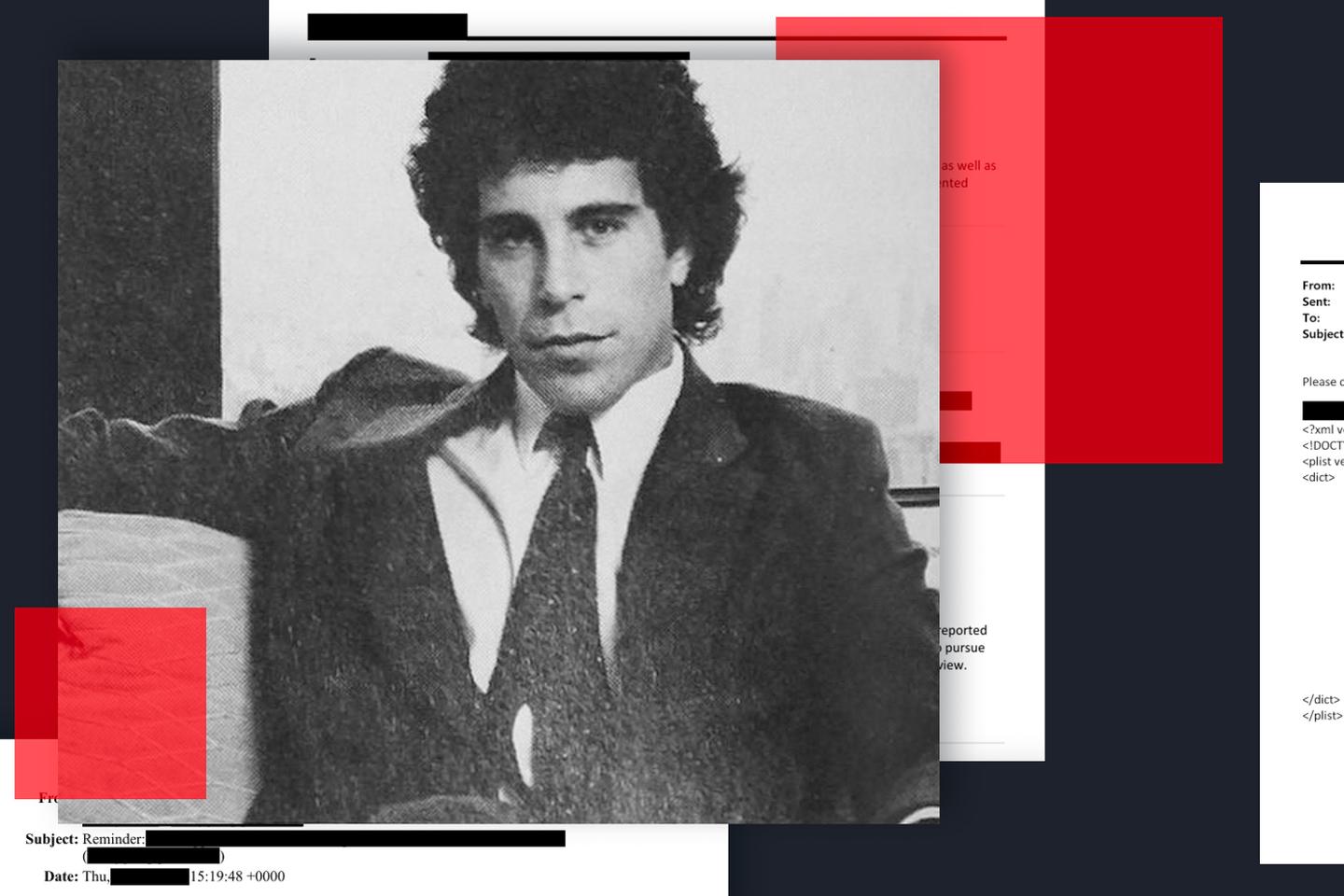
boy from Brooklyn who became a trader, then a con man and a socialite tyrant, Jeffrey Epstein had all the makings of a character from a novel. In the case now forever linked to his name, which includes a multitude of minors among its victims, the fact that Epstein was a rapist and a sex trafficker long overshadowed the indifference, even cynicism, that individuals in high positions can display, as the sociology of power has demonstrated.
The roots of this cynicism are structural: It is about not feeling bound to follow the rules that apply to everyone else and never excluding the possibility of being an exception. Accustomed to being left to their own devices, those in positions of power can rely on disproportionate means to elude the police, evade judges and deny justice to victims. In daily life, the belief that they are not subject to ordinary morality is often accompanied by the conviction that everything is owed to them, which stifles any sense of scruple.
The self-regard they feel, the deference they receive, the passes and special privileges granted by representatives of prestigious economic, governmental and academic institutions allow the powerful to experience the privileges they grant themselves – and the misconduct they allow themselves – as natural. Throughout his life, Epstein encountered powerful protectors. By giving him a helping hand, placing their trust in him, sparing him from consequences when he failed, or covering up his misdeeds, they helped convince him he was exceptional.