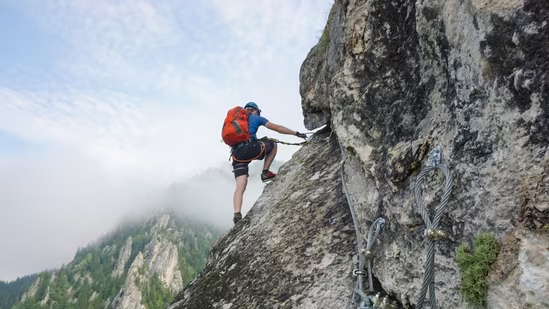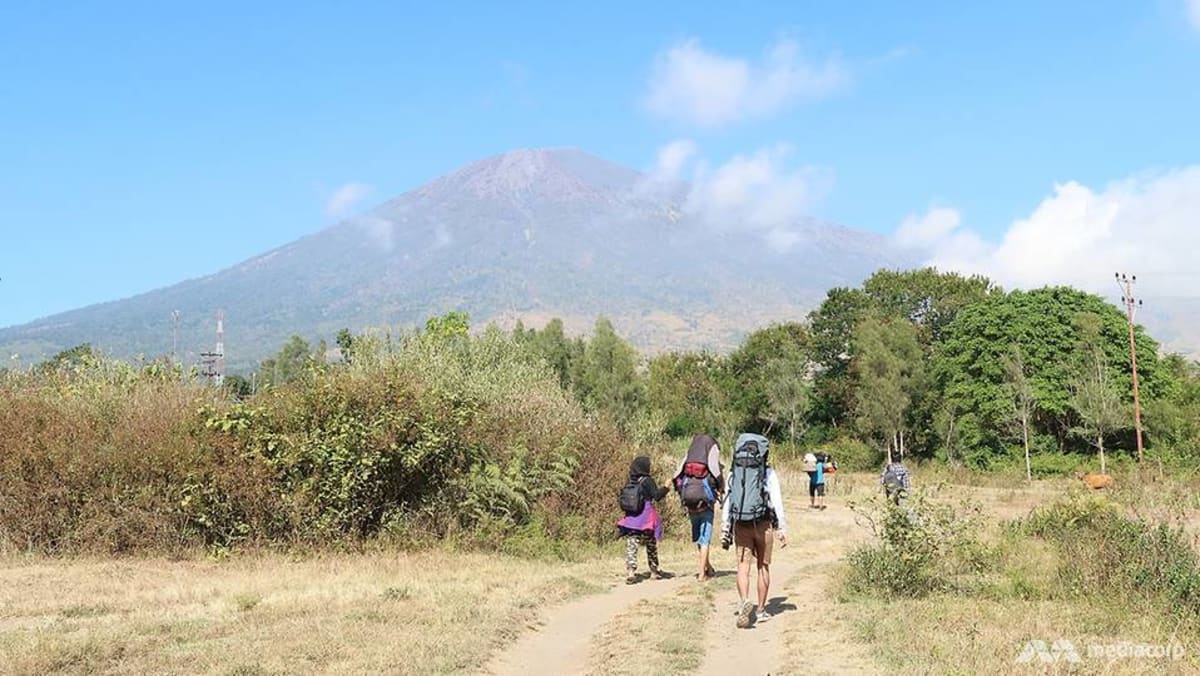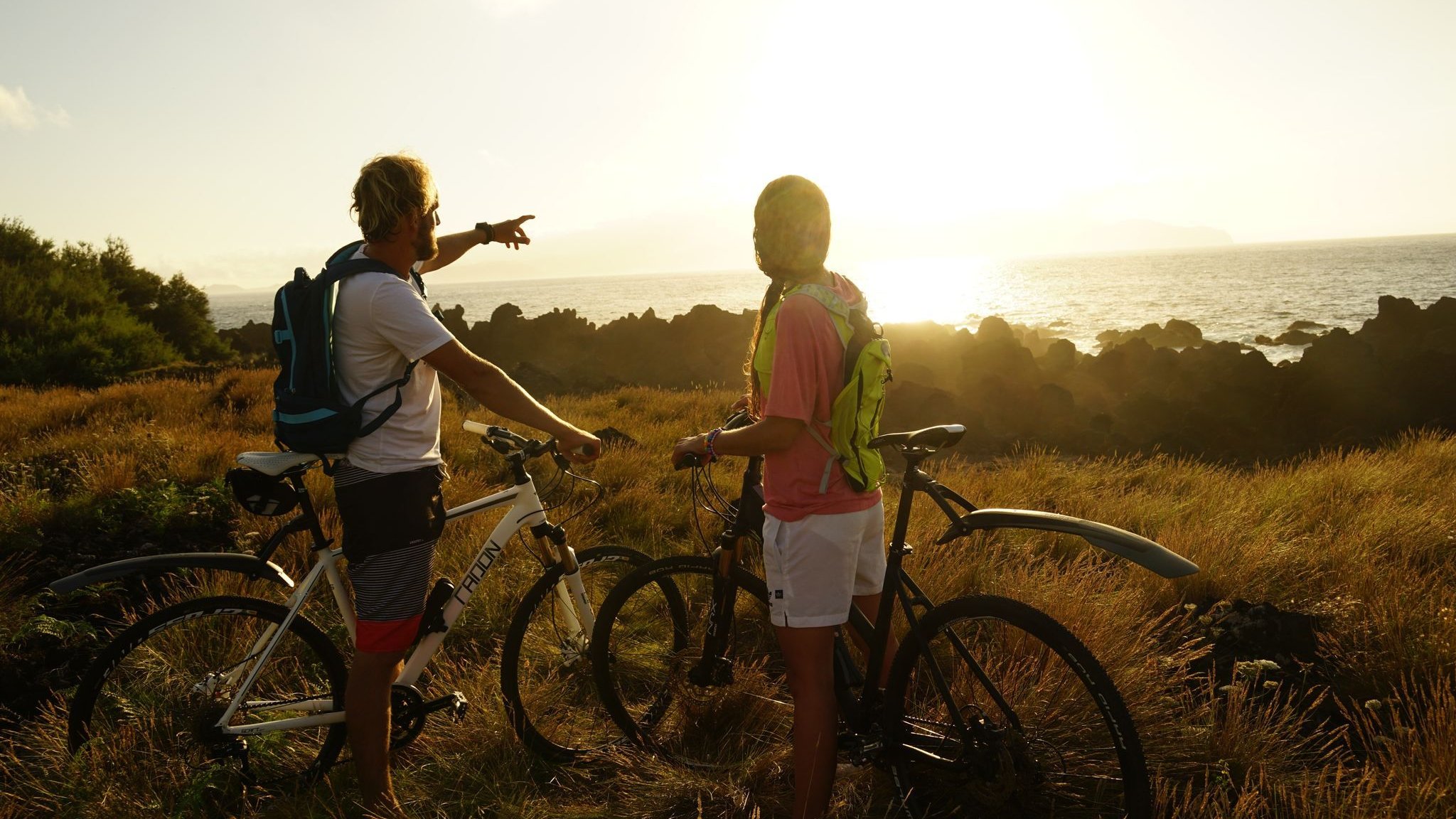
Adventure-seekers can pay guides to help them do just about anything they've dreamed of: Go ice-climbing on a crevasse-filled glacier, take a jaunt to an active volcano, and ski the backcountry in an avalanche-prone area.
They pay hundreds, thousands, or even millions of dollars to explore the wildest places on Earth, all with the safety of well-trained guides who have a mountain of experience. But time and again, disaster strikes.
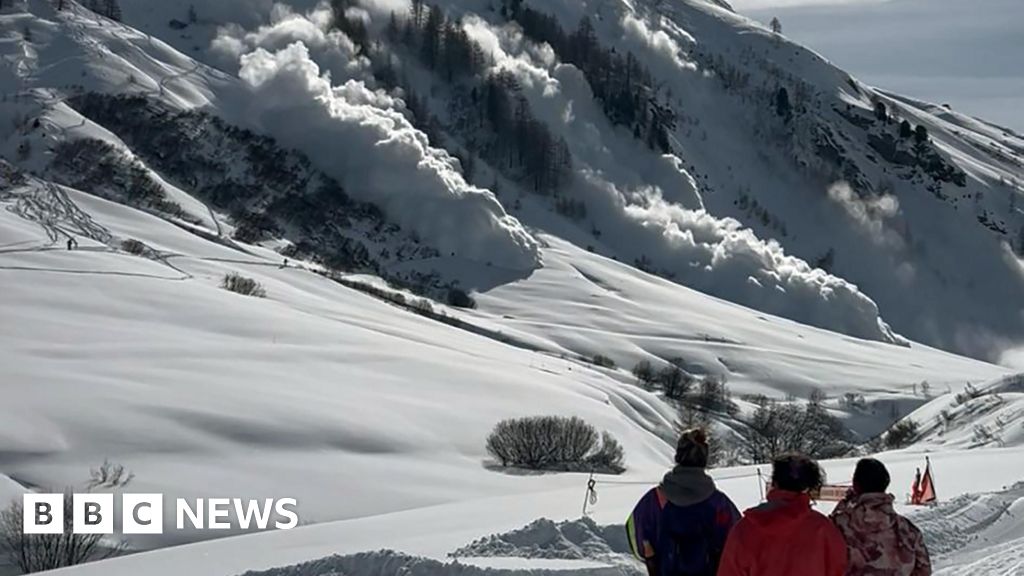
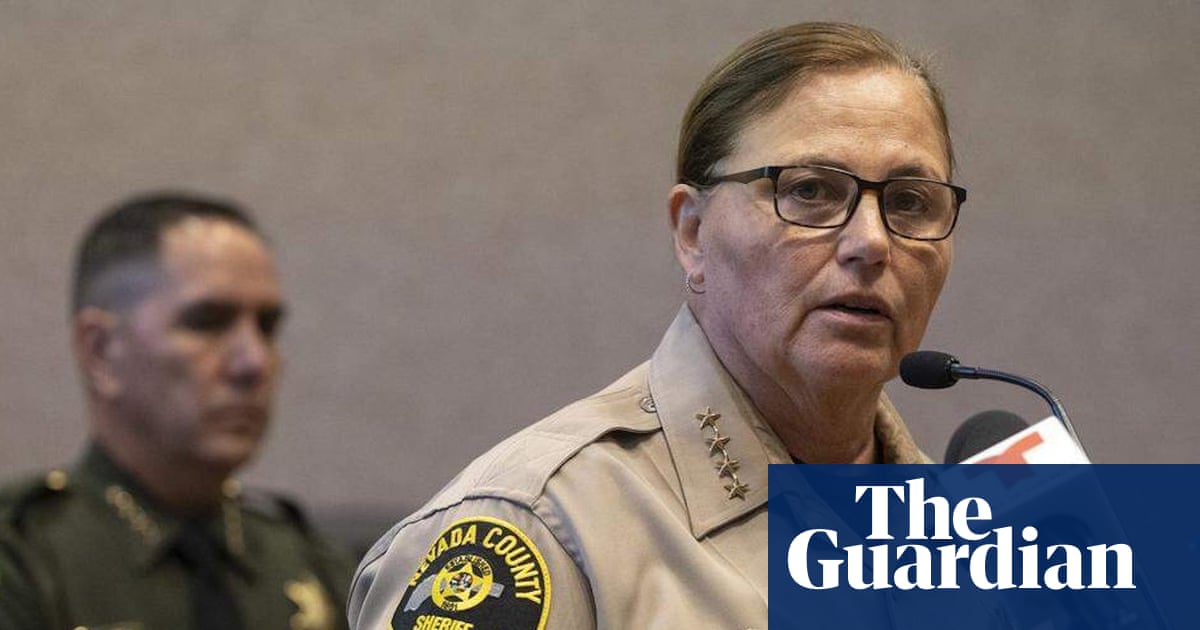
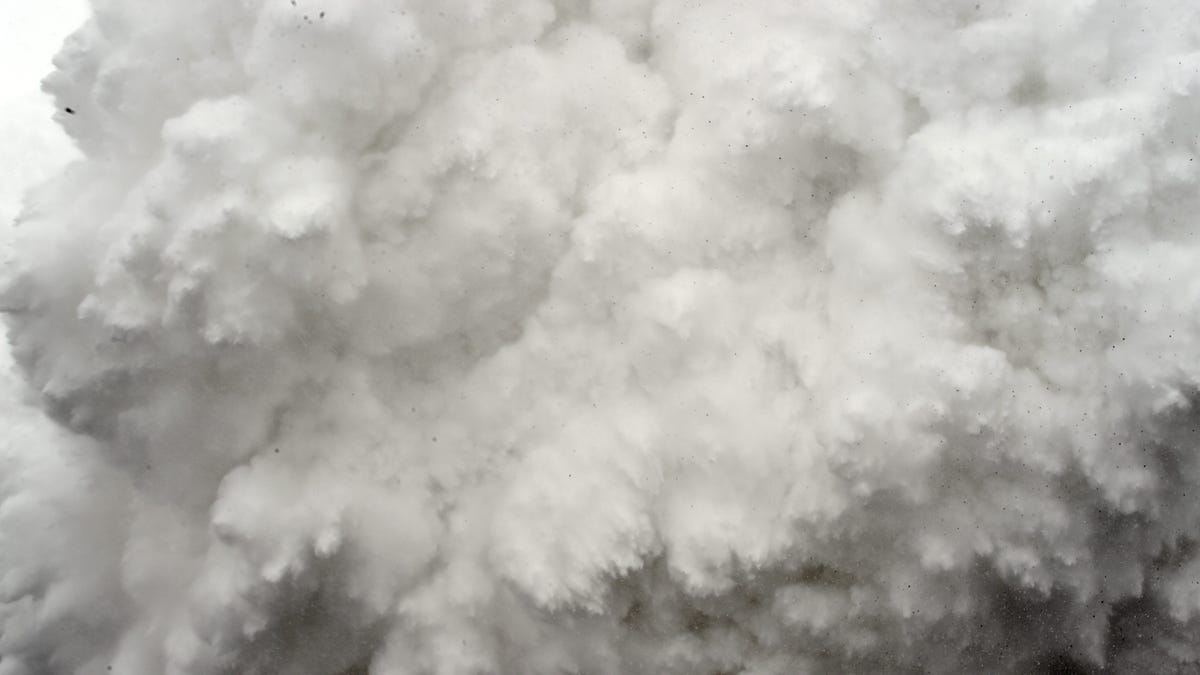
Most recently an avalanche slammed into a group of 15 backcountry skiers − 11 paying guests and four guides − in California's Sierra Nevada near Lake Tahoe on Feb. 17. It was the deadliest avalanche in the U.S. since 1981, killing nine people, including three "highly experienced" guides with the company that organized the trip.
The group went on the three-day adventure, which cost over $1,100 per person, despite dire warnings about a storm that was expected to bring up to 8 feet of fresh snow and create "very dangerous" avalanche conditions. The disaster raises questions about just how safe the fast-growing adventure tourism sector is, and whether there should be consequences for experts and guides who push forward despite the peril.
"The industry makes you feel that it's not risky because when you see a guide saying, 'Let's go,' you're going to trust the professionals," said Philippe Duverger, a marketing professor at Towson University in Maryland who has studied adventure tourism for about 20 years.