W
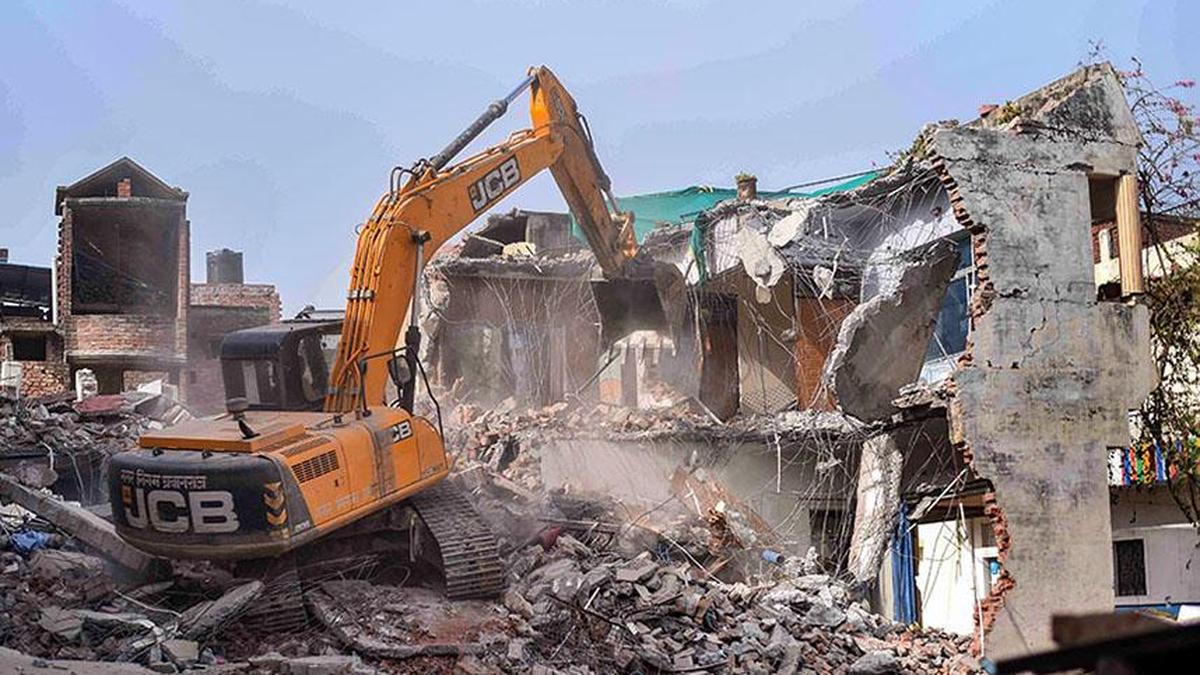
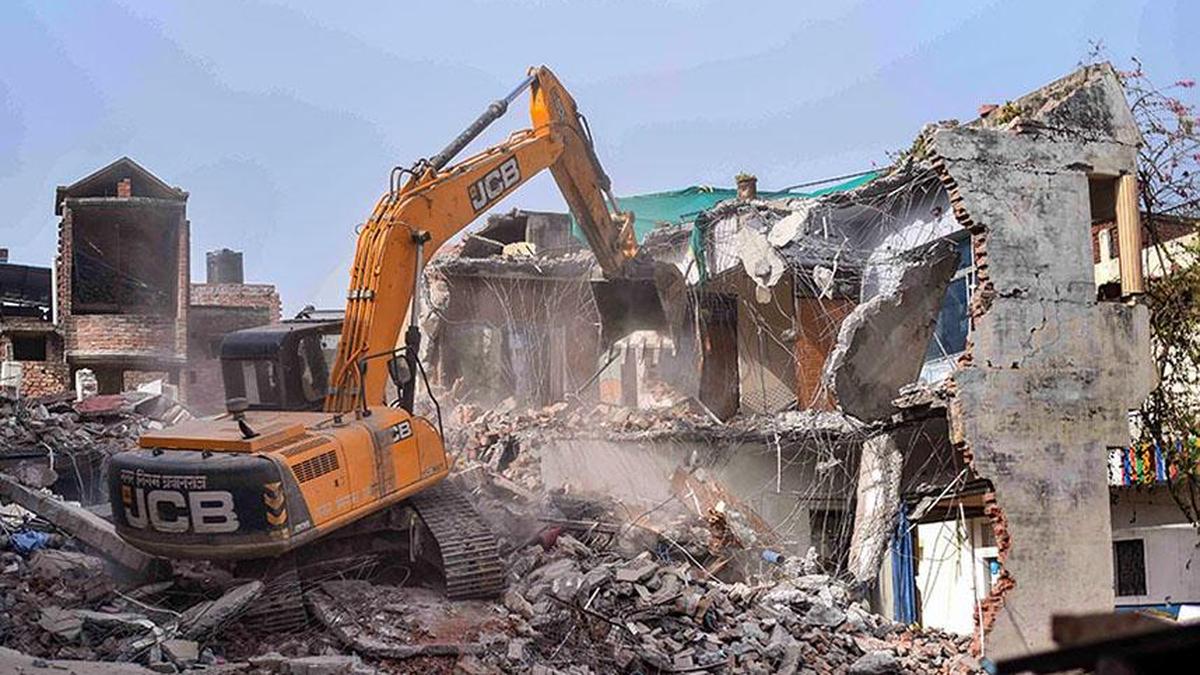
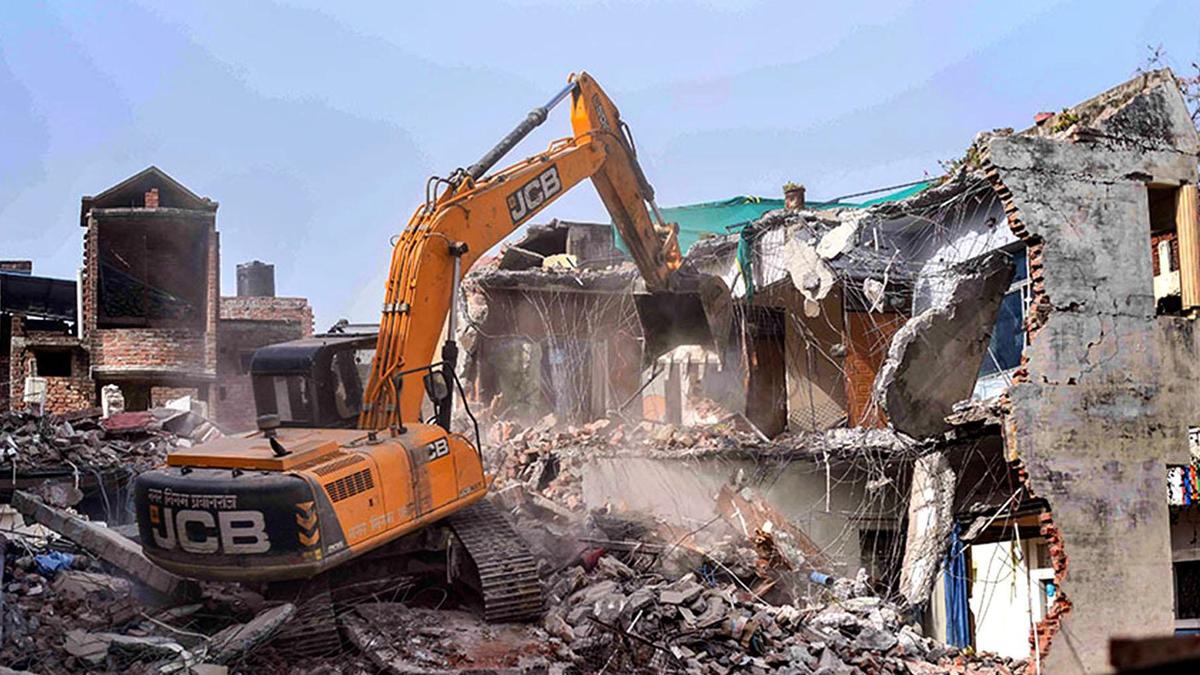
ith five-pointed questions recently, the Allahabad High Court has laid bare bulldozer justice. Punitive demolitions transform executive discretion into punishment without due process. In a constitutional democracy, coercive state power is expected to follow a predictable sequence: allegation, investigation, adjudication, and only thereafter sanction. Yet, in recent years, Uttar Pradesh has witnessed a troubling administrative trend popularly described as ‘bulldozer justice’, in which properties linked to persons accused of crimes are demolished shortly after incidents of alleged wrongdoing.
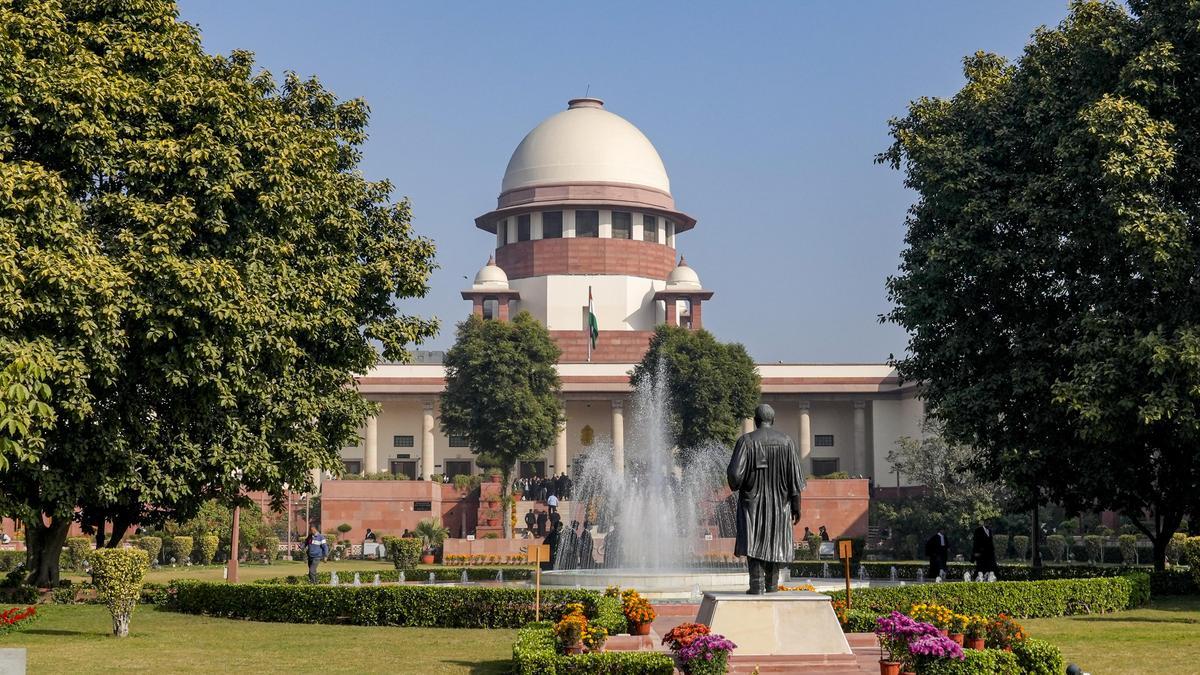
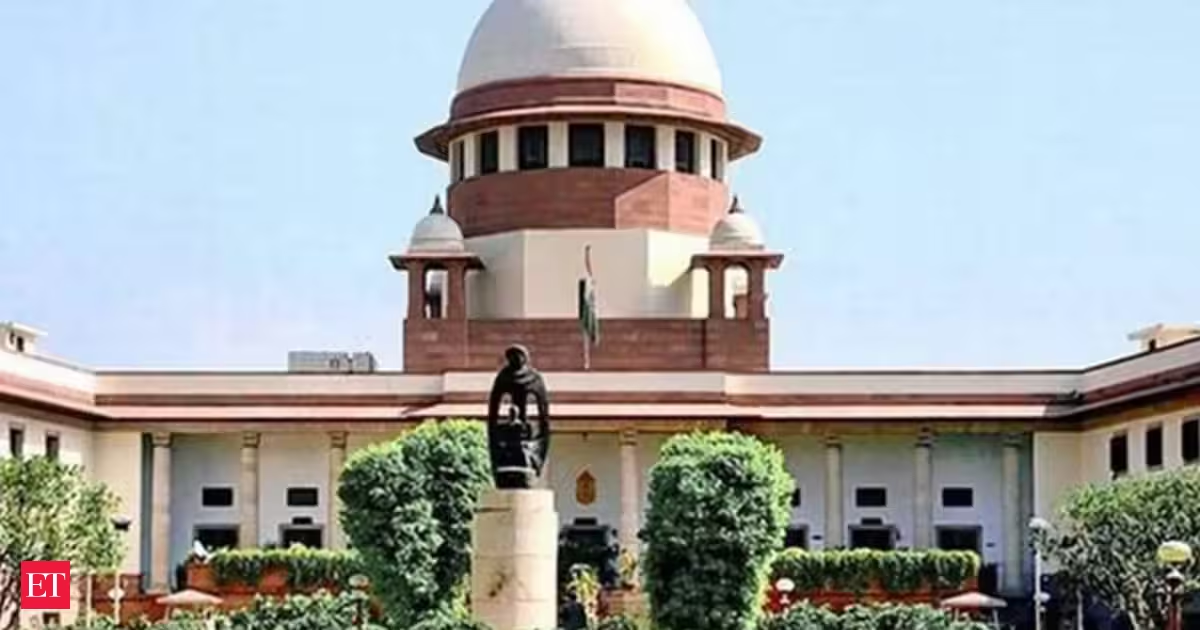
BULCourts have repeatedly been called upon to examine whether demolitions carried out immediately after the registration of criminal cases conform to constitutional principles. In 2024, the Supreme Court intervened to delineate the boundaries of lawful action, issuing explicit directions against punitive demolitions. However, the recurrence of such practices indicates that the tension between executive discretion and constitutional restraint remains unresolved.
Present episode
The latest instance reached the Allahabad High Court when a family from Hamirpur district sought protection against the threatened demolition of their residence and commercial premises following the registration of charges against a relative. The petitioners themselves were not implicated, yet municipal notices were issued and some properties were sealed soon after the FIR.