For decades, the Valero refinery shaped Benicia’s economy, politics and health. Now the city has become a reluctant test case of whether an oil town can reinvent itself
Less than 40 miles north of San Francisco, the city of Benicia has the quaint ambience of an American small town, where a white gazebo and sign for a community crab bake mark the approach to a vibrant downtown stretch of restaurants, cafes and antique shops.
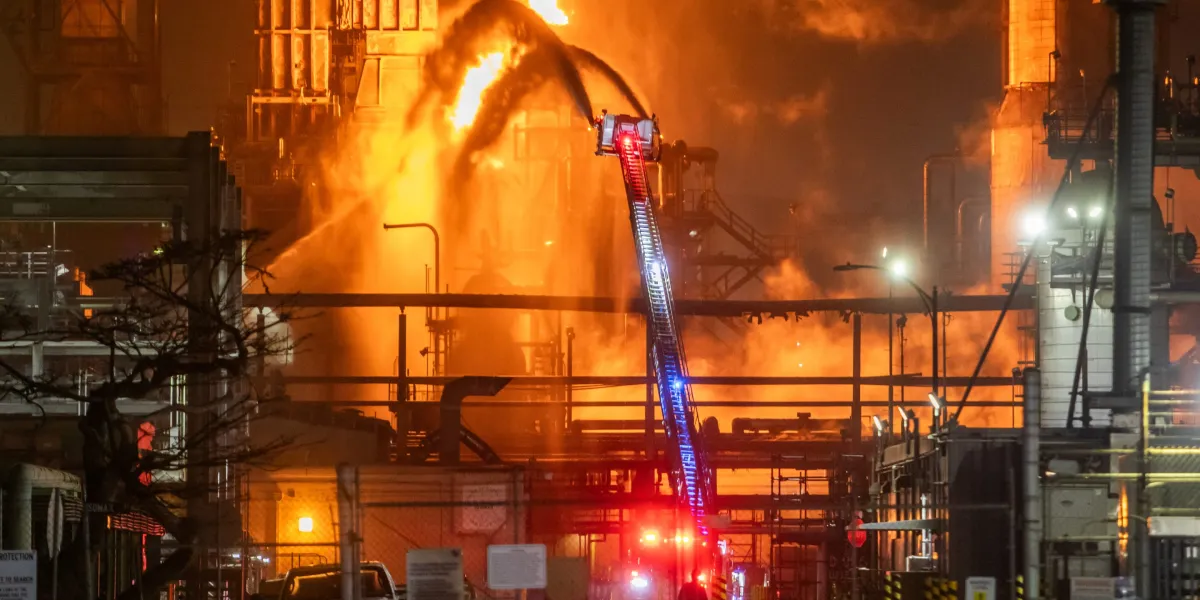
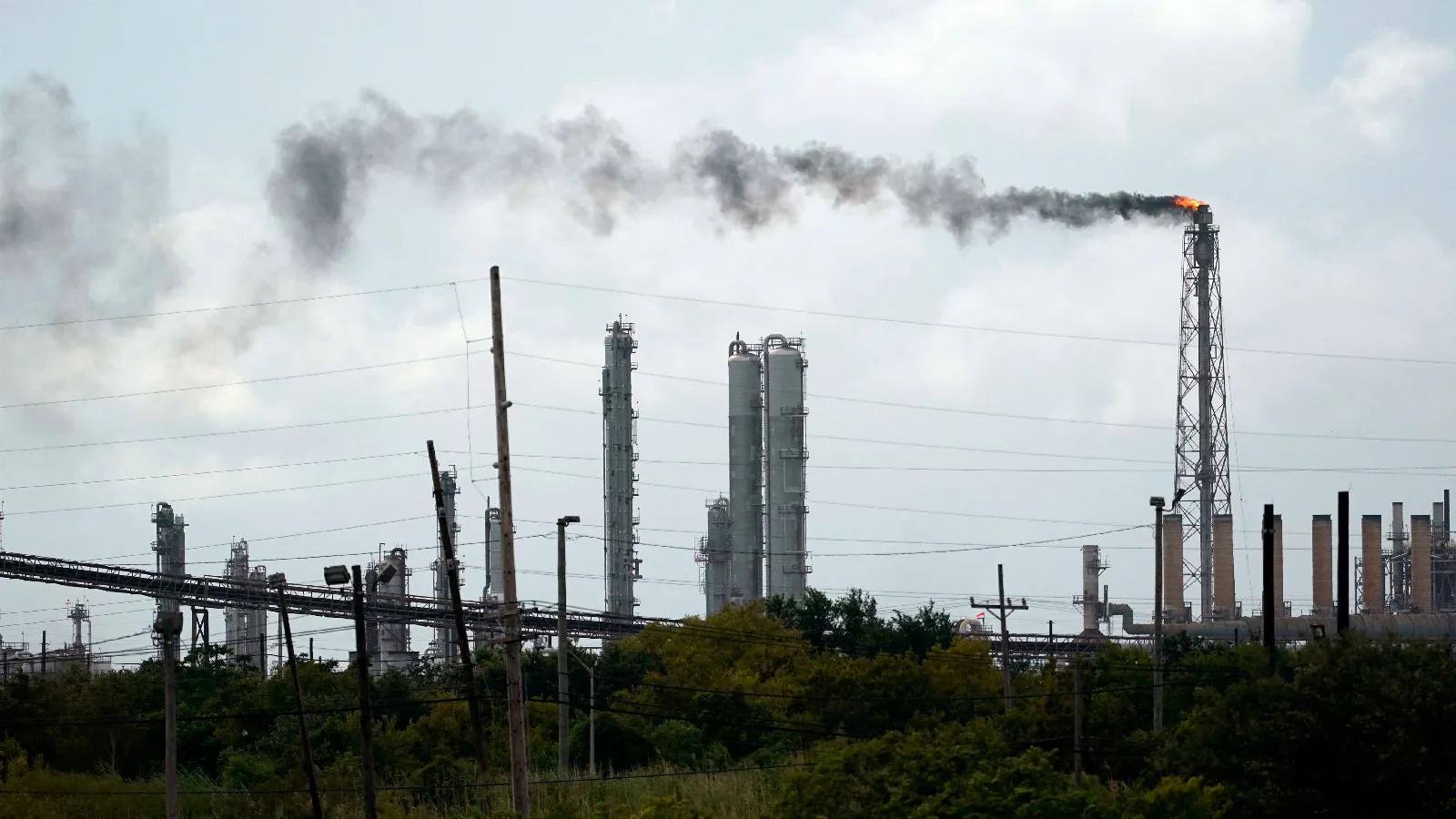
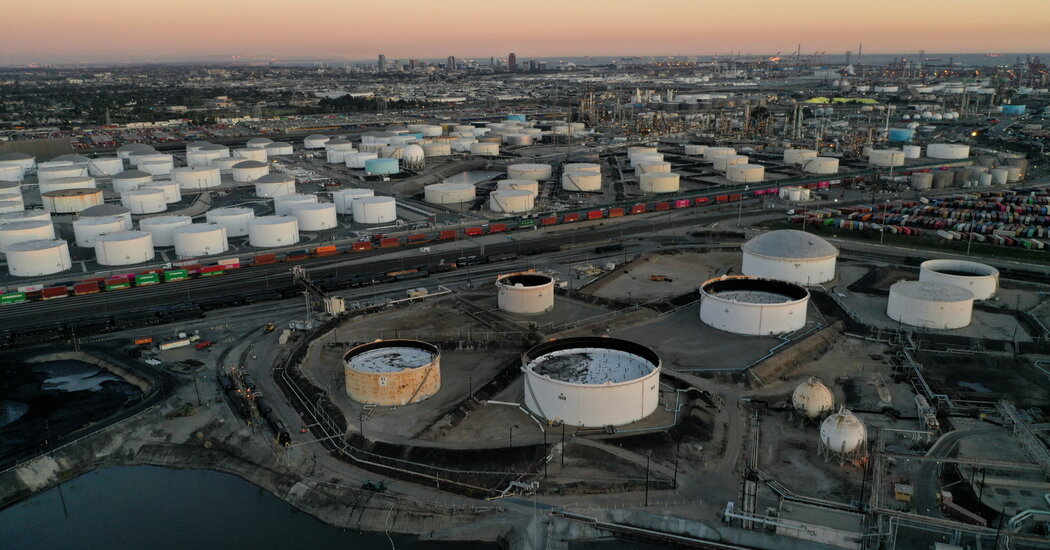
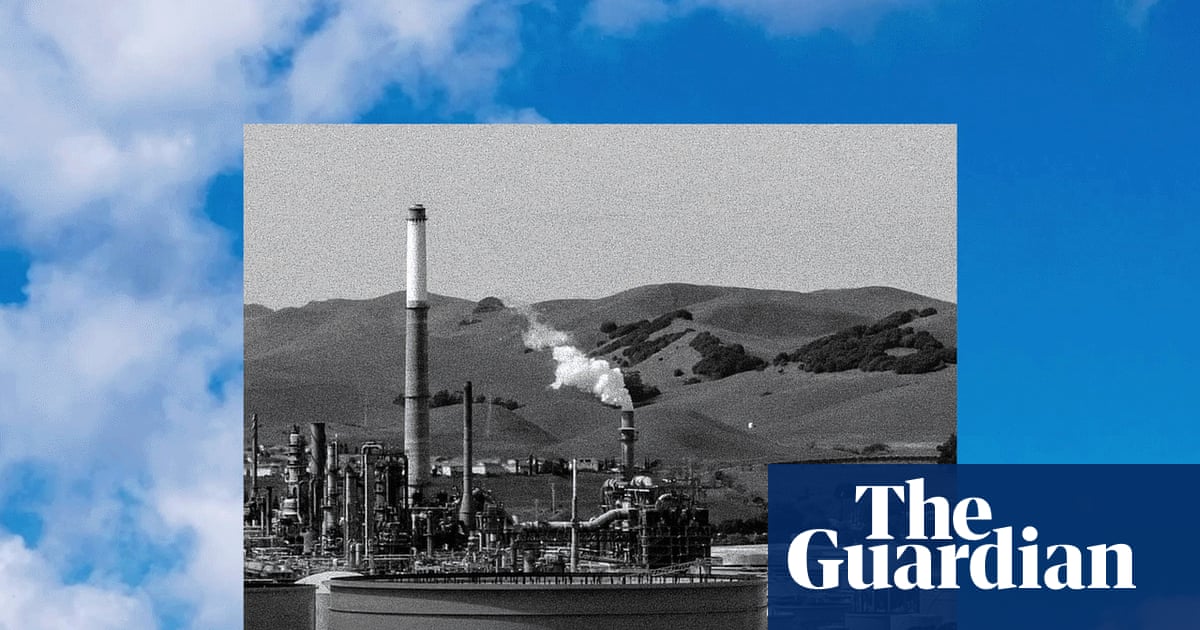
From many vantage points, it’s easy to forget the city is home to a massive 900-acre oil refinery, its imposing sprawl of stacks, holding tanks and billowing steam hidden from view. But for nearly 60 years, the refinery has loomed over every aspect of life in Benicia, exerting outsized influence on its economy and politics, while posing serious risks to public health.
The Benicia oil refinery, which the Texas oil company Valero bought from Exxon in 2000, thrived in an era when fossil fuels reigned largely unchecked over the US – offering reliable local taxes, well-paying jobs and steady economic opportunities for the many small businesses in its orbit.
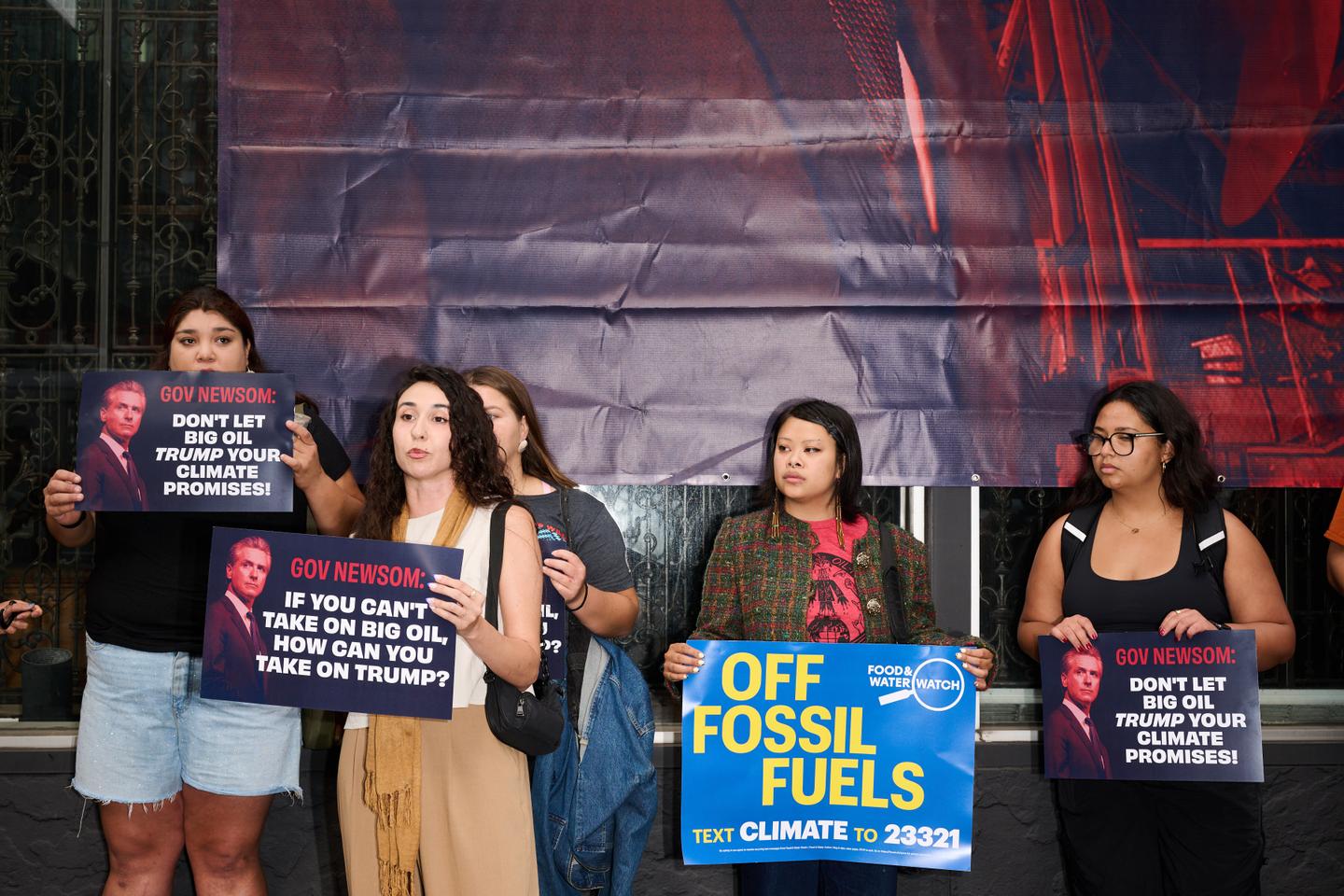
But as California pivots to meet its ambitious clean energy goals, refineries like this one are on the decline. The state has pledged it will be carbon-neutral by 2045, dramatically reducing its dependence on fossil fuels.