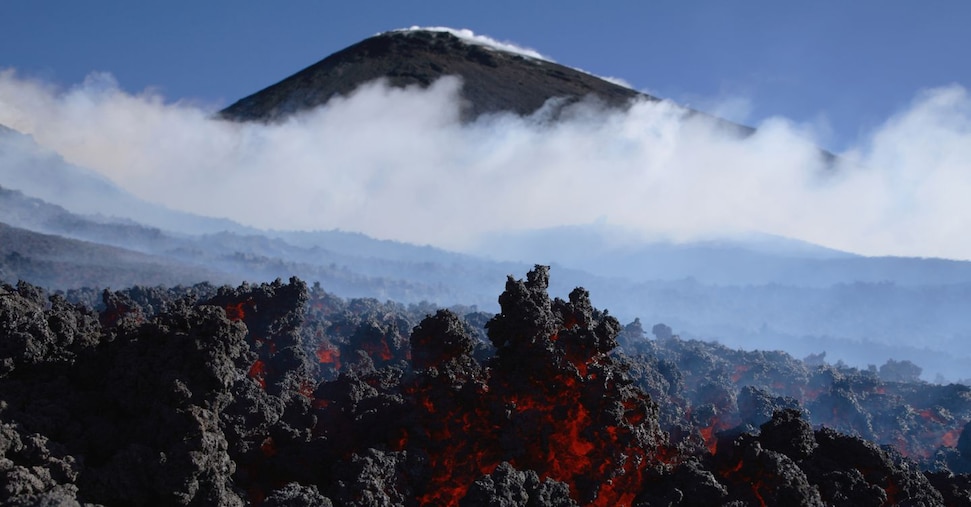
Falling volcanic ash has for years been viewed as a nuisance. But a Sicilian project has discovered its agricultural potential and wants to spread the word
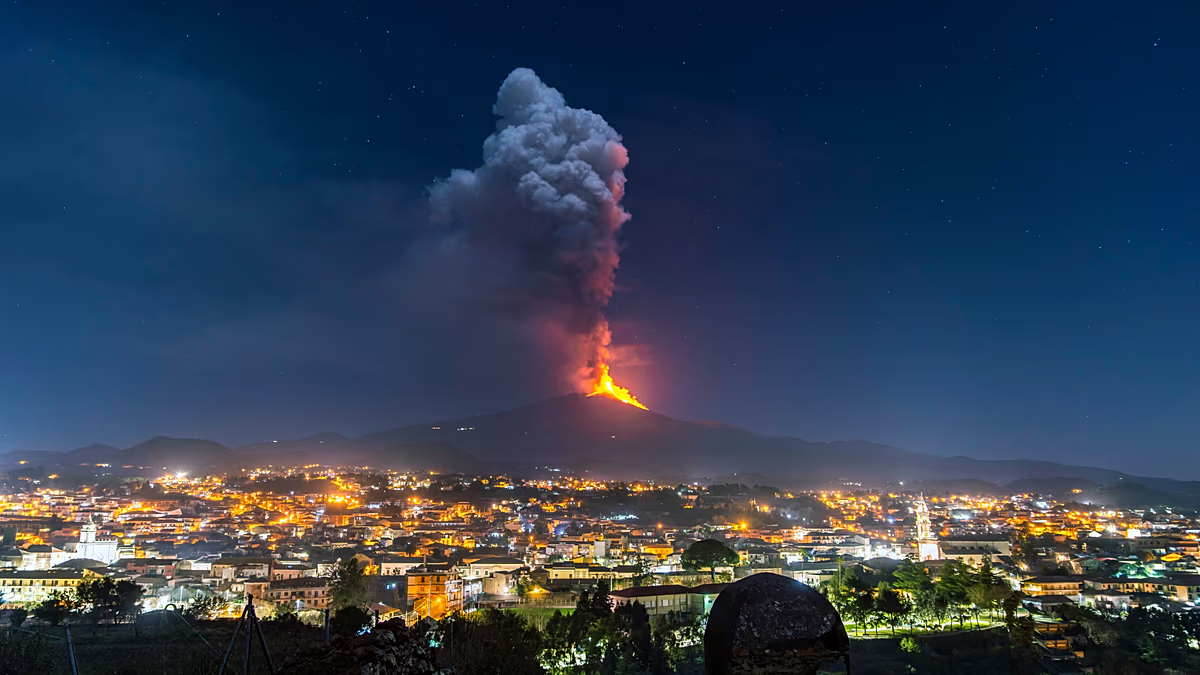
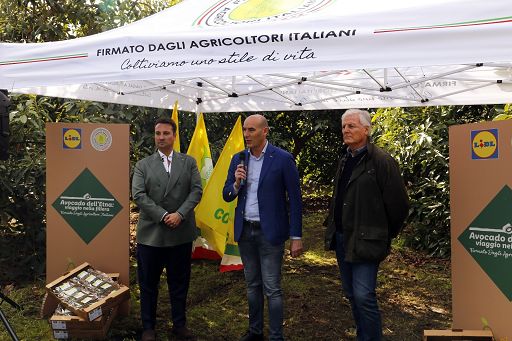
In the Sicilian town of Giarre overlooking Mount Etna, Andrea Passanisi, a tropical and citrus fruits producer, uses an unusual fertiliser on his 100-hectare (247-acre) stretch of land: volcano ash.
Like hundreds of farmers and citizens of rural towns perched on the slopes of Europe’s highest and most active volcano, the 41-year-old’s family has had to deal with the nuisance of falling volcanic ash for generations. But it is only in recent years that the quantity of ash has become so excessive that it required an alternative approach.
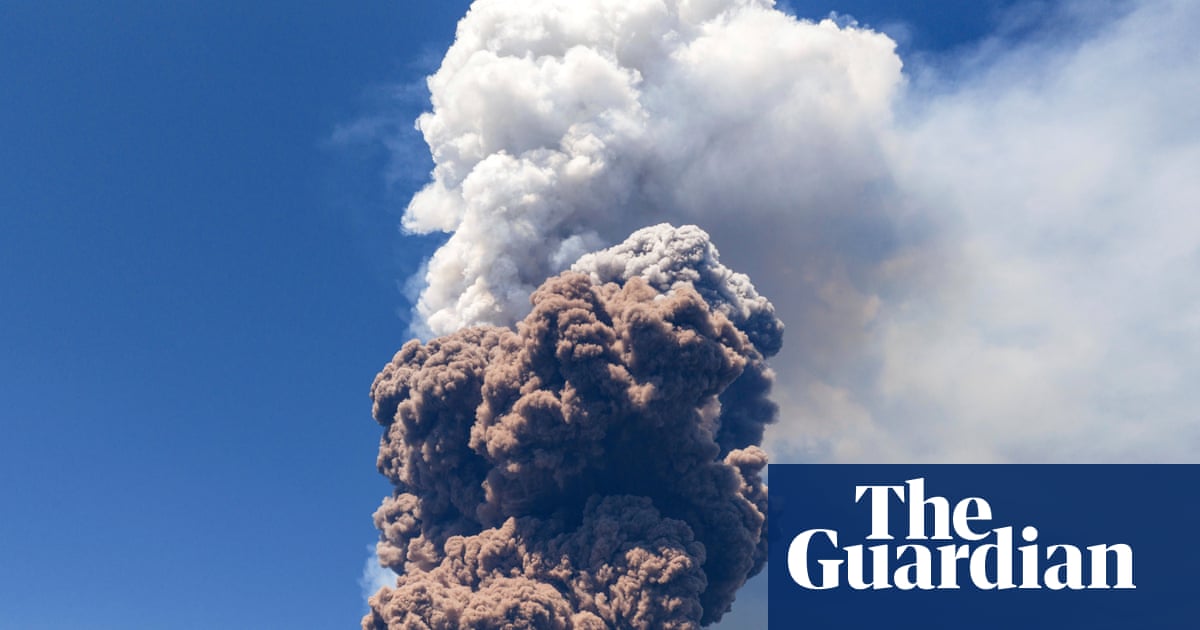
With every eruption, towns such as Giarre experience an average of 12,000 tonnes of ashfall daily, which the wind can transport as far as 800km (497 miles). In July 2024, Catania – Sicily’s second-largest city, located at the foot of Mount Etna – registered 17,000 tonnes of ash daily, which took nearly 10 weeks to collect.
For years, farmers such as Passanisi were led to believe the phenomenon was a danger to crops, polluting irrigation waters and requiring special equipment and days off work to clean up.