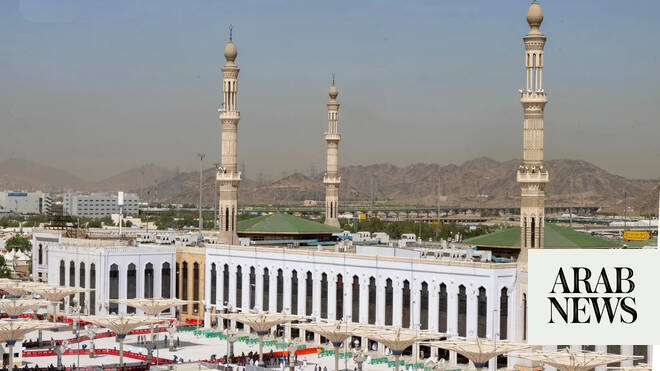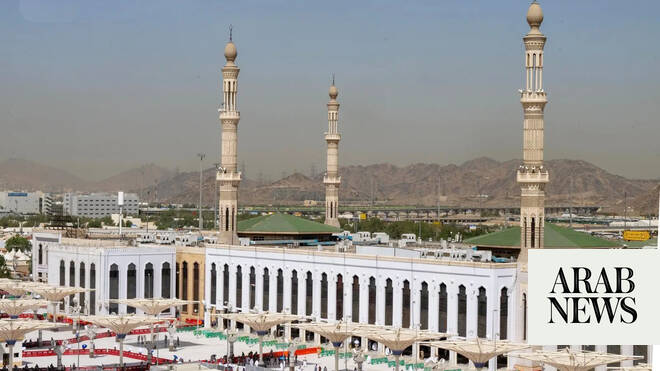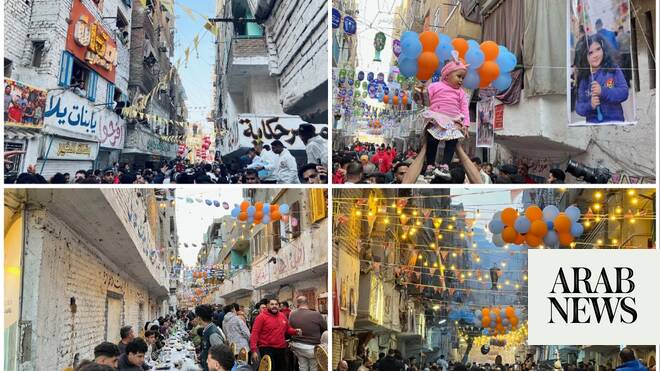
CAIRO: Cairo is home to more than 400 Islamic landmarks that represent a rich diversity of heritage and architectural styles, and the already spiritual atmosphere in the Egyptian capital receives a boost during Ramadan.
During the first week of the holy month, Arab News visited some of the city’s most historic mosques, including Al-Azhar, Sultan Hassan, and Amr ibn Al-As.
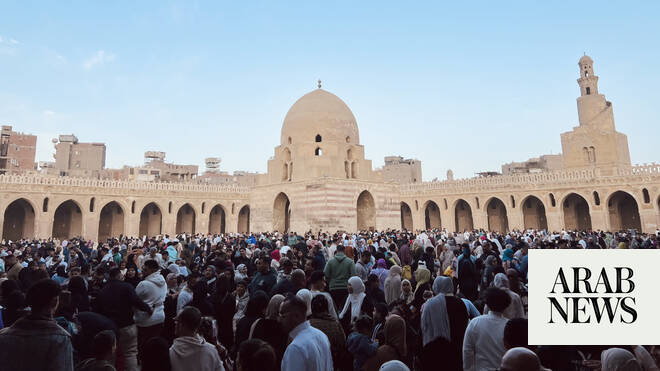
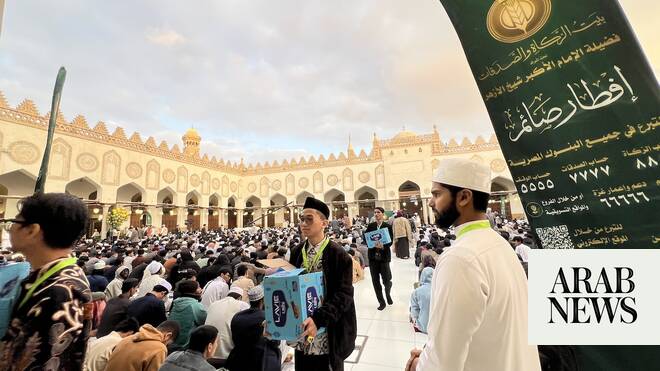
Al-Azhar Mosque hosts iftar, the evening meal that breaks the daily fast during Ramadan, at which it welcomes students from more than 100 countries as well as faculty members from Al-Azhar University. Thousands sit in organized circles throughout the mosque as they enjoy their meals.
“This is the third year I have attended this iftar since joining Al-Azhar University to study at the Faculty of Usul Al-Din (Islamic Theology),” Mazen, a student from Java in Indonesia, told Arab News. “I have experienced an exceptional atmosphere in Egypt during Ramadan.”
Gamal Abdel Rahim, a professor of Islamic antiquities, told Arab News that iftar tables first appeared in Egyptian mosques during the era of Ahmad ibn Tulun, founder of the Tulunid dynasty (835 to 884 A.D.). They became more widespread during the Mamluk and Fatimid periods at places of worship such as Amr ibn Al-As Mosque, one of the oldest in the country. The tradition continues.