Influences from across Asia meet in the woks and pots of these four cities, where even the hawkers can become recognised by Michelin
Asia Pacific is the world’s largest and most diverse culinary landscape. Some dishes, such as Tokyo’s soy-cured tuna, encapsulate a city’s backstory in a single bite. Some destinations, like the culinary crossroads of Singapore, are worth visiting for the food alone. From tasting menus to street eats, sampling local cuisine is like tasting a city’s soul.
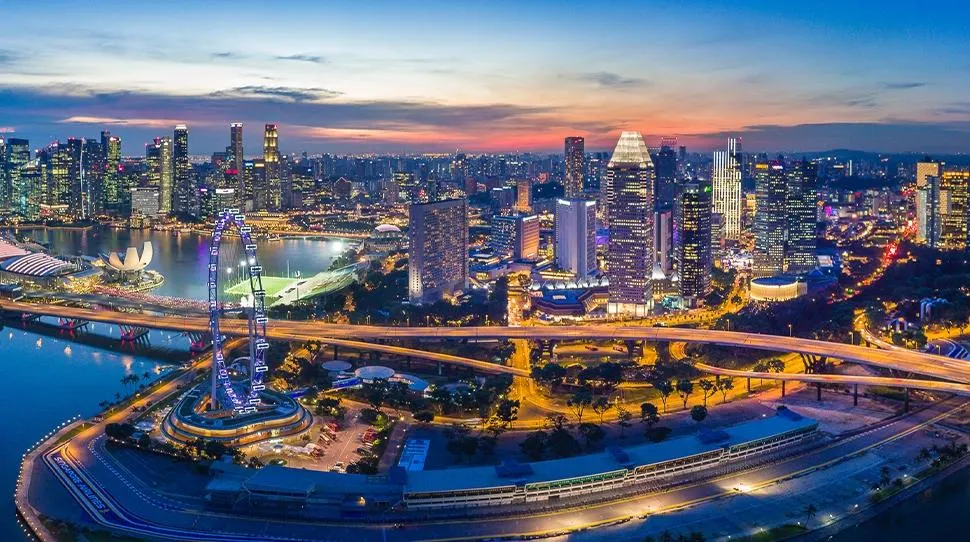
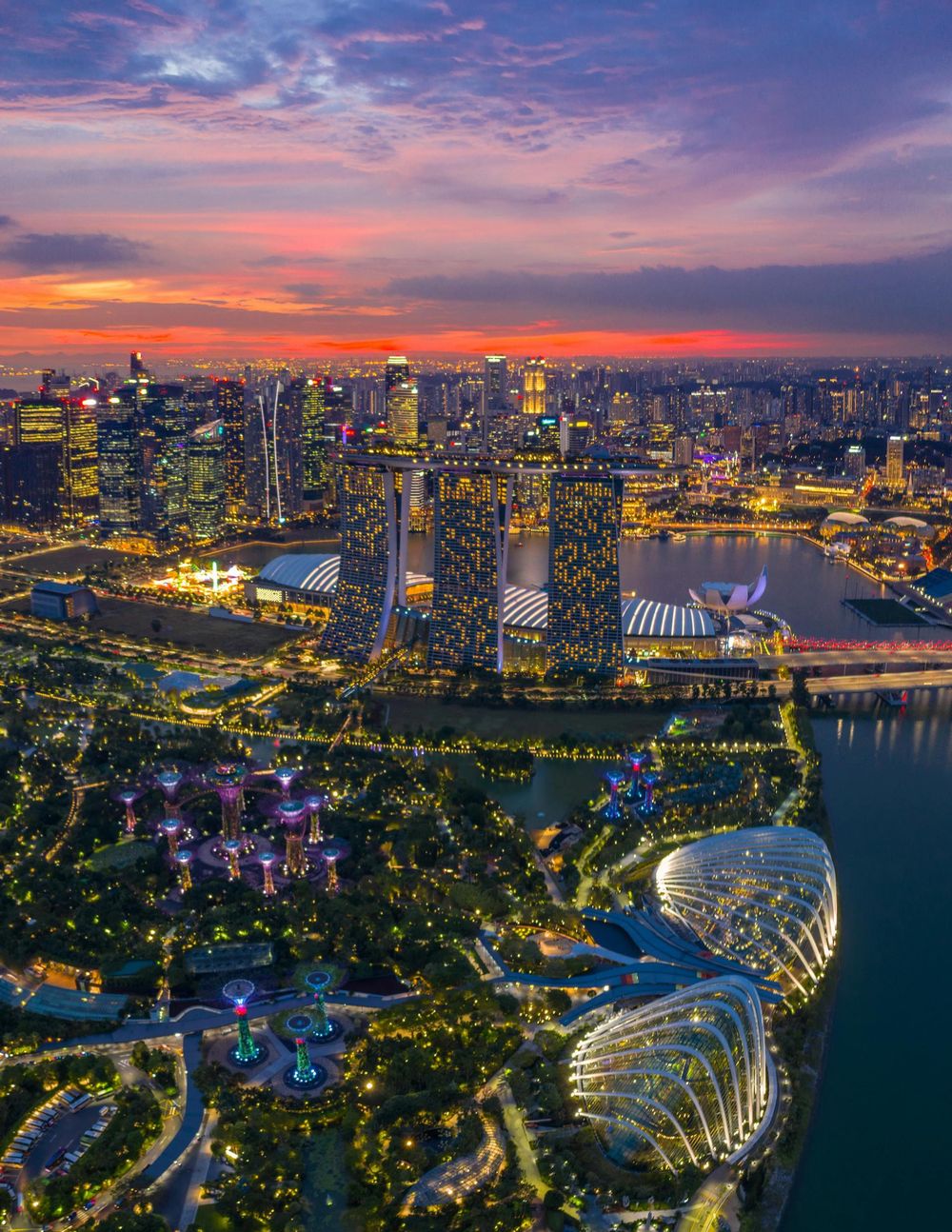
In Singapore, history is stirred into every snack. Since 1819, when it was established as a trading nexus, the city-state has been a lighthouse for travelling ingredients. The Chinese purchased pak choy and tofu to steam and stir fry. Malays bought pandan and lemongrass to season satay. South Asians carried fenugreek and tamarind to flavour flaky flatbreads known as roti prata. Orchard Road was so-named as it hosted fields of rambutans and mangosteens to feed the growing population. Singapore was a living larder.
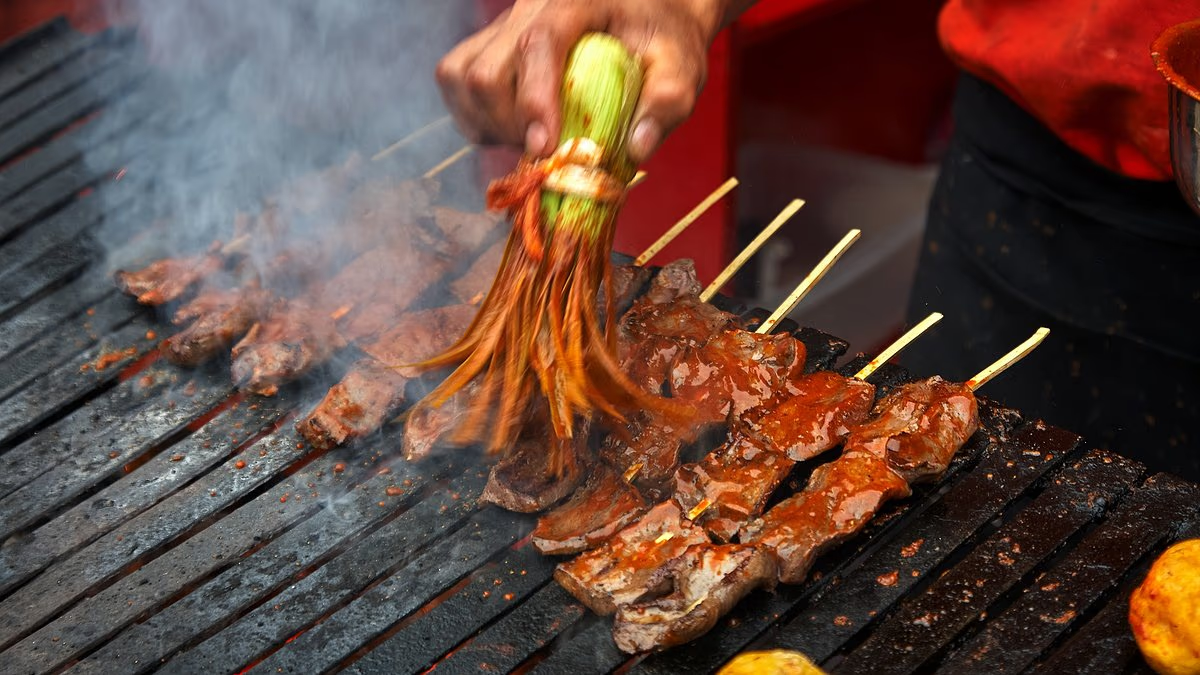
As life was busy, folks ate on the go. Singaporean street food reaches its apogee nowadays at Chinatown Complex Food Centre, where several of the many hawkers have gained mentions from the Michelin Guide. The 200 food stalls include Lian He Ben Ji Claypot, where rice, pork belly, duck sausage and salted fish are steamed to perfection in a ceramic dish. CMY Satay is another hawker to gain the Michelin nod, having taken decades to finesse a single grilled bite.